





 English
  Francês
  Alemão
  Italiano
  Japonês
  Norueguês
  Portuguese
  Spanish
  3 min of reading
  12 comments


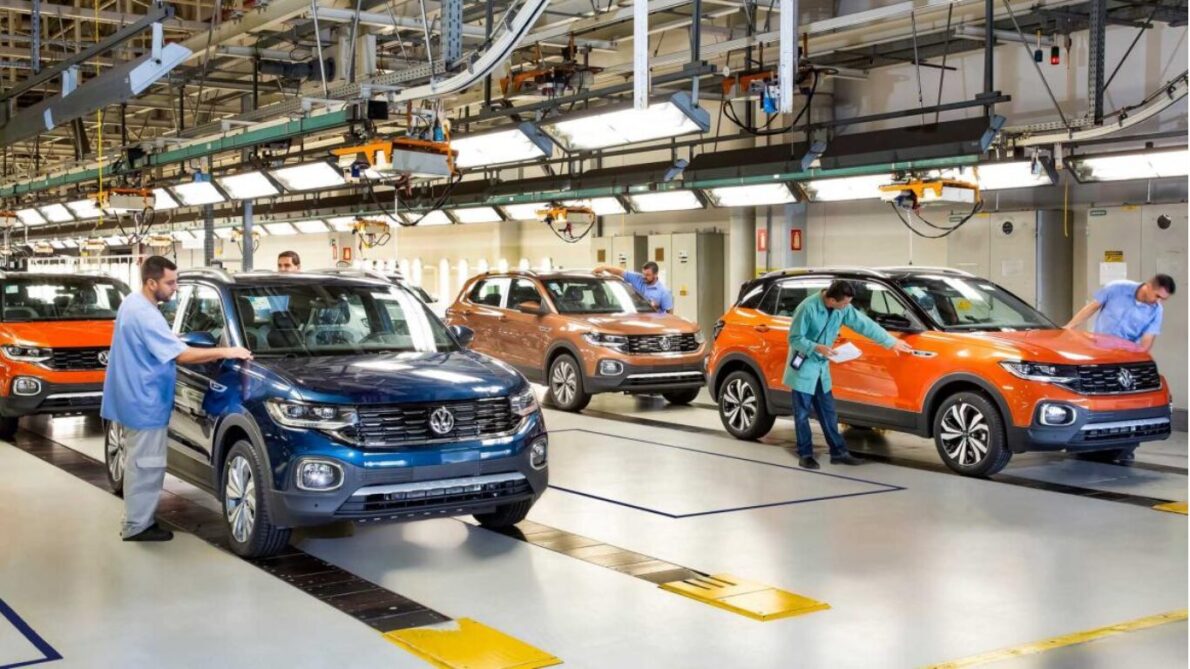

Automaker Faces Financial Pressure and Considers Closure of Units to Cut Significant Expenses
Volkswagen is facing a pivotal moment in its trajectory, seeking to cut costs aggressively and planning the closure of factories in Germany. The German automaker, already one of the giants in the global automotive sector, announced that it may close a large vehicle factory and a components unit in the country, a measure aimed at saving billions of euros, according to the website CNN Brasil.
The restructuring plan, revealed on Monday (2), marks an attempt to cut expenses and face financial challenges. The workers’ council of Volkswagen promised a “fierce resistance” against these plans, indicating a potential significant dispute over the implementation of the changes. Let’s explore the details of this restructuring and the potential impact on Volkswagen’s operations and personnel.
Radical Restructuring: What’s at Stake
Volkswagen is evaluating the closure of two major facilities in Germany. The first is a large vehicle factory, and the second is a components factory. According to the workers’ council, these units are considered obsolete, which may have led the automaker to make this drastic decision.
-
Engineers propose a fourth traffic light for intersections – the change promises to affect crossings, queues, and waiting times.

-
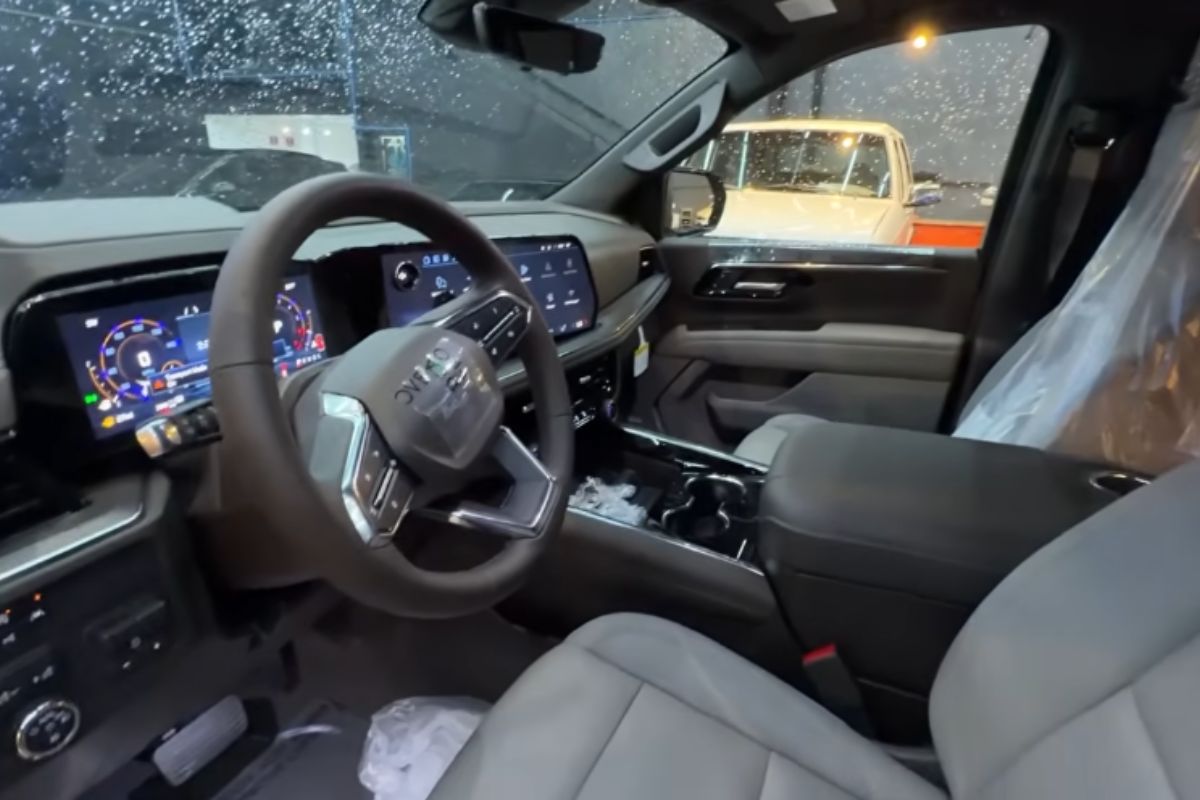
Chevrolet Suburban Z71 lands in Brazil with a V8 engine, off-road design, air suspension, seven seats, and colossal size, a rare version imported for around R$ 1.3 million with luxury and exclusivity.
-
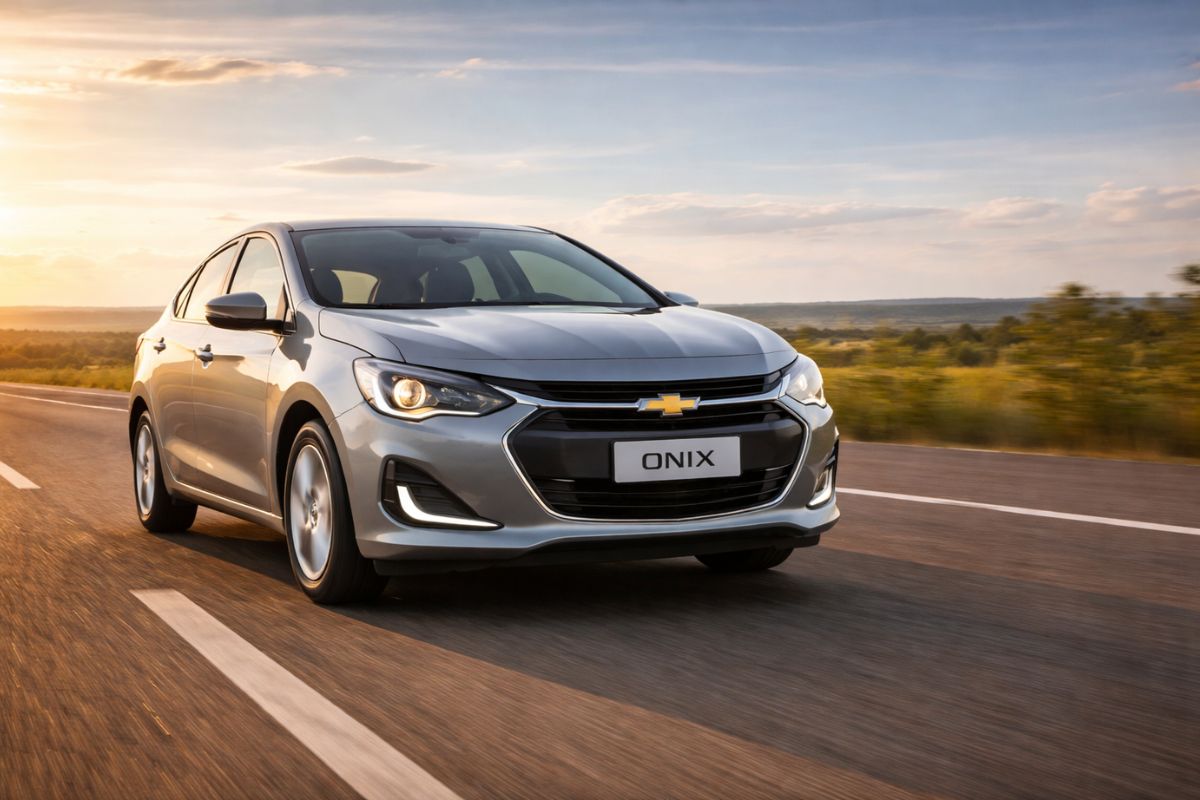
The Chevrolet Onix 1.0 turbo achieves 17.7 km per liter on the highway and ranks among the three most economical cars in Brazil in 2026, alongside two more expensive Toyota hybrids available at dealerships.
-
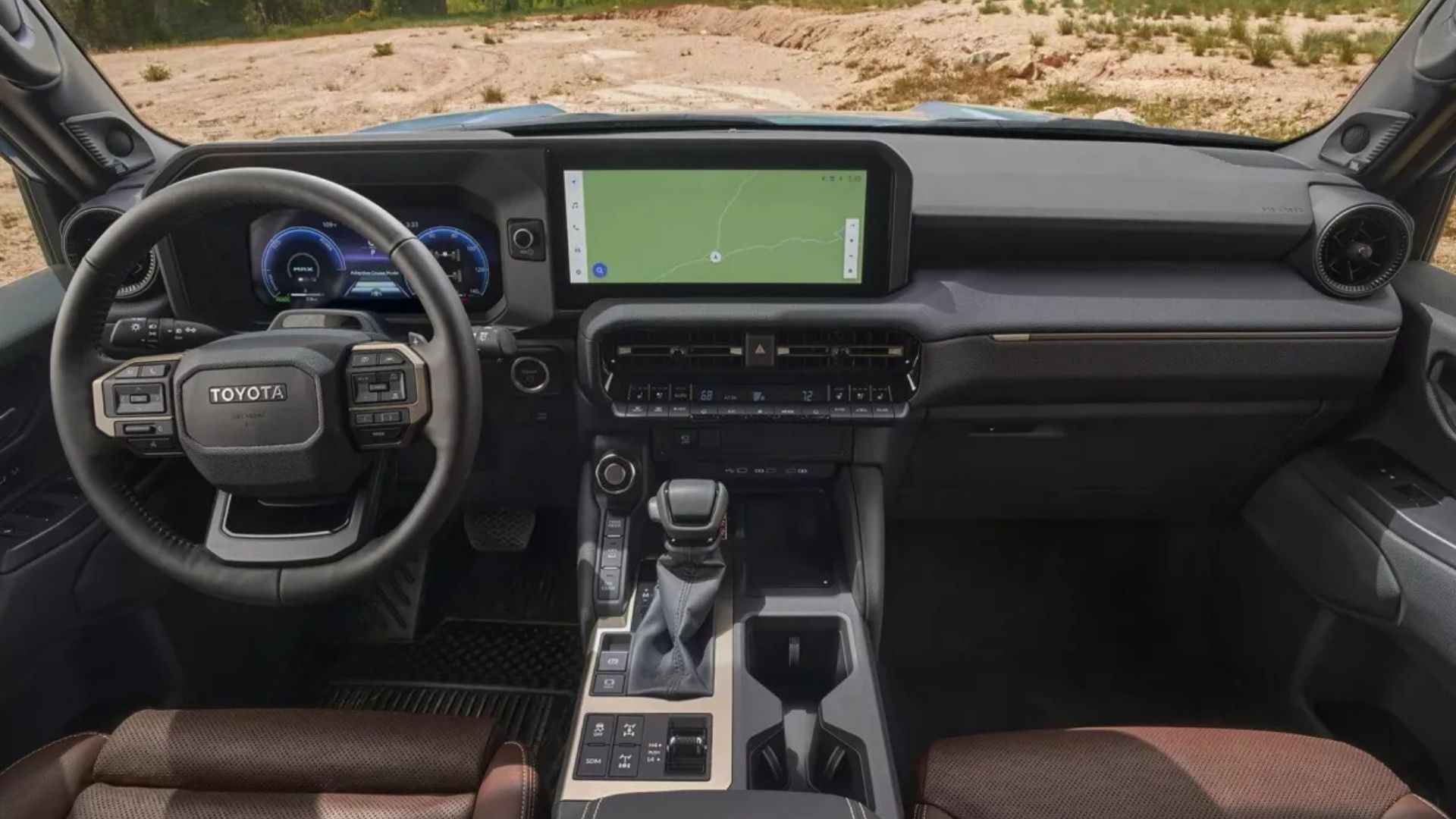
Little sister of the Hilux: Toyota launches Land Cruiser FJ with 4 radical versions, 2.7 engine with 166 hp and 4×4 traction with locking.

This measure is part of a broader initiative to cut costs and save billions of euros. The automaker faces significant financial pressure, and the restructuring aims to adjust its operation to new economic and market realities. “It seems that Volkswagen is preparing for a true internal battle,” comments an analyst, referring to the anticipated resistance from the workers.
Impacts on the Occupational Safety Program
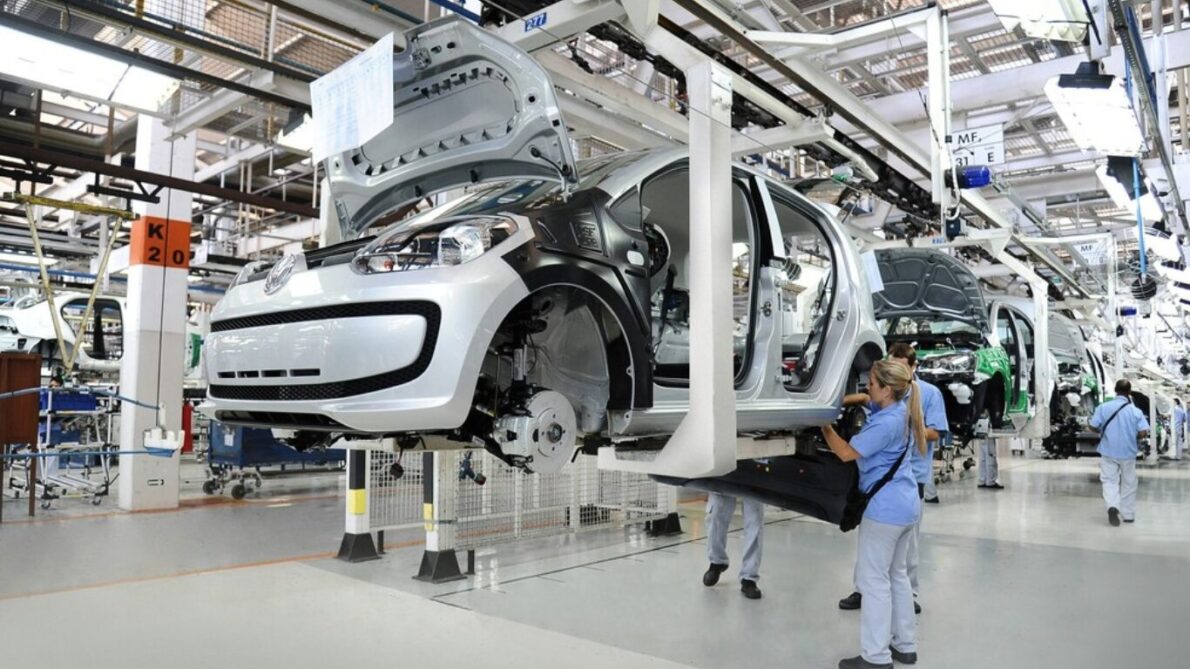
In addition to the factory closures, Volkswagen also announced the end of its occupational safety program, which had been in place since 1994. This decision is a fundamental part of the restructuring and could have a significant impact on the safety and working conditions of employees.
The safety program was one of the pillars of Volkswagen’s worker welfare policy, and its elimination may be seen as a move to cut expenses further. The automaker has pledged to discuss all measures with the workers’ council, indicating that the restructuring process may be lengthy and complex.
Workers’ Resistance and the Future of the Automaker
The workers’ council of Volkswagen has already expressed its opposition to the plans of the executive board. “The resistance will be fierce,” stated a union representative, suggesting that the dispute over the factory closures may intensify.
Furthermore, the future of the factories in question and the impact on local employment are central concerns. If the plans are implemented, they may lead to mass layoffs and profoundly affect the communities where the factories are located. The automaker will need to carefully manage this transition to minimize negative impacts on its employees and the company’s reputation.
Information Channels and Updates
As Volkswagen continues to face these challenges, employees, the local community, and investors are eager for more information about the next steps. Updates on the restructuring process and negotiations with the workers will be crucial to understanding the full impact of these changes.
To stay closely informed about the latest news and developments regarding Volkswagen and the factory closures in Germany, keep an eye on updates from major news outlets and official announcements from the automaker.








Meu Deus, é na Alemanha e a sede é lá, é lógico que vai afetar os países,
Como o povo é ****,o investimento.e para investir nas tecnologias e acabar com a mão de obra humana, hoje e os robôs que domina as montadores.
Pouco provável que uma empresa dessas simplesmente feche as portas. Reestruturação com adequação de portfólio.E deixa os 100% elétricos no bolso.