





 Portuguese
  English
  Spanish
  4 min of reading
  0 comments


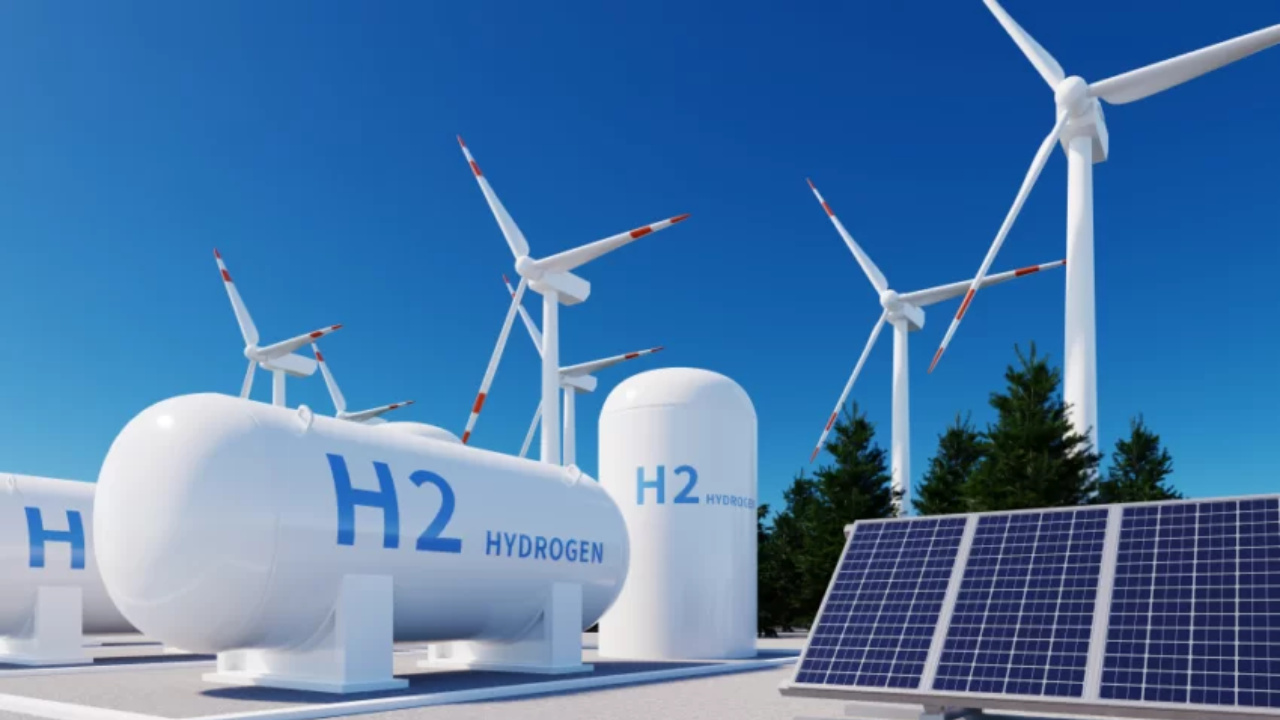
Coalition with 73 Companies and Eight Associations Presents Proposal to COP30 Advocating Urgent Actions for Governance and Planning to Ensure the Decarbonization of Transportation and Industry in Brazil.
Decarbonization emerges as one of the main challenges and opportunities for Brazil in the coming decades. Representatives from the electric sector assert that the country is fully capable of leading the global energy transition, using its predominantly renewable matrix to reduce carbon emissions in transportation and industry. However, according to the group, the lack of governance and excessive political lobbying are compromising the efficiency of the system and raising costs for consumers, as reported this Friday, 10.
The message was sent to the presidency of COP30 by a coalition formed by 73 companies and eight associations. The group advocates for a structured energy transition, with solid state planning and stable rules for investors. Despite broad support, the manifesto does not include representatives from the solar energy sector, which has faced criticism for what are considered excessive subsidies.
Brazilian Renewable Matrix Is a Global Model But Needs to Grow
According to a study conducted by the consultancy PSR, Brazil currently has 90% of its electricity matrix composed of renewable sources, double the global average. The major challenge, however, is to maintain this rate in the coming decades, especially in light of the increasing electrification of industrial and transportation sectors.
-
Chinese company creates solar cell that breaks the physical limit of silicon with 34.85% efficiency and promises to revolutionize electricity bills with panels that generate 20% more energy starting in 2026.

-
How green infrastructure and renewable energy at the World Cup transform the logistics of the largest sporting event on the planet in North America.

-
The Cagece and UFC project advances in sustainable innovation with biogas by converting waste into renewable energy, reducing environmental impacts, and increasing sanitation efficiency with concrete and measurable results.
-
Paranaense students develop a system that transforms farm waste into clean energy and revolutionizes sustainable agribusiness.

To ensure the same level of renewability by 2050, it will be necessary to more than double the current generation capacity, adding around 345 gigawatts (GW) in new clean sources. This expansion would allow the country to maintain 88% of its renewable matrix, even with increased energy demand.
The president of PSR, Luiz Barroso, emphasizes that this projection considers the advancement of electrification and the emergence of high-consumption projects, such as data platforms and green hydrogen plants. He states, “Maintaining a 90% renewable matrix has the potential to promote synergies for the national and global decarbonization of the economy by up to 176 million tons of CO₂ per year,” which represents about 11% of Brazil’s total emissions.
Energy Transition Can Reduce Emissions and Generate Jobs
The expansion of clean electricity represents an opportunity for structural transformation of the Brazilian economy. “Today, the industry relies on fossil fuels, whether coal or gas to heat water or generate steam. We assume that many of these processes can be electrified,” explains Barroso.
This substitution of polluting sources with renewable electricity could drastically reduce industrial and transportation emissions while driving new investments in infrastructure, innovation, and the creation of skilled jobs.
However, the study warns that without proper governance, the sector risks entering a “chaotic transition,” marked by political decisions disconnected from technical planning.
Governance and Planning Are the Main Concerns
The manifesto delivered to COP30 criticizes the current lack of coordination by the federal government in energy planning. According to the document, the National Congress has taken on a central role in sector decisions, approving laws and subsidies without technical justification.
This scenario, representatives warn, has resulted in the unregulated expansion of distributed solar energy generation and the contracting of fossil projects without real necessity. To correct the course, the coalition proposes restrictions on the contracting of energy not included in official plans and the creation of new sectoral subsidies, except those with social purposes.
“The choice is whether we will have an organized or chaotic transition. What we are facing now is a chaotic transition, which is a symptom of sectoral disorganization,” stated Ricardo Brandão, executive director of Regulation at Abradee (Brazilian Association of Electric Energy Distributors).
Among the presented suggestions are the modernization of tariffs, the review of existing subsidies, and strengthening the transmission network to adapt to climate changes.
Decarbonization Depends on Predictability and Clear Goals
The study reinforces that, if the share of renewable sources in the matrix falls below 70%, Brazil may cease to be a reference in clean energy and even become a net carbon emitter. Therefore, the private sector demands regulatory predictability, consistent investments, and short-, medium-, and long-term goals.
“The message from the private sector is that it needs predictability and planning,” states Marina Grossi, president of the Brazilian Business Council for Sustainable Development (CEBDS). “Nothing can be done for 2050 without planning a short-term action plan.”
Thus, Brazilian decarbonization depends not only on technology or investments but on coordination among government, businesses, and society. Only with clear rules and a vision for the future will it be possible to maintain the country’s prominence in the global energy transition.








Seja o primeiro a reagir!