





 Portuguese
  English
  Spanish
  3 min of reading
  0 comments


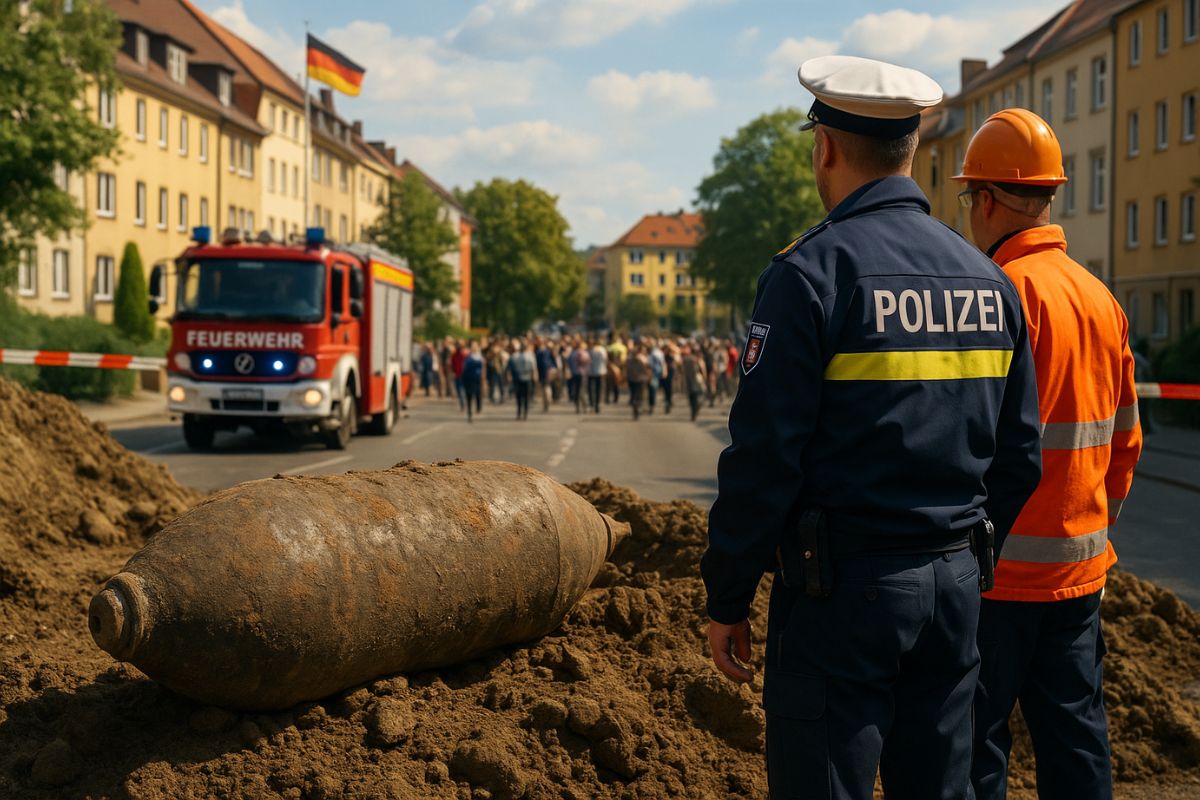
Artifact Weighing 250 Kg Was Located During Demolition of Bridge; Evacuation Includes Churches and Historic Hotels of the City
About 17,000 residents and tourists had to hasten their departure from the historic center of Dresden, in eastern Germany, after the discovery of an unexploded World War II bomb. The evacuation was ordered on Wednesday (6) so specialized teams could safely deactivate the explosive artifact.
The bomb, of British manufacture and weighing approximately 250 kg, was found during the demolition work of the Carola Bridge, which had partially collapsed in September 2024. The affected area includes important tourist sites, such as the Frauenkirche, an iconic church rebuilt after the Allied bombings, as well as hotels and residential buildings near the Elbe River.
Where the Bomb Was Found and Why Was the Evacuation So Large?
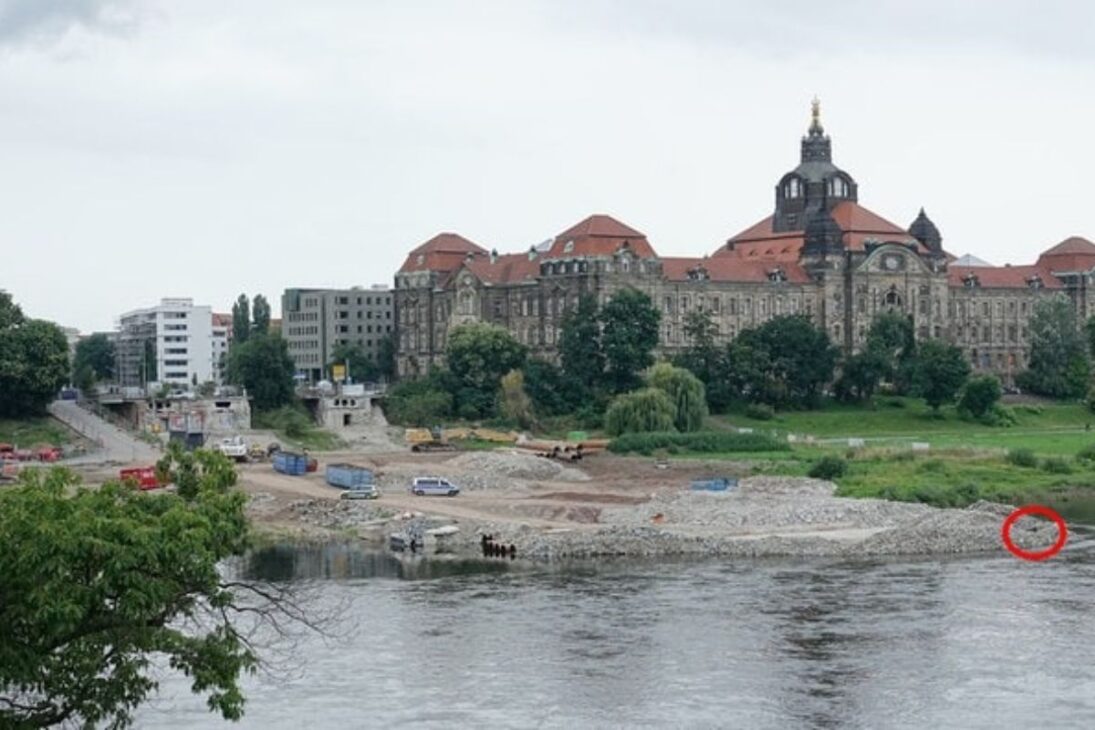
The bomb was located amid the rubble of the Carola Bridge, one of the main routes over the Elbe. Although the collapse occurred last year, the removal of the structure only began in 2025, when workers encountered the buried artifact.
-
The coldest region of Brazil will experience very hot weather in the first days of April, with maximum temperatures reaching up to 35 degrees in Rio Grande do Sul, and only in the last week of the month an intense cold front is expected to finally lower the temperatures in the South and Southeast.

-
Goodbye common refrigerator: essential appliance starts to gain competition with technology that preserves food for longer and reduces waste.

-
Germany discovers how to reuse old window glass without melting anything and can transform 220,000 tons per year into new high-performance panels, using material from nearly 150 million old windows that would be discarded.
-
China creates hypersonic engine that can make planes and missiles fly more than 6 times the speed of sound with less weight, more range, and without system change.


The evacuation was considered one of the largest security operations of the year in Germany, affecting central neighborhoods, tourist areas, and part of the urban infrastructure. The authorities’ recommendation was clear: leave the area until military experts finished the neutralization process, which could take several hours.
Is It Still Common to Find World War II Bombs in Germany?
Yes. Even nearly 80 years after the end of the conflict, thousands of unexploded bombs remain buried in German territory. They are often discovered during infrastructure works, urban excavations, or renovations in cities heavily affected by aerial bombings, such as Dresden, Cologne, and Berlin.
Just in June 2025, more than 20,000 people were evacuated from the center of Cologne after the identification of three simultaneous bombs, the largest operation since the end of the war in that city.
Why Do Bombs Still Pose Such a Risk?
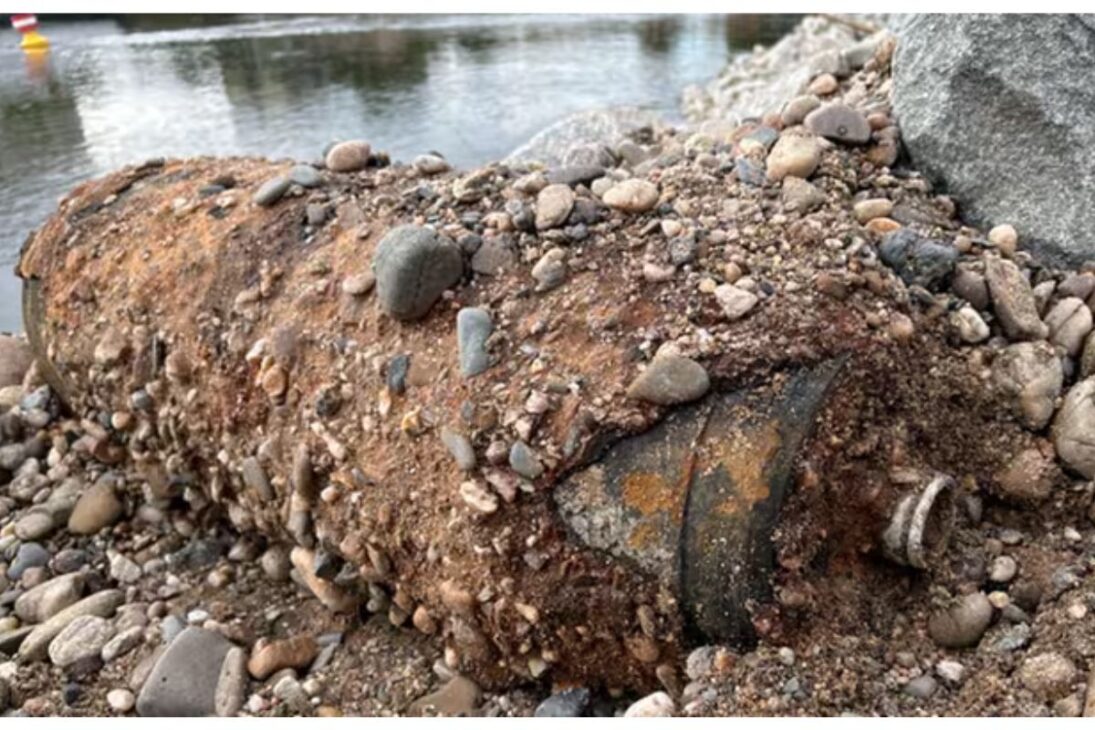
The risk of explosion continues even after decades, due to the unstable degradation of internal components. Many of these artifacts have sensitive chemical fuses, which necessitate the use of advanced disarmament techniques.
Additionally, in dense urban areas, the simple vibration from heavy machinery can be enough to trigger accidental detonations. Therefore, safe removal requires total evacuation of the risk zone, including hospitals, businesses, and tourist sites.
What Is the Symbolic Relevance of the Evacuation in Dresden?
Dresden is one of the symbols of destruction during World War II. The Allied air bombing in February 1945 devastated the city and killed tens of thousands of people, in one of the most controversial episodes of the conflict. The Frauenkirche, located in the evacuated area, was destroyed in the attack and rebuilt only after German reunification.
The discovery of the bomb so close to this church rekindles historical memories and demonstrates how the traumas of war still manifest physically in everyday European life.
Do you think governments should invest more in risk mapping before major works? Does the presence of these bombs still surprise you? Leave your opinion in the comments; we want to understand how you view this past that insists on emerging.






-

Uma pessoa reagiu a isso.