





 Portuguese
  English
  Spanish
  3 min of reading
  0 comments


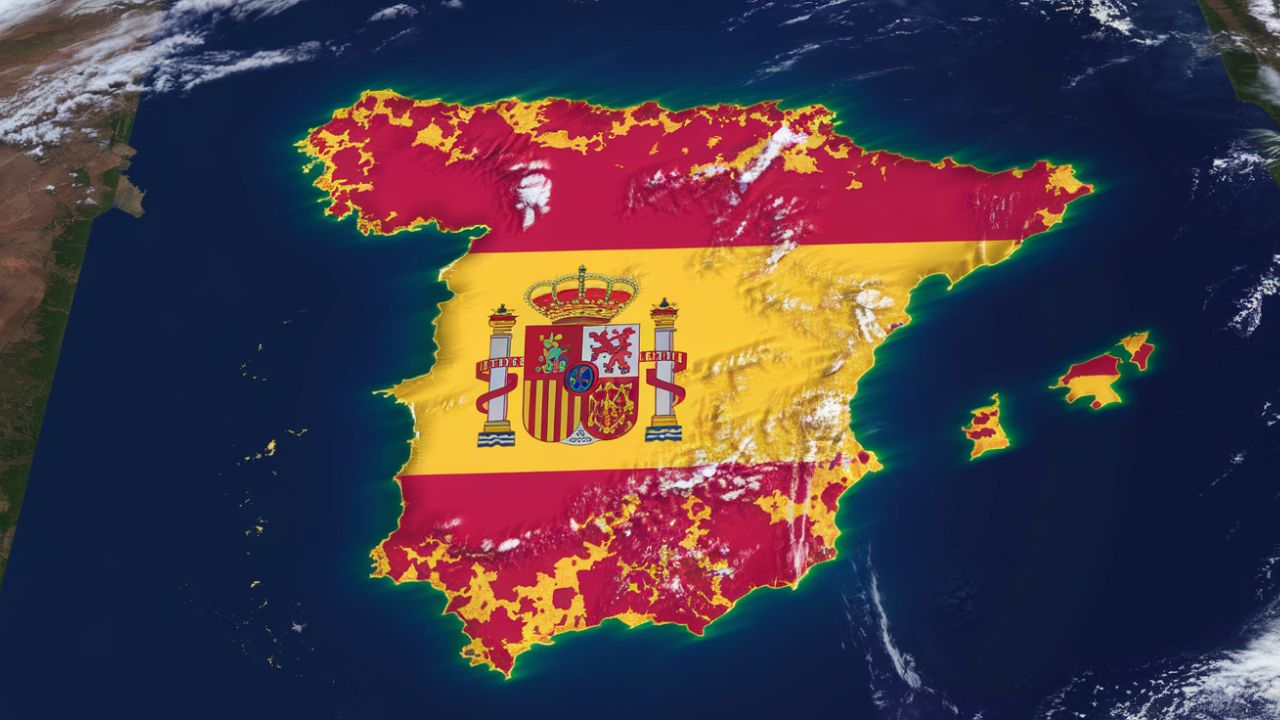
Australian Company Finds Large Concentrations of Lithium and Rubidium in Salamanca, Driving Its Stocks Up 21%. Lithium Is Essential for Electric Vehicle Batteries, While Rubidium Is a Strategic Metal Used in Defense and Telecommunications. Discovery Could Reduce European Dependence on China, but Environmental and Regulatory Challenges Still Need to Be Overcome.
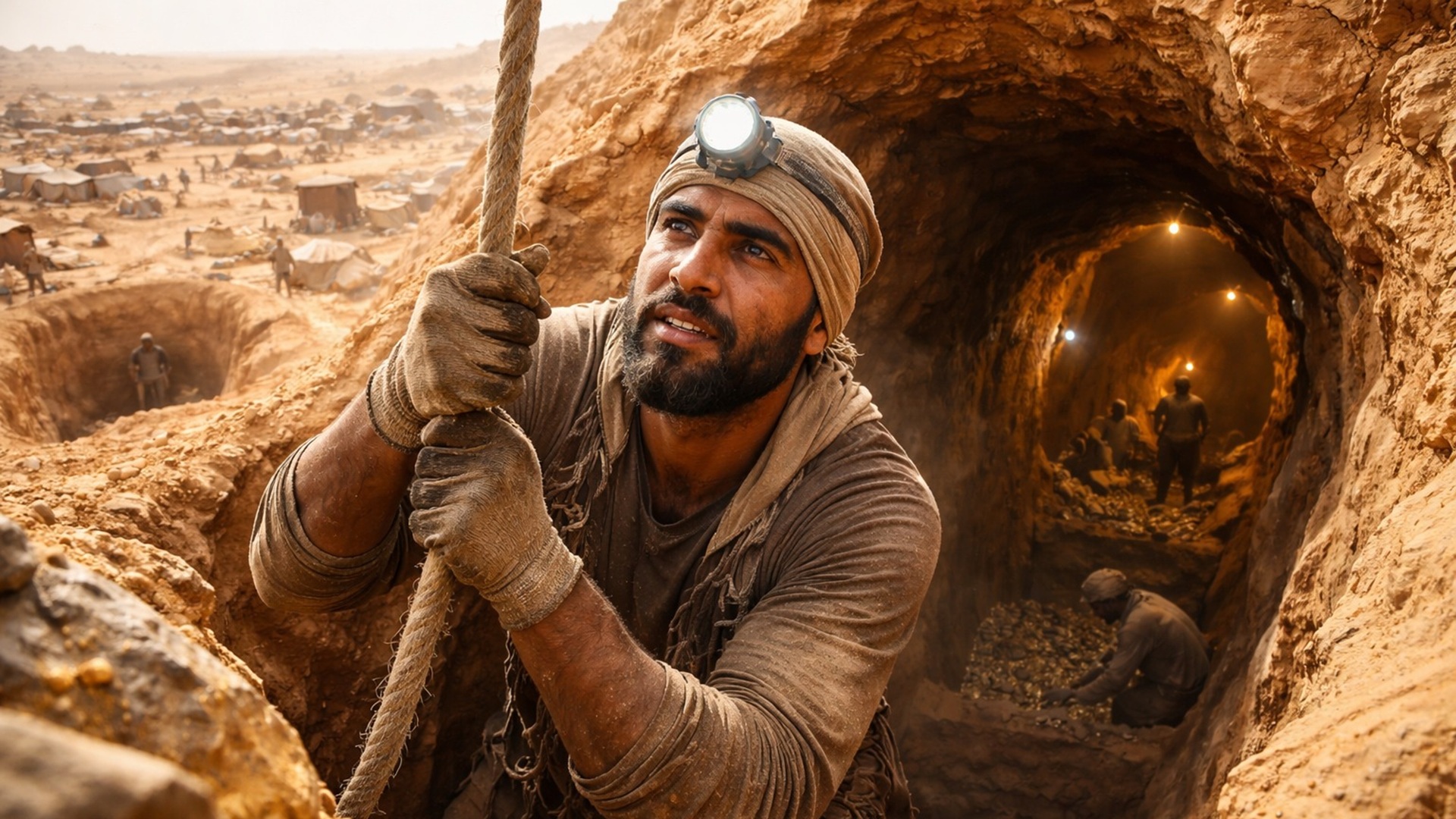
The Australian company Berkeley Energia made headlines by announcing a significant discovery of lithium and rubidium in the province of Salamanca, Spain. This discovery is part of the Conchas Project, which covers an area of 31 kilometers in Ciudad Rodrigo. And look at the impact: the company’s shares soared 21% on the Australian stock exchange!
But it’s not just about money. This discovery could be a game-changer. Lithium is an essential metal for the production of batteries for electronic devices and electric vehicles. Rubidium, although less known, is a true gem for strategic sectors such as defense and quantum computing.
Lithium and Rubidium Are the Metals of the Future

There’s a saying that lithium is the “white gold” of the 21st century, and it’s no surprise. It powers everything from our cellphones to electric cars and renewable energy systems that are shaping the future.
-
Brazil extracts 26.3 million tons of ore from what was previously treated as waste, transforming residues into wealth, producing over 3 million tons of sand, and demonstrating how national mining is relearning to generate value.

-
A $3.5 billion megaproject in Latin America pumps desalinated seawater at 1,050 liters per second over 194 km to keep a copper supermine in the Andes operational for another 20 years.
-
A hidden mine in the Andes valued at nearly R$ 1 trillion is starting to attract global attention, containing copper, gold, and silver, and raises an intriguing question: why do Argentina and Chile need to act together to exploit this gigantic wealth?
-
A silent discovery in the interior of Bahia could change the future of energy in Brazil: a uranium reserve in Lagoa Real has an estimated capacity to produce 400 tons per year and is already attracting the attention of energy sector specialists.
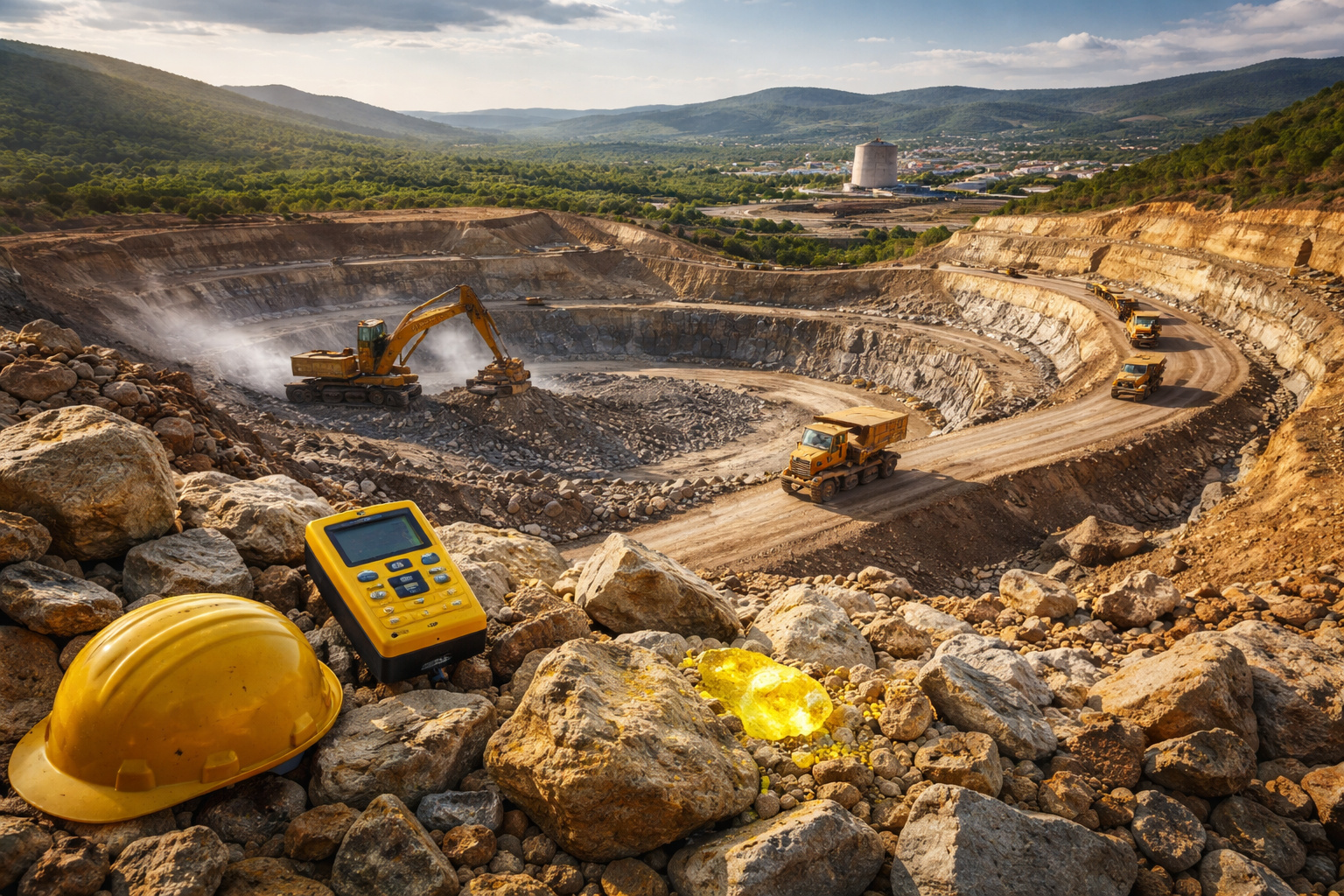

As for rubidium? This is indeed a rare and coveted metal! It is used in telecommunications, medicine, ion propulsion, and even in GPS systems and guided missiles. And here’s the detail: China dominates its global production, making this discovery in Salamanca even more important for Europe.
Next Steps for Berkeley: What to Expect?
The excitement is high, but hold on! There’s still a way to go before turning this discovery into actual mining. Berkeley Energia will ramp up drilling and conduct metallurgical tests to see if extraction is worthwhile.
Expectations are that results will be out this quarter. If they’re positive, Salamanca could be marked on the map as one of Europe’s main hubs for lithium and rubidium extraction. Now we just have to wait and see!
Other Discoveries in the Region
And it doesn’t stop there! Another Australian company, Essential Metals Limited, also found high-quality lithium in Villasrubias, another town in Salamanca. Previously focused on tin extraction, now the region is gaining the spotlight for its mineral wealth.
The European Union already recognizes Salamanca as a strategic location for mining essential raw materials. With the demand for these materials only growing, this could be Europe’s chance to reduce its dependence on China and Congo.
The Challenges of Extraction and Environmental Impact
Not everything is smooth sailing. Despite the incredible potential, the extraction of lithium and rubidium raises environmental and regulatory concerns. Berkeley Energia has had clashes with the Spanish government in the past, mainly regarding uranium exploration. And now? Will history repeat itself?
Lithium mining requires a high water consumption and can release heavy metals into the soil. In Ávila, Spain, similar projects have already been blocked due to environmental issues. To avoid this fate, Berkeley will have to prove that its operation will be sustainable and will not harm local communities.








Seja o primeiro a reagir!