





 Portuguese
  English
  Spanish
  3 min of reading
  2 comments


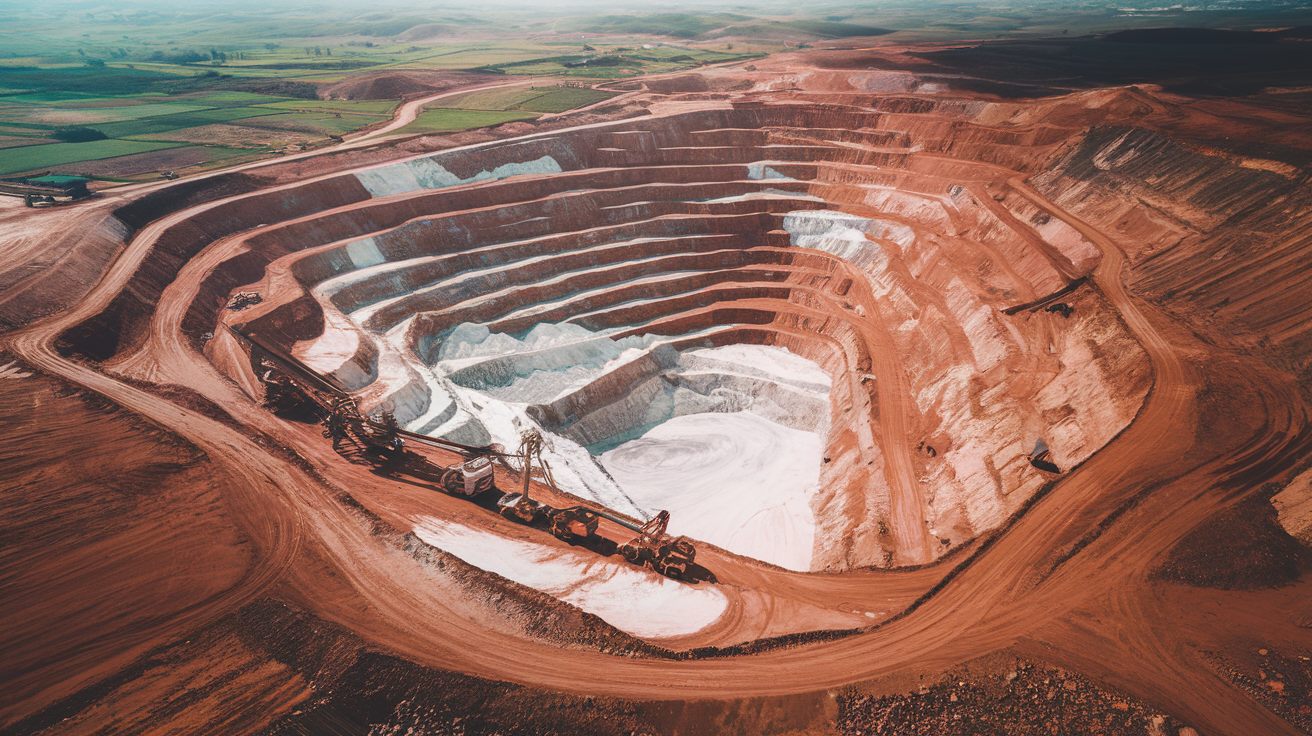


Largest Potash Mine in Brazil Takes Shape in the Amazon and Promises to Revolutionize Agribusiness. With Billion-Dollar Investments, Project Seeks to Drastically Reduce the Country’s Dependence on Imported Fertilizers.
The largest potash mine in Brazil is under construction just a few kilometers from the Amazon Rainforest, near the city of Autazes, in the state of Amazonas. This ambitious project, led by Potássio do Brasil, has the potential to transform the national agribusiness by drastically reducing dependence on imported fertilizers, which currently account for about 85% of consumption in the country. Potash is an essential nutrient for agriculture and plays a crucial role in food production. With the completion of this venture, Brazil could increase its self-sufficiency, strengthen its position in the global market, and reduce costs for rural producers, further boosting the agricultural sector, one of the main forces of the Brazilian economy.
Learn Who Is Behind the Project That Will Change Brazilian Agribusiness
The person behind the venture that promises to end the dependence on fertilizers for Brazilian agribusiness is Stan Bharti, an Indian-Canadian businessman who has ventured into mines in Africa, Mongolia, and Canada, being recognized as one of the largest operators of natural assets in the world.


The businessman, who has already invested US$ 250 million in the largest potash mine in Brazil, is no stranger to the country. One of his major achievements was the Jacobina gold mine, located in the state of Bahia. Stan also bought a mine from Anglo American in 2002 for a much lower price than expected, turned the asset around and then resold it to Yamana Gold for over US$ 700 million.
-
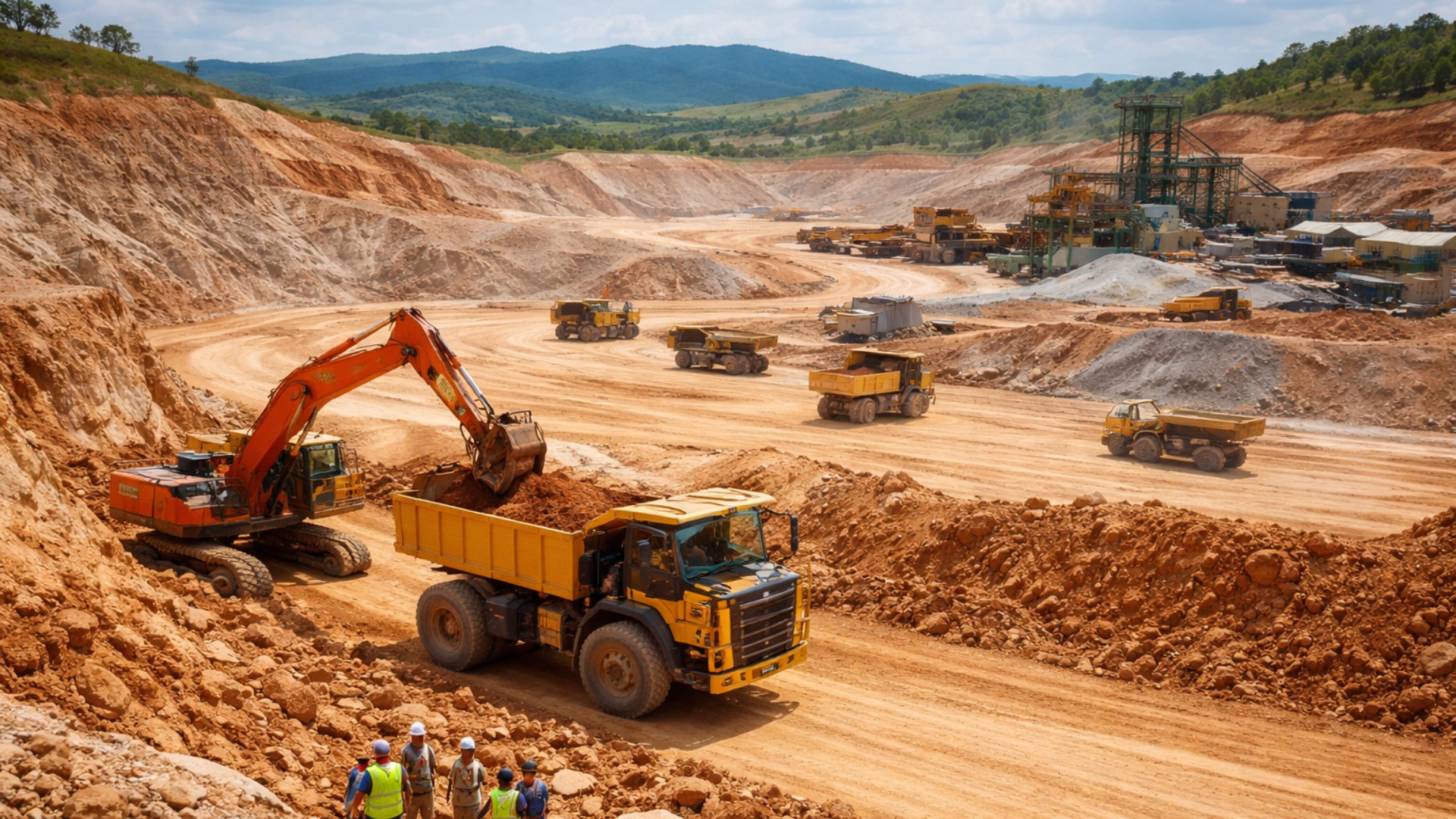
After China, it’s now the turn of the USA to ‘secure’ a share of Brazil’s natural resources: the country buys critical rare earths for R$ 3 billion and enters the center of the global technology dispute.
-
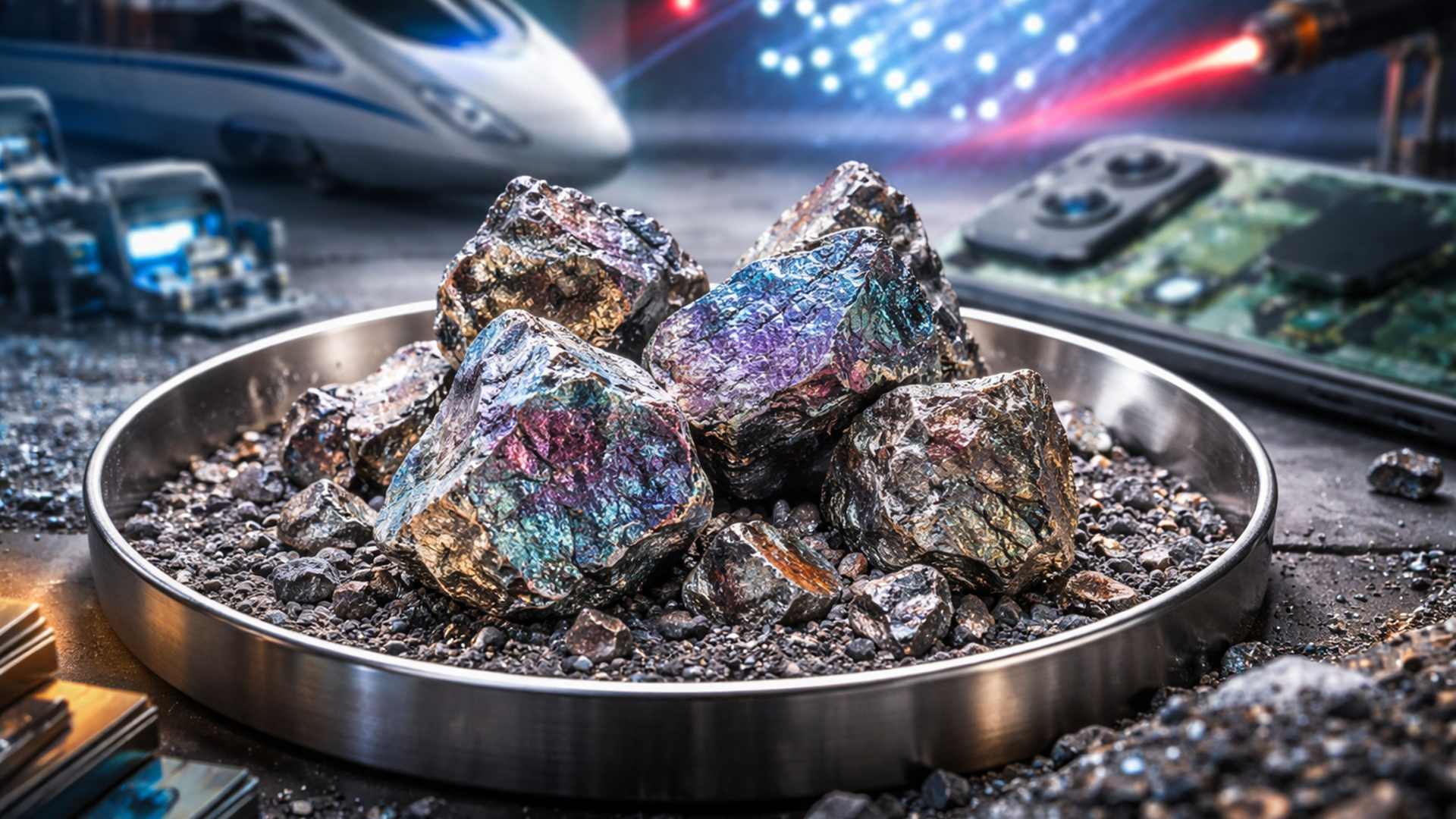
Rare earths are in everything, from cell phones to bullet trains, and what almost no one realizes is why they have become the target of such a delicate global war.
-
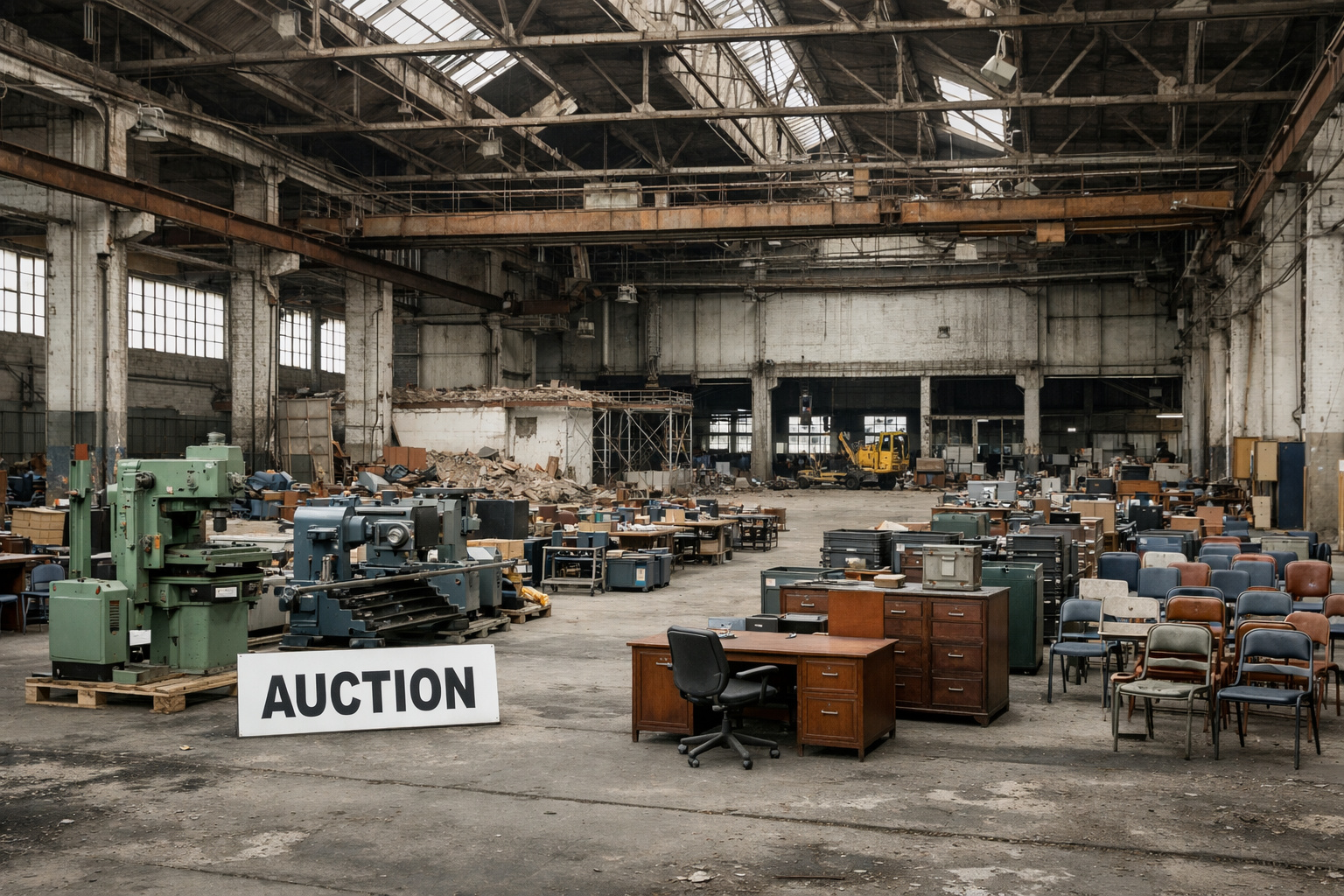
Historic bankruptcy of Centauro shocks the market, and the century-old company puts more than 500,000 products, machines, and complete infrastructure up for online auction.
-
Brazil extracts 26.3 million tons of ore from what was previously treated as waste, transforming residues into wealth, producing over 3 million tons of sand, and demonstrating how national mining is relearning to generate value.
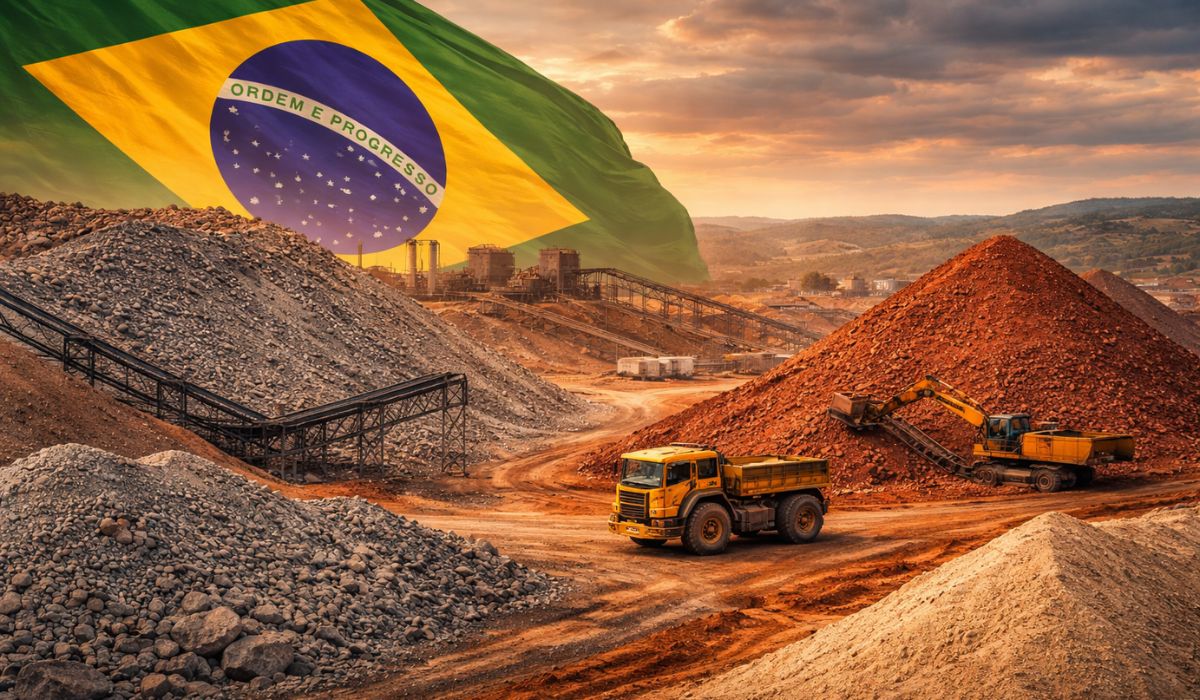

According to the businessman, despite many Brazilians disagreeing, the country is a fantastic place to invest. A few months ago, Brazil Potash began construction of the largest potash mine in Brazil, which will house extraction, refining, disposal, and mineral flow plants, as well as a port, helping to reduce the dependence on fertilizers for Brazilian agribusiness.
Largest Potash Mine in Brazil Has Already Received Billion-Dollar Investments
The venture for the fertilizer sector began to take shape around the same time the businessman acquired the Jacobina mine.
In 2008, the businessman acquired from Petrobras the rights to geological studies and exploration he had conducted in the region, which contains a potash mine. Since then, Stan has gone through all the processes to obtain the licenses and build the venture, a process completed last year.
The capex to complete the first phase of the largest potash mine in Brazil, which revolutionizes fertilizers, is US$ 2.5 billion, which Brazil Potash will primarily finance with debt. The expectation is to raise US$ 1.7 billion in project finance, potentially including a line with BNDES, and to raise another US$ 400 million in equity with a follow-on in the future.
The company is also anticipating investments of US$ 150 million in royalties for the largest potash mine in Brazil, along with a major company in the field, and will finance the transmission line separately, raising US$ 200 million.
When Will the Project to Change Brazilian Agribusiness Be Ready?
The project, which promises to revolutionize fertilizers in the country, has strategic relevance for Brazil. When the first phase is ready, in 2028, the mine will produce 2.4 million tons annually, equivalent to 20% of the country’s total potash demand.
Brazil imports 13 million tons of potash annually, being the largest consumer of this commodity in the world due to the strength of Brazilian agribusiness.
In Phase 2, which is expected to be completed in 2032, the largest potash mine in Brazil should reach 5 million tons per year, supplying 40% of the national fertilizer demand. According to Stan, Brazil currently imports 97% of all the potash it uses from countries like Belarus and Canada. To continue feeding the global market, Brazil needs to change this and reduce this dependence.
Source: Brazil Journal









E, eu estou pronto para trabalhar em Autazes
Estamos no Brasil do lula e do taxxad então sabendo que vai ser mais barato importar do que comprar o nacional essa reserva de potássio vai é ser toda exportada…