





 Portuguese
  English
  Spanish
  4 min of reading
  0 comments


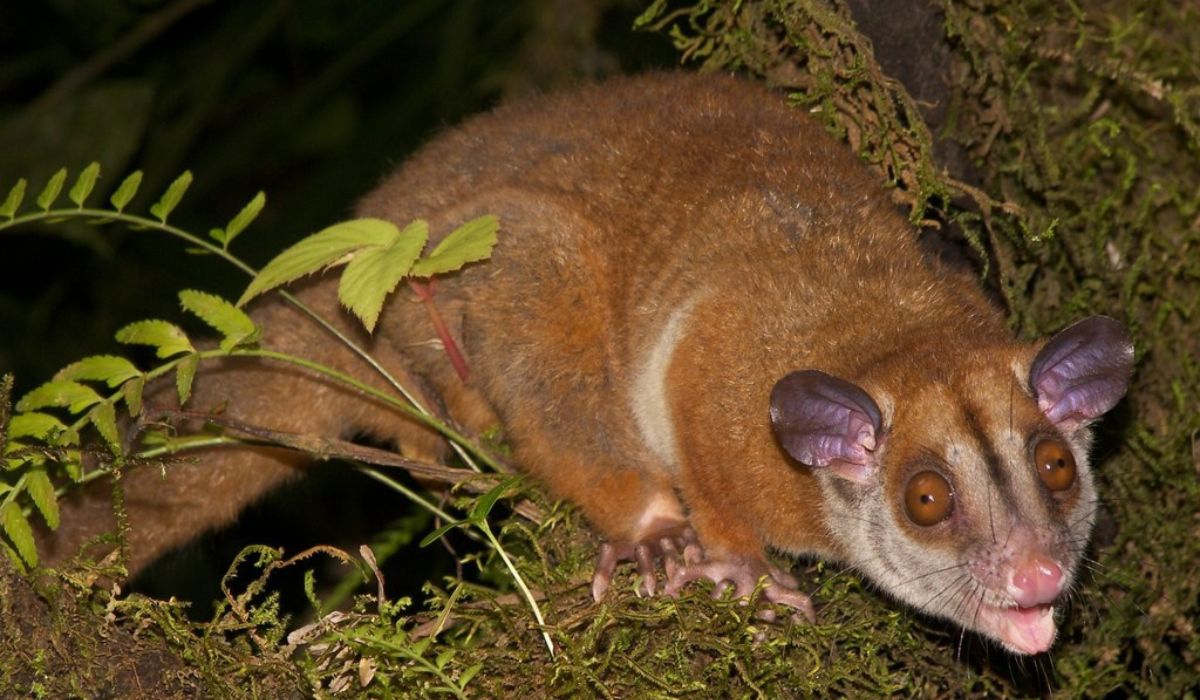
Scientific Monitoring in the Paraopeba Basin Expands Knowledge About Local Fauna and Records Species Not Yet Documented in the Region, Using Data to Guide Conservation and Environmental Recovery Actions After Impacts Caused by Dam Breaches in Minas Gerais.
A biodiversity monitoring program in the Brumadinho region and the Paraopeba River basin in Minas Gerais recorded seven species of non-flying small mammals that had not yet been documented in the area.
The initiative brings together researchers from Minas Gerais universities and teams connected to Vale, with oversight from public agencies, and aims to produce data to guide conservation actions and support environmental recovery in sections affected by dam breaches.
The registered animals include rodents and small marsupials, usually weighing less than 1.5 kilograms.
-
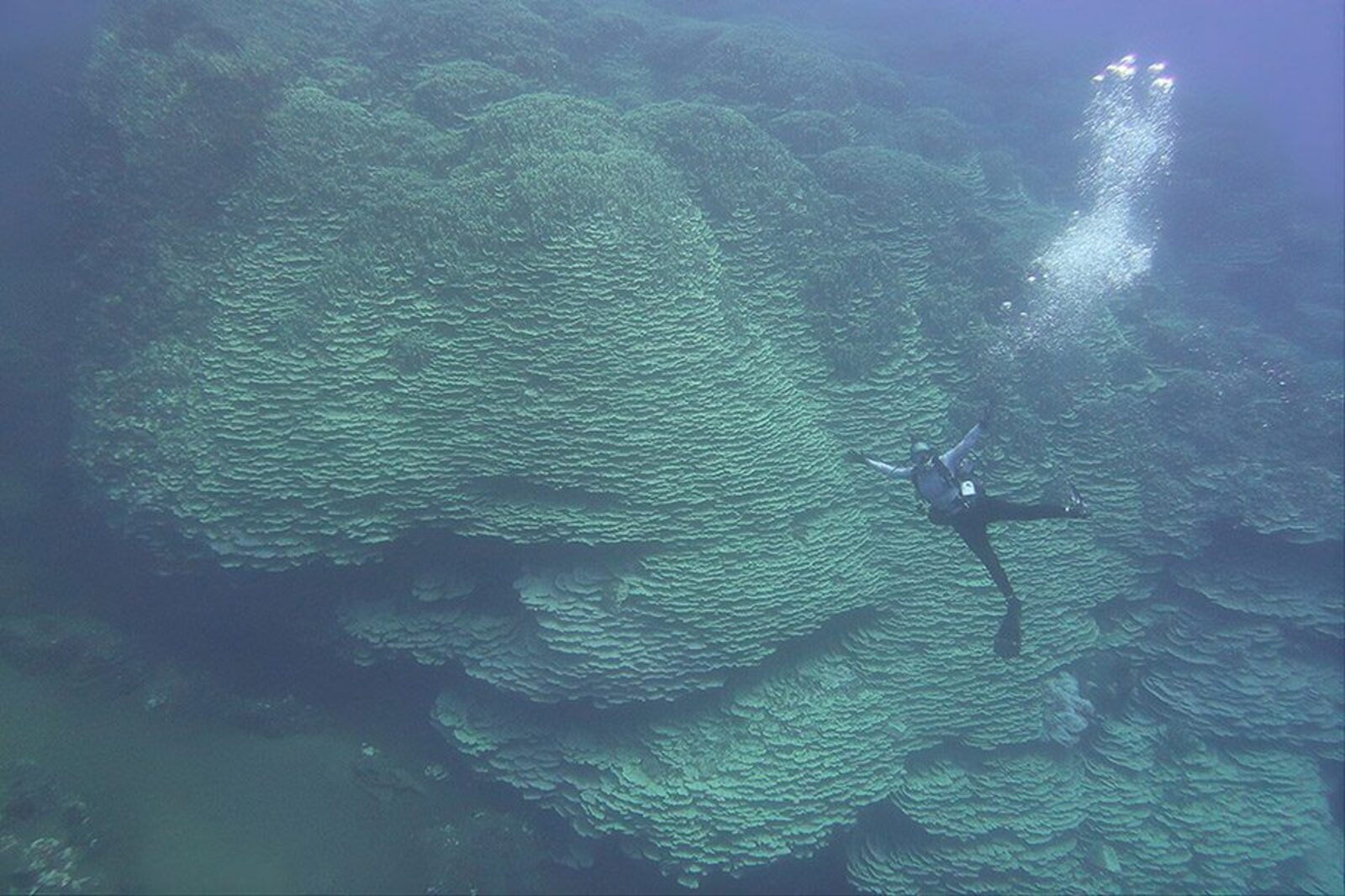
At the bottom of the sea, scientists have found a true underwater cathedral measuring 62 meters at the base, 31 meters at the top, and 1,347 square meters of giant coral in the Maug Islands, estimated to be 2,050 years old.
-
Surrounded by the sea, the airport will have a system to prevent airplanes from falling into the water; technology will be installed in Ilhéus (BA), with an investment of R$ 70 million.

-
With a cost per shot close to zero, the DragonFire laser could change naval warfare in 2027 and provide British ships with nearly unlimited defense against drones.

-
A British startup creates tires that generate electricity in electric vehicles when passing over potholes, speed bumps, and cracks.

According to specialists involved in the study, this group is relevant for the functioning of tropical ecosystems as they participate in processes such as seed dispersal and the reconstitution of natural environments.
Consolidated data indicate that Brazil houses 299 species from this group, comprising 230 rodents and 69 marsupials.
Fauna Monitoring Reveals New Species After Four Years
When the monitoring began, 15 species of non-flying small mammals were known in the Brumadinho region.
Over four years of field campaigns, researchers confirmed the presence of all these species and recorded, for the first time in the area, another seven, expanding the local inventory without eliminating previous records.
This survey is part of a broader effort for aquatic and terrestrial monitoring in the Paraopeba basin.
According to those responsible, the proposal is to evaluate the distribution of fauna in remaining fragments and in areas undergoing restoration, creating a comparative base for future analyses.
Mammal Species Registered for the First Time in the Region
Among the new records are four marsupials: woolly opossum, graceful opossum, short-tailed opossum, and four-eyed opossum.
The species were scientifically identified as Caluromys philander, Gracilinanus agilis, Monodelphis kunsi, and Philander quica.
Three rodents were also identified: Bibimys labiosus, Calomys tener, and Cerradomys scotti.
According to researchers, some of these species are associated with forest environments, while others are more frequently found in open areas, which helps characterize the diversity of habitats present in the monitored region.

Small Mammals Are Used as Environmental Indicators
Researchers involved in the project state that small rodents and marsupials perform important functions in ecosystems, such as participation in food chains and seed transport.
For this reason, the occurrence of these species is often used as one of the indicators to evaluate environmental recovery processes.
By mapping the presence of these animals in different fragments, monitoring seeks to establish parameters to track the occupation of the areas over time.
The expectation, according to scientists, is that this data will help adjust restoration strategies when observed results fall short of expectations.
Biologist Cristiane Cäsar, a biodiversity specialist, stated to Correio Braziliense that the recording of new species expands scientific knowledge about the local fauna.
In a statement reproduced in the project material, she said that “the expansion of scientific knowledge alone is already a significant result.”
“The presence of these and other species indicates that the wildlife remains in the surroundings and tends to recolonize areas undergoing recovery.”
According to Cäsar, understanding which species occur in different fragments allows the establishment of indicators and goals to evaluate the occupation of restored areas.
She stated that this type of information can support management strategies aimed at ecological connectivity when the need for specific interventions is identified.
Species Adaptation Indicates Diversity of Environments
According to researchers, the identified species exhibit distinct habitat use patterns.
Some are more associated with Atlantic Forest areas and seed dispersal.
Others are more common in Cerrado formations and open areas, as is the case with Calomys tener.
This composition, according to specialists, helps understand how fauna responds to environments with different levels of alteration.
Through continuous monitoring, the team intends to analyze the occurrence and abundance of species over time, using this data to assess the dynamics of recolonization.
Adriano Paglia, an associate professor in the Department of Genetics, Ecology, and Evolution at the Federal University of Minas Gerais, stated that monitoring bioindicator species allows detailed tracking of area recovery.
According to him, this type of analysis enables adjustments in recovery strategies according to patterns observed in the field.
In another statement, Paglia emphasized that expanding knowledge about the biodiversity of small mammals in an area impacted by dam breaches is important for understanding environmental regeneration processes.
He highlighted that, even in affected areas, the presence of a relatively diverse community of these animals was recorded.
Environmental Recovery After the Breach in Brumadinho
The breach of the Córrego do Feijão Mine dam occurred in January 2019.
According to information from the Minas Gerais government, about 12 million cubic meters of tailings were discharged into the environment.
The disaster caused 272 deaths and generated environmental and socioeconomic impacts throughout the Paraopeba River basin.
Within the scope of the judicial agreement signed in February 2021, the state government established a Socio-Environmental Recovery Program without a financial cap.
The initial estimate foresees R$ 5 billion for environmental reparations.
The plan establishes the comprehensive reparation of damages, including those identified after the agreement’s signature.
The affected areas were divided into seven distinct sections, which are still being evaluated by environmental agencies.
In this context, those responsible for biodiversity monitoring inform that field campaigns are set to continue.
The intention is to track the occupation of restoration areas and observe how the recorded species use these spaces over time, providing technical subsidies for environmental management actions.







-

-

-

-

-

-

202 pessoas reagiram a isso.