





 Portuguese
  English
  Spanish
  4 min of reading
  0 comments


Wave by Wave: How Ocean Energy Can Power Brazil’s Future
Imagine a country where the sea, in addition to being a source of beauty and biodiversity, also transforms into clean and constant electricity. This is the proposal of wave energy — also called wave energy — which has been gaining ground on the international stage. And Brazil, with one of the largest coastlines in the world, may be facing a gigantic energy opportunity.
Next, we dive into this technology and show how it can be harnessed in Brazil, what the challenges are, the experiences already carried out, and what still needs to be done to turn waves into a strategic national electric source.
What Is Wave Energy and How Does It Work
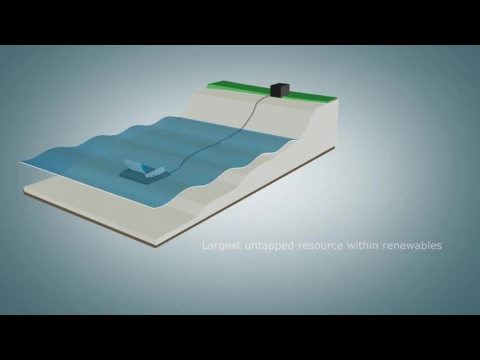
Wave energy is generated from the natural movement of ocean waves. Unlike tidal energy, which depends on variations in sea level between high and low tide, wave energy harnesses the continuous movement of undulations on the water’s surface. These movements are converted into mechanical energy by specific equipment, which in turn generates electricity.
-
They were brilliant! Scientists discover that our ancestors in China were already making super advanced tools 160,000 years ago, changing everything we knew.

-
Scientists unveil 3 million years of climate secrets hidden in the ice of Antarctica.

-
Sleeping at different times each day can be a bomb for your heart and even double your risk of having a heart attack.

-
Ancient farmers created “aggressive plants” that changed nature forever.


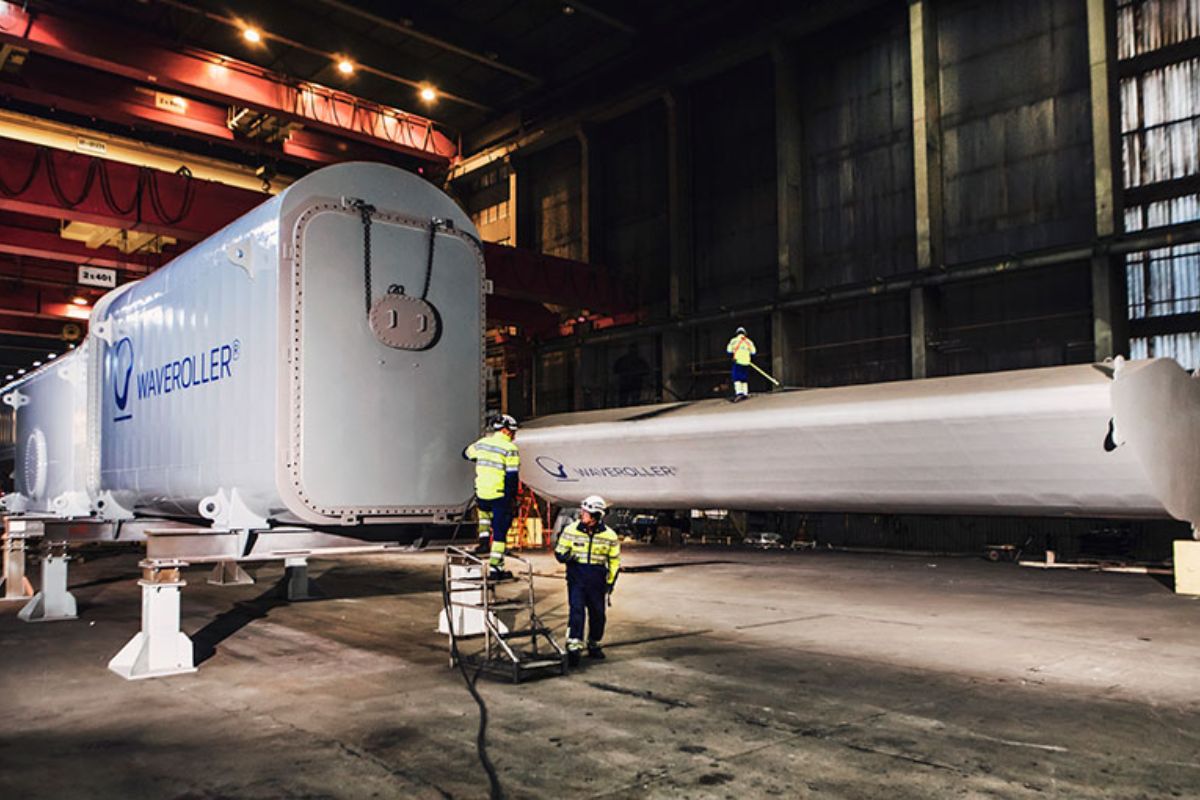
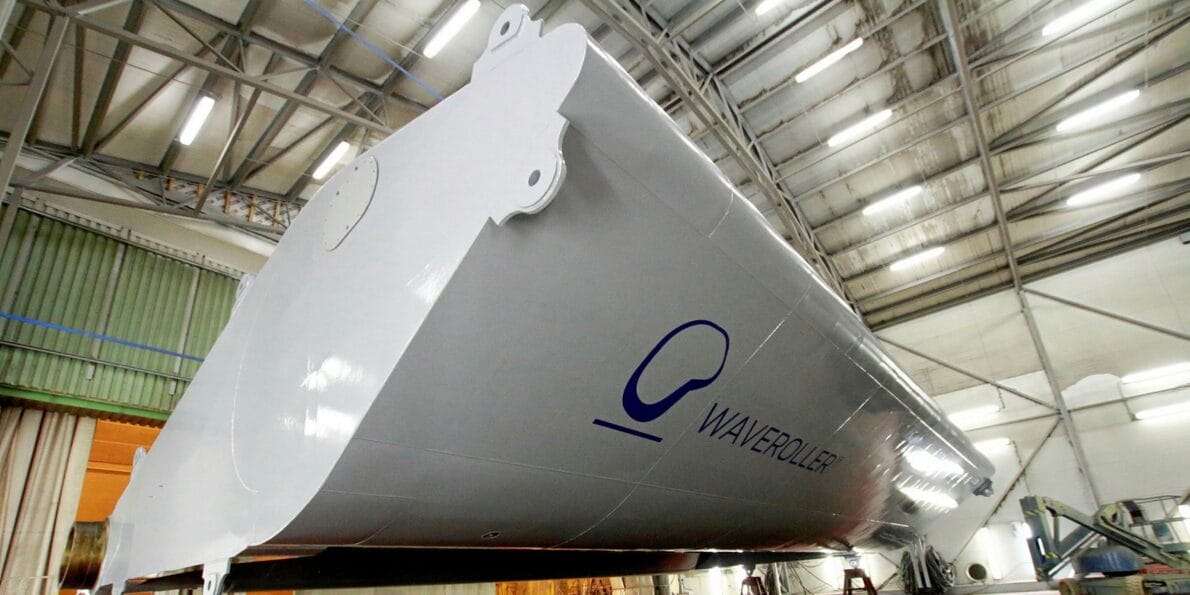
One of the most promising technologies in this field is the WaveRoller, developed by the Finnish company AW-Energy. The device operates submerged, between 8 and 20 meters deep, and moves back and forth with the swell of the waves. This movement activates a hydraulic system that generates electricity. The project was successfully tested off the coast of Portugal, one of the leading countries in the use of this type of energy.
In addition to support from the European Union through the WaveFarm project, AW-Energy’s technology is being adapted for industrial-scale production, aiming to create true “submarine farms” for electricity generation.
Has Brazil Tested This Idea?
Yes, Brazil has already had experiences with wave energy. One of the most relevant projects was the Pecém Wave Power Plant, in Ceará, created by COPPE/UFRJ in partnership with the state government and Tractebel Energia. Launched in 2012, this pioneering plant generated about 100 kW, enough energy to power 60 homes.
Despite the innovative proposal, the project faced technical and financial difficulties, leading to the suspension of its operations in 2016. In 2017, COPPE resumed research with new partners, including the company Seahorse Wave Energy, and with the support of Furnas, began constructing a new model on the coast of Rio de Janeiro. The proposal is to test new ways to convert wave movement into electric energy more efficiently and durably.
More information about the project can be read in this article from ASMETRO-SN.
Brazil’s Potential Is Huge — And Still Underexplored
With over 8,500 km of coastline, Brazil has a privileged position to explore this type of technology. According to a study by the National Institute for Space Research (INPE), the country has coastal regions with high energy potential, especially the northern coast, where wave intensity is more consistent.
According to CNN Brasil, the coastline of Amapá is one of the most promising areas for the installation of devices like the WaveRoller. This is due to the consistency and strength of the waves, which ensure better energy utilization.
A survey by the consultancy B2Finance indicates that Brazil could generate up to 87 gigawatts of energy through marine sources — which represents more than the entire installed capacity of hydropower plants like Itaipu. The study can be checked at this link.

But Why Haven’t We Made Progress Yet?
The main obstacle is cost. Despite being clean and renewable, wave energy still faces engineering and maintenance challenges. The marine environment is hostile to equipment: saltwater corrodes metals, fauna can interfere with machine operations, and storms can damage systems. All of this increases project costs and requires highly resistant technology.
Another factor is the lack of public policies and continuous investments. While European countries have structured government support, in Brazil most projects depend on universities, research centers, and private companies.
Furthermore, Brazilian environmental and maritime legislation still needs to adapt to facilitate the installation of structures at sea, ensuring legal security for investors and protecting the ecosystem.
A Strategic Opportunity for the Future
Even with all these challenges, industry experts argue that Brazil should invest more heavily in this technology. The country is already a leader in hydropower, has been growing in the solar and wind sectors, and could now also become a hub for innovation in marine energy.
The decentralization of electricity generation through coastal power plants would also benefit isolated communities and reduce distribution losses. And in a world where decarbonization has become a global goal, every alternative that replaces fossil sources is welcome — especially if it is literally knocking on our door in the form of waves.








Seja o primeiro a reagir!