





 Portuguese
  English
  Spanish
  3 min of reading


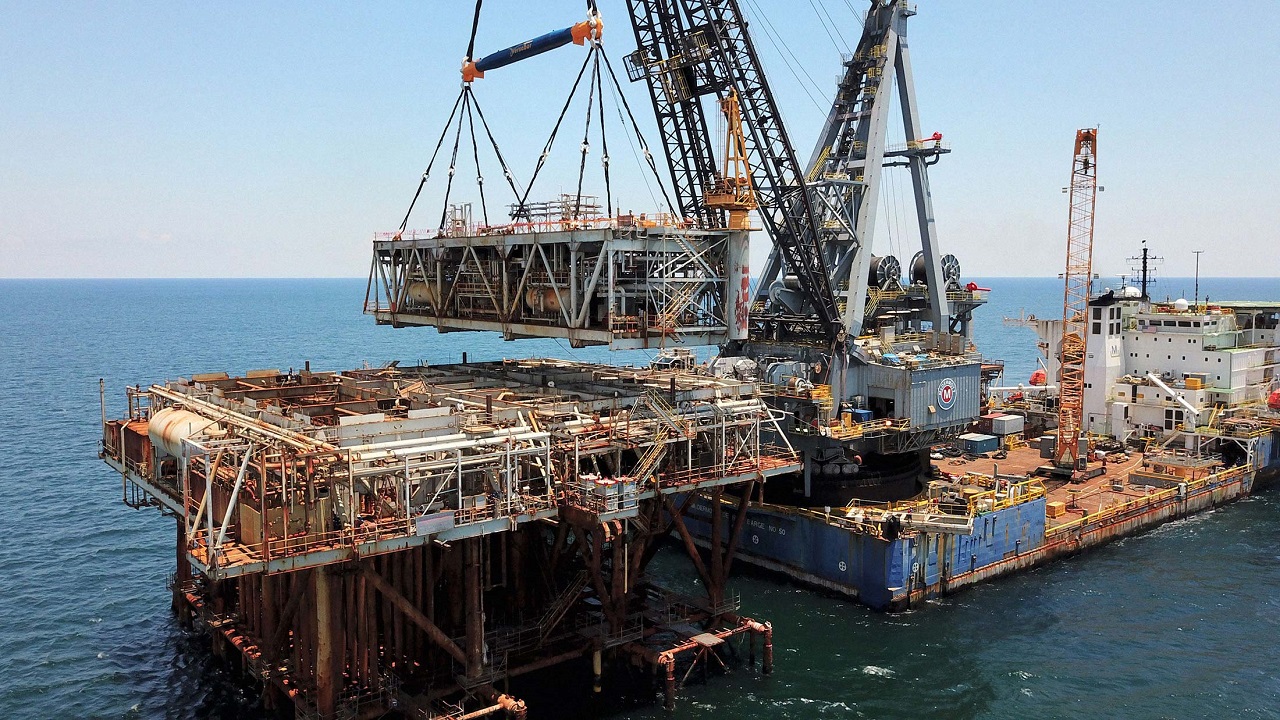
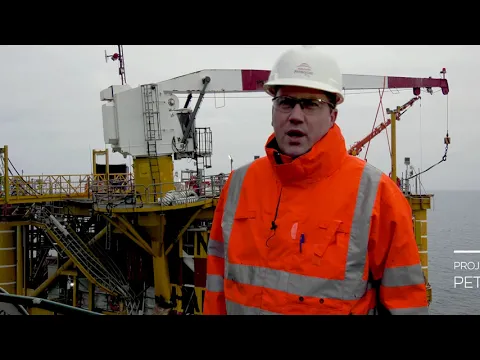
Understanding the Decommissioning of Oil Installations Through Felipe Kury, Former Director of ANP
The decommissioning of oil installations involves restoring the operational site, making it safe and as close to its original state as possible. This includes halting the operation of the facilities, permanently abandoning wells, removing installations, and properly managing materials, waste, and discard. The main focus is the environmental recovery of the area.
The Role of ANP and Challenges in Brazil
The National Agency of Petroleum, Natural Gas and Biofuels (ANP) is responsible for regulating and overseeing decommissioning activities in Brazil, along with other environmental agencies.
The challenge is to ensure preservation and operational safety during the process, which can take several years and require significant logistical, financial, and administrative resources.
-
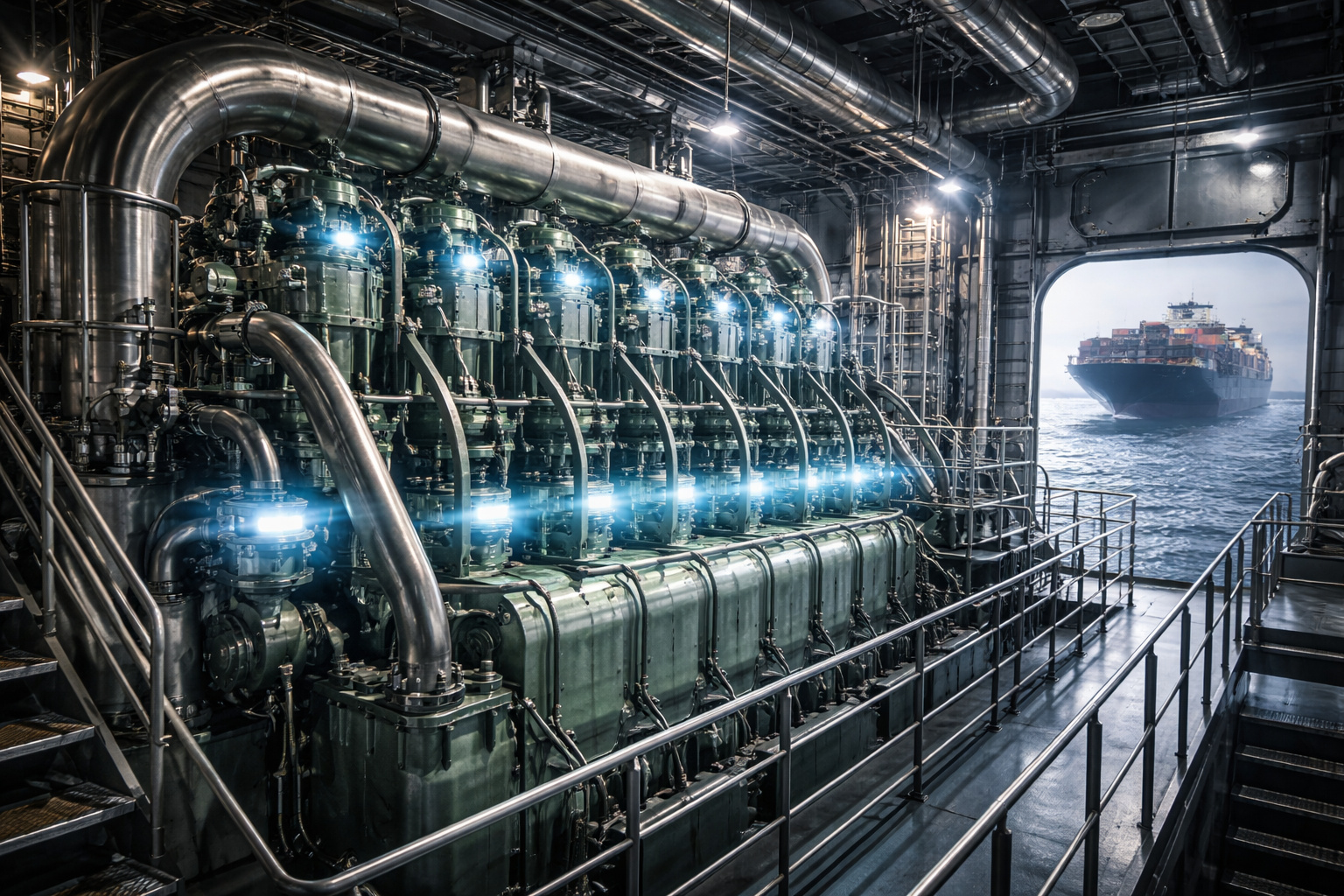
Europe is trying to create an ammonia-powered marine engine without auxiliary fuel, which could unlock the race for giant emission-free ships. The technology aims to eliminate one of the biggest obstacles to clean maritime propulsion.
-
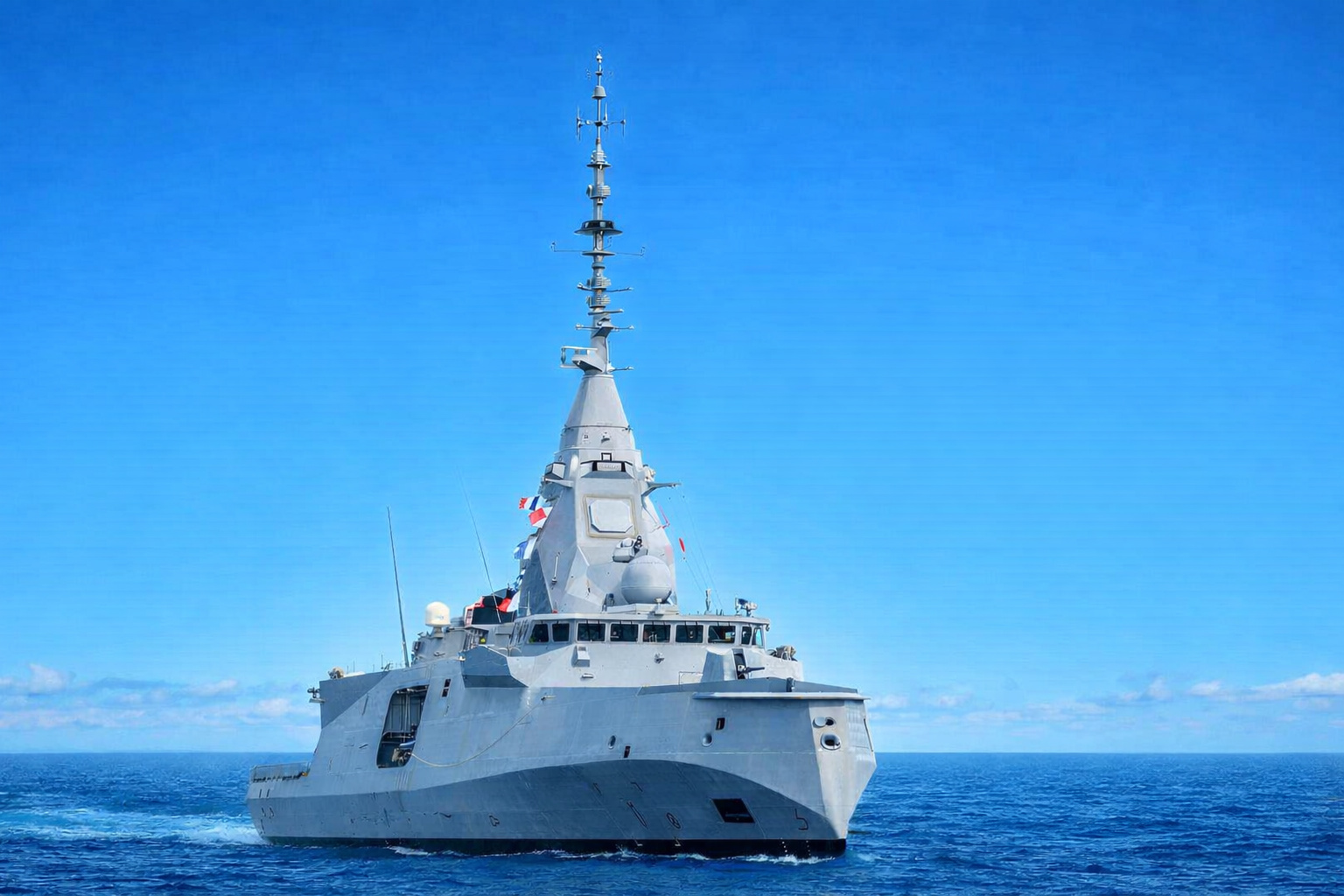
A 4,500-ton frigate with just over 100 crew members, state-of-the-art radar, and cruise missiles is being touted as the new standard of naval warfare in the 21st century.
-
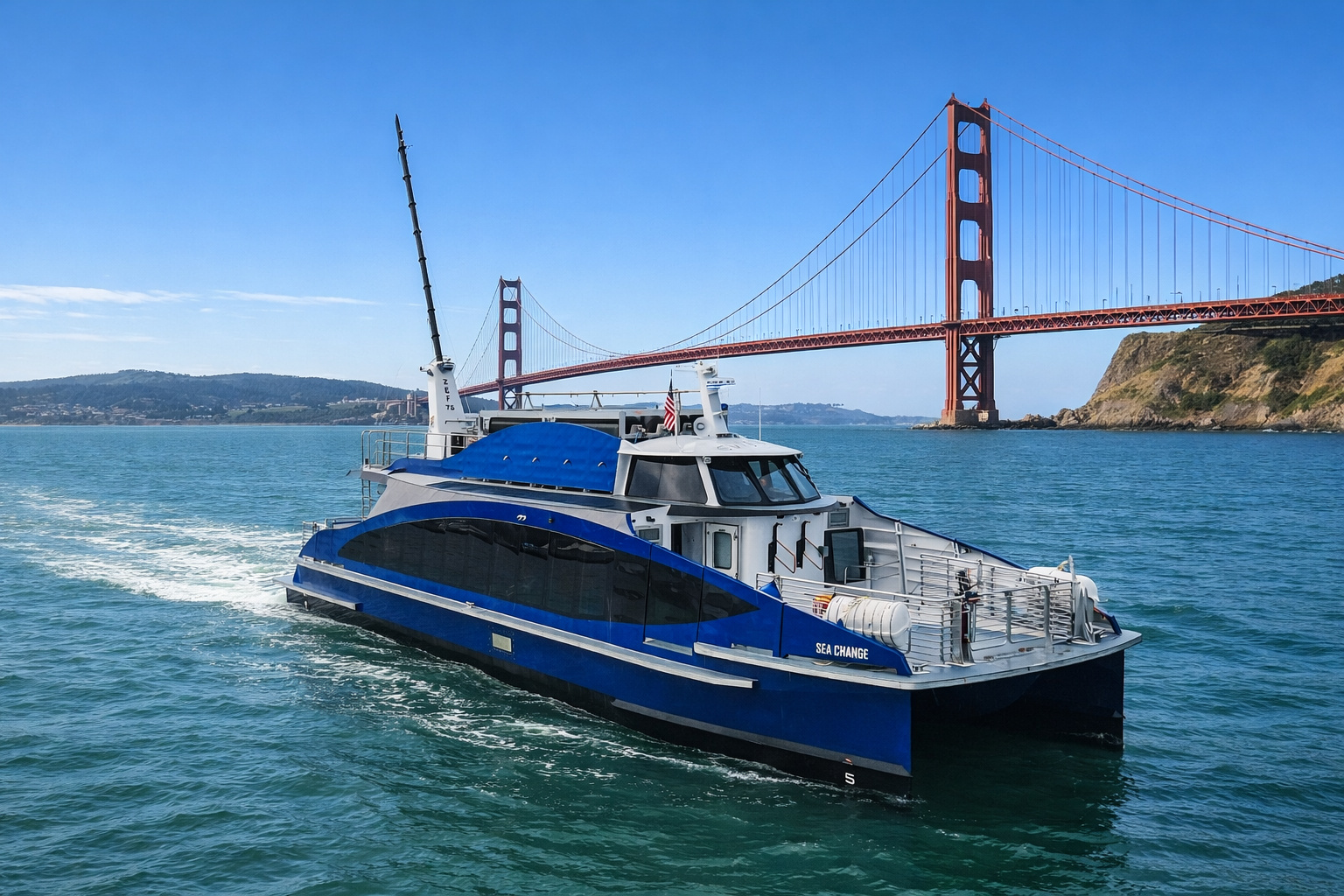
The first commercial hydrogen-powered ferry enters operation in the U.S., eliminates the use of diesel, uses fuel cells to generate clean energy on board, and transforms San Francisco Bay into a landmark of the new era of emission-free navigation.
-
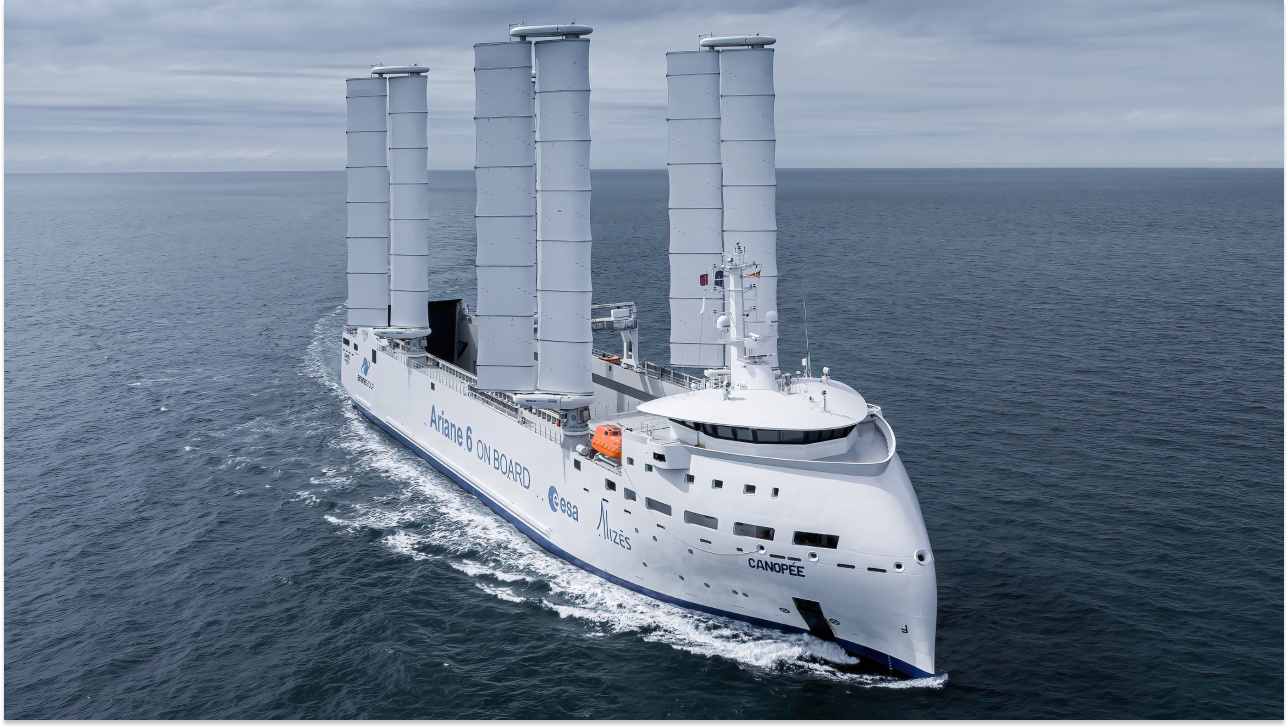
With a length of 121 meters and four rigid sails of 36 meters that automatically rotate to capture the wind, Canopée is the world’s first hybrid industrial cargo ship powered by wind, used to transport rockets and reduce fuel consumption by up to 30% on transoceanic routes.


According to ANP, between 2022 and 2026, the projected investments for decommissioning activities are estimated at around R$ 51.5 billion, with most concentrated in the maritime environment.
The basins that concentrate most of these activities are Campos, Sergipe, Santos, Potiguar, and Recôncavo.
Geographical Challenges and Limited Experience
The majority of relevant Brazilian oil fields are located in deep or ultra-deep waters, requiring specialized and complex infrastructure.
Moreover, the decommissioning industry in Brazil is still developing, especially compared to other regions like the North Sea and the Gulf of Mexico, which limits the country’s experience in large-scale projects.
One of the main challenges is legislation that involves many public agents and specific regulations. The complexity of the activity and the regulations from environmental agencies still lack objectivity, simplicity, and speed, which may inhibit new investments.
Another concern is the requirement for total or partial removal of installations, especially in deep and ultra-deep waters, where the environmental impact of removal could be greater than leaving them in place.
Opportunity for Brazil in the Shipbuilding Industry
Responsible and efficient decommissioning, aimed at appropriately directing production units and subsea structures, tends to increase significantly in the coming years.
Brazil has the opportunity to take a position of prominence in the shipbuilding industry, provided it builds a long-term strategic vision and promotes coordination among public agents, ensuring legal security, predictability, and stability to attract new investments.
In some cases, oil platforms can be repurposed for other uses, such as artificial reefs, meteorological stations, research centers, power production sites, and CO2 storage, among others.
This presents additional opportunities for the shipbuilding industry and for Brazil to leverage the potential of decommissioning oil installations.
Strengthening Local Infrastructure and Capacity
To fully capitalize on the potential of the decommissioning sector, it is crucial for Brazil to invest in the development of infrastructure and local capacity.
This includes forming partnerships with specialized foreign companies and technology transfer to help the local industry grow and become more competitive on the global stage.
Socioeconomic Impact of Decommissioning
The decommissioning industry can generate jobs and contribute to economic growth in Brazil. The demand for specialized services and the creation of new business opportunities can drive the development of new skills and the generation of quality jobs in the shipbuilding and related sectors.
Responsible decommissioning is essential to ensure environmental sustainability as the lifespan of oil fields and platforms in Brazil nears its end.
Proper planning and allocation of financial resources are critical to ensure that decommissioning activities are carried out efficiently and with minimal environmental impact.
Fostering Innovation and Research
The decommissioning sector can significantly benefit from innovation and research as new technologies and approaches are developed to make the process more efficient and environmentally sustainable. Brazil can position itself as a leader in developing new solutions and technologies for decommissioning, fostering innovation and collaboration among industry, academia, and government agencies.









Seja o primeiro a reagir!