





 Portuguese
  English
  Spanish
  4 min of reading
  0 comments



Building Bridges Over Water Is a Complex and Challenging Process That Requires Specialized Techniques and Advanced Engineering Knowledge
Building bridges over water is a complex and challenging process. Have you ever wondered how the immense bridges over the waters are built? These giant structures that defy gravity and connect continents require complex techniques and cutting-edge engineering to become a reality.
Building this giant requires specialized techniques and advanced engineering knowledge. The foundations of bridges are essential to ensure the stability and durability of these structures, distributing loads and resisting external forces.
In this article, we explore some of the main techniques used in building the foundations of bridges over water. From cofferdams that allow temporary construction in submerged areas to caissons and drilled shafts that enable the construction of permanent foundations in hard-to-reach locations.
-
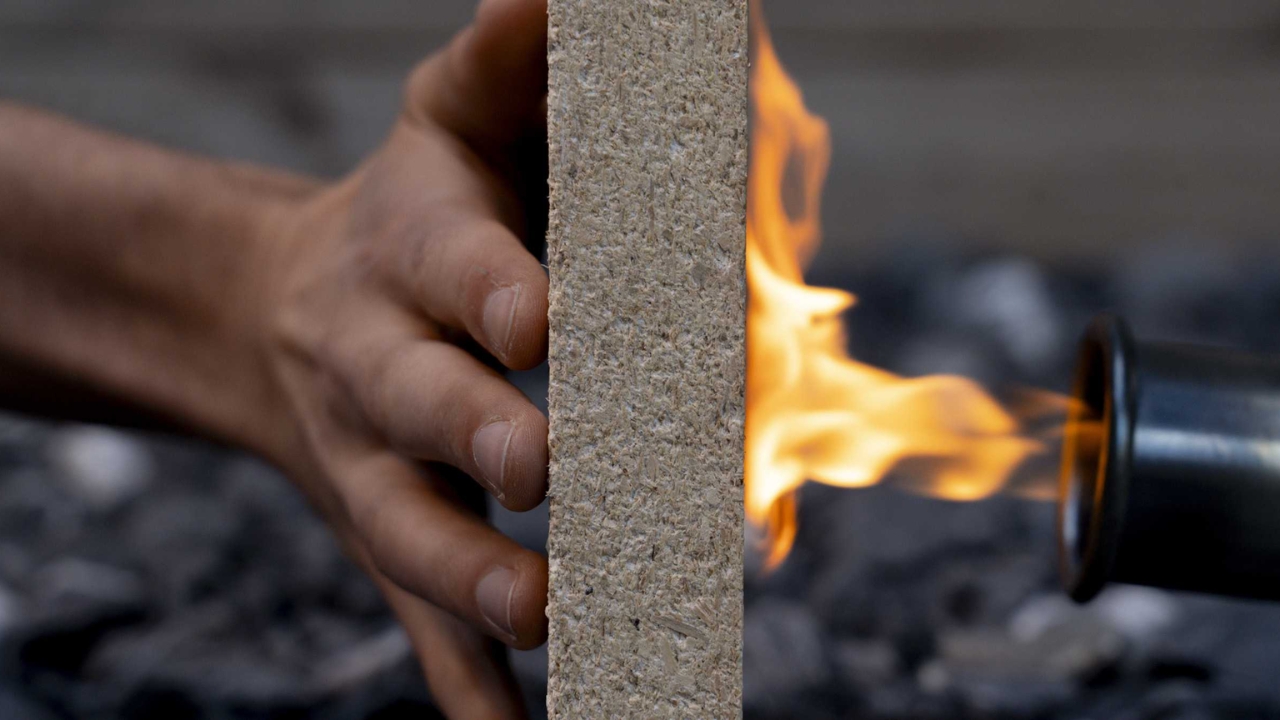
Scientists transform sawdust into fire-resistant panels, stabilize the compound with an enzyme extracted from watermelon seeds, and turn waste into promising material for construction.
-
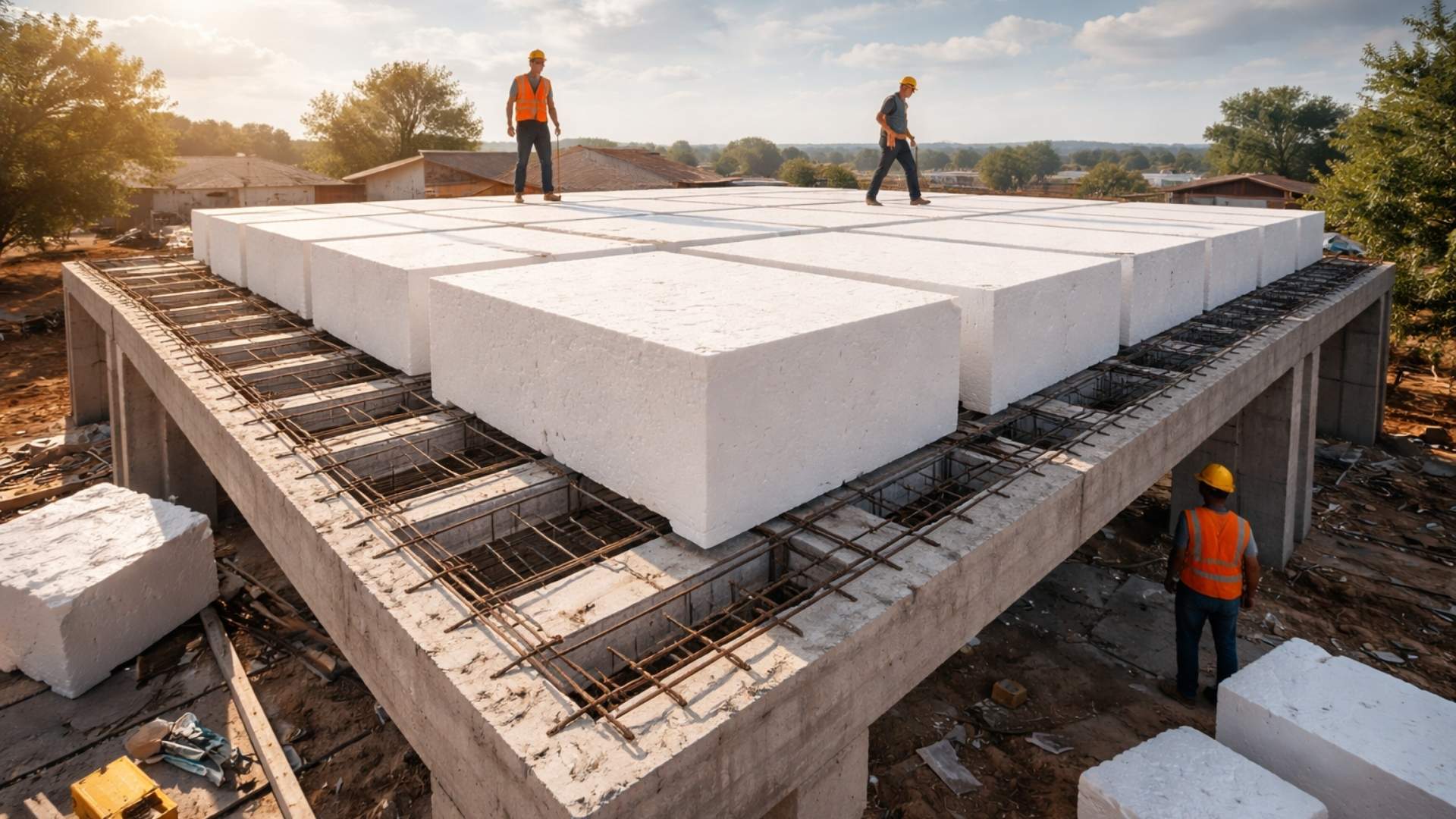
Forget concrete: architects are replacing tons of concrete with giant blocks of expanded polystyrene to build the roofs of houses and reduce structural weight by up to 50%, cut costs, improve thermal insulation, and speed up construction.
-
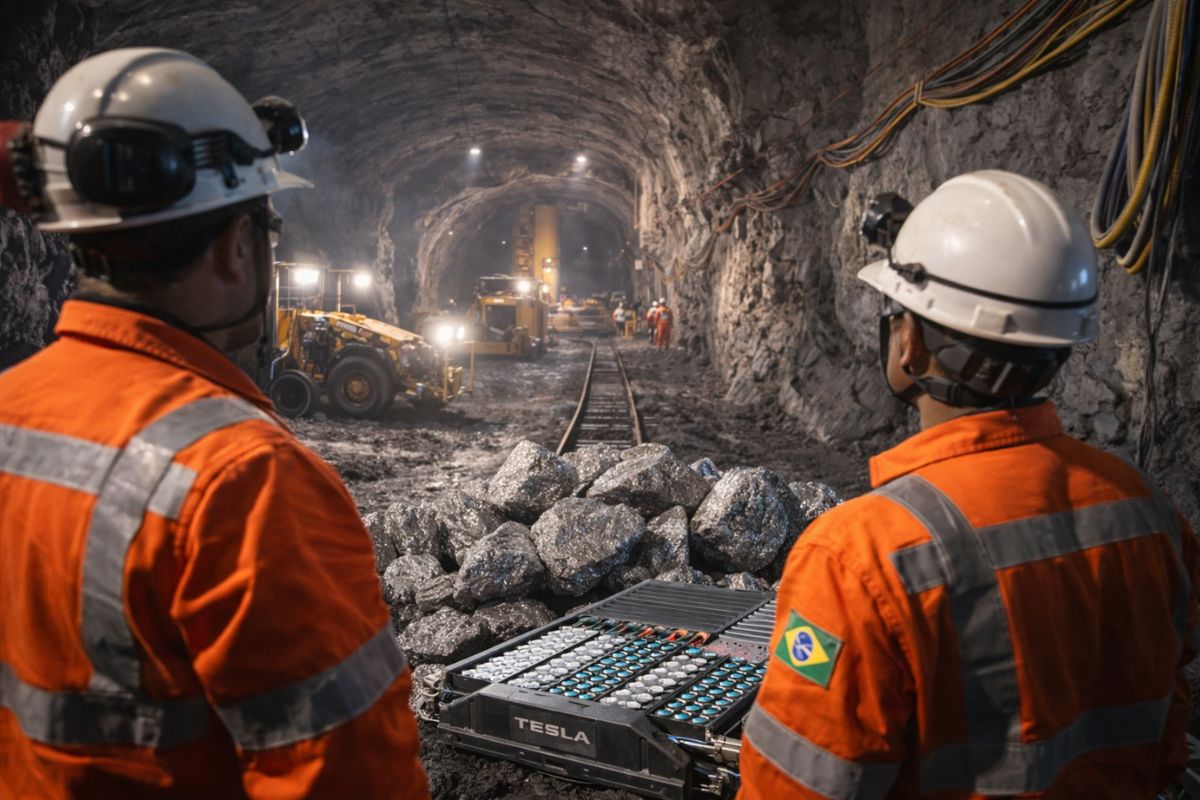
The Brazilian state enters the center of the global race for critical minerals by starting the construction of the largest underground nickel mine in Latin America, a mineral essential for electric car batteries that the entire world is competing for at this moment.
-
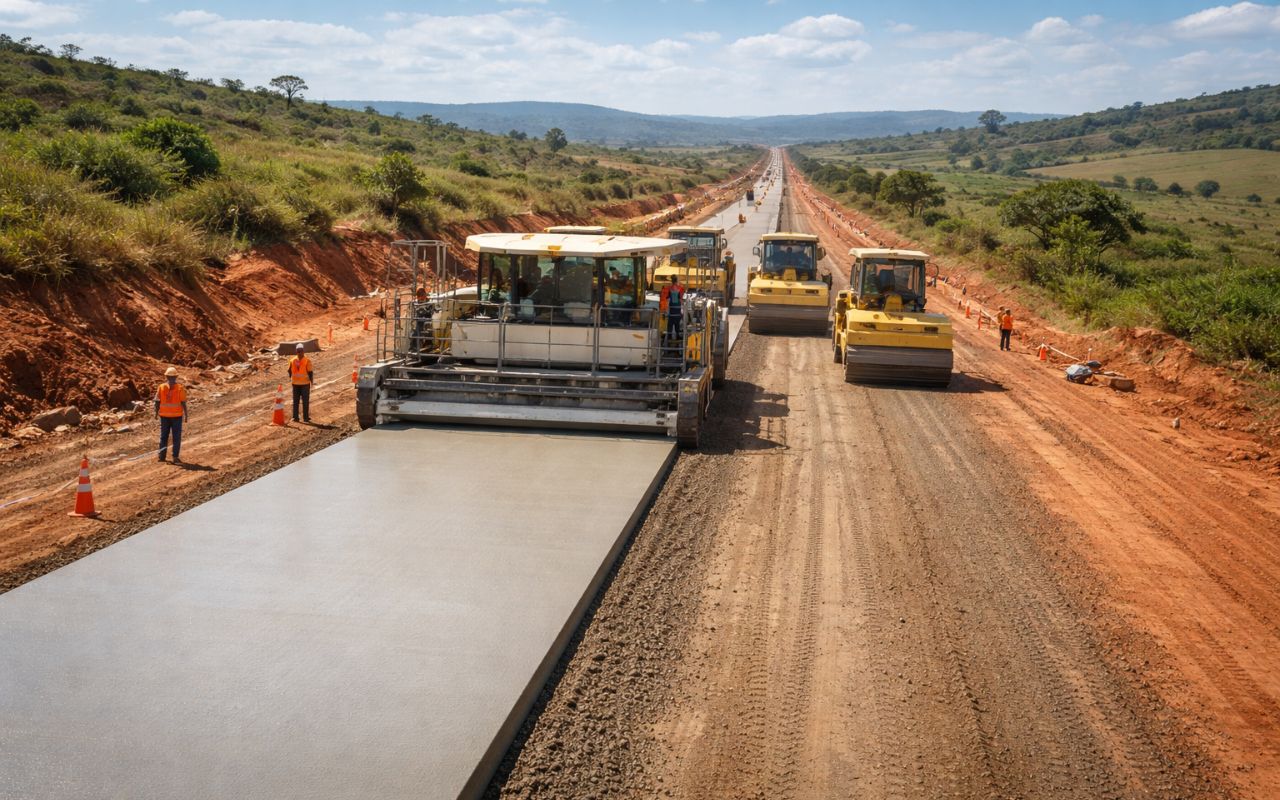
New CCR concrete paving technology promises roads up to 3x more durable, less maintenance, and cost reduction in Brazil.

Building Bridges Over Water Is a Testament to the Power of Engineering and the Human Ability to Overcome Challenges
The construction of bridges over water is a true masterpiece of engineering, combining technical knowledge, advanced resources, and teamwork. These impressive structures connect people, facilitate traffic, and contribute to the development of entire regions. It is a testament to the power of engineering and the human ability to overcome challenges.


The Importance of Foundations
Before we dive into the specific construction techniques, it’s important to understand the importance of foundations in building bridges over water. The foundation is the base of the structure, responsible for distributing loads and ensuring the stability of the bridge. It must be able to support the weight of the bridge itself, as well as the traffic of vehicles and external forces such as wind and currents. A solid foundation is essential to guarantee the durability and safety of these structures.
Foundation Construction Techniques
There are various techniques used in building foundations for bridges over water. Two of the main ones are the use of cofferdams and caissons, each with its particularities and specific applications.
Cofferdams
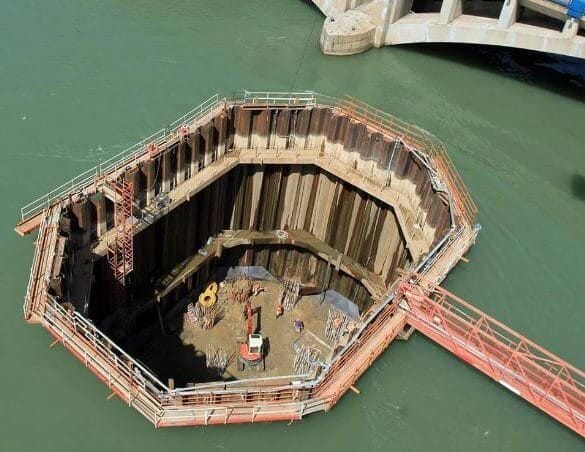
Cofferdams are temporary containment structures that allow construction in submerged areas. They are assembled in the area where the bridge foundation will be built and serve to isolate the work site from the surrounding water.
There are different types of cofferdams, but they all share the common method of draining the internal water and dredging the mud, exposing the riverbed or sea floor. Once the site is prepared, construction activities can be carried out as if on solid ground. This includes soil drilling, insertion of rebar, and pouring concrete.
Cofferdams can be designed considering the pressure difference between the two sides of the wall, to prevent leaks and collapses. Although cofferdams are widely used, especially at water depths of up to 18 meters, they pose significant challenges. The pressure difference between the two sides of the wall can increase as the depth increases, which can lead to water infiltration into the soil. Additionally, the construction of cofferdams may be unfeasible in some projects due to the ideal depth they must be inserted into the soil.
Caissons
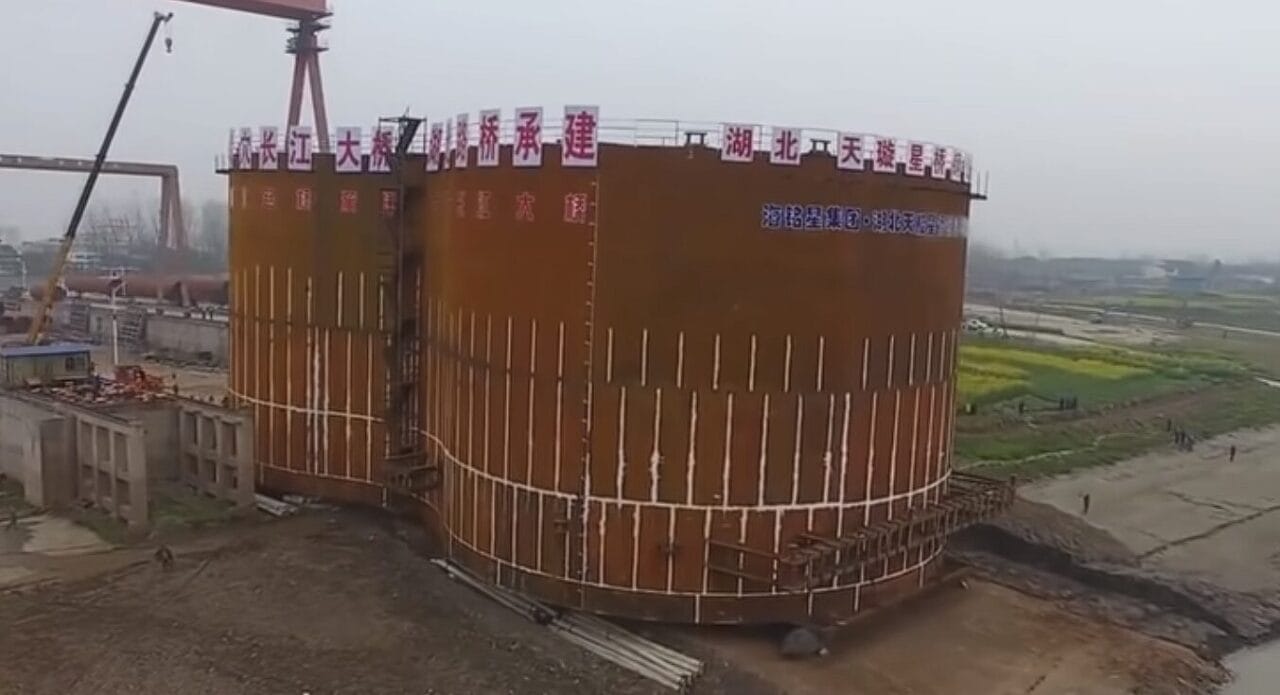
A technique increasingly used in building bridges over water is the use of caissons. Caissons are rigid structures, usually made of metal or reinforced concrete, that are used as permanent foundations. They can be constructed on solid ground or through floating docks, close to the final structure. One advantage of caissons is the possibility of building them in a dry environment, which facilitates certain stages of construction.
These structures can be transported to the bridge site by barges or floating by themselves. Caissons with open bottoms can be positioned with the help of auxiliary floatation devices, such as flotation balloons or steel tanks. Once on site, the caissons are sunk to the bed of the river or sea and filled with concrete, sand, or rocks, increasing the weight and stability of the structure. The bridge foundation can be constructed on top of the caisson if the upper part remains submerged or very close to the surface.
They can be used in greater depths than cofferdams and when the lateral forces of the water are very large. Additionally, caissons allow the construction of bridges in hard-to-reach environments, such as offshore, and are an option for securing wind generators in coastal areas.
Drilled Shafts
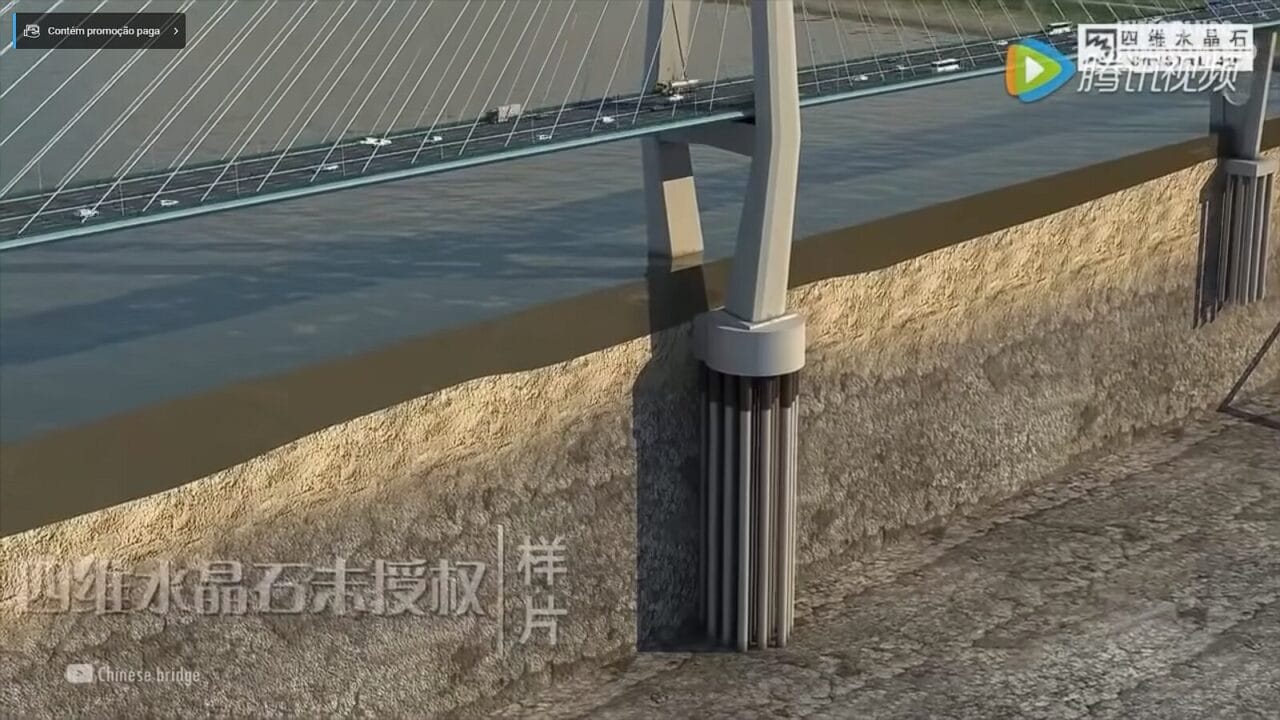
Another technique used in building foundations for bridges over water is the drilled shafts technique. This technique is similar to that used to secure caissons with open bottoms; however, the pillars supporting the structure rise to the surface, where the bridge foundation will sit. In this technique, tubular steel piles, known as steel sleeves, are driven into the ground.
Next, the mud inside the tubes and a portion of the soil below them are excavated. The rebar is positioned, and concrete is injected, forcing the mud and water upward. Since concrete is denser than water, it is unnecessary to remove the water inside the tube. This technique offers several advantages, such as the ability to be applied in any type of soil, including rocky soils. Additionally, drilled shafts allow for reaching great depths and are considered one of the most economical options for building foundations for bridges over water.










Seja o primeiro a reagir!