





 Portuguese
  English
  Spanish
 4 min of reading


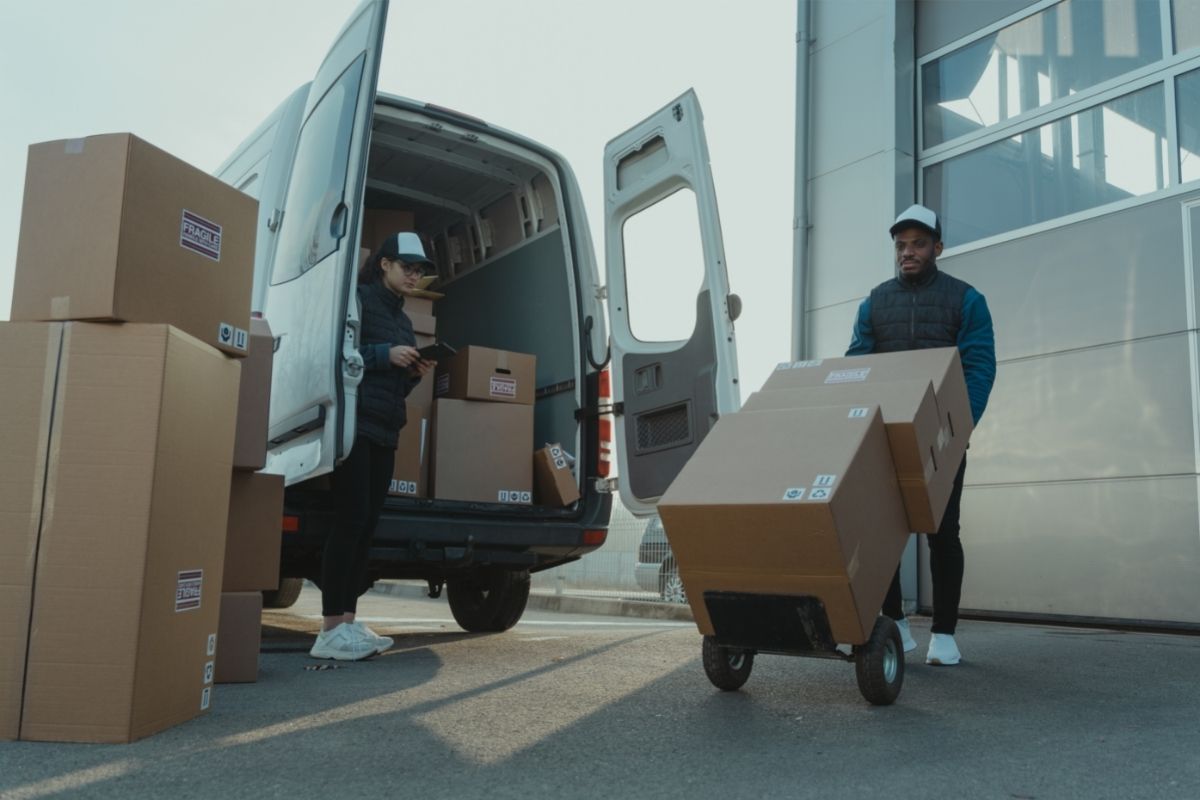
High Shipping Costs Can Make Customers Abandon Their Purchase
São Paulo, May 11, 2022 – In online business, shipping is a very important factor during the customer’s purchase on the site, causing them to proceed or set it aside. However, the increase in fuel costs, as a result of the conflict between Ukraine and Russia, can make it difficult to offer lower or even free shipping.
Shipping can serve as a good marketing strategy, according to Alexandre Sousa, head of the sector at Everlog. Therefore, you should not pass the increase in fuel costs onto the customer, as this is a factor that can drive them away from the purchase. In other words, you need to find ways to reduce costs, and you can leverage technology in the race for competitiveness.
Although it may not seem obvious, the war between Russia and Ukraine plays a fundamental role in the increase in fuel prices and inflation worldwide. After all, the region makes a significant contribution to fossil fuel production globally. Thus, the distribution problem affects various sectors in society in a cascading manner.
-
China advances into Mexico’s transportation with an electric bus that has a range of up to 530 km, bringing a complete line to the country in 2026 and transforming its partnership with Yutong into one of the most strategic in Latin American mobility.

-
With 1,500 new buses financed by an international agreement, El Salvador is preparing the largest renewal in the history of its public transportation, a plan of $179 million with vehicles from the Chinese company Yutong that could replace practically the entire fleet of the country.

-
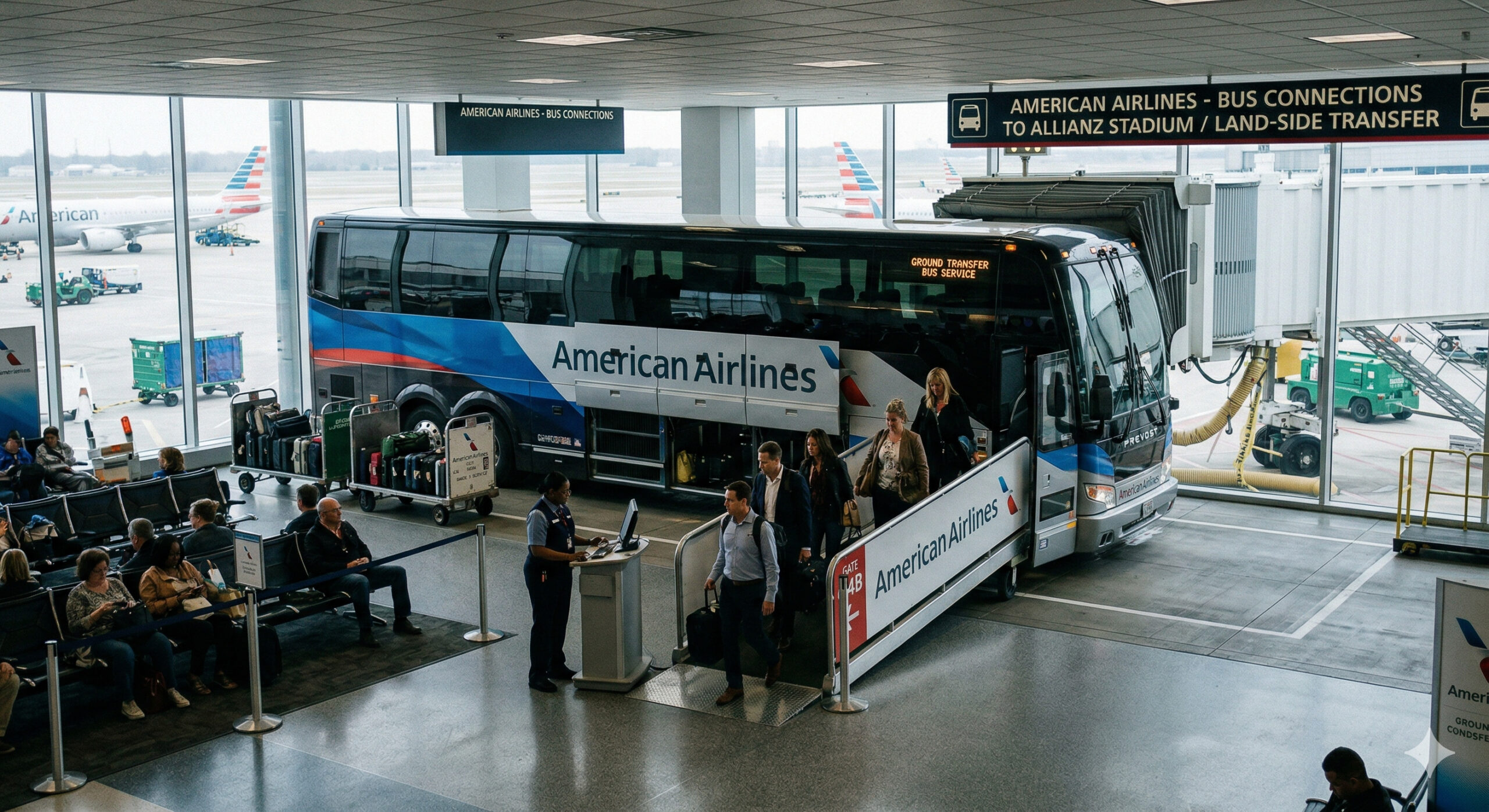
American Airlines starts selling trips as if they were flights, with check-in and baggage check at the airport, but on short routes, passengers board luxury buses connecting cities to major hubs in the U.S.
-
São Paulo surprises the world with a colossal railway network project that promises over 1,000 km of tracks, R$ 194 billion in investments, and 40 projects connecting the capital to the interior with fast and sustainable trains.

The Conflict Between Russia and Ukraine Plays a Fundamental Role in Fuel Price Increases and Global Inflation
If you still don’t understand why this conflict in Ukraine and Russia affects our country, let’s explain better. Approximately 8% of the oil we use, 20% of the polymers, and 62% of the fertilizers we have in our territory come from Russia. Additionally, about 22% of semi-finished metal products originate from Ukraine.
With the halt in this distribution, we are directly affected. The worst part is that the outlook is not favorable for the coming years, and finding ways to offer cheaper shipping will become a significant challenge. The video below explains in detail the impact of the war on inflation and fuel prices.


The conflict has resulted in a 68% increase in national diesel prices. Consequently, shipping has seen a staggering increase of 29%, according to data from the National Land Transport Agency (ANTT). Thus, to remain competitive, companies need to implement strategies that prevent customers from bearing this cost.
So, How Can I Offer Affordable Shipping?
In this regard, Alexandre points out that some actions can be taken to reduce shipping costs. Generally, these actions aim at centralizing information and better organizing the logistics process. This way, you avoid long-term problems and provide a higher quality service to customers. Check out the 4 tips we’ve outlined to help you.
1. Seeking Partnerships
The first is seeking partnerships with companies that operate in logistics and transportation to reduce tariffs based on the volume of deliveries. However, it’s important to have more than one partnership to provide more options for prices and delivery times to the customer.
2. Using Technological Resources
Additionally, you can utilize technological resources such as apps or platforms that allow you to customize delivery according to volume characteristics. This resource can enhance outcomes through a prior simulation and then chose the best option to reduce costs.
Technology can also help reduce costs by identifying idle vehicles, that is, routes without cargo. In this sense, through technology and data cross-referencing, these idle moments can be repurposed to bring loads from other places and expedite shipping, as well as lower your costs, to circumvent the increase in fuel prices.
3. Negotiating Delivery Times and Shipping Costs
Another important action is to negotiate delivery timelines and costs with the customer. In other words, the shorter the time, the higher the shipping cost; conversely, the longer the time, the cheaper it is. However, having professionals who manage through Business Intelligence can facilitate the acquisition of this information about customers and offer greater customization for delivery.
4. Closely Monitoring the Delivery Flow
Finally, you should closely monitor the flow of deliveries and analyze possible failures related to timing or addresses. With this data in hand, you can take the necessary measures to prevent these problems from recurring and also ensure payment compliance. Additionally, through constant auditing, you can better control expenses and avoid losses.
Follow these tips and ensure that your business remains competitive, even in the face of rising fuel and shipping costs.







Seja o primeiro a reagir!