





 Portuguese
  English
  Spanish
  4 min of reading
  0 comments


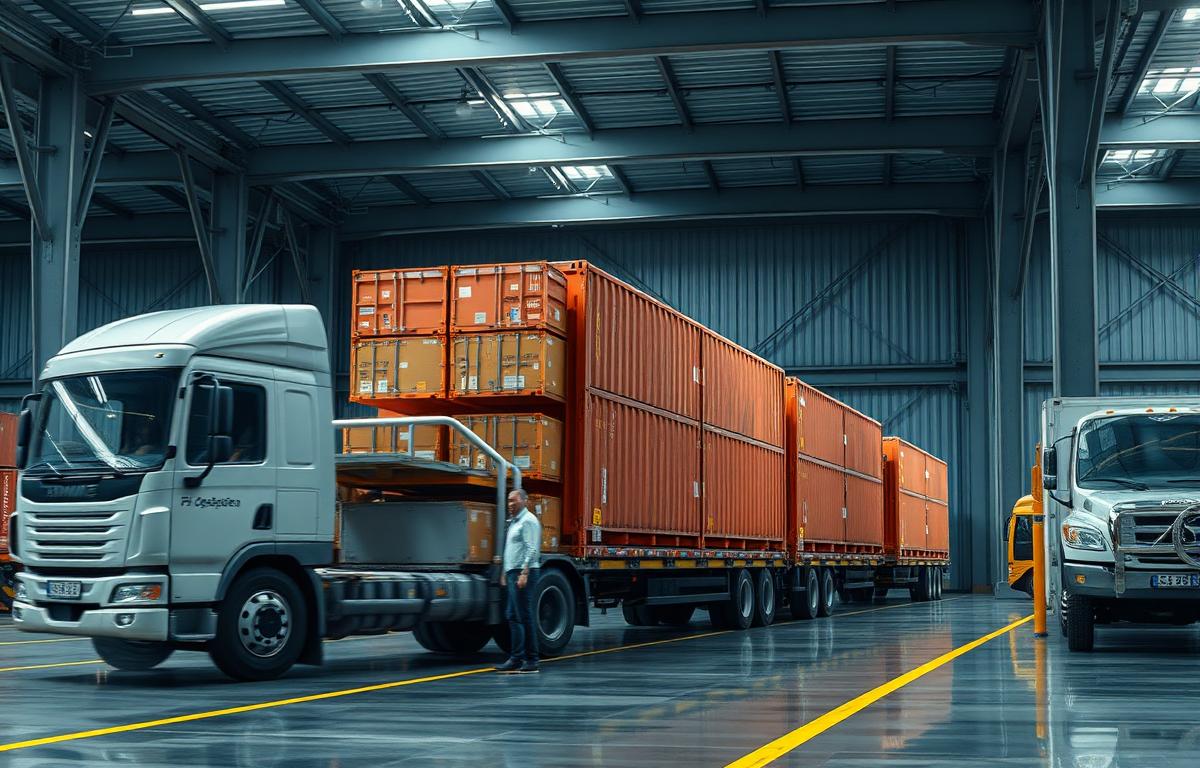
SimpliRoute Research Highlight AI, Sustainability, and Efficiency in Logistics in LATAM. 76.5% Adopt AI in Customer Service, but Only 30% in Operational Logistics.
In the dynamic landscape of logistics in Latin America, technology has played a crucial role. According to a study by SimpliRoute published in 2023, 76.5% of companies have integrated artificial intelligence into their customer service, while only 30% use it in operational logistics. This technological advancement is influencing efficiency in cargo movement and supply chain management. As a result, distribution becomes faster and more effective, responding to the growing demands of the market.
The challenges of the supply chain are vast, but the opportunities are even greater. Logistics faces the need to reduce costs while increasing responsiveness to consumers. In discussions in 2023, the importance of reverse logistics was highlighted, which not only optimizes the product return system but also contributes to sustainability. At the same time, the average cost of logistics operations remains a critical factor. Companies are constantly seeking ways to improve operational efficiency and link such improvements to environmentally responsible practices.
Transformations and Innovations in the Logistics Sector
The SimpliRoute report, ‘State of Logistics 2025’, published in October 2023, reveals numerous transformations and innovations that are reshaping the logistics sector in Brazil. Factors such as the implementation of smart routes and the use of electric vehicles for cargo transportation stand out among sustainable initiatives. These practices not only reduce the carbon footprint but also enhance delivery efficiency.
-
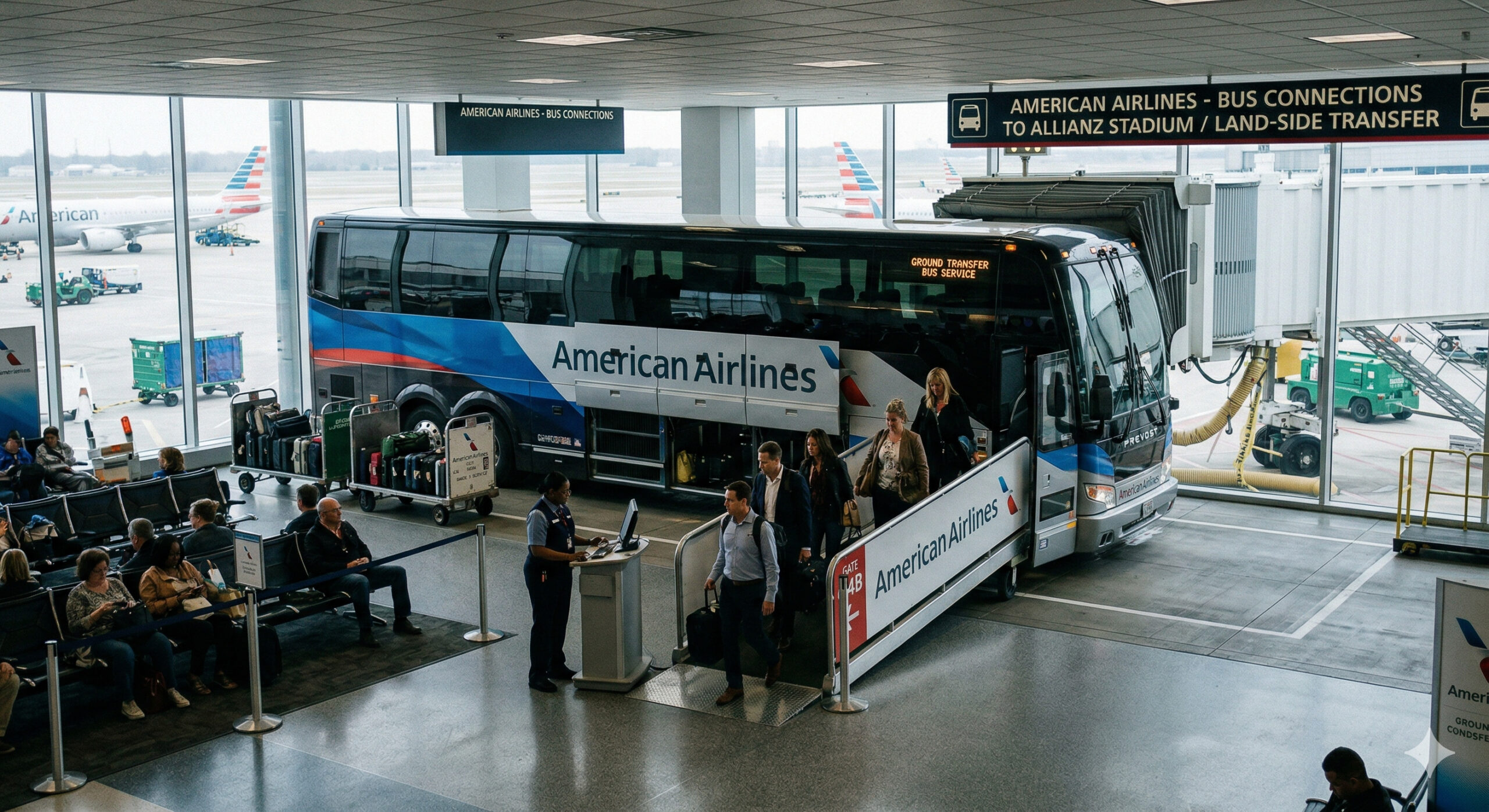
American Airlines starts selling trips as if they were flights, with check-in and baggage check at the airport, but on short routes, passengers board luxury buses connecting cities to major hubs in the U.S.
-
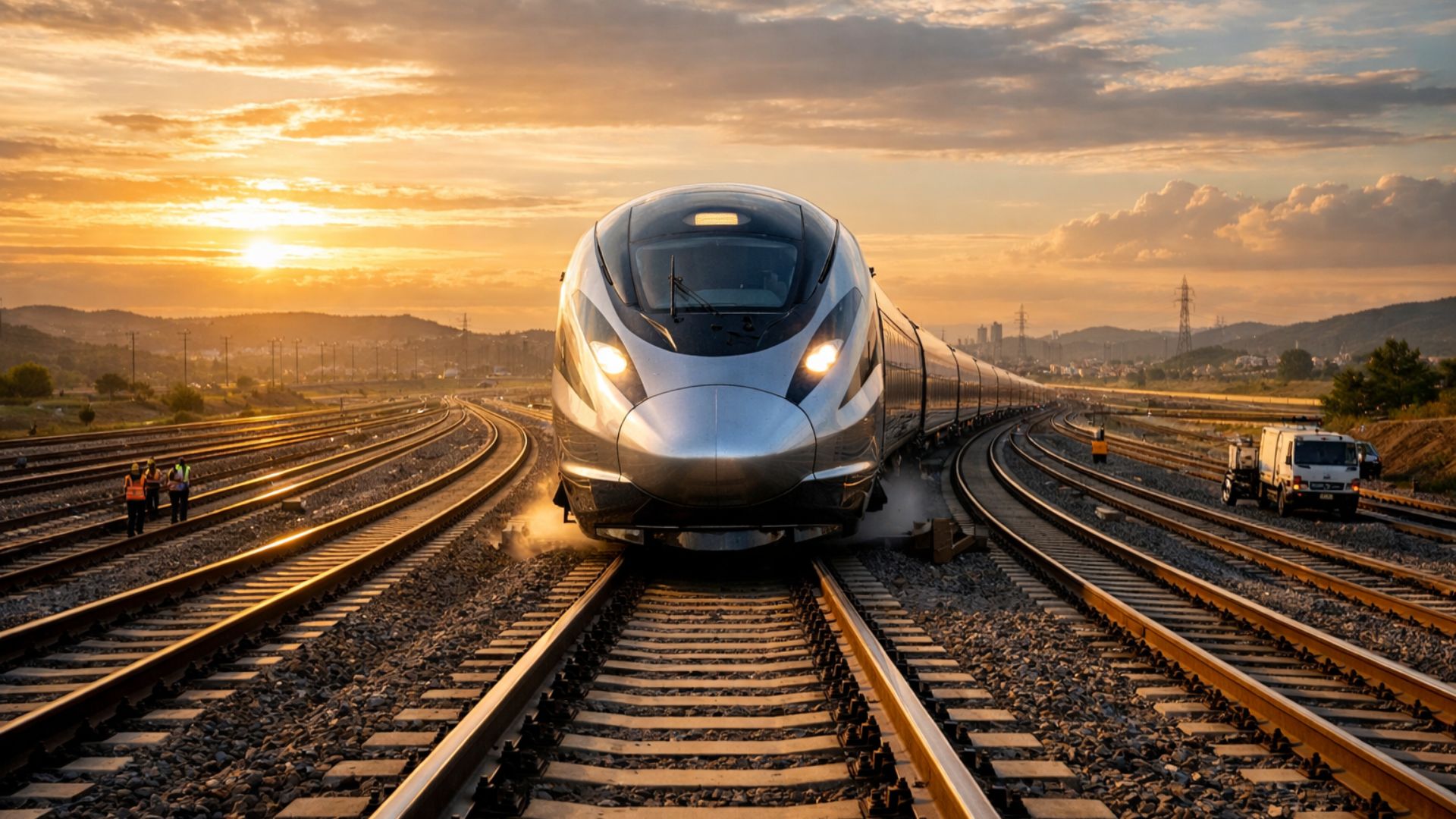
São Paulo surprises the world with a colossal railway network project that promises over 1,000 km of tracks, R$ 194 billion in investments, and 40 projects connecting the capital to the interior with fast and sustainable trains.
-
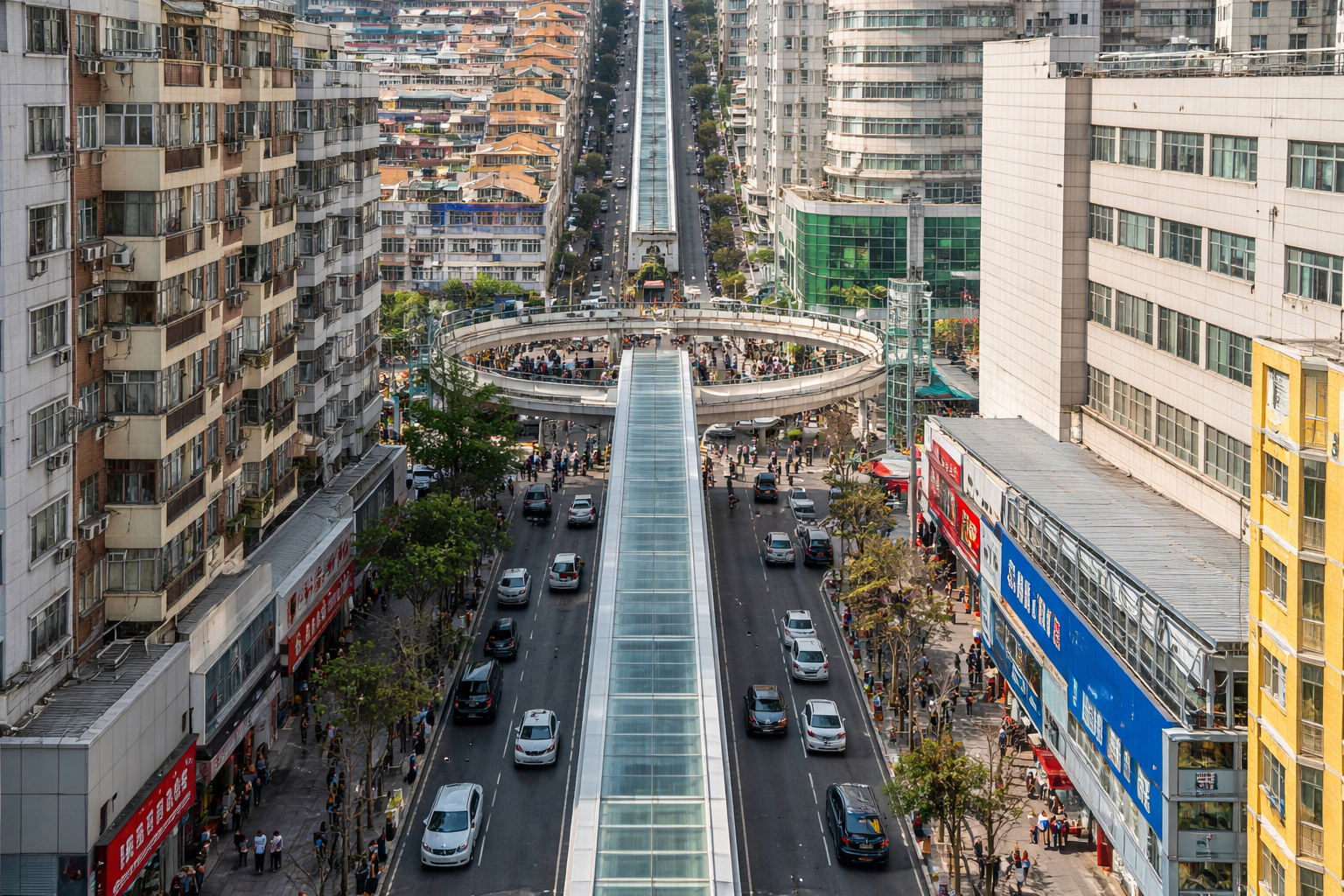
The world’s largest escalator, measuring 905 meters in China, reduces urban travel time from 1 hour to about 20 minutes and transforms mobility in mountainous regions with an engineering solution adapted to the terrain.
-
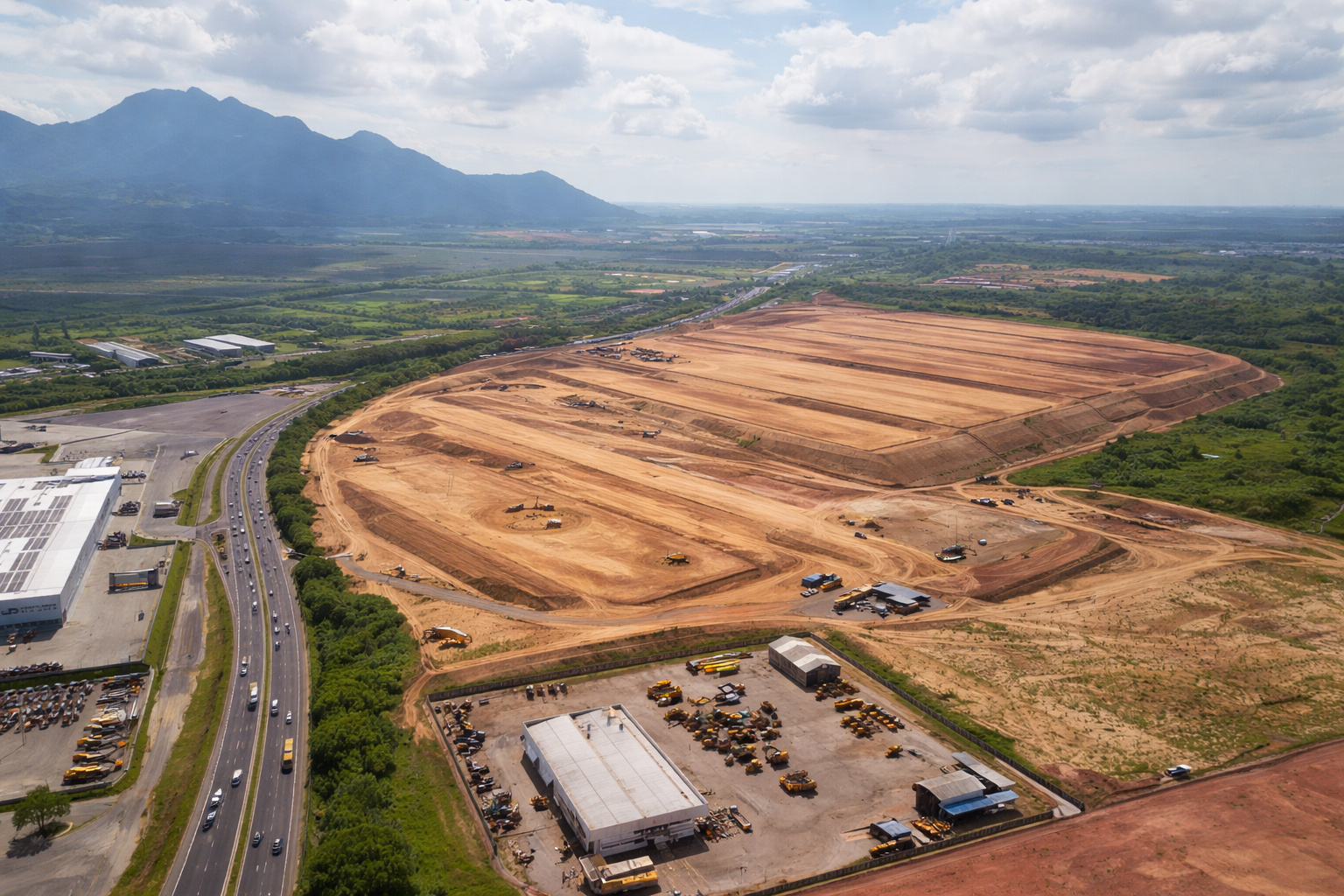
A R$ 300 million logistics giant is taking shape in Serra with over 100,000 m² and raises a question: how can this transform e-commerce and distribution in the state?

The pressure for sustainability and innovation is increasingly present in the meetings of the boards of directors of major logistics companies. Previous studies, from 2021 to 2022, already indicated a growing demand for green solutions in logistics, driven by more conscious consumers and stricter environmental regulations.
In the near future, technology is expected to continue revolutionizing the sector. Companies that adopt technological innovations not only improve their cargo transportation operations but also ensure efficient supply chain management. In this way, changes are quickly noticed by consumers, who receive their goods more quickly and sustainably.
Exploring the Transformations of Logistics
The logistics sector is undergoing significant transformations. For the first time, a wide range of employees from small, medium, and large companies shared their perceptions on strategic topics such as digitalization, operational efficiency, and sustainability in the market. This provides a comprehensive and detailed view of a sector vital to the economic, technological, and sustainable growth of Brazil.
The research involved around 900 logistics professionals, traditionally covering all of Latin America and now focusing on specific data about Brazil. An interesting fact indicates that only 30% of Brazilian companies report investments in Artificial Intelligence (AI) to enhance their logistics processes, highlighting an underutilized potential within the supply chain.
Challenges and Opportunities in Logistics in Brazil
Javiera Lyon, COO of SimpliRoute, highlighted that there is still a gap in the sector. For example, in customer service using AI, about 76.5% of companies have already adopted this technology. Lyon points out that those who can bridge this gap will stand out, especially in Brazil, where logistics represents an average cost of 18.4% of Gross Domestic Product (GDP).
Regarding sustainability as a strategy, about 59% of companies in the sector have already adopted measures to reduce environmental impacts, a figure that can still be considered low given market demands and the ongoing climate urgency. The evaluation metrics, or KPIs, are primarily focused on the amount of CO2 generated (23.7%) and customer satisfaction (18.8%). Javiera explains that, considering that cargo transportation is responsible for 11% of global emissions, companies are waking up to this challenge.
Efficiency, Data Security, and Reverse Logistics
Additionally, the study analyzed fundamental aspects related to the efficiency of logistics operations, with 80% of companies reporting significant challenges in this regard. Data security and data encryption are crucial elements for a sector that is becoming increasingly digitalized, and 58% of companies have implemented strict measures in this area. Moreover, reverse logistics is a focal point where 66% of respondents concentrate their analyses, standing out as an essential component for modern operational logistics.
The role of logistics has evolved from a merely operational sector to a competitive and strategic differential for businesses. The goal of the State of Logistics 2025 report is to provide valuable insights to help companies and investors understand the current scenario and anticipate future trends in the sector, transforming commercial practices and strategies in an innovative and effective way.
Source: Simpliroute Press










Seja o primeiro a reagir!