





 Portuguese
  English
  Spanish
  4 min of reading
  0 comments


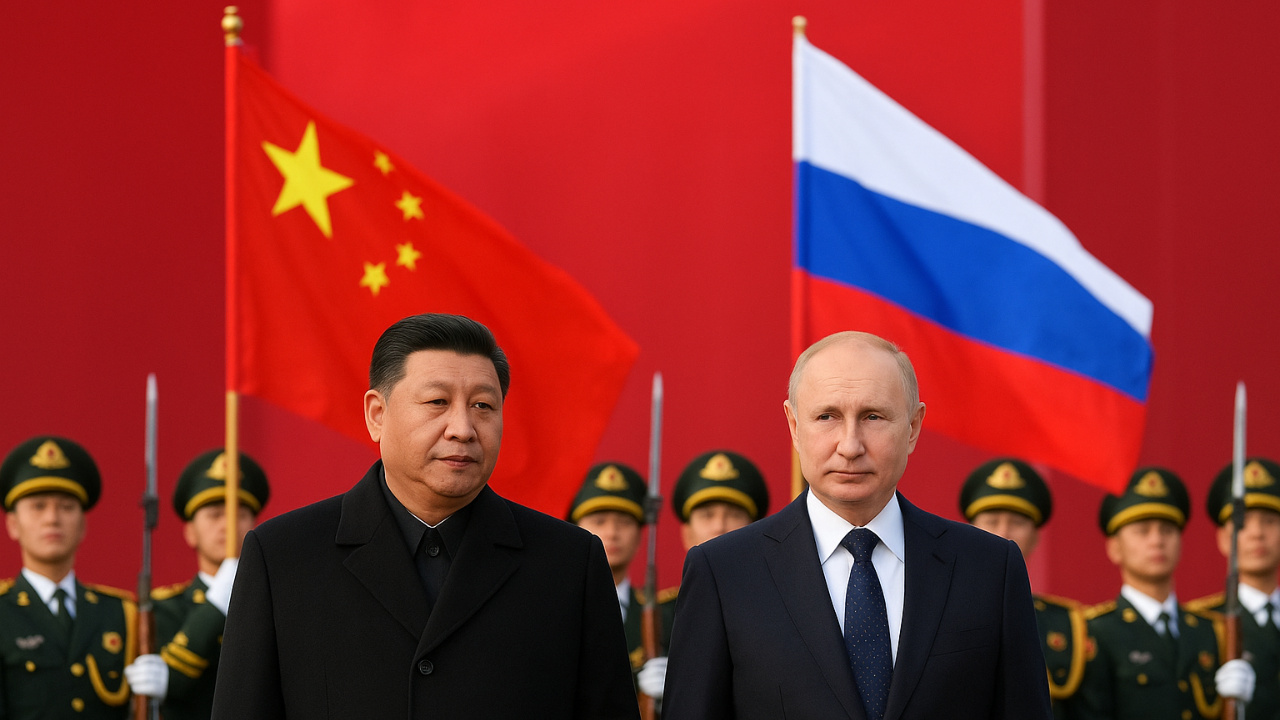
China Holds Military Parade in Beijing With Kim Jong-un and Vladimir Putin, Marking 80 Years Since the End of World War II. Event Highlights the Thawing Between Authoritarian Regimes and Global Military Cooperation.
The China announced that Kim Jong-un and Vladimir Putin will be present at the grand military parade in Beijing, scheduled for Wednesday (3), at 9 AM local time. The event marks the 80th anniversary of Japan’s surrender in World War II and signals the strengthening of ties between authoritarian regimes.
A total of 26 foreign leaders have confirmed their presence, including representatives from Iran and Alexander Lukashenko of Belarus. The parade coincides with the meeting of the Shanghai Cooperation Organization (SCO), a regional security bloc that includes Central Asian and some European countries.
Experts emphasize that the meeting and the parade have direct impacts on current international conflicts, especially in Ukraine, where China has been working to keep economies under Western sanctions functioning and, according to analysts, indirectly support Russia.
-
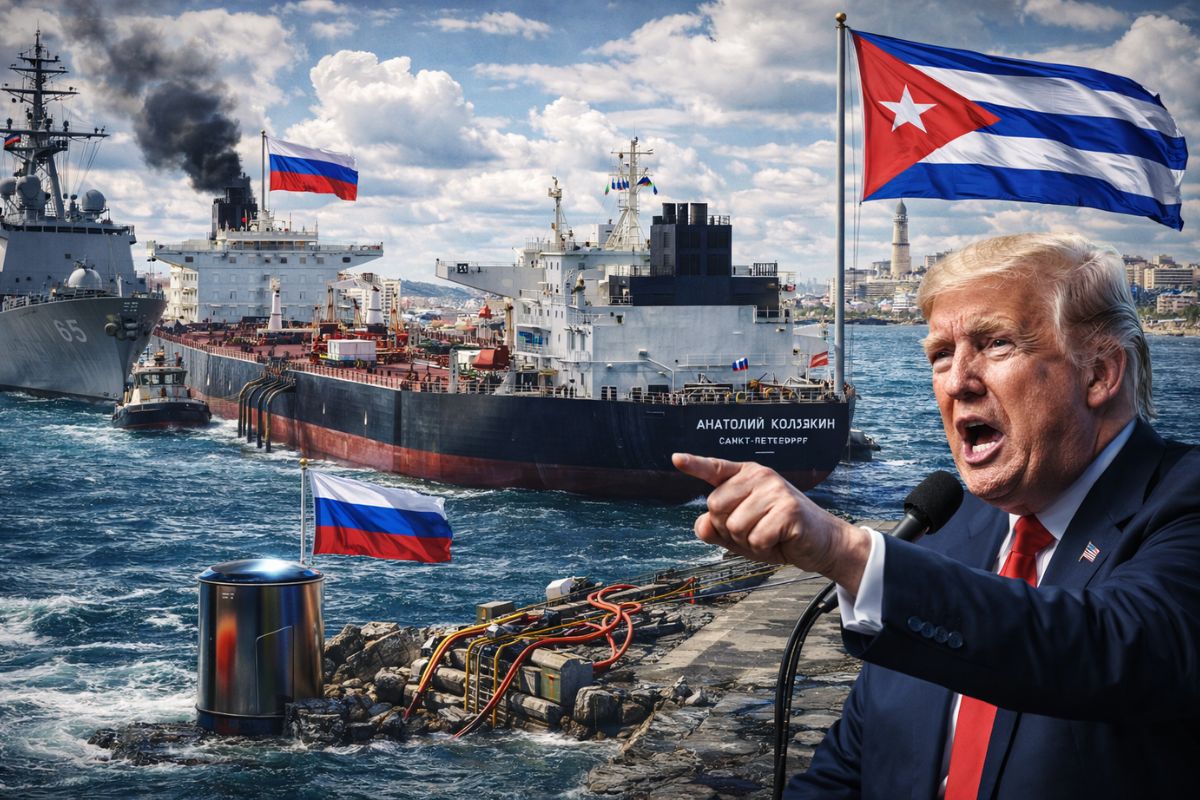
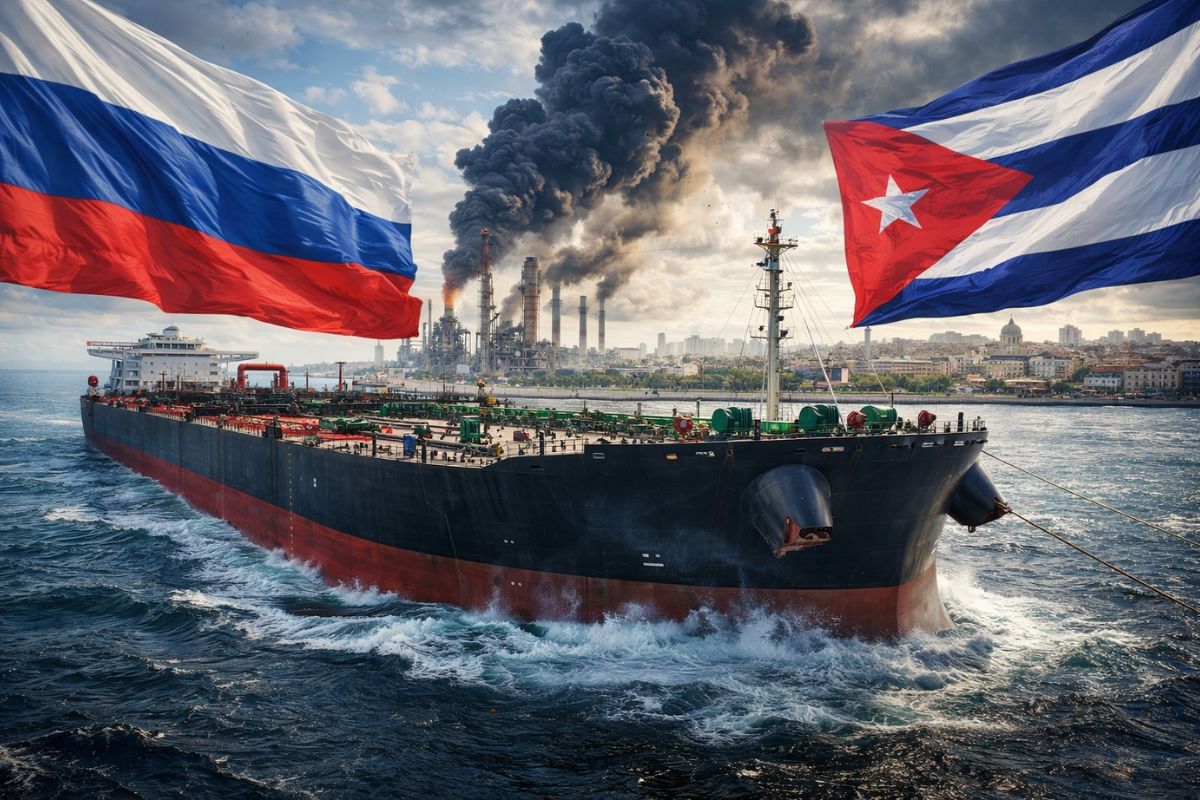
Russia has broken the U.S. maritime blockade to send oil to Cuba and is now loading a second ship while Trump says that “Cuba is next” in a possible military action against the island.
-
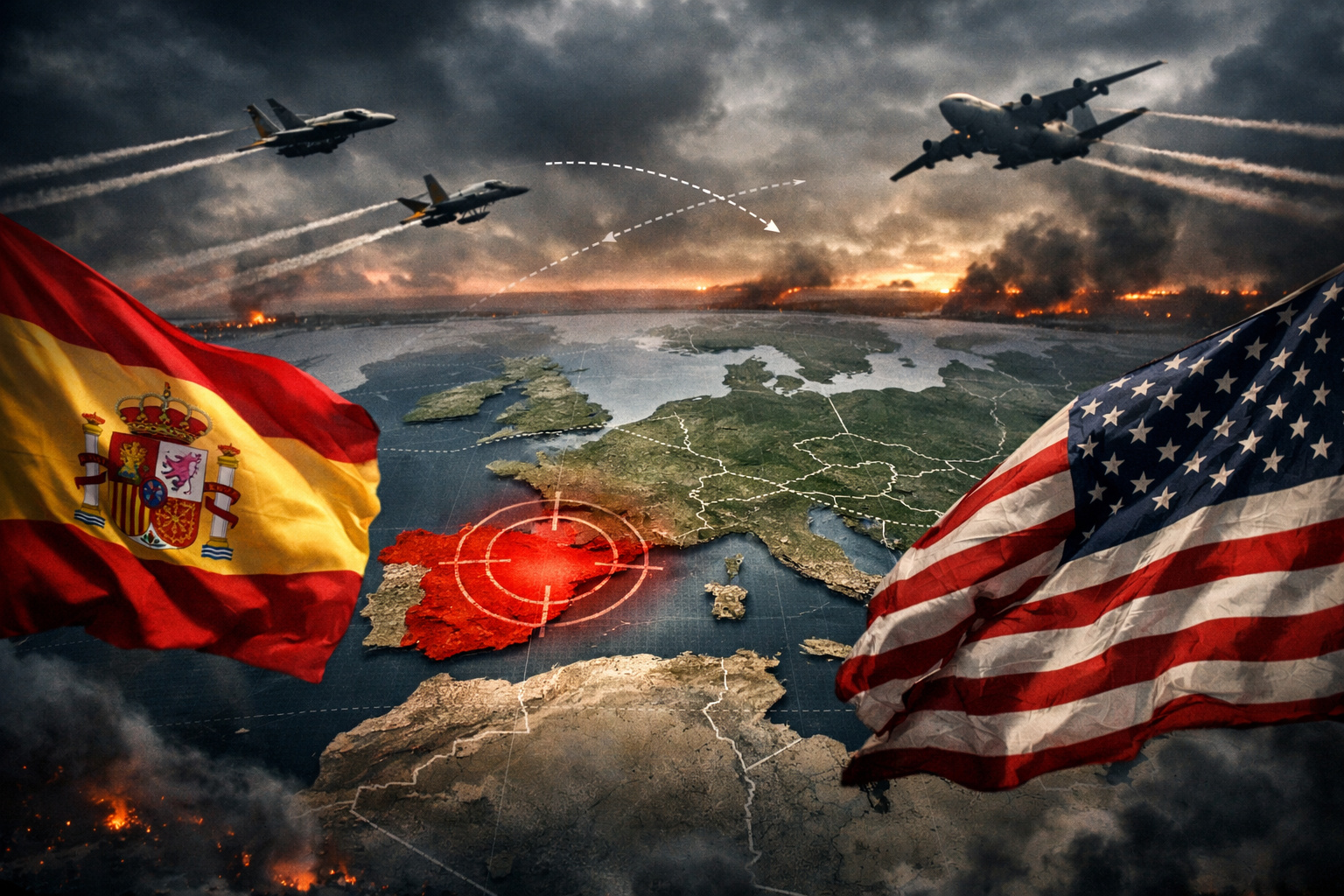
Spain challenges the USA and closes its airspace for operations against Iran, raising global tension and provoking the threat of a trade rupture.
-
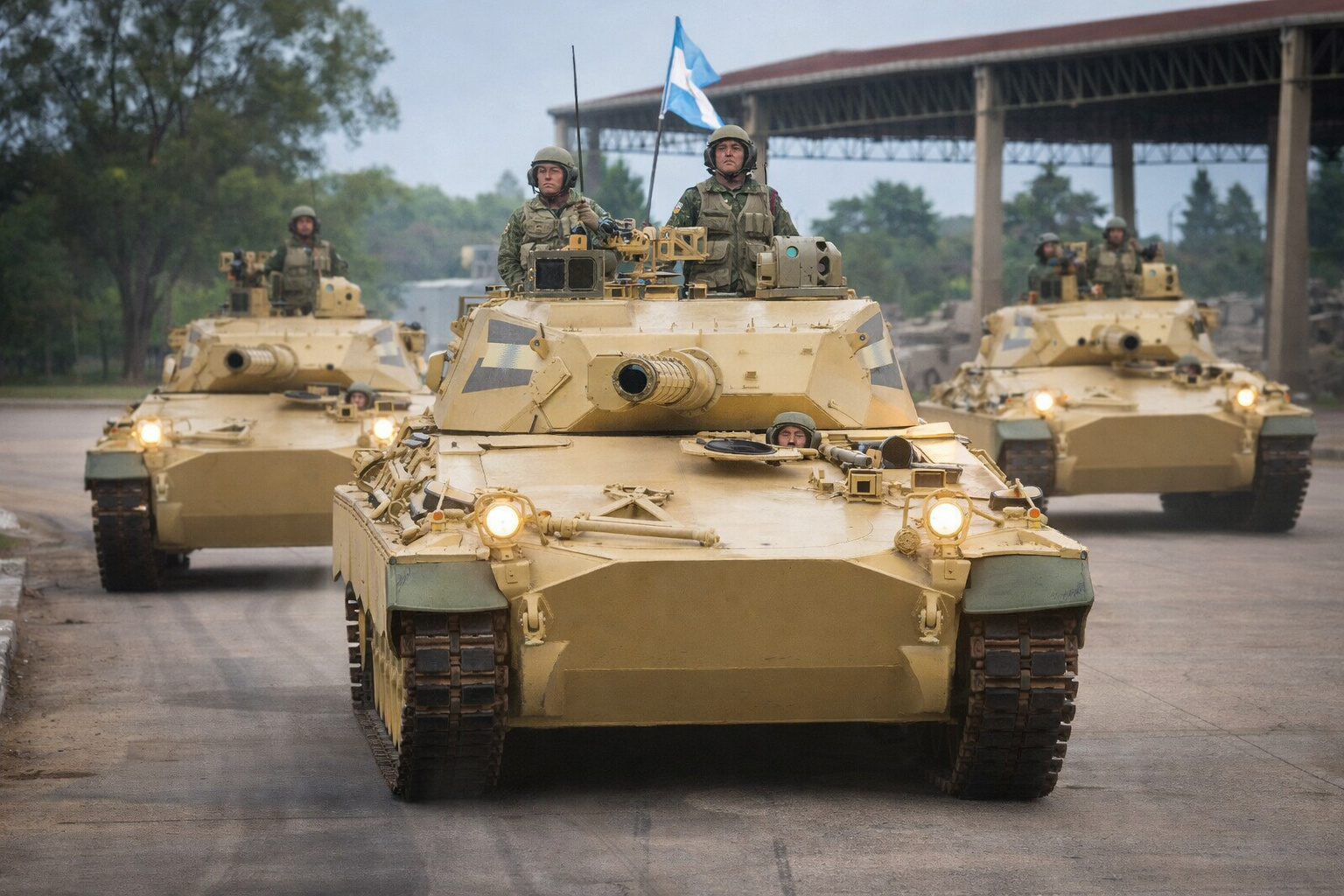
While no other country manufactures tanks in Latin America, Argentina activates the TAM 2C-A2 and raises a curiosity about the technological lag in the region.
-
A Russian ship with 730,000 barrels of oil has just arrived in Cuba while Mexico negotiates fuel sales through private companies: the communist island is desperately seeking alternatives after losing its supply from Venezuela due to American military action.

Military and Technological Cooperation Between Russia and North Korea
In recent years, North Korea has intensified its weapons program and maintained military cooperation with Russia. North Korean troops have already been sent to the front lines of the Ukrainian conflict, a result of mutual defense agreements between the two countries.
Days before the parade, Kim Jong-un inspected a newly inaugurated missile production line, assessing the state’s ability to manufacture armaments. Images released by KCNA show the North Korean leader checking dozens of missiles at different stages of production.
According to the agency, North Korea has “successfully fulfilled” its five-year plan to expand missile production capacity, putting several models into mass production and ratifying three new long-term plans.
First Meeting of Kim Jong-un in China Since 2019
Kim’s trip marks his first visit to China in four years and occurs in a context of increasing cooperation between Pyongyang and Moscow. Since 2011, Kim has made only 10 international trips, the last in 2023 to meet with Putin in a remote port in the far east of Russia.
The military parade offers a rare opportunity for the North Korean leader to appear alongside other leaders seeking an alternative world order, promoted by Xi Jinping and Putin.
Analysts point out that Kim and Putin’s joint presence highlights the intention to form a strategic alliance that balances U.S. and allied influence in Asia and Europe.
India Signals Strategic Changes in the Region
Another point of attention is India’s participation in the SCO meeting. Narendra Modi will make his first visit to China since 2019, at a delicate moment of economic dispute with the United States.
Despite historical rivalries and recent conflicts on the Himalayan border, Modi’s presence indicates a possible reconfiguration of the global power balance. The diplomatic rapprochement between China and India could influence trade, military, and technological policies in the region in the coming years.
Tensions and Provocations on the Korean Peninsula
In recent days, North Korea tested two new air defense missiles, just a week before the meeting between Asian and Western leaders. The country accuses Seoul of stoking tensions at the border and reaffirms the nuclear threat against South Korea if its territory is attacked.
Kim has reinforced the North Korean nuclear program and modernized the armed forces, making the country capable of hitting almost any point in the United States. Furthermore, the leader maintains a firm discourse on national sovereignty and military strengthening as a strategic priority.
China Reinforces Geopolitical Position
The military parade in Beijing is not just symbolic. It highlights the military rise of China, which positions itself as the second-largest economy and military power in the world. The presence of controversial leaders reinforces Xi Jinping’s narrative that authoritarian regimes can create alternative cooperation blocs to the internationally led order by the West.
According to experts, China uses events like this to demonstrate power, strengthen strategic alliances, and influence decisions in global conflicts. The rapprochement with Russia and North Korea exemplifies this strategy, especially in terms of military and technological cooperation.
The parade will follow with intense international attention, with analysts monitoring signs of new alliances or strategic announcements. The participation of Kim Jong-un and Vladimir Putin on the same stage symbolizes the convergence of interests between China, Russia, and North Korea, and the impact of this alignment may reflect in military and trade negotiations worldwide.




Seja o primeiro a reagir!