





 Portuguese
  English
  Spanish
  4 min of reading
  0 comments


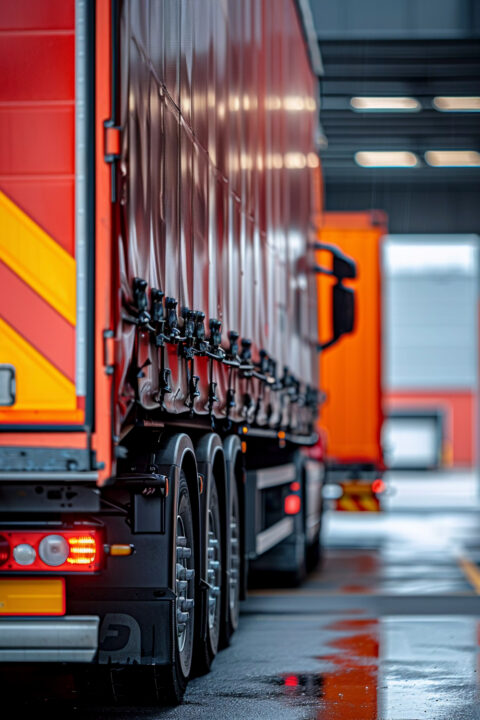
INFLEET: Telemetry Optimizes Route Monitoring and Increases Safety with Escort Vehicles, Technical Training, Preventive Driving, and Fleet Management.
Telemetry plays a crucial role in modernizing and increasing the efficiency of the transportation sector, especially regarding the control and monitoring of cargo vehicle routes. In the Brazilian context, where cargo transportation is a vital component of the economy, investing in technologies like telemetry can bring significant benefits, not only in terms of safety but also in agility and precision with every delivery made.
In practice, telemetry allows for detailed and continuous remote monitoring of trucks during their journeys, optimizing fleet management and ensuring that escort vehicles do their job effectively. Companies that adopt these technologies can reduce risks and operational costs while increasing the reliability of their operations. Moreover, the use of video telemetry provides an additional layer of security, enabling real-time visibility of road conditions and the vehicle itself. Thus, telemetry is not merely a tool but a comprehensive solution for those seeking to enhance their logistics operations.
In a country of continental dimensions like ours, logistics presents a constant challenge, involving everything from medium-sized trucks to heavy transport giants. This scenario also includes so-called exceptional loads, which often require the escort of escort vehicles to ensure safety on public roads.
-
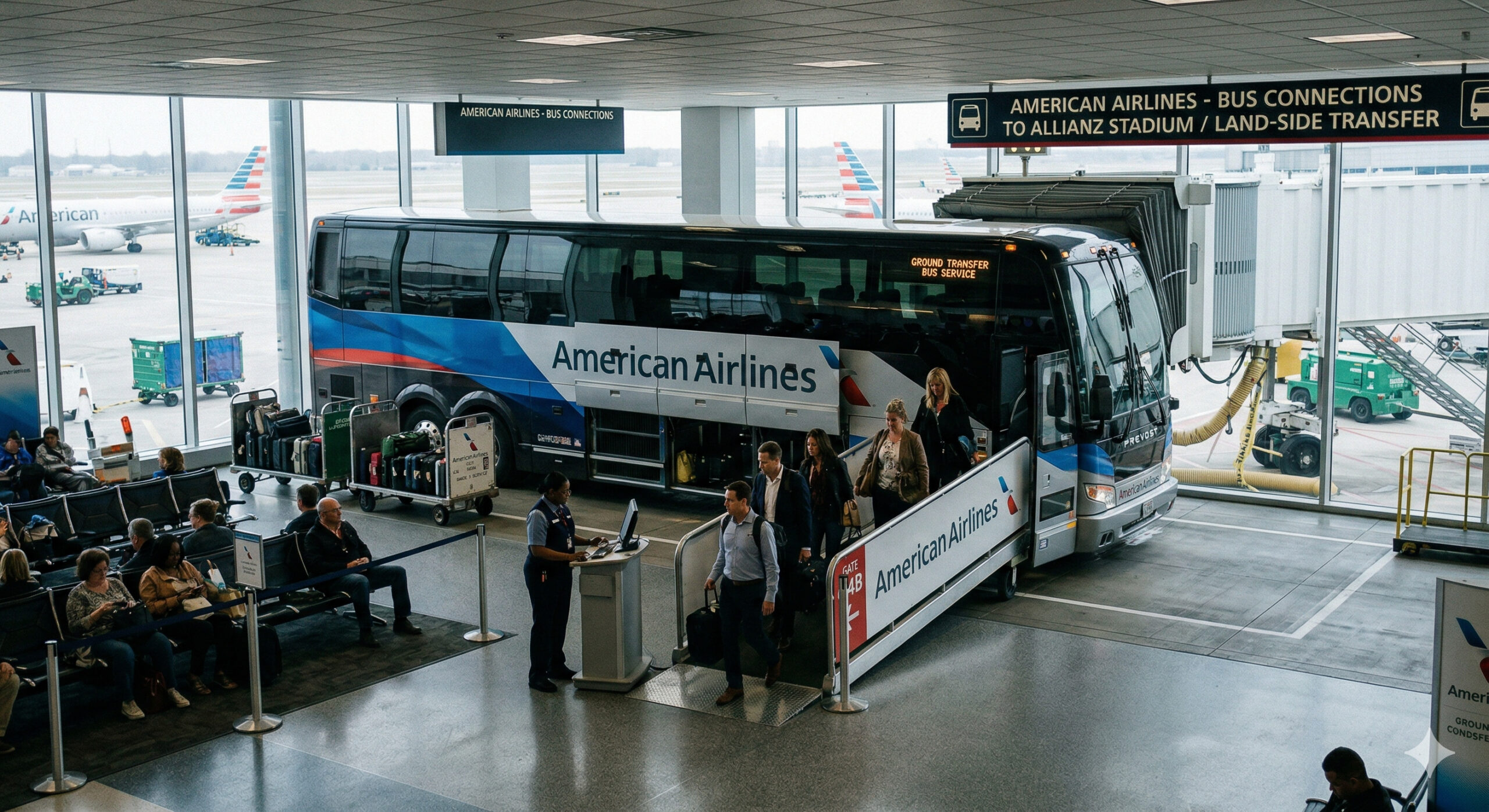
American Airlines starts selling trips as if they were flights, with check-in and baggage check at the airport, but on short routes, passengers board luxury buses connecting cities to major hubs in the U.S.
-
The government puts R$ 8.6 billion on the table to change the highway (BR) with 50 overpasses, 28 bridges, 4 tunnels, and 40 km of bike lanes in 180 km of historic duplication.

-
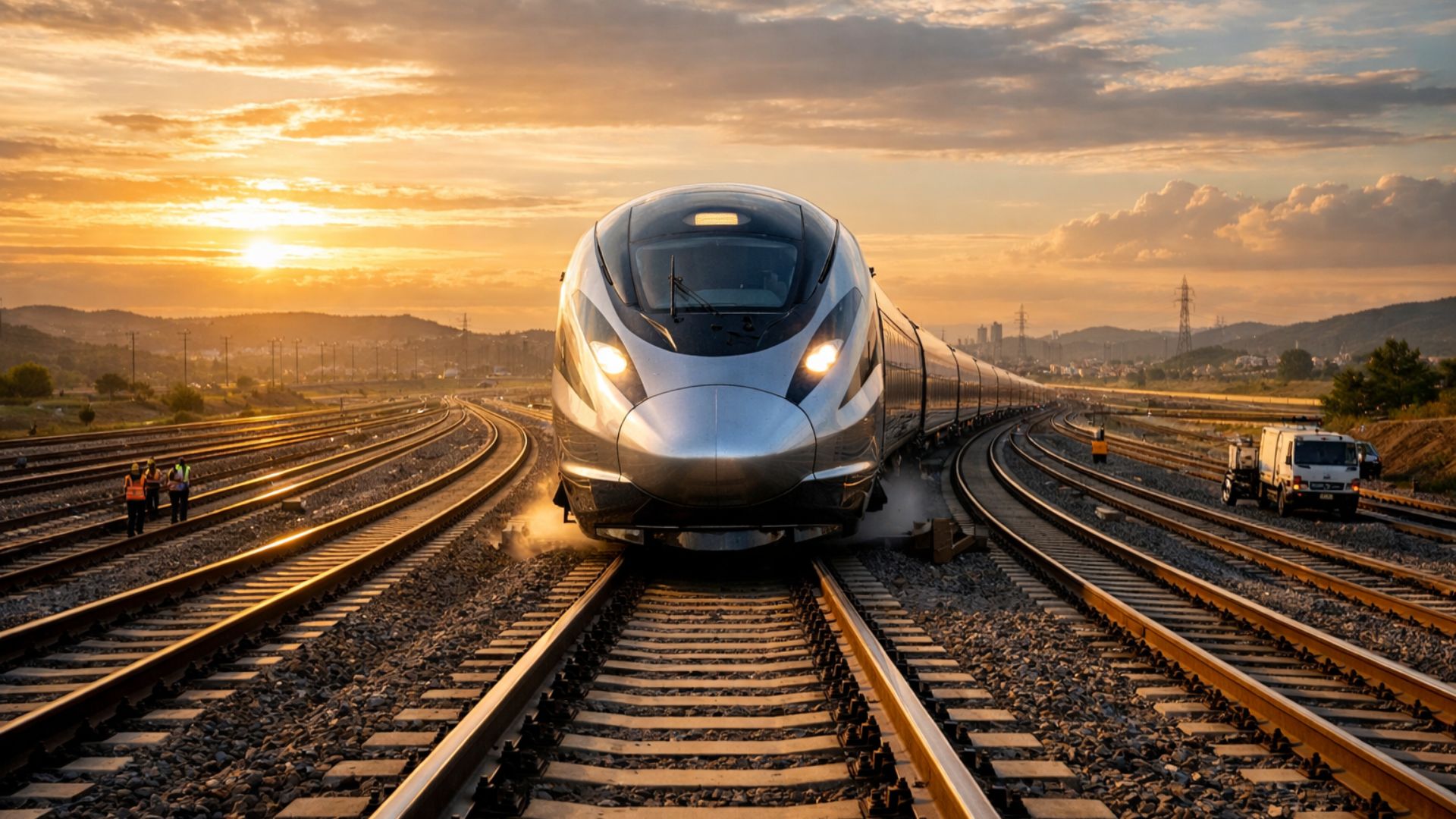
São Paulo surprises the world with a colossal railway network project that promises over 1,000 km of tracks, R$ 194 billion in investments, and 40 projects connecting the capital to the interior with fast and sustainable trains.
-
Oncorp wins auction and enables biodiesel and gas thermal plants in Brazil, with strategic projects in Suape and Xavantes Aruanã.


Management and Telemetry Technologies
Within this context, management technologies have become irreplaceable for ensuring both efficiency and safety in this vital market. Telemetry, for example, plays a central role by enabling remote monitoring of vehicles, drivers, and cargo. The ability to supervise all aspects related to transportation in real-time is one of the greatest advantages offered by telemetry.
With this resource, fleet managers can track the precise location of trucks, instantaneous speed, fuel consumption, and even harsh braking. Critical information can be accessed at any time, allowing for more informed and swift decision-making,’ highlights Victor Vilas Boas Cavalcanti, CEO of Infleet, a company that develops intelligent solutions in fleet management, including for heavy cargo.
Route Conditions and Vehicle Performance
The conditions of the routes and the performance of vehicles transporting heavy loads are crucial elements, as Victor emphasizes: ‘First, because certain loads are not allowed to circulate on specific roads. Having a predefined and monitored route helps companies avoid logistical problems and fines. Regarding vehicles, larger loads demand more from trucks, and with telemetry, it is possible to know the vehicle conditions in real-time.’
Another vital aspect is the care for one of the main ‘assets’ of the logistics sector: the drivers. To work with heavy loads, these professionals need not only technical training but also the support of managers. Telemetry becomes essential in this context, providing detailed monitoring of vehicle conditions and driver conduct. Data such as seatbelt use, RPMs, and engine temperature are used to encourage safer and more preventive driving.
Technical Training and Transportation Safety
This does not eliminate unforeseen events, but it certainly reduces the risks associated with human or mechanical failures,’ explains Cavalcanti. The civil engineering sector, which includes a wide variety of vehicles and machines, from trucks and tractors to cranes and excavators, is an example of how management technologies are fundamental. Beyond the financial aspect, due to the high costs of equipment, telemetry is crucial for fleet management, standing out for its ability to reduce accident rates.
According to data from the Regional Labor Superintendency of Minas Gerais, in 2022, there were 2.38 deaths due to work accidents in the country, with 3% of these in the civil construction sector, which has a high incidence of fatal accidents in road transport activities. Video telemetry emerges as a significant transformation in fleet management in the heavy cargo sector, promoting enhanced safety, cost reduction, and increased operational efficiency.
Video Telemetry and Fleet Management
By properly implementing this technology, companies can prevent accidents, minimize expenses, and improve productivity, fostering a safer and more efficient work environment,’ reinforces the CEO of Infleet. More information about Infleet can be accessed at https://infleet.com.br/ and about monitoring heavy machinery at https://infleet.com.br/blog/monitoramento-de-maquinas-pesadas/. Video telemetry offers enormous benefits for fleet management, bringing enhanced safety and more efficient resource management.
Source: © Infleet Press









Seja o primeiro a reagir!