





 Portuguese
  English
  Spanish
  6 min of reading
  0 comments


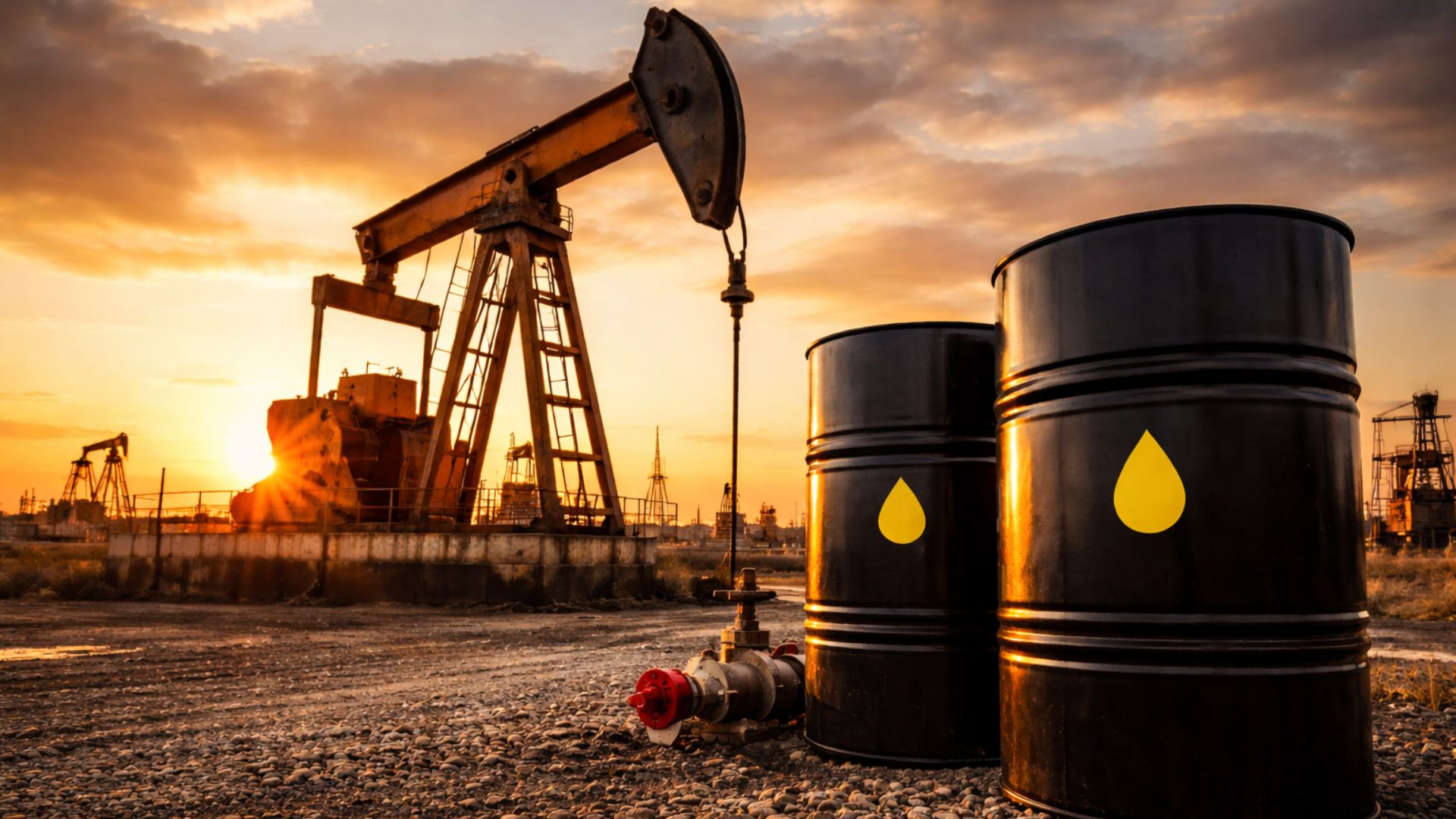
Global Energy Crisis Leads Countries to Assess Use of Strategic Oil Reserves to Contain Gasoline Price Increases and Ease Economic Pressure on Consumers and Markets.
Dozens of countries are evaluating a coordinated action to release strategic oil reserves in light of the recent increase in fuel prices in the international market. The initiative aims to temporarily boost energy supply and reduce the immediate impact on the value of gasoline, which has been pressuring economies and consumers in various countries.
According to an article published by G1 this Wednesday (11), the proposal gained momentum after a meeting among the 32 member countries of the International Energy Agency (IEA), held this Wednesday. During the meeting, the nations agreed to make available about 400 million barrels of oil from emergency reserves.
If confirmed, this will be the largest collective release of energy reserves ever recorded by the organization. The measure seeks to contain the market surge and reduce economic pressure on consumers, businesses, and governments heavily reliant on fossil fuels.
-
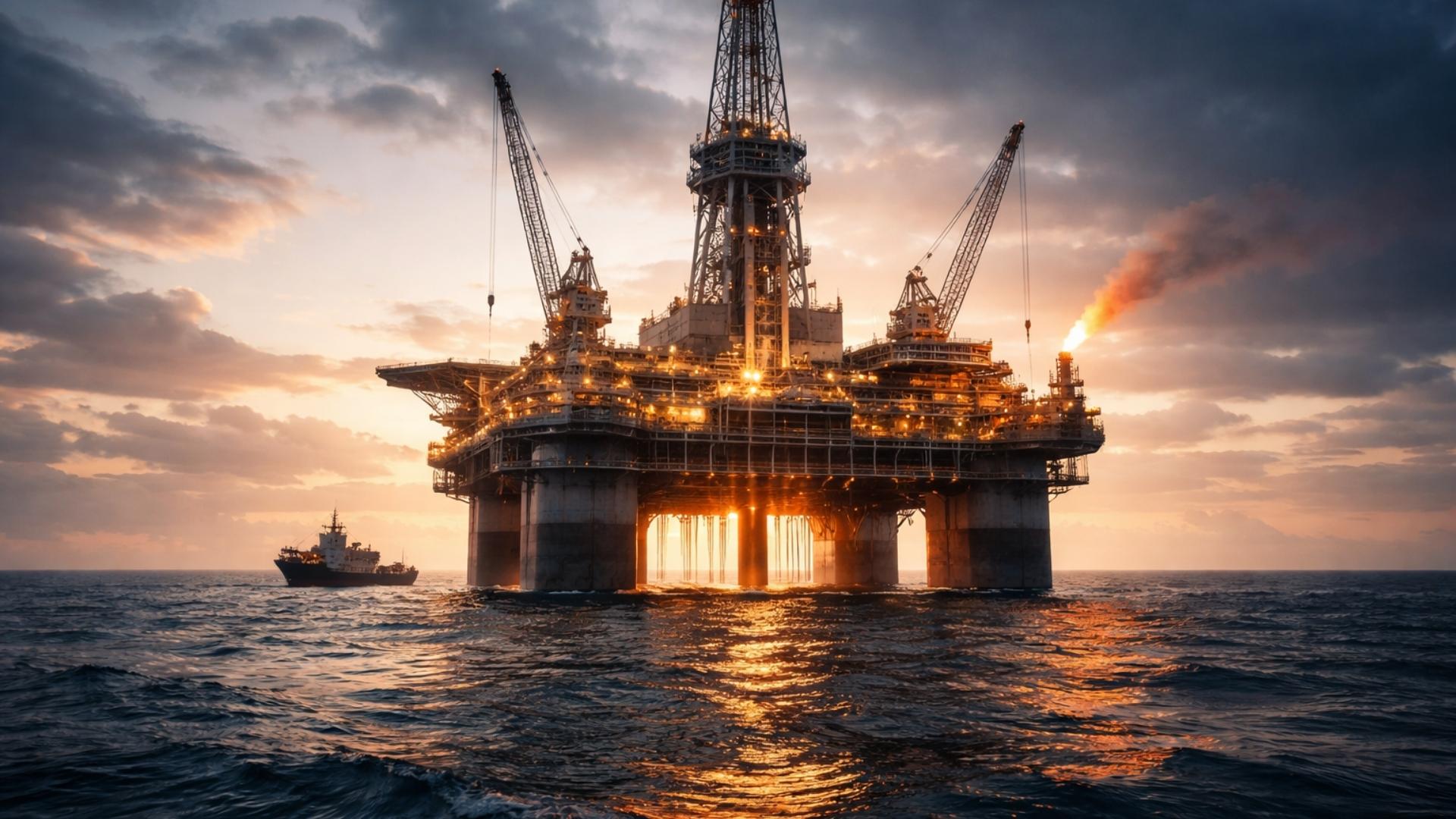
Petrobras surprises the world again by announcing a new discovery in the pre-salt with excellent quality oil.
-
Offshore industrial demand in Macaé skyrockets with the recovery of oil and gas and could grow by up to 396% by 2026 in the Campos Basin.
-
Offshore industrial demand in Macaé surges with the recovery of oil and gas and could grow by up to 396% by 2026 in the Campos Basin.
-
Brazilian giant expands borders in the Southeast: Petrobras confirms new oil discovery in ultra-deep waters in the pre-salt of the Campos Basin.


The decision comes at a time of significant geopolitical instability. The war in the Middle East has caused major logistical disruptions in energy transport, directly affecting the global oil market and contributing to the rise in prices of gasoline in different regions of the world.
Crisis in the Strait of Hormuz Intensifies Tensions in the Global Oil Market
The recent increase in volatility in the energy market is primarily linked to the blockade in the Strait of Hormuz, one of the most important maritime routes for global energy transport.
According to data from the International Energy Agency, about 20 million barrels per day of crude oil and derivatives passed through the region throughout 2025. This volume represents a significant portion of global energy flow.
The Strait of Hormuz is responsible for transporting approximately one-fifth of all oil and natural gas consumed worldwide. Any disruption on this route can have an immediate impact on the balance between supply and demand.
Currently, global production is around 100 million barrels per day, considering both crude oil and derivatives. When a logistics corridor of this magnitude faces restrictions, international prices react quickly, resulting in a new price increase for gasoline.
This scenario heightens economic pressure on various countries, especially those that rely on imported fuels to supply their domestic markets.
Emergency Reserves Total Billions of Barrels of Oil in IEA Countries
The strategic reserves of oil act as a form of global energy insurance. These reserves are maintained by governments and the industry to ensure supply security during crises or unexpected interruptions in supply.
According to data released by the International Energy Agency, member countries currently hold around 1.2 billion barrels of public emergency reserves. Additionally, there are approximately 600 million barrels of additional oil stored by the energy industry, kept due to regulatory requirements imposed by national governments.
These volumes allow countries to have a rapid response margin in the event of international crises. By releasing part of these strategic reserves, governments aim to reduce price increases and mitigate the economic pressure caused by rising gasoline prices.
Nevertheless, experts emphasize that these reserves should be used cautiously. As these are finite resources, their use is generally limited to situations deemed critical for the global energy market.
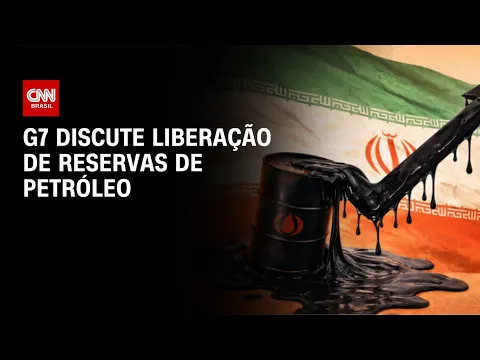

Japan, Germany, and the United Kingdom Anticipate Oil Release
Some countries have already started announcing their contributions to the possible emergency release of oil.
The Ministry of Economics of Japan announced that it intends to release about 80 million barrels from public and private reserves. The initiative is part of a collective effort to reduce the price increases of gasoline and ease economic pressure on consumers.
The United Kingdom, in turn, stated that it plans to make approximately 13.5 million barrels available to help boost global supply.
Germany has also indicated that it will participate in the coordinated strategy among IEA members. According to German Economics Minister Katherina Reiche, the United States and Japan are expected to be the largest suppliers in the emergency release of reserves.
Authorities indicate that the release schedule is still being defined. Initial quantities may start reaching the market in a few days, depending on the final decisions among the participating countries.
The expectation is that the measure will help contain market volatility and reduce the increase in gasoline prices that has been pressuring consumers.
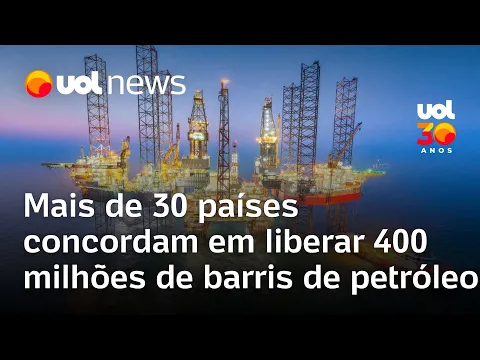
Release Rate of Strategic Reserves May Determine Impact on Fuels
Energy sector specialists assert that the pace of releasing strategic reserves may be as important as the total volume made available in the market.
Analysts consulted by Reuters emphasize that the manner in which the barrels will be distributed over time can directly influence international prices.
One example cited by experts suggests that if 100 million barrels of oil are released over the course of a month, it would represent about 3.3 million barrels per day additional in the market.
Even with this supply boost, the volume would still be lower than the current disruption caused by the crisis in the Strait of Hormuz. Estimates indicate that the blockade may affect approximately 20 million daily barrels that normally transit through the region.
Still, the measure could help reduce the increase in prices, offering some relief to the international market and diminishing the economic pressure caused by rising gasoline prices.
Increase in Oil Prices Pressures Inflation and Cost of Living
The increase in prices of oil often leads to widespread impacts on the global economy. The effect goes far beyond the price of gasoline at fuel stations.
When fuels become more expensive, entire sectors of the economy get affected. Transportation, logistics, agriculture, and industry directly depend on energy to maintain their operations.
The rise in transportation costs can raise the prices of food, industrial products, and services. This creates a cascading effect that amplifies inflation and reduces the purchasing power of the population.
This scenario increases economic pressure on governments, which must deal with higher costs in strategic areas such as public transportation, agricultural production, and energy supply.
For this reason, the release of strategic reserves of oil is often regarded as an important emergency measure to stabilize the market and reduce the increase in prices of fuels.
Coordinated Movements Aim to Prevent a Deeper Energy Crisis
The discussion among dozens of countries about releasing strategic reserves of oil illustrates the magnitude of global concern regarding the current energy scenario.
The planned release of 400 million barrels represents an attempt to temporarily balance the market in light of the logistical disruption in the Middle East. Although the volume is significant, analysts point out that the impact will primarily depend on the speed of distribution of these barrels.
If executed quickly, this measure could help contain the increase in prices and reduce some of the economic pressure caused by rising gasoline prices in various countries.
Still, experts emphasize that the lasting stability of the market will depend on the normalization of energy transport in the Gulf region and the reduction of geopolitical tensions.
Until that occurs, the strategic reserves remain one of the main tools available to prevent international crises from causing even greater impacts on the price of oil, gasoline, and the cost of living of the population.









Seja o primeiro a reagir!