





 Portuguese
  English
  Spanish
  4 min of reading
  0 comments


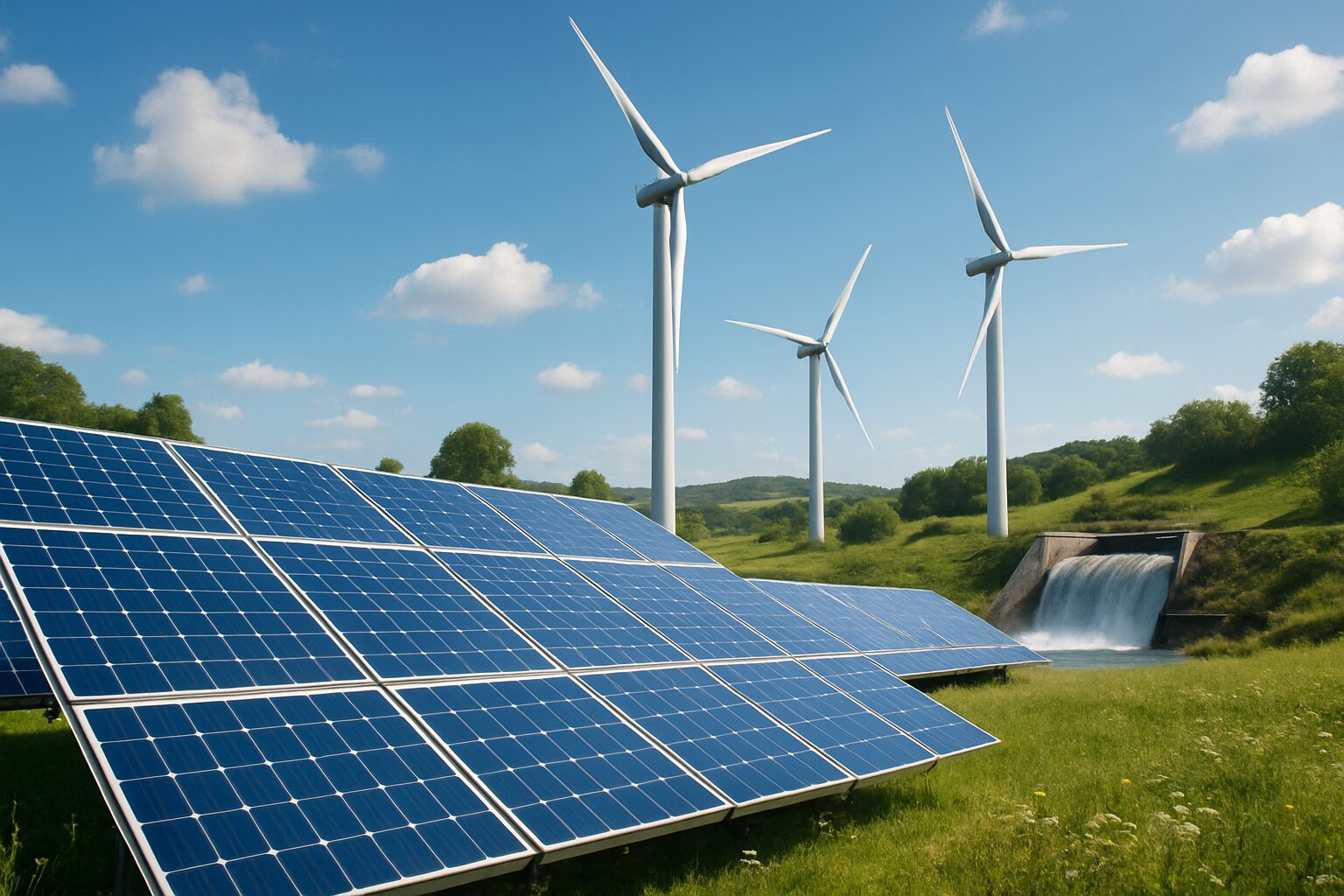
Discover Renewable Energy Tips That Help You Save Money, Preserve the Environment, and Make Conscious Choices with Sustainable, Accessible, and Practical Solutions for Everyday Life.
Since the Industrial Revolution, which occurred in the late 18th century, humanity has extensively used energy sources such as coal, oil, and natural gas to drive industry, transportation, and urban growth.
As highlighted by the International Energy Agency (IEA), this phase marked the beginning of the massive use of fossil fuels, which, while bringing progress, also generated significant environmental impacts.
However, as early as the 1970s, with the oil crisis and the first warnings about pollution and global warming, researchers and environmental agencies began to emphasize the need to seek alternative energy sources.
-
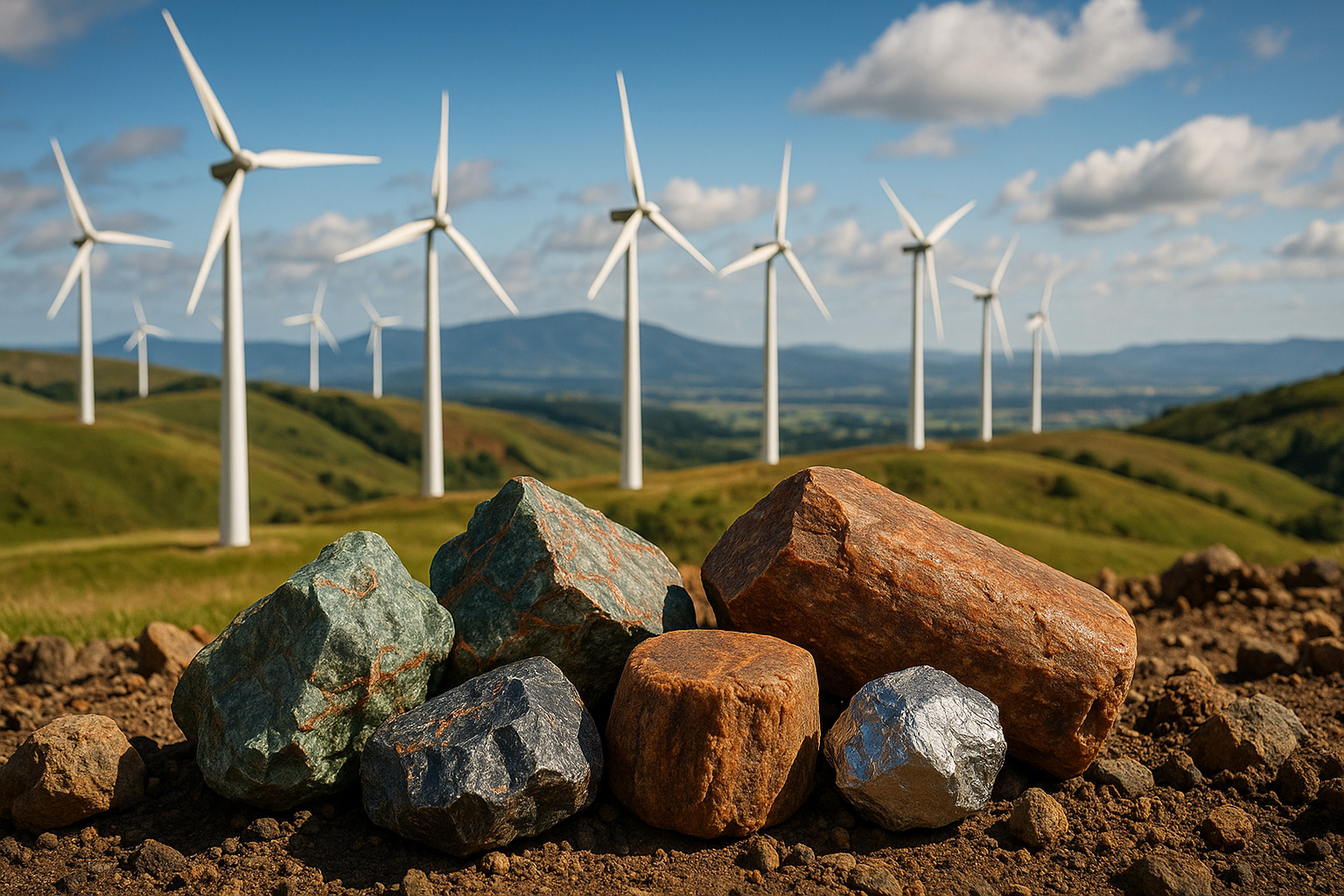
The Brazilian state accelerates industrial competitiveness with a focus on the extraction of strategic minerals to boost the energy transition in Goiás.
-
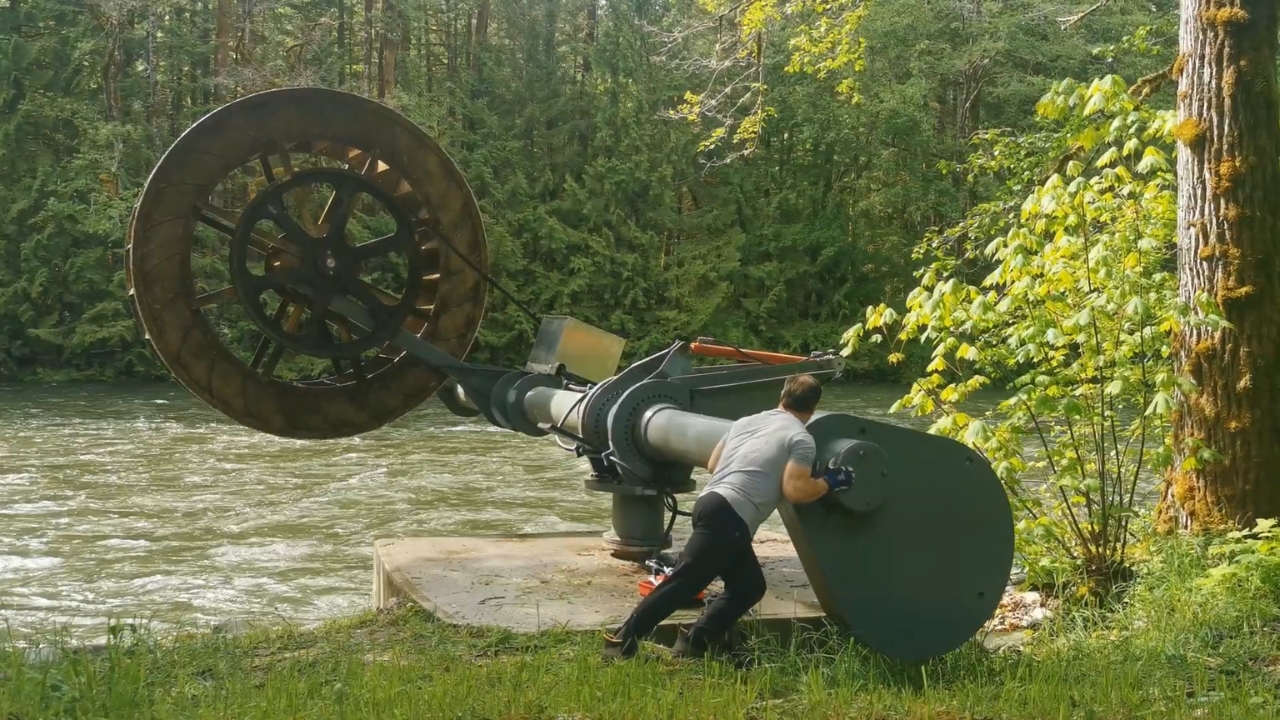
A Canadian retiree creates a hydroelectric system on a real river, generating energy continuously throughout the day and demonstrating how the power of water can supply a house with stability even in a simple structure.
-
Petrobras reaffirms its commitment to the market and ensures that it will carry out the energy transition safely to maintain national sovereignty.

-
Researchers discover a possible hydrogen deposit of up to 46 million tons beneath an ancient coal basin, and the volume could exceed half of the entire global production.


The report from the Intergovernmental Panel on Climate Change (IPCC), established in 1988, has reinforced since then that the transition to renewable energy is essential to reduce greenhouse gas emissions and curb the advance of climate change.
According to the National Institute of Energy Efficiency (INEE), renewable sources are those that naturally replenish, such as sunlight, wind, flowing water, and the Earth’s internal heat.
Unlike fossil fuels, these sources do not deplete with use and are less polluting, making them essential for the sustainability of the planet.
The rise in environmental awareness at the turn of the 21st century accelerated the expansion of clean and accessible technologies.
The International Renewable Energy Agency (IRENA), founded in 2009, reports significant growth in global installed renewable energy capacity, especially solar and wind, over the last fifteen years.
In Brazil, the Ministry of Mines and Energy (MME) indicates that solar capacity grew by more than 700% between 2017 and 2022, demonstrating the advancement of these technologies in the country.
Why Have Renewable Energies Gained So Much Importance?
Therefore, understanding this historical context and the recommendations from these institutions, it becomes clear that the renewable energy tips we present are not just trends.
They are part of a global movement that seeks to reconcile development with environmental preservation.
Thus, even if you are not an expert on the subject, you can contribute by adopting simple and accessible habits in daily life.
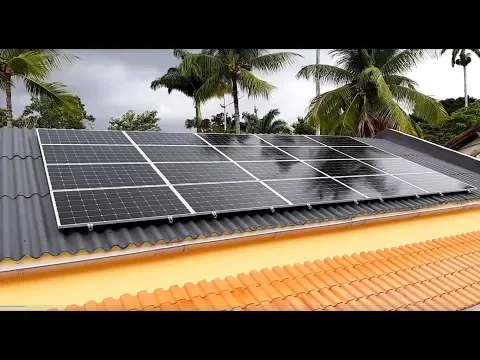
For example, the installation of photovoltaic solar panels, which convert sunlight into electricity, is a practice that has been growing significantly.
The Energy Research Company (EPE), linked to the federal government, confirms that this system, although it requires initial investment, provides savings on energy bills and reduces dependency on fossil sources.
Additionally, federal and state public policies have created incentives to facilitate access to these technologies, democratizing the use of solar energy.
Renewable Energy Sources You Need to Know
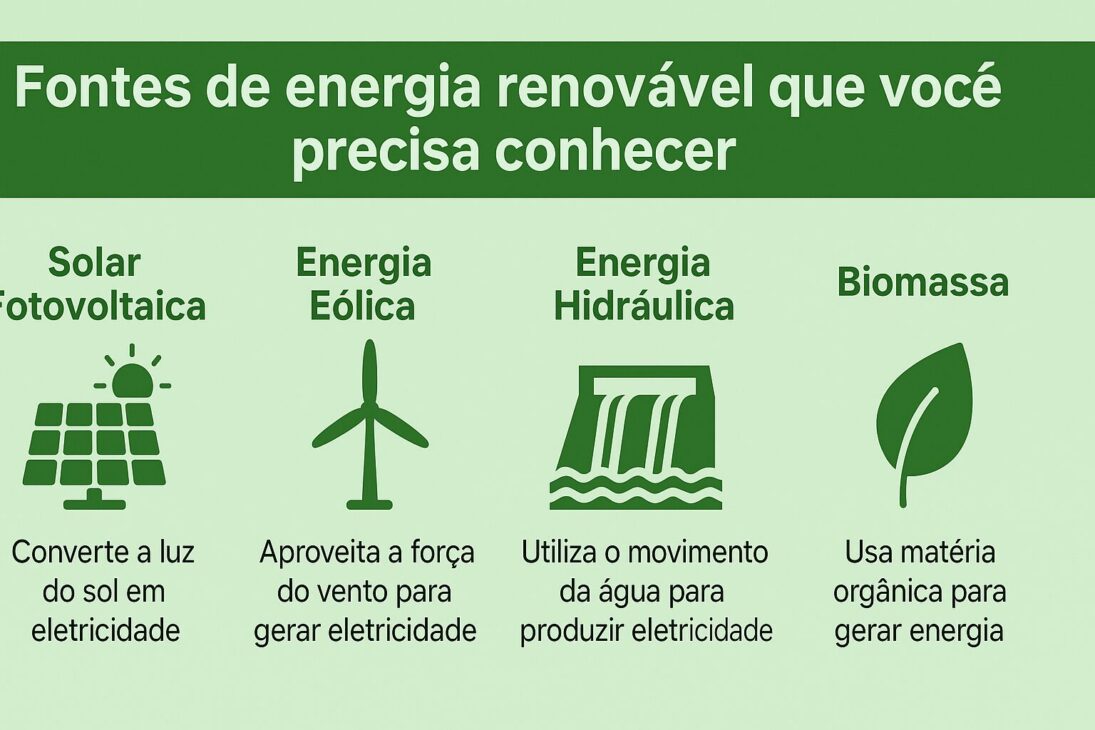
Another important source is wind energy, which harnesses the power of the wind to generate electricity.
According to the Brazilian Wind Energy Association (ABEEólica), Brazil is already one of the largest producers worldwide of this type of energy, thanks to its extensive coastline and regions with consistent winds.
On the other hand, hydropower, traditionally predominant in the country, accounts for about 60% of electric production, according to data from the Brazilian Association of Hydroelectric Energy (ABRADEE) in 2021.
However, it’s important to highlight that large hydropower plants can cause environmental impacts, such as flooding large areas and altering local ecosystems.
Thus, alternatives like micro-hydropower plants have emerged, which utilize small watercourses with lower environmental impact and can be a good solution for isolated communities.
In addition to these, biomass and geothermal energy are less explored but promising sources.
Biomass uses organic waste to generate energy, reducing waste and utilizing materials that would be discarded.
Geothermal energy, which harnesses the Earth’s internal heat, is widely used in countries like Iceland and New Zealand.
According to the report from the International Renewable Energy Agency (IRENA) in 2023.
How to Apply Renewable Energy Tips in Daily Life
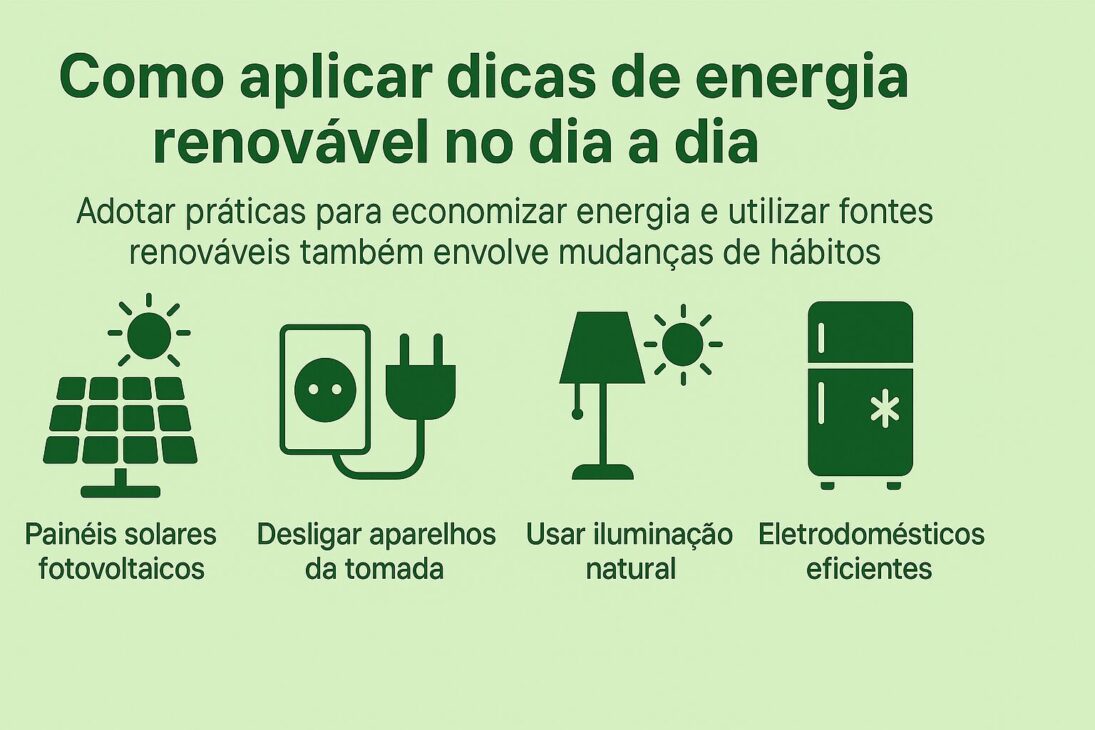
Adopting practices to save energy and use renewable sources also involves changing habits.
The National Electric Energy Agency (ANEEL) highlights that simple actions such as:
Unplugging devices, using natural lighting, and choosing efficient appliances can reduce household consumption by up to 20%.
Therefore, energy efficiency and renewable sources should go hand in hand to ensure an effective and sustainable transition.
The Role of Technology and Environmental Education
With the technological advancement, systems that were once restricted to large projects have become more accessible to homes.
According to the International Renewable Energy Agency (IRENA), the costs of solar panels have fallen by more than 80% in the last decade.
At the same time, environmental education plays an essential role in promoting understanding and engagement of the population.
The more people understand the impacts of energy sources, the more conscious their choices become, fostering a culture of sustainability.
Renewable Energy as a Path to the Future
Many countries have already set ambitious goals to increase the share of renewable sources in their energy matrices.
Brazil, due to its privileged location and natural resources, has the potential to further expand the use of solar and wind energy, generating jobs and driving technological innovation.
Thus, renewable energy tips represent not only savings and comfort but a commitment to the future of the planet.
Every step in this direction is crucial to preserve natural resources and ensure quality of life for future generations.








-

Uma pessoa reagiu a isso.