





 Portuguese
  English
  Spanish
  3 min of reading


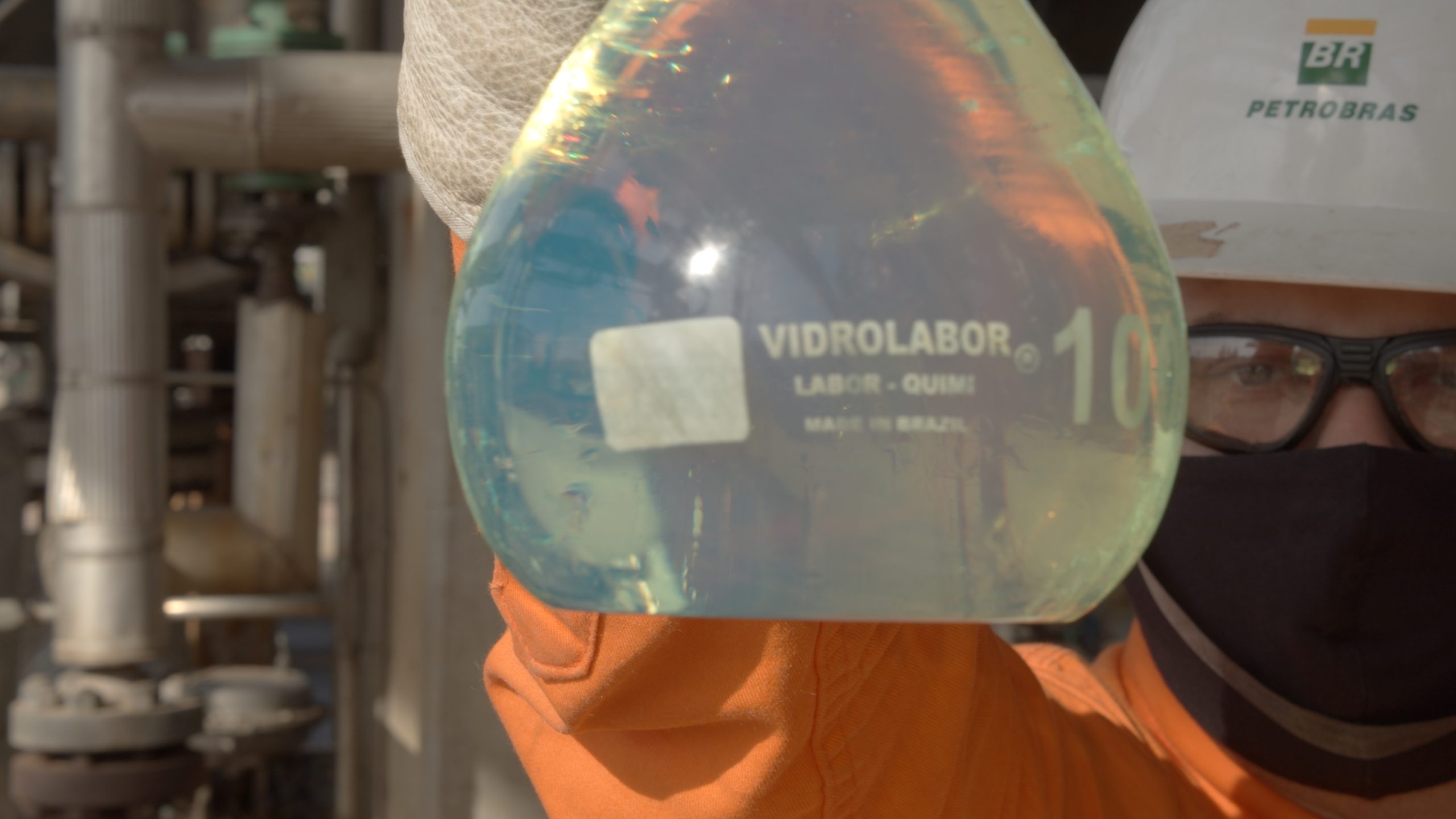
Renewable Diesel Tests Will Last Six Months To Evaluate Fuel Quality And Performance
According to the director of refining at Petrobras, the tests for renewable diesel will begin in January with clients to evaluate quality while new legislation allowing the product’s entry into the market is pending approval. The fuel, co-processed with vegetable oils, is produced at the Presidente Getúlio Vargas Refinery (Repar) in Paraná.
See Also:
- Working For The Future Every Day, Equatorial Energia Opens First Fully Free Charging Station For Electric Cars In Maranhão; Filling The Tank Of A Combustion Car Costs About R$ 250.00
- With The Increase In Demand For Renewable Fuels And Environmentally Friendly Vehicles, Major Brands Are Seeking Alternative Energy Sources, Including Synthetic Gasoline
- Hiring In The Oil And Gas Sector Grows By Over 400% And 335,000 Jobs Are Expected To Open By 2030
The tests for the new diesel will last six months with the support of a distributor and a bus fleet operator, whose names have not been publicly revealed. Petrobras has already achieved success in tests at Repar in 2020, but aims to establish the product’s effectiveness through this new testing phase. Should success be confirmed, it may increase the proportion of non-fossil content in diesel sold in the country.
The director of Refining and Gas at Petrobras, Rodrigo Costa, stated that the initiative aims to keep pace with the automotive sector’s shift towards renewable energies, which is already heading towards electrification and energy transition.
-
New escalation of tensions and oil crisis in the Middle East forces world powers to accelerate energy transition plans.
-
Giant reservoirs with a capacity of 18 million cubic meters have turned Fujairah into one of the largest energy vaults on the planet. This facility, located outside the Strait of Hormuz, stores oil on a colossal scale and has become a silent piece that supports the global flow of fuels.

-
The next exploration auction in the pre-salt will offer 23 blocks in the Campos and Santos basins and may change the interest of oil companies in Brazil.

-
The next exploration auction in the pre-salt will offer 23 blocks in the Campos and Santos basins and could change the interest of oil companies in Brazil.

“It is a refinery that is accompanying the energy transition… (Such investments) combine an obligation we have, which is to continue operations in the business, and also adds value, making the asset (for sale) even more attractive,” he said.
Repar has a production capacity of 114,000 tons of renewable diesel per year from the co-processing of refined soybean oil.
Composition Of The New Diesel
To continue the tests, a distributor will add the new product to the diesel sold at stations that currently have a mix of fossil diesel with 10% biodiesel. After this mixing process, Rodrigo Costa explained that the product that will run in the tank will consist of 5% renewable diesel from Petrobras and 10% ester-based biodiesel.
In the end, 15% of renewable fuel will be available for customers without any interference, as the co-processed diesel has the same molecular structure as fossil diesel, allowing for seamless blending.
Strategic Plan Of Petrobras
The production of renewable diesel is part of Petrobras’ project to introduce fuels produced from new technologies into the Brazilian market. In the 2022-2026 strategic plan, the oil company intends to invest US$ 600 million in new production units, but still depends on regulatory advancements in the country for this to occur.
“We see consumers and the market demanding a lower carbon footprint, with increasingly cleaner products, and refining is also transforming alongside this evolution, and biorefining is certainly a lever for transformation that we understand as inevitable,” declared Costa.
The investment includes adaptations in the Paulínia (Replan) and Cubatão (RPBC) refineries, both located in São Paulo, so that together they will have the capacity to produce a total of 505,000 tons per year of renewable fuel. To achieve this goal, Petrobras requires the Government to include renewable diesel in the blending mandates for mineral diesel sold at gas stations.









Seja o primeiro a reagir!