





 Portuguese
  English
  Spanish
  6 min of reading
  0 comments


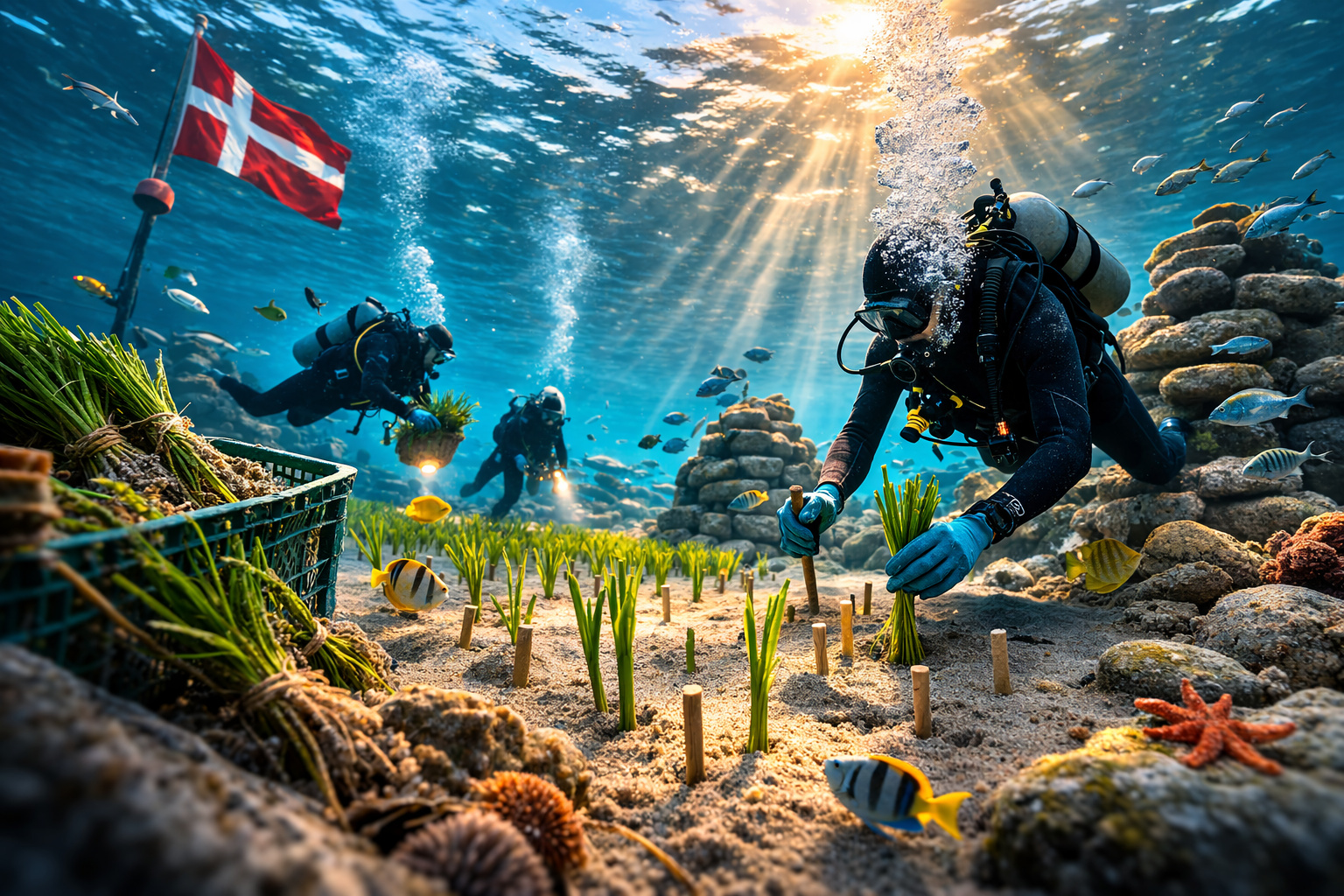
With Divers And Submarine Planting Techniques, Project In Denmark Tries To Recover Destroyed Ecosystems And Restore Coastal Biodiversity.
Since The Early 20th Century, Denmark Has Lost Between 80% And 90% Of The Eelgrass Meadows That Grew Along Its Coasts And Fjords. At The Beginning Of The Last Century, These Underwater Meadows Covered Approximately 6,700 Square Kilometers Of Danish Coastal Waters, Equivalent To About One-Seventh Of All Marine Areas In The Country. Historical Records Show That The Eelgrass Meadows In Denmark Suffered Huge Losses After The wasting disease, Which Affected Marine Ecosystems In Various Parts Of The World During The 1930s. By 1941, The Area Occupied By Eelgrass Was Estimated To Be Only 8% Of The Level Recorded In 1901.
The Loss Of These Meadows Affects Not Only Fish And Other Species That Depend On This Habitat. Eelgrass Also Plays An Important Role In Marine Carbon Storage, Being Considered An Important Natural Carbon Sink. Even After Significant Reductions In Nutrient Load In Coastal Waters, The Expected Recovery Of The Meadows Has Not Fully Occurred. Researchers Point Out That This Is Due To Negative Feedback Mechanisms, Including Physical And Biological Disturbances That Hinder The Transition From Seeds To Established Seedlings On The Seabed.
Only Five Of The 109 Coastal Zones In Denmark Are Considered Healthy
Although Denmark Is Often Seen As A Country With A Strong Environmental Record, Data From The Danish Environmental Agency Shows That Only Five Of The 109 Coastal Zones In The Country Are Currently Classified As Healthy.
-
Scientists have finally discovered where the plastic that disappeared from the oceans went, and the answer is frightening: it fragmented into such tiny particles that they became invisible and now there are 27 million tons of nanoplastic just in the North Atlantic.
-
The Artemis II mission will take the Orion capsule back to the vicinity of the Moon with four astronauts, a private bathroom with a curtain, a system adapted for men and women, and a level of comfort that highlights how the Apollo era operated at the rawest limits of space exploration.

-
Giant structures on the seabed precisely control oil and reveal how high-tech underwater valves work.
-
China has just tested a giant drone the size of a fighter jet with a wingspan of 25 meters that carries 6 tons, flies for 12 hours, and the most frightening part: it can launch entire swarms of smaller drones directly from the air.


Much Of The Danish Fjords Suffer From Eutrophication, A Process In Which Nutrients From Land Runoff — Mainly From Agriculture — Accumulate In Water Bodies.
This Excess Of Nutrients Stimulates The Growth Of Microscopic Algae, Which Can Cover The Water Surface, Block Light Entry, And Reduce Dissolved Oxygen Levels, Harming Aquatic Plants And Marine Fauna.
Agricultural Activities
Denmark Is One Of The Largest Pork Producers In Europe And Uses More Than 60% Of Its Territory For Agricultural Activities, One Of The Largest Proportions In The World. Intensive Use Of Fertilizers And Animal Waste Management Contribute To The Transport Of Nutrients To Rivers And Coastal Areas.
Over The Last Century, The Danish Coastal Zone Has Undergone Profound Changes. Extensive Eelgrass Meadows Have Disappeared In Many Shallow Regions, While Stone Reefs Have Been Removed From The Seabed For Use As Construction Material.
The Loss Of These Habitats Has Affected Various Marine Species And Coastal Birds. Additionally, Many Areas Suffer From The Phenomenon Known As Coastal Squeeze, When Coastal Habitats Become Compressed Between Sea Encroachment And Human Structures Along The Coast.
Limfjorden Lost A Large Part Of Its Seagrass Meadows Throughout The 20th Century
The Limfjorden, Located In Northern Jutland And Covering About 1,500 Square Kilometers, Provides A Clear Example Of The Collapse Of Seagrass Meadows In Denmark. Around 1900, It Was Estimated That About 345 Square Kilometers Of The Fjord Were Covered By Eelgrass. After The Wasting Disease Epidemic In The 1930s, Coverage Dropped Drastically.
By 1942, The Total Coverage Of Eelgrass In Denmark Had Been Reduced To Approximately 540 Square Kilometers, Only 7% Of The Distribution Recorded In The Early Century. In Limfjorden, The Eelgrass Population Fell To About 84 Square Kilometers In 1994, Corresponding To Only About 5% Of The Estuary Area.
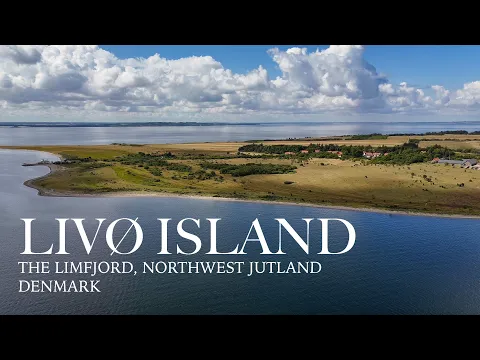

Even After A Small Initial Recovery, Coverage Has Declined Again In Many Areas, Largely Due To Eutrophication Caused By Excess Nutrients. Research Data Show That Coverage In Limfjorden Fell From About 95 Square Kilometers In 1994 To Just 18 Square Kilometers Between 1998 And 1999.
During The 1970s And 1980s, Nutrient Loading In The Fjord Increased Significantly, Deteriorating Water Quality.
Currently, Eelgrass Is Considered A Key Indicator Species For Marine Water Quality In Europe, Used In Environmental Assessments Under The European Union Water Framework Directive.
Vejle Fjord Records Ecological Collapse With Only One Fish Observed In 70 Hours
The Severity Of Marine Degradation Was Also Evidenced In The Vejle Fjord. An Underwater Camera Installed By The Municipality Recorded Only One Fish In 70 Hours Of Recording, Indicating An Almost Total Collapse Of The Local Ecosystem.
Like Other Fjords In Denmark, The Vejle Fjord Suffers From Eutrophication, Which Increases Algal Proliferation And Reduces Oxygen Availability.
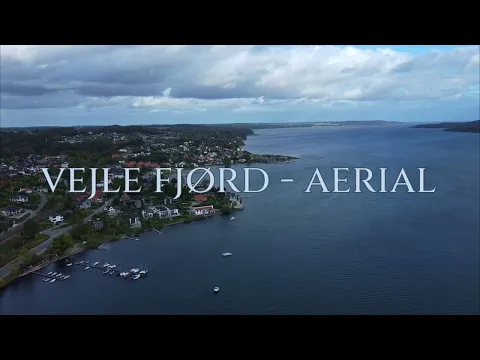
In Response, Researchers And Volunteers Have Started Restoration Initiatives. Under A Tent Set Up On The Shores Of The Fjord, Scientists And Participants Prepare Eelgrass Shoots For Transplanting On The Seabed.
The Shoots Are Wrapped In Biodegradable Nails, Which Allow Them To Be Temporarily Fixed To The Sediment Until The Plants Establish Themselves. Divers Take These Shoots To The Seabed And Plant Them Manually.
Since 2020, Over 100,000 Eelgrass Shoots Have Been Planted In About Six Hectares Of The Seabed, Aiming To Restore The Lost Habitat.
Experiment In Horsens Fjord Shows Rapid Recovery After Eelgrass Transplant
Researchers From The University Of Southern Denmark Investigated Whether Active Restoration Could Recover Eelgrass Meadows. In An Experiment Led By Biologist Troels Lange, 14,400 Eelgrass Shoots Were Transplanted In The Horsens Fjord, Organized In An Experimental Field Of Approximately 51 By 78 Meters.
After Just Over Two Years, The Results Were Impressive. Plant Density Increased About 70 Times, Reaching Approximately 1,005,000 Shoots. The Occupied Area Also Expanded, From 768 Square Meters To About 1,282 Square Meters.
Previous Experiments That Attempted To Restore Eelgrass Using Only Seeds Had Limited Results, With Losses Reaching 99.9% Of The Planted Seeds. Therefore, Many Projects Have Started To Prioritize The Direct Transplantation Of Seedlings.
Sejerø Bay Receives Major Marine Restoration Project Of €4.4 Million
The Sejerø Bay, Located In The Northeast Of Zealand Island, Is At The Center Of One Of Denmark’s Largest Marine Restoration Projects.
About A Century Ago, The Bay Was An Extremely Rich Ecosystem. Eelgrass Meadows Grew Extensively, While Stone Reefs And Blue Mussel Beds Supported Large Populations Of Fish. Bluefin Tuna And Seals Were Frequent Visitors.
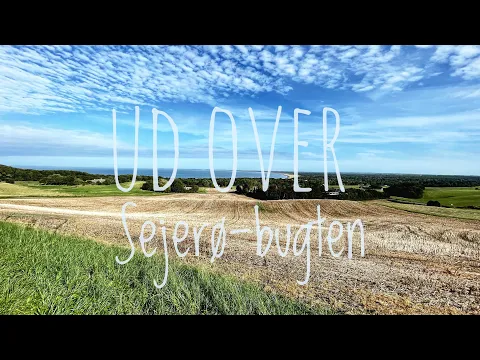
However, Decades Of Stone Extraction From The Seabed, Trawling, And Nitrogen Runoff From Agriculture Destroyed Much Of These Habitats. Now, The Sejerø Seascape – Nature Back To The Bay Project Seeks To Restore This Ecosystem.
In The Next Five Years, The Plan Includes:
- Planting Eelgrass
- Releasing 500,000 Juvenile Cod
- Reconstructing 2,000 To 6,000 M³ Of Stone Reefs
- Creating 4 To 6 Hectares Of Blue Mussel Beds
The Bay Has Approximately 80,000 Hectares Of Total Area. The Project Is Led By WWF Denmark, In Partnership With Universities, Municipalities, And Environmental Organizations. Funding Of 33 Million Danish Crowns (About €4.4 Million) Comes From The Endangered Landscapes And Seascapes Programme (ELSP).
Stone Extraction Removed Up To 14.4 Million Tonnes Of Material
Between The 1960s And 1980s, It Is Estimated That Between 5.7 And 14.4 Million Tonnes Of Stone And Gravel Were Extracted From Marine Reefs In Sejerø Bay For Use In Construction. This Activity Destroyed Natural Reefs And Accelerated The Loss Of Essential Habitats For Fish And Other Marine Species.
The Biodiversity Of The Bay Has Drastically Decreased. Eelgrass Meadows Have Disappeared, Cod Stocks Have Collapsed, And Several Species Of Seabirds Have Lost Feeding Areas.
Today, Much Of These Historical Habitats Remains Degraded.
Seagrass Meadows Are Essential For Biodiversity And Coastal Protection
Eelgrass Meadows Provide Fundamental Ecological Services For Marine Ecosystems. These Areas Function As Natural Nurseries For Various Fish Species, In Addition To Providing Shelter For Crustaceans And Mollusks.
Furthermore, They Help Stabilize Sediments And Reduce Wave Energy, Contributing To Coastal Protection Against Erosion And Storms.
For This Reason, Restoring These Meadows Is Seen Not Only As A Strategy For Biodiversity Conservation But Also As A Way To Increase The Climate Resilience Of Coastal Regions.
European Program Funds Marine Restoration In Nearly 3 Million Hectares
The Endangered Landscapes And Seascapes Programme Allocated About $25 Million In Funding For Seven Large-Scale Marine Restoration Projects In Europe.
Together, These Projects Cover Nearly 3 Million Hectares Of Marine And Coastal Environments, An Area Comparable To The Size Of Belgium.
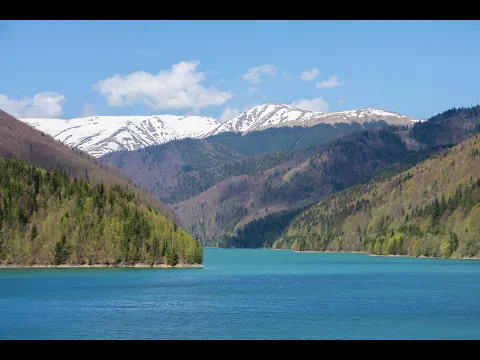
The Goal Is To Recover Degraded Habitats, Improve Ecological Connectivity, And Strengthen The Protection Of Some Of The Most Important Marine Ecosystems On The Continent.
Denmark Leads European Efforts To Restore Seagrass Meadows
The Restoration Of Eelgrass Meadows Has Become An Environmental Priority In Denmark. The Dramatic Loss Of Up To 90% Of The Original Cover Has Mobilized Scientists, Governments, And Local Communities In A Coordinated Effort To Restore These Ecosystems.
Projects Like The Sejerø Bay Initiative Represent The Culmination Of Decades Of Scientific Research And Restoration Technique Development.
The Expectation Is That Initiatives Like This Will Serve As A Model For Other Countries Facing Similar Challenges In Recovering Degraded Marine Ecosystems.







-

-

-

-

-

17 pessoas reagiram a isso.