





 Portuguese
  English
  Spanish
  5 min of reading
  0 comments


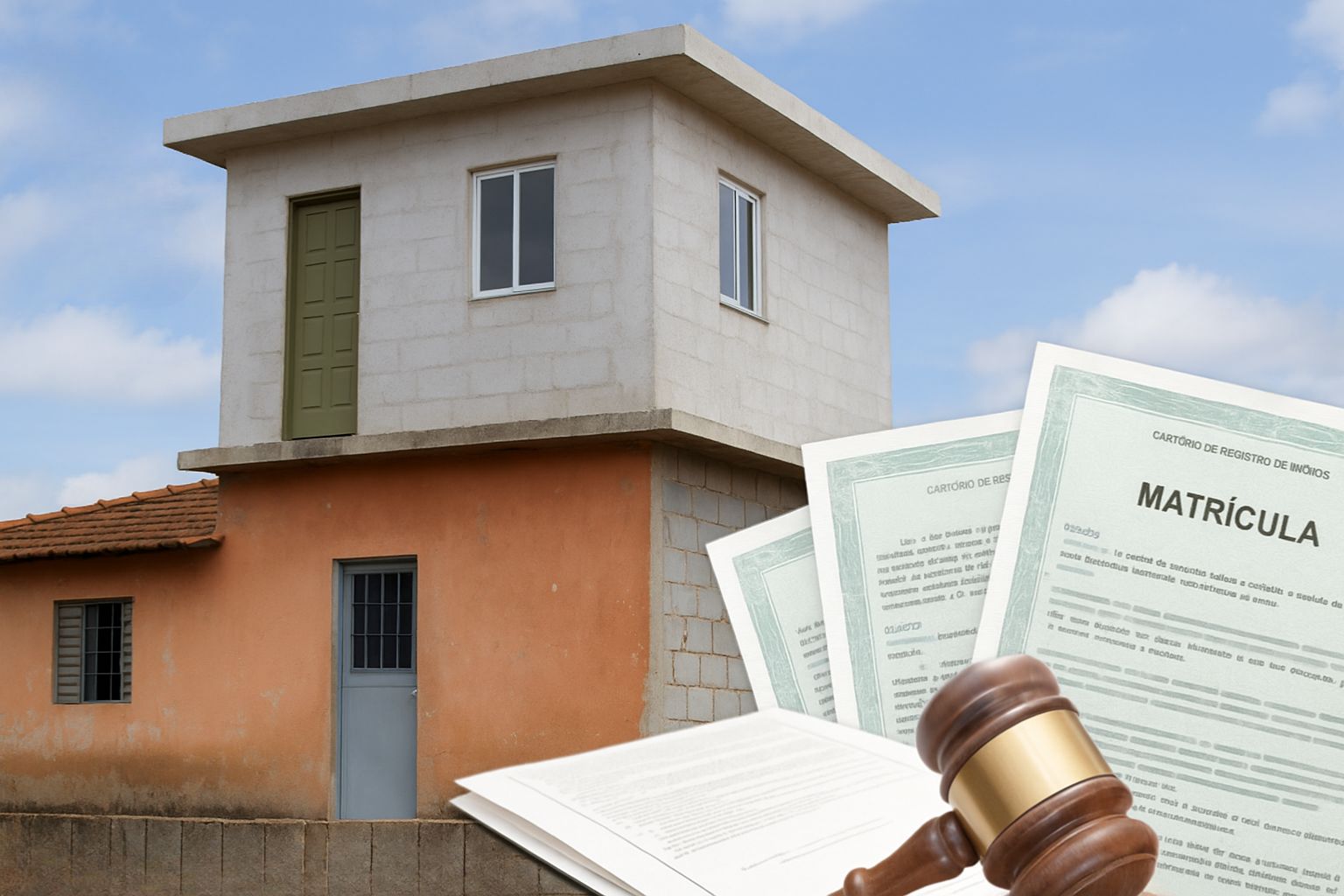
Created By Law 13.465/2017, the Legal Institute Allows Overlapped Constructions to Be Transformed into Independent Properties, with Registration at the Notary Office and Possibility of Autonomous Sale.
In many Brazilian cities, especially in large metropolitan areas, it is common to find houses built one on top of the other. A child who builds a dwelling on top of their parent’s house, a sibling who takes advantage of the existing structure to build a new floor, or even families that share the same land dividing the construction into levels. For years, these situations remained in a legal limbo: there was no way to formalize these units at the real estate registry, which prevented sale, inheritance transmission, and even access to financing.
It was to respond to this reality that the Real Right of Laje emerged, created by Law 13.465/2017, which included articles 1.510-A and following in the Civil Code. The law recognizes that the overlapped construction can be more than an extension of the original house: it can become an autonomous property, with its own registration and recognized property rights.
How The Own Registration Works
The central point of the institute is the possibility of opening an individual registration at the real estate registry for the unit built on top (or below) the base building. With this, the owner of the laje gains rights similar to those of any property owner: they can use, rent, sell, donate, or transfer the property via inheritance.
-
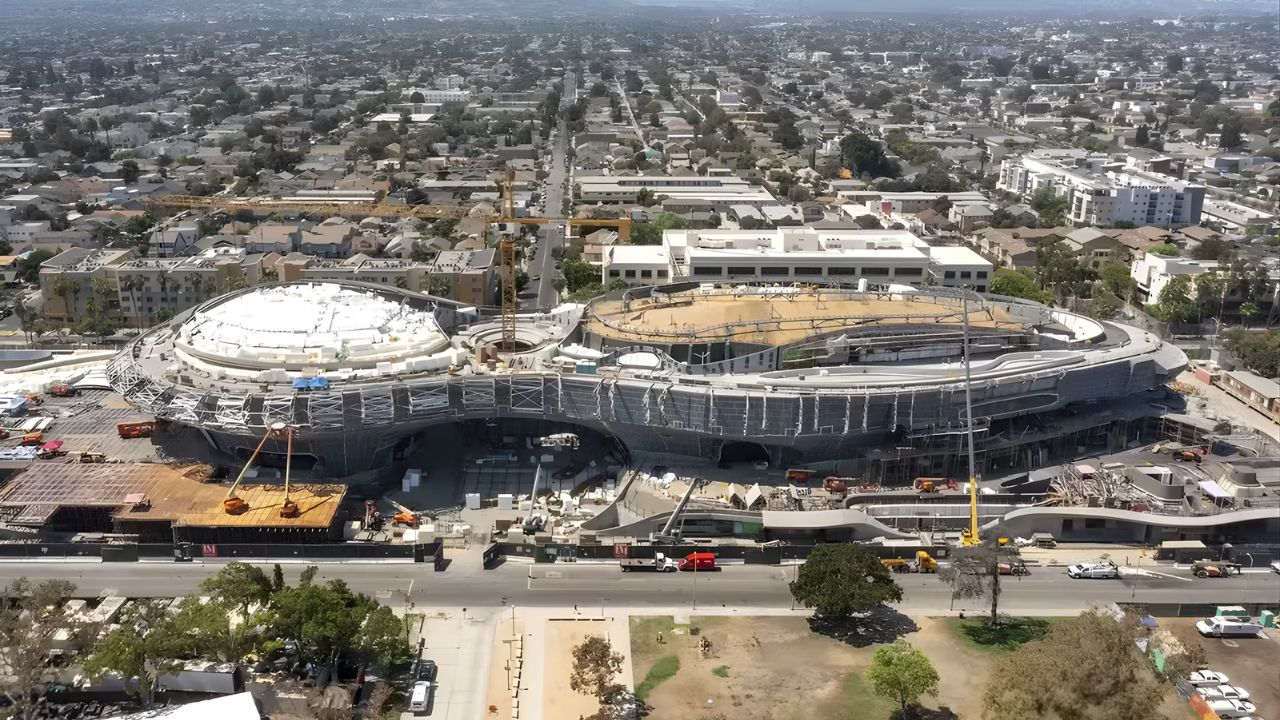
Created by George Lucas with over $1 billion, a futuristic museum in the shape of a spaceship with 1,500 curved panels is about to open in Los Angeles and will house one of the largest private collections of narrative art in the world.
-
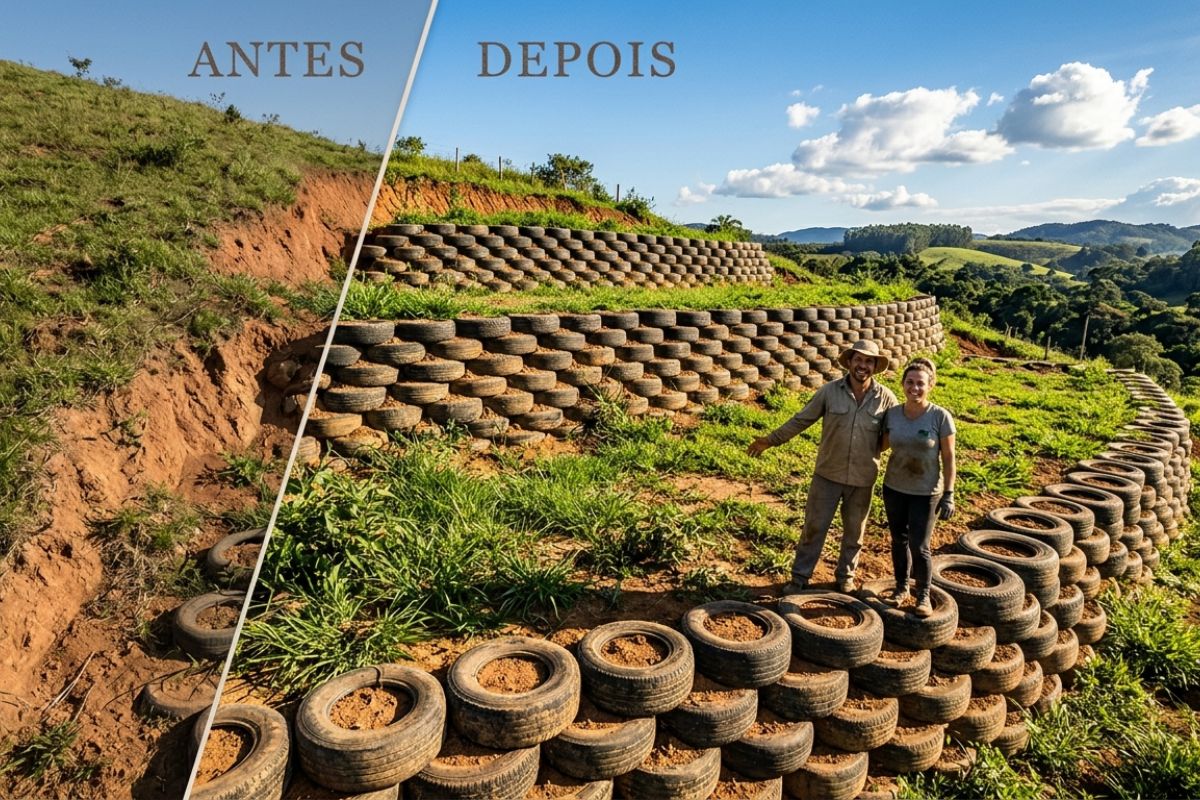
Couple shows how they built a retaining wall on their property using 400 old tires: sloped land turned into plateaus, tires are aligned, filled, and compacted with layers of soil, with grass helping in support and at almost zero cost.
-
Engineer explains drainage during the rainy season: the difference between surface water and deep water, ditches, gutters, and water outlets on the road, as well as drains and drainage mattresses, to prevent erosion, aquaplaning, and flooding at the construction site today.

-
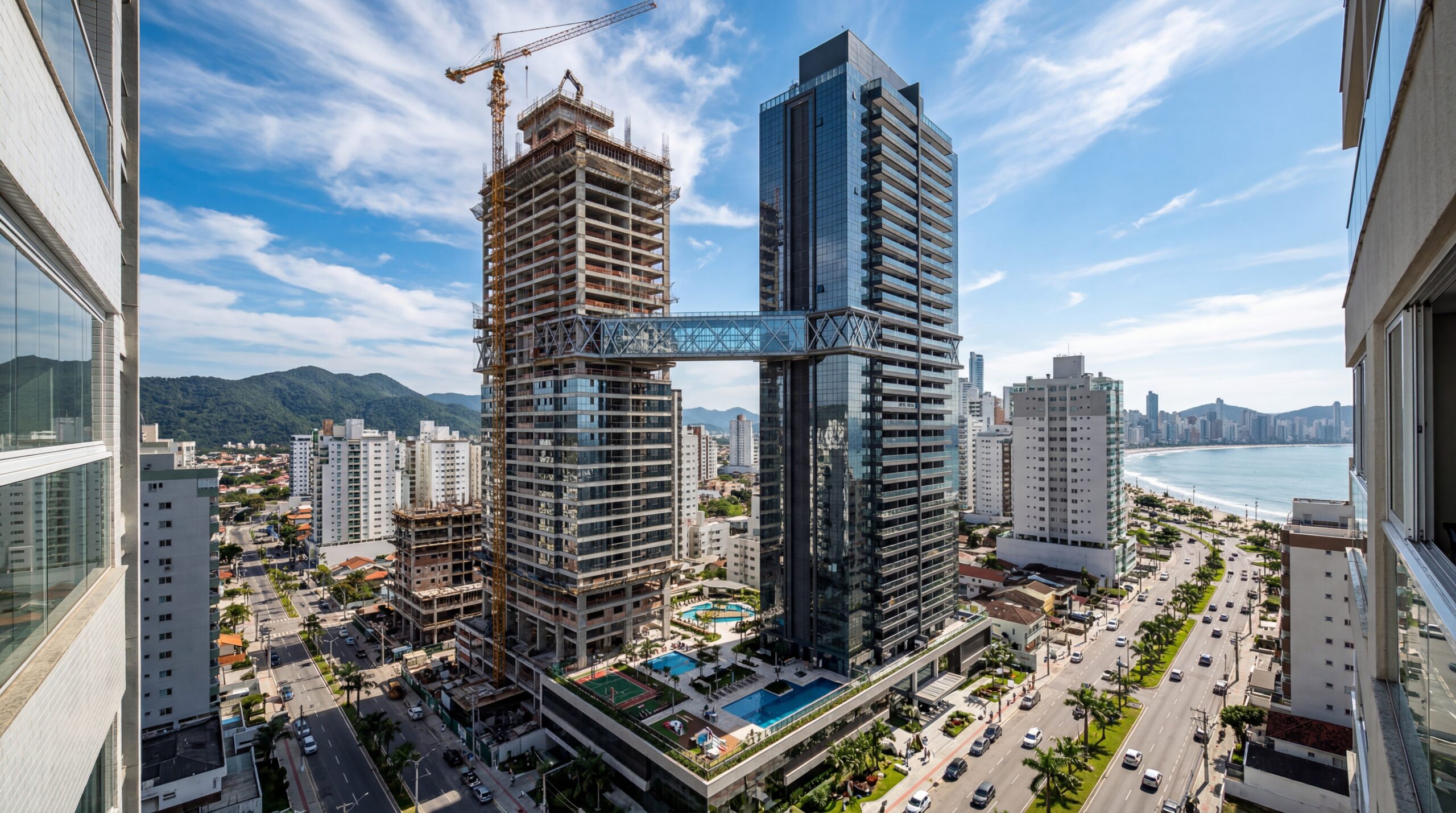
With 55 floors, 177 meters in height, a 15-meter walkway between the twin towers, ventilated facade, and 6,300 m² of leisure space, Ápice Towers already has one tower completed and another nearly at the top.

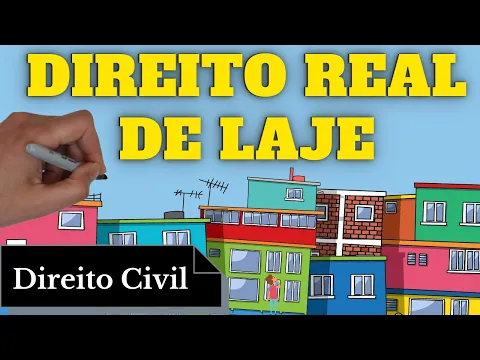

This change has a profound impact. Imagine the child who built on top of their parent’s house and, until then, had no security regarding their investment. With the own registration, they can sell their part, register the property in their name, take out a loan using the unit as collateral, and even legally transfer it to their children. The property, which was previously outside the formal market, now has exchange value and recognized patrimonial worth.
What The Law Changes Regarding The Land
It is important to highlight, however, that the real right of laje is not identical to a traditional condominium. The owner of the laje does not acquire an ideal fraction of the land where the construction is built. In other words, the soil continues to belong to the owner of the original house, and the new owner of the laje does not have automatic participation in common areas such as yards or garages.
This legal detail differentiates the laje from other property regimes. What is created is an independent unit “on top,” but without sharing ownership of the land. This solution was designed to provide security to overlapped constructions without generating even greater conflicts over land division.
The Sale and The Right of Preference
Another important aspect is related to the commercialization of these units. The owner of the laje can freely sell their part, but the law establishes a preference order. First, the owner of the original building has the right to buy the laje if it is put up for sale. If they do not exercise this right, other owners of lajes in the same building can express interest. Only then can the sale be made to third parties.

This rule prevents internal disputes and provides greater legal stability in relationships between neighbors. Still, the innovation represents a significant advancement, as it opens up a real estate market that was previously invisible: that of overlapped homes, very common in densely urban areas.
Social and Urban Impacts
The creation of the real right of laje meets an urgent social need. In Brazil, it is estimated that millions of families live in constructions built on lajes, mainly in communities and popular neighborhoods. Prior to the law, these units could not be formalized, making it difficult to access credit, transmit by inheritance, and even appreciate patrimonial value.
With the possibility of individual registration, these families gain legal security and are now recognized by the official real estate system. This means that properties previously considered “informal” can enter the formal market, generating appreciation for their owners and greater revenue for municipalities, which can start charging individualized taxes.
Challenges and Limitations
Despite the advancement, the real right of laje still faces obstacles. Regularization depends on municipal urbanistic norms, which may limit its application in certain areas. Furthermore, family conflicts continue to be common when there are multiple constructions on the same land. Another point is that, without the ideal fraction of the land, the laje tends to have a lower patrimonial value than properties in conventional condominiums.
Even with these limitations, real estate law experts believe that the institute has brought more benefits than problems. By transforming an everyday practice into law, it contributes to land regularization and strengthens the right to dignified housing.
A Milestone in Brazilian Legislation
The Real Right of Laje is a milestone in Brazilian legislation because it formally recognizes what has already been part of urban daily life: houses built on top of other houses. By allowing the creation of an own registration and the autonomous sale of these units, the law guarantees legal security, opens doors to the formal real estate market, and offers new possibilities for patrimonial appreciation for millions of Brazilians.
More than a technical detail of the Civil Code, this institute represents a social innovation, capable of transforming lajes into recognized, transferable, and negotiable assets, bringing dignity and prospects to families that have always lived on the margins of the formal property system.









-

Uma pessoa reagiu a isso.