





 Portuguese
  English
  Spanish
  4 min of reading
  0 comments



Revolution In Pain Treatment: Innovative Ultrasound Device Significantly Reduces Chronic Pain In 60% Of Participants In Clinical Trials After Just One Session
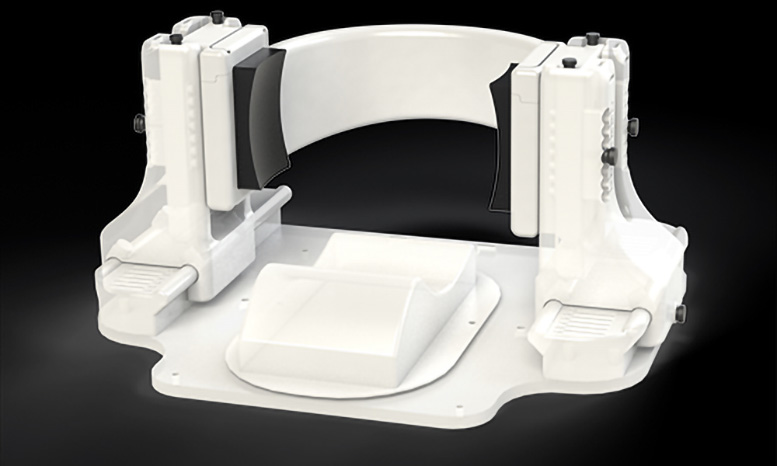
Researchers at University of Utah have developed an innovative ultrasound device called Diadem, capable of non-invasively targeting deep regions of the brain. This device promises to be a promising solution for chronic pain treatment, offering an effective and revolutionary alternative for those suffering from this debilitating condition. Chronic pain affects millions of people worldwide and is often caused by failures in the signals sent by the brain, such as in cases of old injuries or amputated limbs.
The Diadem aims to interrupt these faulty signals and thus provide relief for patients. Pain plays an essential role in the human body, serving as a warning for injuries and dangers.
However, in some cases, these signals may continue to be sent by the brain even after healing, resulting in chronic pain. This is where the Diadem stands out, offering a completely new and non-invasive approach focused on specific areas of the brain responsible for transmitting these incorrect signals.
-
Remains with battle wounds of over 100 soldiers from the Roman Empire are found beneath a football field in Vienna, leaving everyone surprised.

-
Elon Musk notes Brazil and lowers the price of his internet, Starlink, promising to connect all corners of the country with affordable plans, 10,000 satellites, and 1 million active users in the national territory!

-
Man creates an infinite source of FREE electricity at home with a PVC wind turbine using a repurposed motor.

-
An aquatic seed consumed for centuries in Asia is going viral in the West after studies highlighted its antioxidant compounds and potential anti-inflammatory properties. It pops like popcorn, has low fat content, and is already being called the new functional snack.


Promising Advances
Researchers from the John and Marcia Price College of Engineering and Spencer Fox Eccles School of Medicine at the University of Utah conducted promising studies with the Diadem device, which demonstrated impressive results. In recent clinical trials, 60% of participants who received treatment with the Diadem reported a significant reduction in pain after a single session. This surprising effect has brought hope to patients who have often exhausted all other treatment options without success.
The study was published in the renowned journal Pain and is part of a series of previous research exploring the unique aspects and capabilities of the Diadem.
The research team was led by Jan Kubanek, a professor in the Department of Biomedical Engineering, with collaboration from Thomas Riis, a postdoctoral researcher, and Akiko Okifuji, a professor of Anesthesiology, along with other researchers.
How Does Diadem Work?
The Diadem uses ultrasound technology to reach deep regions of the brain and stimulate specific areas responsible for chronic pain. The significant advantage of this device is its ability to accurately target without the need for invasive procedures. In people suffering from chronic pain, the brain continues to send pain signals even when there is no active injury, and the Diadem has the potential to correct these signals.
In clinical trials, participants underwent two sessions of 40 minutes, in which they received either real or simulated ultrasonic stimulation. Those who received the real treatment reported a significant decrease in pain, both one day and one week after the procedure. The results showed that the Diadem can provide rapid and lasting relief for patients with chronic pain.
“The rapid onset of symptom improvement was unexpected and opens new possibilities for chronic pain treatment,” said Thomas Riis. Jan Kubanek added that the effectiveness of the device is a significant advancement in the field of neuromodulation.
A New Approach
The Diadem is part of a therapeutic approach known as neuromodulation, which aims to regulate the activity of specific brain circuits. Unlike other neuromodulation techniques that use electric currents or magnetic fields, the Diadem employs targeted ultrasound waves. This allows it to reach hard-to-access brain areas, such as the anterior cingulate cortex, which is crucial in pain perception.
Before each treatment, a functional magnetic resonance imaging scan is performed to map the target region in the brain. From this, the Diadem’s ultrasound emitters are adjusted to ensure that the waves reach the correct area, even through natural barriers like the skull. This innovative technique was detailed in a study published in Nature Communications Engineering.
Next Steps
Researchers at the University of Utah are now preparing for a Phase 3 clinical trial, which is the final stage before the approval of the Food and Drug Administration (FDA) for the use of the Diadem as a treatment for the public. This advancement may represent a significant change in chronic pain treatment and also help combat the opioid crisis by providing a non-pharmaceutical alternative for patients.
“If you or someone you know suffers from chronic pain that does not respond to conventional treatments, please contact us. We are recruiting participants for our clinical trials, and with your help, we can transform chronic pain treatment,” explained Kubanek.
With advancements in technology and the aid of devices like the Diadem, the future of chronic pain treatment looks promising. With non-invasive and effective solutions, there is hope for millions of patients who have previously lived with constant pain. The complete study is available at this link.







Seja o primeiro a reagir!