






 Portuguese
  Spanish


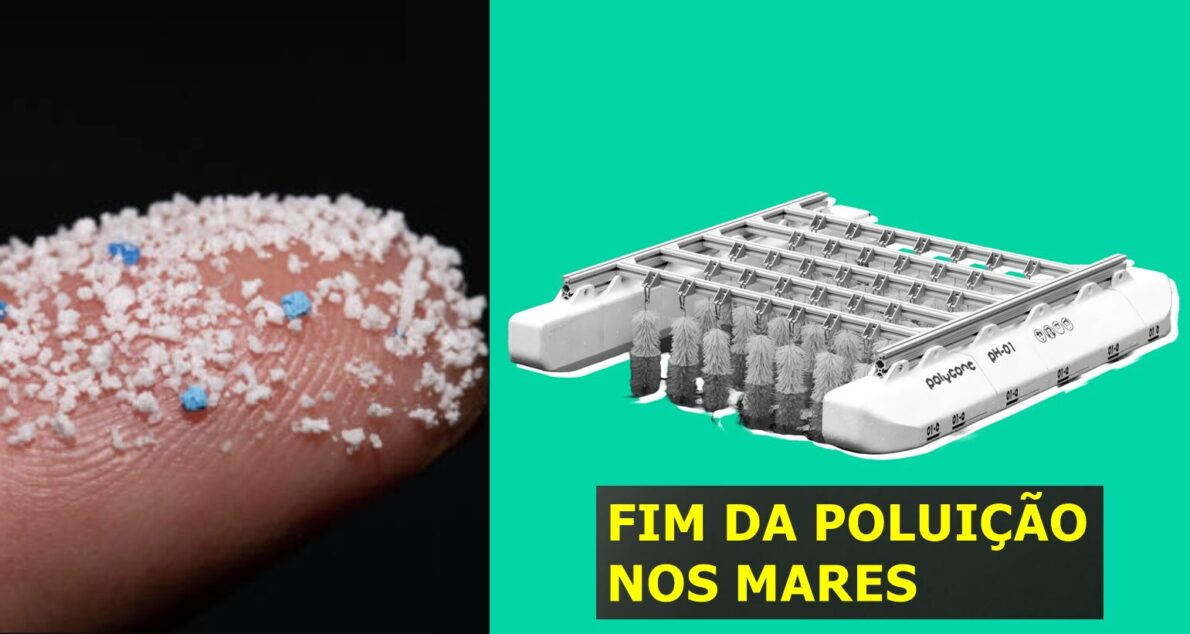

Revolution in the Fight Against Pollution: Startup Develops Portable, Low-Maintenance Device for Microplastic Collection Inspired by Biomimetics
Microplastic pollution is one of the most insidious environmental crises of our time. These tiny particles, less than five millimeters in size, come from the breakdown of larger plastic materials and sources such as synthetic fibers and microbeads found in personal care products. Though small, these particles are ubiquitous in our aquatic ecosystems and have devastating consequences for marine life and potentially human health.
The Impact of Microplastics on the Environment
Recent studies reveal that there are approximately 171 trillion microplastic particles floating in rivers, lakes, and oceans around the world. This immense amount of pollution has a cascading effect on aquatic ecosystems, affecting organisms of all sizes, from plankton to large marine mammals such as whales. When ingested, microplastics can cause internal physical damage, interfere with animals’ feeding capabilities, and in extreme cases, lead to death.
Furthermore, microplastics are present in the human food chain. Studies indicate that humans consume approximately 5 grams of microplastics per week, equivalent to ingesting 50 plastic bags per year. This ongoing exposure raises concerns about potential adverse health effects, such as inflammation, hormonal disruption, and exposure to toxic chemicals.
-
China Develops Custom 140-Ton Electric Mining Truck with 770 kWh Swappable Battery, Deploys 290 Units in Xinjiang’s Largest Zinc Mine

-
Meta to Launch Arena, a New Prediction App Targeting 3.56 Billion Users, Competing with Polymarket and Kalshi

-
Scientist Challenges Famous Human Evolution Theory, Argues Homo Sapiens Evolved Gradually Over Thousands of Years
-
15-Year-Old American Builds Ocean Generator with PVC Pipe and 3D-Printed Propeller for $12, Wins National Prize, Presents at White House, and Makes Forbes 30 Under 30 List




The Solution from PolyGone Systems
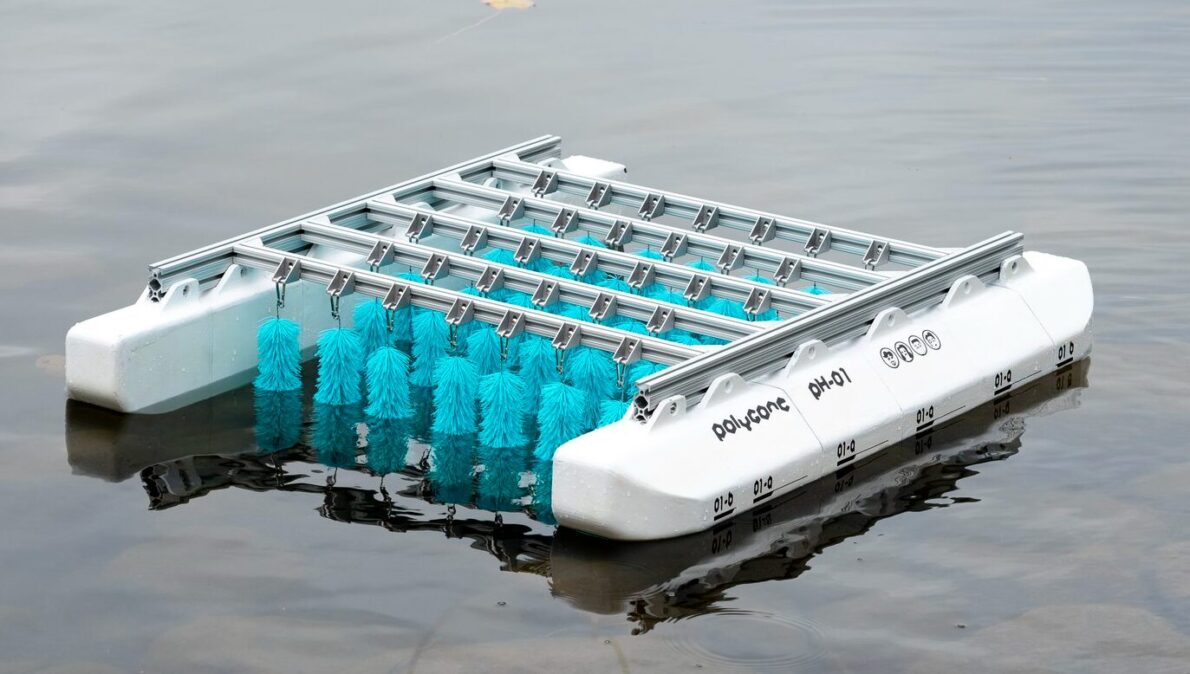
Amid this alarming scenario, the clean technology startup PolyGone Systems, located in New Jersey, USA, emerges as a beacon of hope. Founded by Nathaniel Banks and Yidian Liu, the company is committed to combating marine pollution from microplastics through revolutionary technologies with pending patents. Among them stands out the Plastic Hunter device and the Artificial Root Filter, designed to capture and analyze microplastics in aquatic environments.
PolyGone Systems was officially launched in May 2021, but its origins trace back to Banks and Liu’s joint architecture thesis project at Princeton University.
During their research, the duo encountered the shortcomings of the plastic recycling industry and the vast amount of plastics that end up polluting the oceans each year. Alarmed by the lack of effective infrastructure to remove microplastics from bodies of water, Banks and Liu decided to develop innovative solutions to address this challenge.
One of the biggest obstacles in removing microplastics is the tiny size of these particles. Most plastic collection devices in use today struggle to capture particles smaller than one millimeter. While there are industrial water treatment systems that can filter even smaller particles, these systems are extremely expensive and difficult to implement, making their adoption limited.
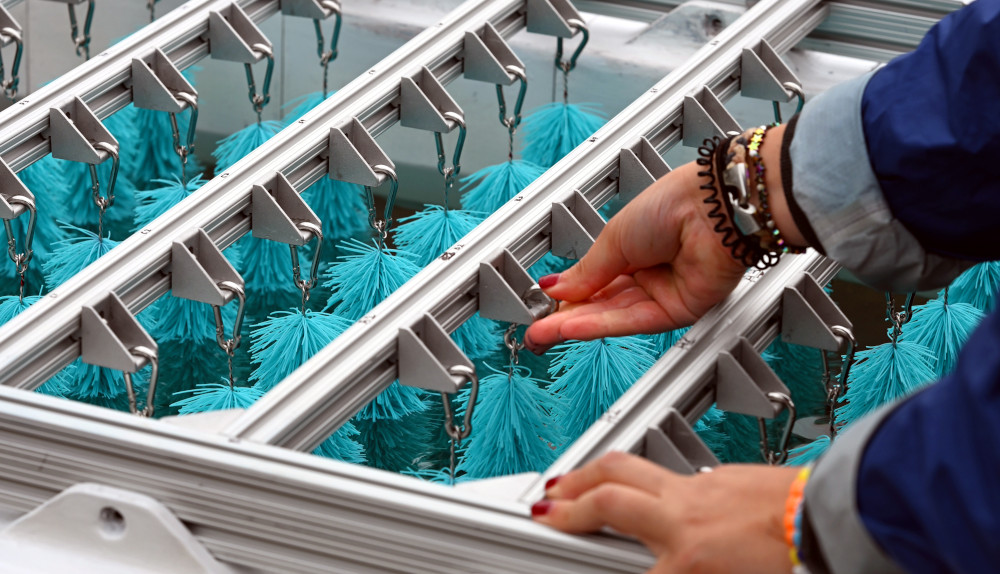
In response to these limitations, Banks and Liu created the Plastic Hunter — a modular and affordable structure that monitors, collects, and removes microplastics from rivers and lakes. The unique feature of the Plastic Hunter is the use of the Artificial Root Filter, a biomimetic filter inspired by the structure of the roots of aquatic plants. Composed of thousands of hydrophobic silicone fibers, the filter is highly effective at capturing microplastics without interfering with ecosystems.
“Instead of relying on traditional mesh filtering methods, we invented a biomimetic filter that mimics the fibrous structure of aquatic plant roots,” explains Liu. “The silicone fibers attract and capture small plastic particles due to their hydrophobic properties. Our experiments have shown that the smaller the particles, the more effective the filter is at capturing them.”
Efficiency in Combating Pollution
The artificial root filters can be easily attached to various structures or the Plastic Hunter monitoring hub for efficient sampling and remediation. The device can be deployed in bodies of water of different sizes and configurations, without the need for pumps or electricity. The analysis of the filters provides valuable data on microplastic contamination, helping to formulate mitigation strategies in urban and rural areas.
In areas with high pollution concentration, authorities can install large sets of filters to carry out remediation on a larger scale.
The support infrastructure of PolyGone is adaptable, allowing the filters to be customized to meet the specific conditions of each environment.
In addition to efficient collection, PolyGone has developed an innovative solution for cleaning the filters, ensuring their longevity and effectiveness. “We developed a cleaning device that shakes the filters, removing the captured microplastics,” highlights Liu.
“With the addition of a specialized detergent, we can remove 91% of the microplastics from the filters, which are then reintegrated into operation.”
This sustainable and low-cost approach makes the Plastic Hunter a promising solution in the fight against microplastic pollution, offering a practical and effective way to protect our aquatic ecosystems.
PolyGone Systems
The innovation from PolyGone Systems represents a significant step in the battle against microplastic pollution. With a biomimetic approach and accessible solutions, the startup is transforming the way we tackle the cleanup of our bodies of water.
As we continue to face the environmental challenges of the 21st century, technologies like the Plastic Hunter will be essential in protecting marine life and human health, ensuring a cleaner and more sustainable future.






