





 Portuguese
  English
  Spanish
  4 min of reading
  0 comments


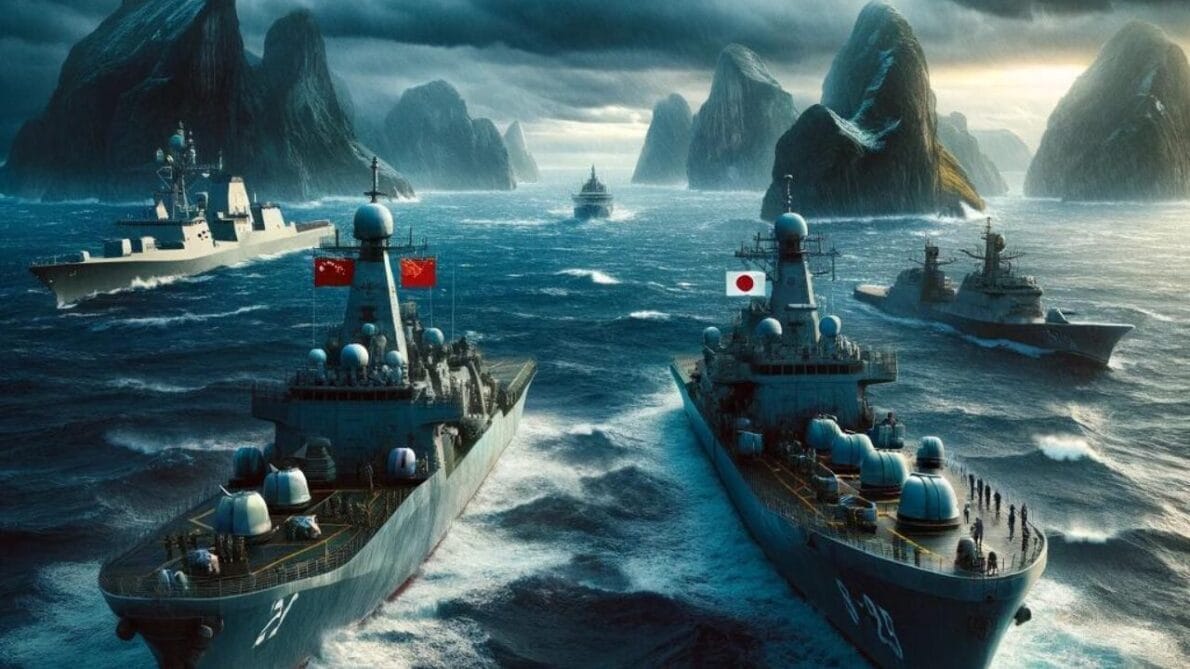
The Escalation of Tensions Between China and Japan Threatens Peace in Asia. See How Territorial Disputes and Rearmament Are Leading the Countries to Potential Confrontation
Throughout history, relations between China and Japan have been complicated. After decades of invasions on their territory or landings aimed at annexing territories, it culminated in the Second Sino-Japanese War. In China, they still remember the Japanese invasion, to the point that being pro-Japan is a terrible offense that can sink businesses. In the military and political spectrum, the situation is not much better.
The two countries are in a dispute over control of the adjacent maritime space, and the situation is reaching tension levels that can be dangerous.


China and Its Neighbors
The territorial problems of the past are still present. Taiwan is an example, being an independent country, but one that China considers its territory. There have been numerous occasions where we have seen threats from the Chinese government directed towards the country, recreations of Taipei zones for maneuvers, and on the other hand, defensive movements in Taiwan. The situation with Hong Kong is not much better, and in recent months, we have seen a strengthening of the Chinese military presence focused on controlling its seas.
-
Spain challenges the USA and closes its airspace for operations against Iran, raising global tension and provoking the threat of a trade rupture.
-
While no other country manufactures tanks in Latin America, Argentina activates the TAM 2C-A2 and raises a curiosity about the technological lag in the region.
-
A Russian ship with 730,000 barrels of oil has just arrived in Cuba while Mexico negotiates fuel sales through private companies: the communist island is desperately seeking alternatives after losing its supply from Venezuela due to American military action.
-
Iranian drones and missiles destroyed a 270 million dollar American spy plane in Saudi Arabia, splitting the E-3 Sentry aircraft in half and injuring 12 military personnel in an attack that exposes the vulnerability of U.S. bases in the Persian Gulf.

Japanese Rearmament
The Japanese are not falling behind, and without the belligerence in their messages that some Chinese representatives flaunt when speaking of territories like Taiwan, they have strengthened their armed forces in recent months. Article 9 of the Japanese Constitution prevents belligerent acts by the state, but recently a Defense budget was presented that points to a rearmament move.
The new strategy is a five-year investment plan of 43 trillion yen by 2027. This represents an increase from less than 1% to investing 2% of GDP in their military. In euros, this means 63 billion per year, and the goal is to position itself as the third military power in the world, surpassed only by the United States and China.
Japan Complains
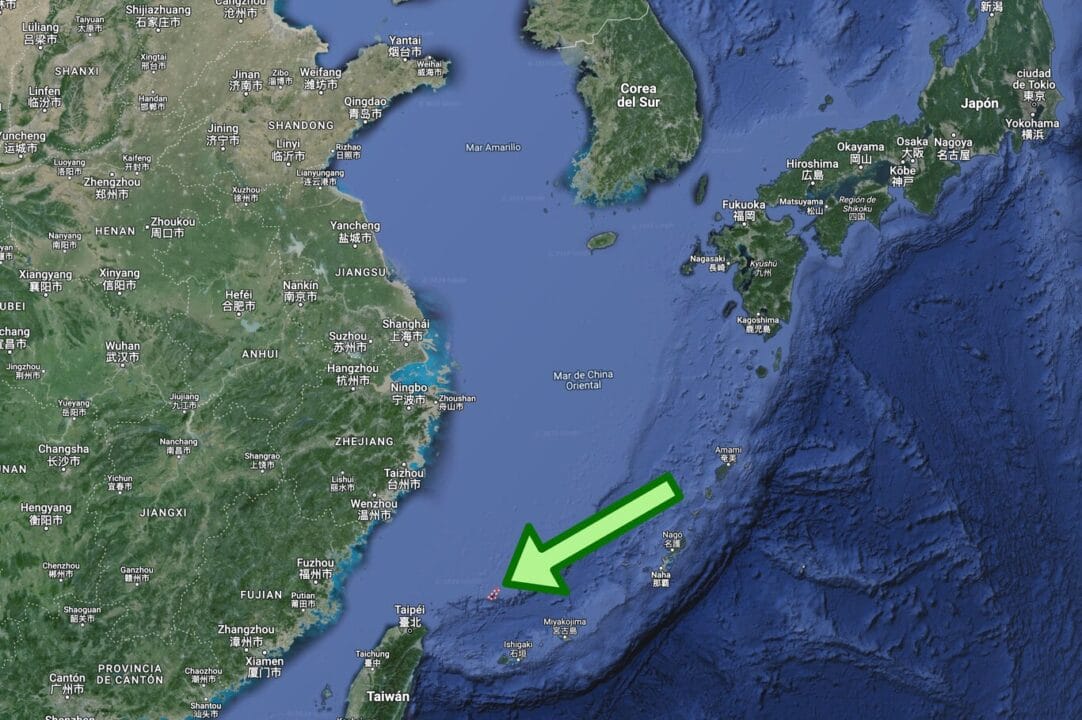
Considering this current situation, Japan recently reported the presence of Chinese ships near the Diaoyu Islands (or Senkaku, as they are known in Japan). These are islands whose control was unclear until Japan nationalized them in 2012. The problem now is that these are Japanese waters, and Tokyo complains about the constant presence of the Chinese Coast Guard navigating the region.
China also claims this area, considering it under Japanese control, and trips by Japanese officials to the islands are seen as a provocative act. Japan, for its part, estimates that these islands are theirs, and seeing Chinese boats for 158 consecutive days at the limit of 12 nautical miles is considered an irresponsible act by China. The previous record was in 2021, when China was present in the area for 157 days, but this time they seem determined to stay in the region longer.
China Also
On the other hand, China also has complaints about Japan. In this disputed zone, the United States usually acts as a control vehicle to deter China, but analysts estimate that, as they are busy with both the wars in Ukraine and Gaza, someone must take on the role of security provider in the region. And that role may fall to Japan.
The reason is that Japan sold five patrol boats to the Philippines, which will be delivered between 2027 and 2028, for about 507 million dollars. According to Manila, this represents a step forward in the “unwavering commitment of both countries to enhance our maritime security capabilities for the benefit of our nation and the maritime community at large.” This could represent an aggressive move towards China. Indeed, they claim that strengthening the Japanese army and forming alliances would harm regional peace and maintain U.S. hegemony.
Escalation of Tension
And forces. For now, it seems that this tense calm is resolving itself with statements from all sides, while at the same time, they continue to make their moves. What is clear is that it will increasingly be more complicated to operate in the region. Just between 2013 and 2022, China incorporated 148 warships, which was about the total number of Japan’s. Currently, it is estimated that China has 370 ships and that number is expected to rise to 435 by 2030. The United States has 280 ships.
But it’s not just about ships, as the Philippines are arming themselves with these ships purchased from Japan, but also with supersonic missiles purchased from India in a 375 million dollar deal. We will see where this leads us, but another point to highlight is that China has not forgotten about Taiwan and is issuing propaganda videos in which it attacks the island in an act that could cross the line of provocation.
Images | 海上自衛隊, Google Maps









.jpg)
Seja o primeiro a reagir!