





 Portuguese
  English
  Spanish
  5 min of reading
  0 comments


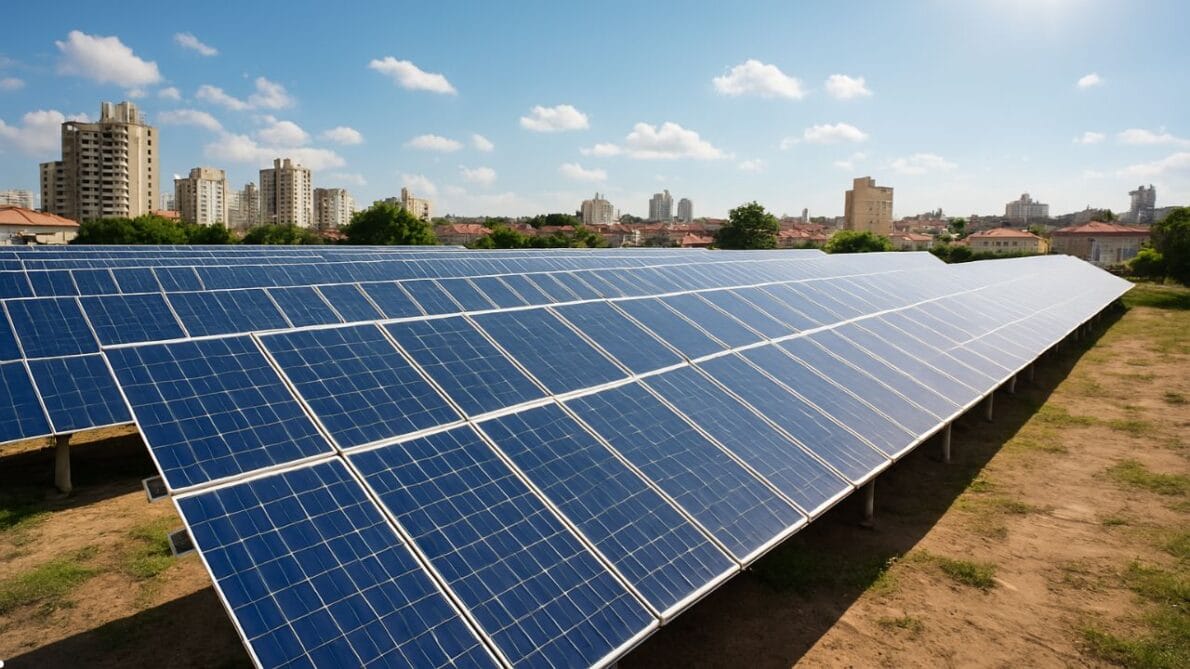
Yes, It Is Possible to Share Solar Energy With Other People and This Is Revolutionizing the Way Brazilians Produce and Consume Energy. Understand How It Works, What the Rules Are, and How You Can Participate in This Collective Model.
Imagine gathering your friends, family, or colleagues and building a solar power plant together to supply different houses, stores, or offices. Sounds like a futuristic movie or bar talk? Well, know that it is possible to share SOLAR ENERGY with other people and this practice is not only legalized but is gaining momentum and becoming a trend in various regions of Brazil.
This possibility is an evolution of what is called distributed generation, which allows consumers to produce their own solar energy and offset what they do not use. But now, with updates to the rules, this process can be done collectively, even among people with different CPFs or CNPJs and the best part: with full legal security.
An Energy Revolution Within Everyone’s Reach
Since the Regulatory Resolution 687 was published by Aneel in 2015, shared generation has become a possible reality in the country. This rule was the initial push to allow more than one person or company to benefit from the energy generated by a single photovoltaic plant.
-
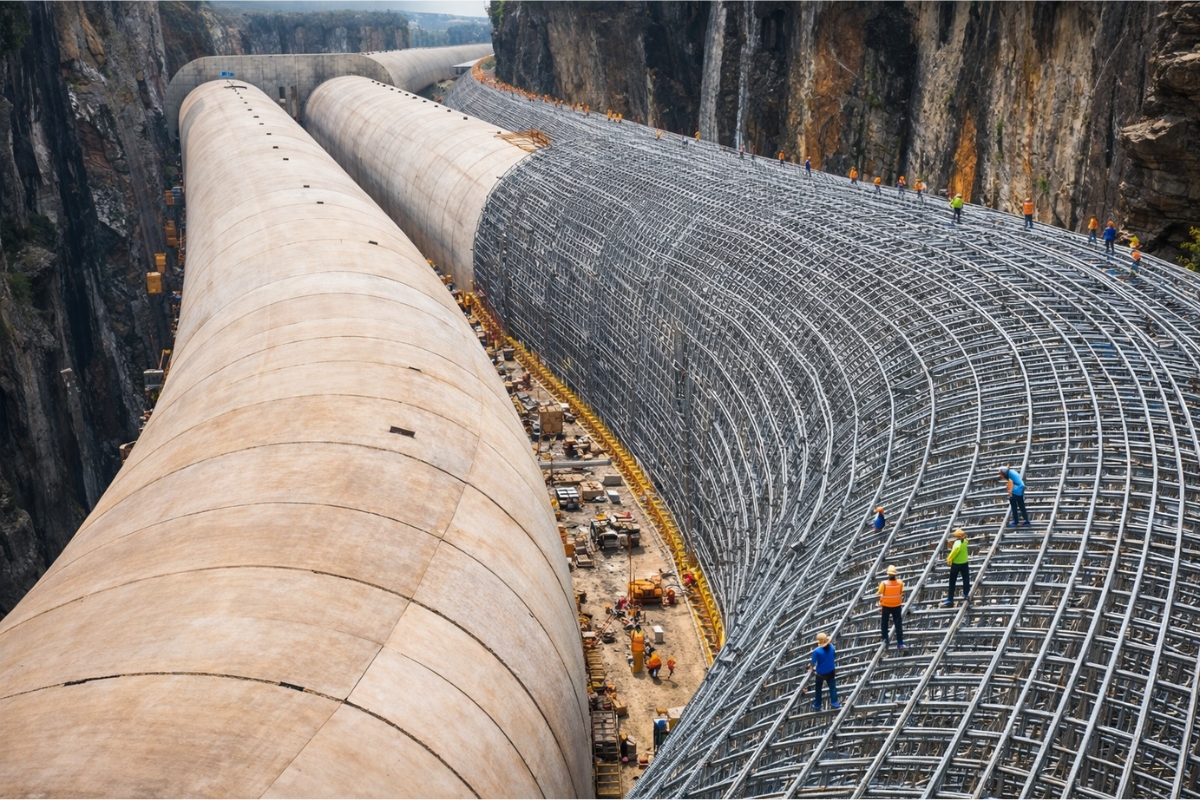
Switzerland invested over $2.3 billion and bet on water, altitude, and solid rock to create a battery in the Alps capable of powering more than 1 million homes.
-
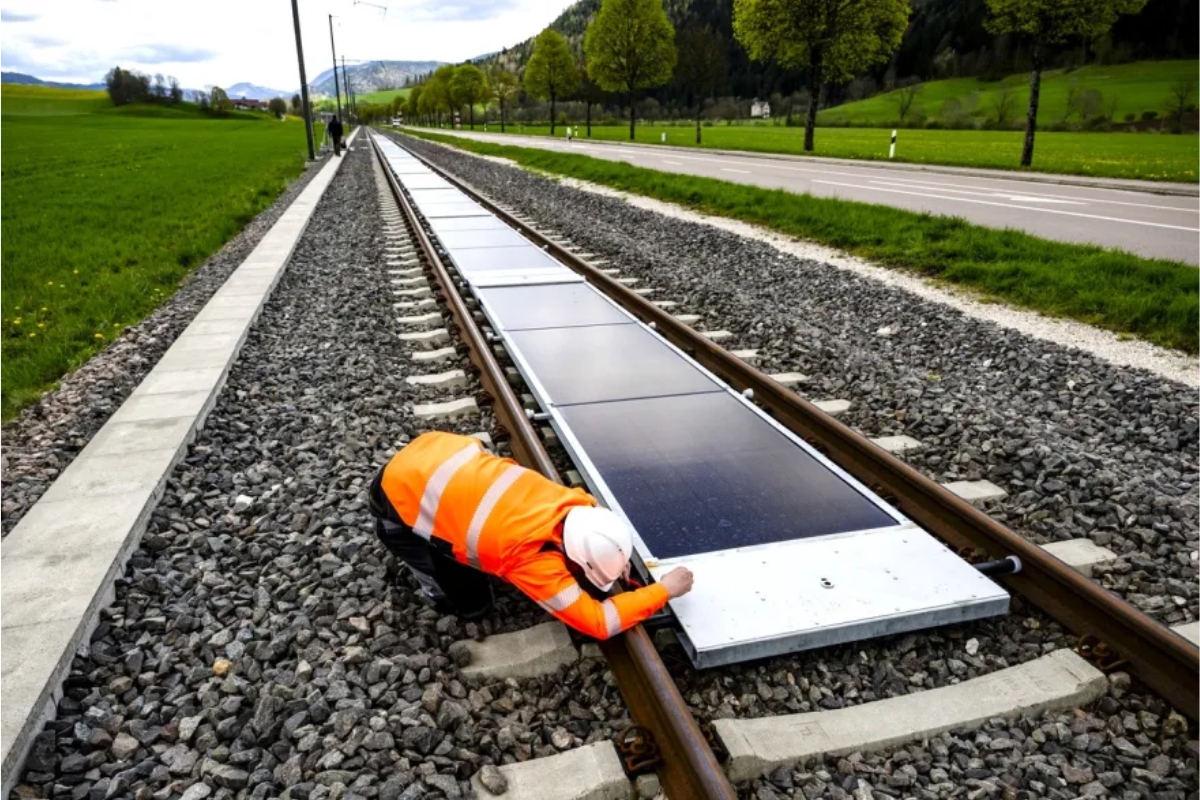
In Switzerland, tracks that previously only accommodated trains are beginning to generate electricity with removable solar panels installed on active railways, paving the way to transform the railway network into a new front for clean energy.
-
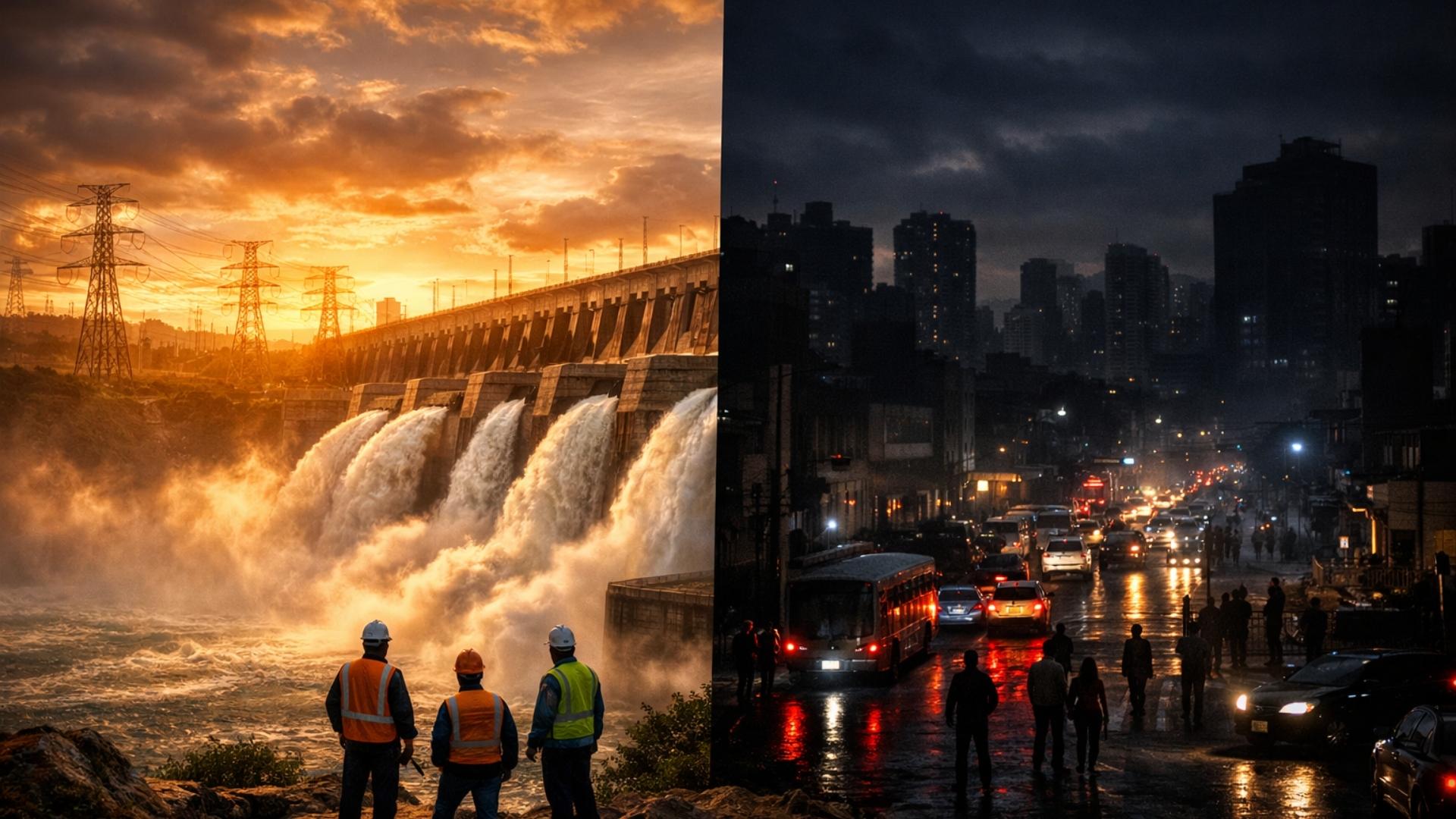
Brazil raises alarm to avoid blackout: the country may need 3 Itaipus and is already wasting up to 5,135 MW of energy on days of excess solar.
-
Renewable energy advances over protected areas in Brazil, and a survey by the Energy Transition Observatory reveals silent impacts that challenge environmental conservation and pressure sensitive traditional territories.


In other words, it is possible to share solar energy with other people even if they do not live in the same property, as long as they are under the same area of the energy distributor’s concession. The system injects the energy into the utility’s grid, and the credits generated are shared according to each member’s participation.
This model opened a window of opportunities, especially for those who do not have their own roof to install solar panels, such as apartment dwellers, tenants, or small businesses operating in rented properties. Now, with the possibility of participating in a collective structure, solar energy becomes more democratic and accessible.
How Sharing Solar Energy Among Different People Works
In practice, it works like this: a solar plant is built in a strategic location, usually on a large plot of land that is well-positioned in terms of solar incidence. This plant is registered with the distributor and begins to inject energy into the electrical grid. What is produced turns into credits, which are divided among the participants.
But pay attention: for everything to occur legally, participants must be linked to the same distributor. This means that everyone must be under the same concession area, that is, within the region served by that energy utility.
And how is the energy shared? This is done based on contracts. Each person or company involved defines beforehand the percentage of energy they will receive monthly. This percentage can vary, depending on the type of legal structure adopted.
Legal Models for Sharing Solar Energy With Other People
It is possible to share SOLAR ENERGY with other people, but it is not enough to make an informal agreement among friends. To ensure that the sharing is legally recognized, it is necessary to choose one of the legal models provided by current legislation. With the arrival of Law No. 14,300 in 2022, there are now four main options:
The first is the cooperative, aimed at individuals. It requires a minimum of 20 participants and must follow very specific rules. Legal entities can also be part of it, but in an exceptional capacity.
The second is the consortium, which focuses on legal entities. Ideal for companies, it allows for more flexible management, with at least two members. But there are restrictions: Microentrepreneurs (MEIs) and companies under the Simples Nacional may face tax barriers in this model.
The third is the association, which is quite versatile. It allows for the union of individuals and legal entities, and with just two participants, it can be legally constituted. It is widely used in solar farms, where energy is “subscribed” by clients who become members of the association.
Finally, there is the condominium model, which can be either edilice (aimed at buildings, for example) or voluntary (a group that comes together to collectively purchase a plant). In both cases, energy credits are distributed according to the proportion defined in the contract, respecting the limits of the legislation.
Solar Farms: Subscription-Based Energy Growing in Brazil
Have you heard of solar farms? This is the popular name for large plants that produce solar energy and offer this production as a service, through shared generation models.
In these projects, participants do not need to invest directly in the construction of the plant. They sign a plan and start receiving credits on their electricity bill, with significant discounts. It is a sustainable alternative and increasingly sought after by small consumers.
And yes, it is possible to share SOLAR ENERGY with other people through these contracts. The difference is that instead of buying a piece of the plant, the customer rents or subscribes to a percentage of the production. This way, they reduce their bill and still support the generation of clean energy.
What to Consider Before Setting Up or Participating in a Shared Plant
If you are excited about the idea and are thinking about setting up a plant to share, or want to participate in an existing one, know that planning is essential. The shared generation model requires clarity about who will be served, which legal model is most appropriate, and how the energy division will be conducted.
It is necessary to choose the land carefully, ensure that all participants are in the same concession area, and formalize everything in a contract. And of course, follow all the rules of Aneel and the local distributor.
There is no single answer to which model is best. It all depends on the project’s objective, the participants’ profile, and technical and legal feasibility. What works for a company may not apply to a group of residents, for example.
Therefore, it is ideal to seek support from specialized companies that handle the entire process from feasibility analysis to system implementation.
The good news is that yes, it is possible to share SOLAR ENERGY with other people. And this practice is set to become increasingly common, especially in a country like Brazil, with abundant sunlight and ever-increasing energy bills.
With the right structure, the appropriate legal model, and well-planned management, it is possible to transform a collective project into real savings for all involved. More than that: it is a smart way to democratize access to solar energy, reduce environmental impacts, and promote the use of renewable sources.
Source:E4 Renewable Energies





-

Uma pessoa reagiu a isso.