





 Portuguese
  English
  Spanish
  5 min of reading
  1 comment




Models that Were Once Symbols of Innovation in Brazil Have Been Marked by Recurring Failures, High Maintenance Costs, and Loss of Confidence Among Drivers, Changing the Sales Trajectory and Perception in the National Automotive Market.
The car market in Brazil tends to revisit its own history over the years. Models that once led workshop conversations and attracted buyers saw the tide turn when recurring defects became known.
As mechanics and owners identify design flaws, costly maintenance, or inadequate recommendations, trust diminishes and, in many cases, sales decline.
Against this backdrop, some vehicles transitioned from initial enthusiasm to post-sale resistance.
-
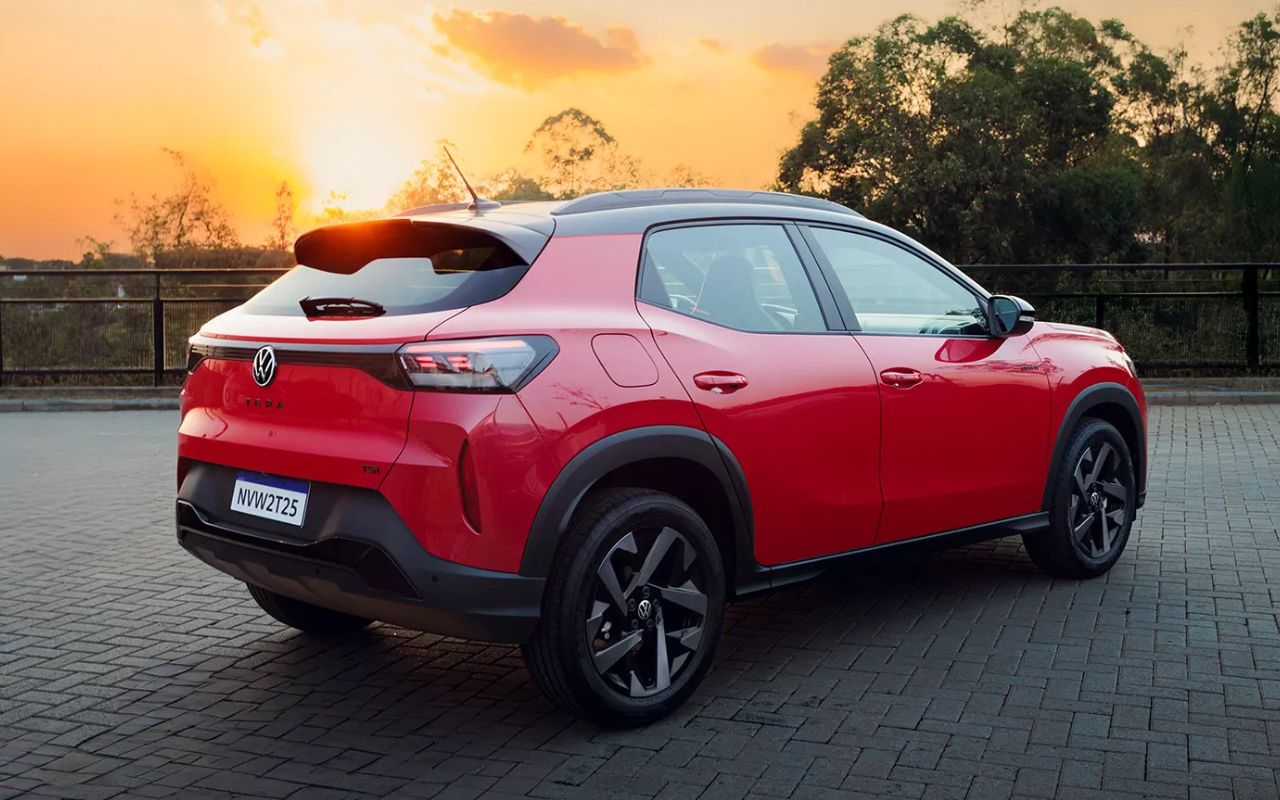
It surpassed the T-Cross, Creta, and Tracker: with nearly 8,000 units sold, the Volkswagen Tera was the best-selling SUV in March 2026.
-
Honda performs miracles in fuel consumption with a hatch that marks 13.2 km/l in the city and 15 km/l on the highway, leaving Polo, HB20, 208, and Onix behind and becoming a reference among compact cars without resorting to turbo or hybrid systems.

-
Six diseases that seem common but can prevent the renewal of the driver’s license for the elderly throughout Brazil and surprise experienced drivers — could any of them affect you without showing clear signs?

-
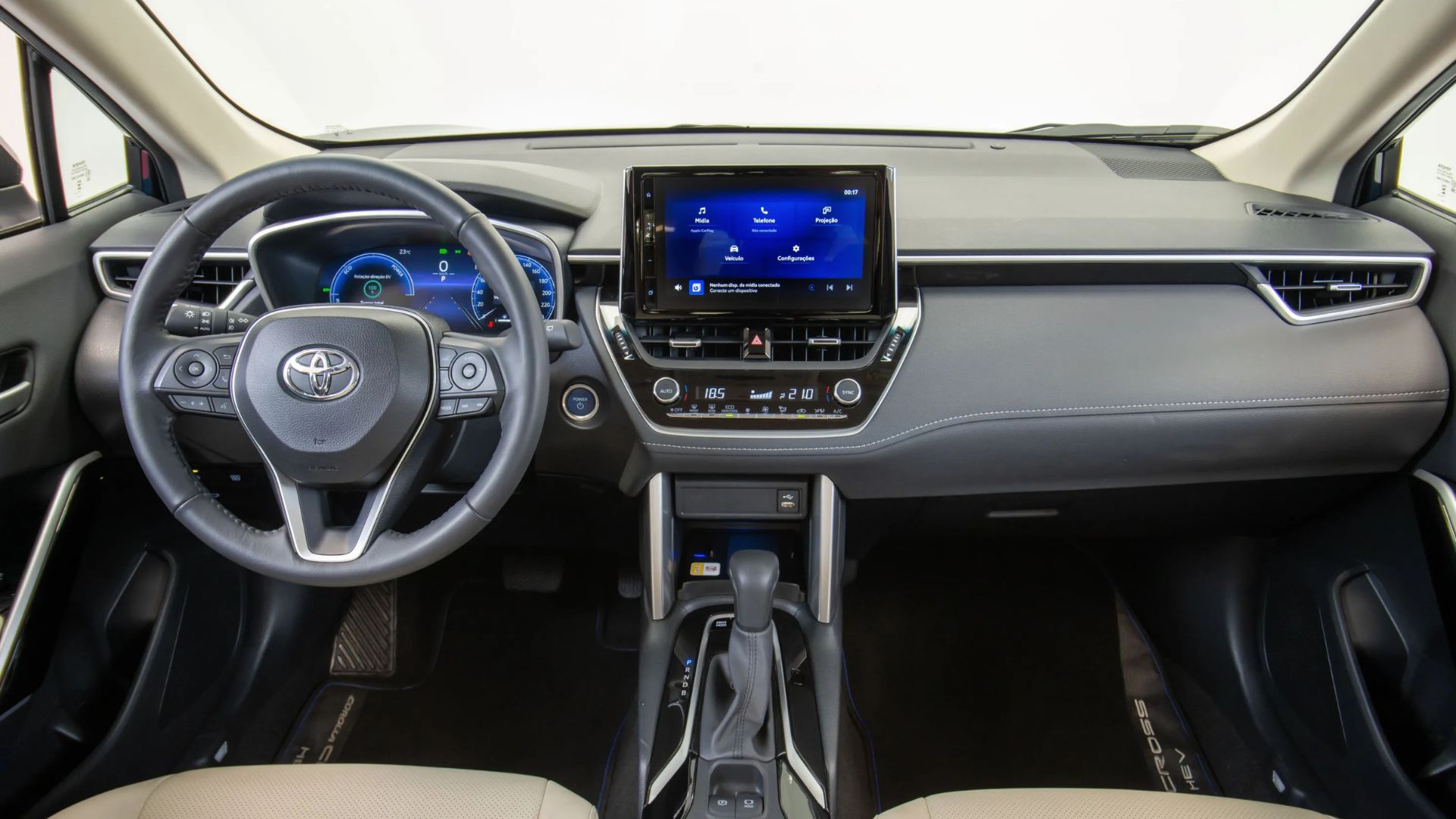
With 122 hp, fuel consumption of up to 17.7 km/l, and a trunk capacity of 440 liters, this hybrid SUV impresses even though it costs up to R$ 47,000 more than the Yaris — meet the Toyota Corolla Cross.

In common, they gathered criticisms from professionals, complaints from owners, and a repair cost considered high for the category.
Below is an overview that reorganizes the main points cited by those who experienced these models.
Fiat Marea: Performance, Refinement, and Sensitive Maintenance
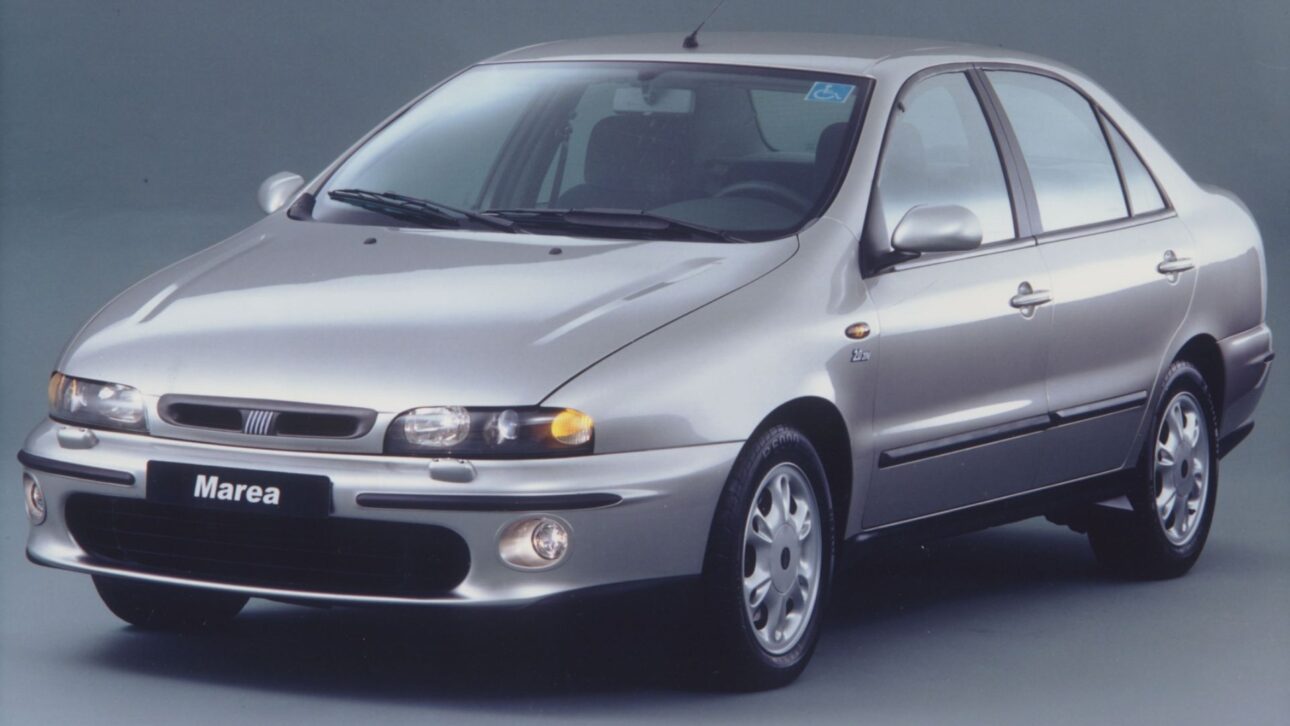
When it arrived in the late 1990s, the Fiat Marea aimed to combine technology with a performance appeal.
The versions equipped with the 2.4 20V engine symbolized this package, but also concentrated the bad reputation that spread afterward.
Maintenance required specific knowledge, the oil changes recommended every 15,000 km proved inadequate for Brazilian reality, and the cost of parts weighed heavily on the budget.
There was also a component of misinformation. Some workshops did not master the correct procedures, and coupled with an extended maintenance strategy, the error spread.
Over time, what was once a differentiator became a stigma, and the model, manufactured in the country between 1998 and 2007, became a target for those looking to avoid headaches.
Peugeot 206: Debut Success and Mechanical Setbacks
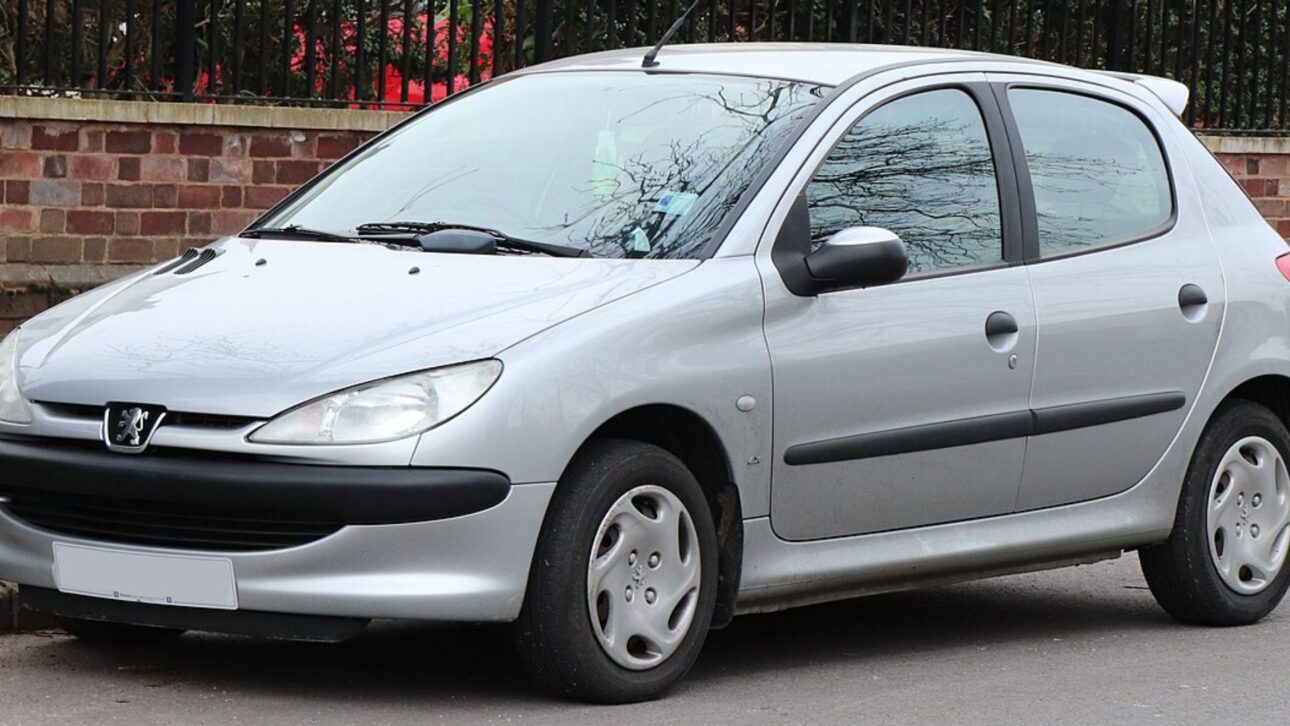
Launched in Brazil in 1998, the Peugeot 206 arrived with a modern design and good acceptance.
However, its trajectory faced challenges that affected public perception.
Reports about the cooling system being ill-suited to local conditions gained traction, as did the occurrences of fuel injectors that could break during removal.
At the rear, cases of axle breakage and premature suspension wear appeared, increasing conservation costs. Meanwhile, owners complained about the frequency of visits to the workshop.
This situation contaminated the image of the 206 and affected even its commercial evolution, as similar problems followed the line that became known as Peugeot 207, whose lifespan here was shorter than expected.
Ford Focus with Powershift: Gearbox Under Scrutiny
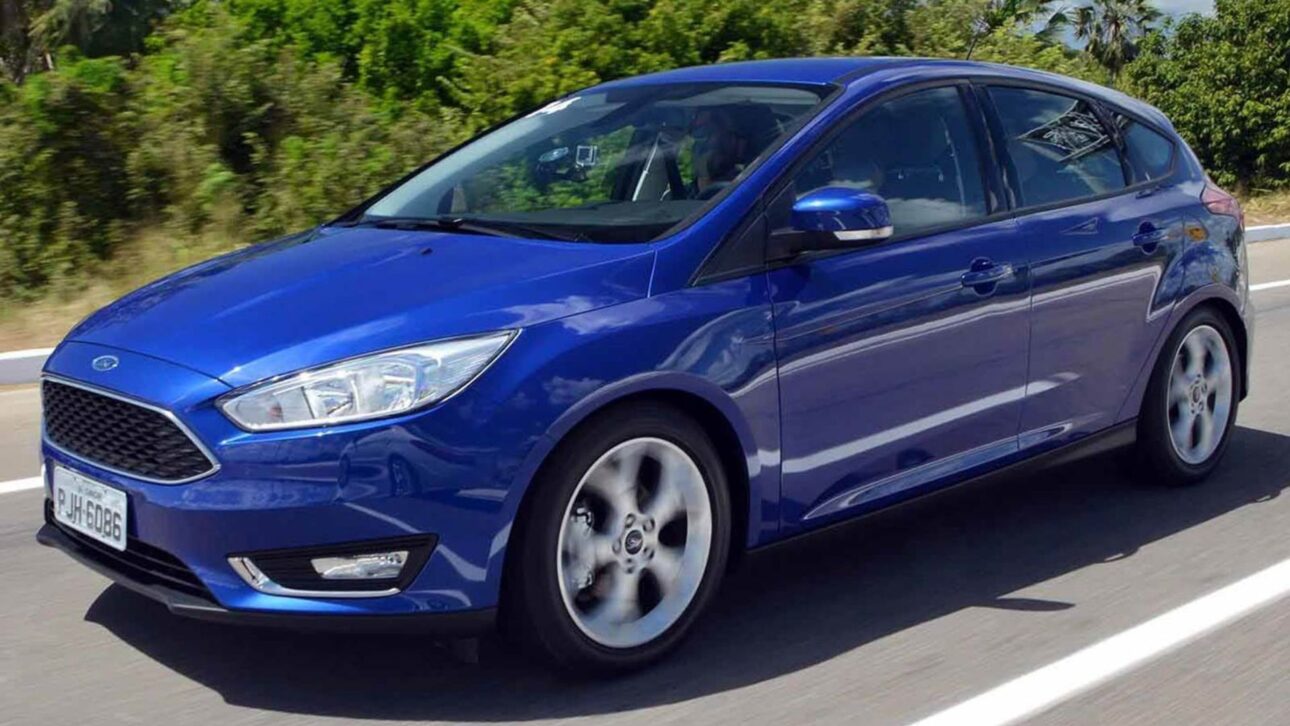
The reliability of the Powershift transmission marked the experience of some owners of Ford Focus, as well as Fiesta and EcoSport that received the same setup.
In workshops and owner communities, reports of seals allowing oil to pass to the clutch, compromising the system’s operation, multiplied. This issue tarnished the brand’s image in the country.
Without a widely recognized recall campaign to definitively resolve the problematic setup, there was a sense that the cost and complexity of repairs would fall on the consumer.
In practice, the period of greatest presence of the Powershift in national models concentrated between 2013 and 2017, and distrust solidified at the resale stage, when questions about transmission maintenance became inevitable.
Volkswagen Golf and DSG DQ200: Promise of Sportiness, High Repair Cost
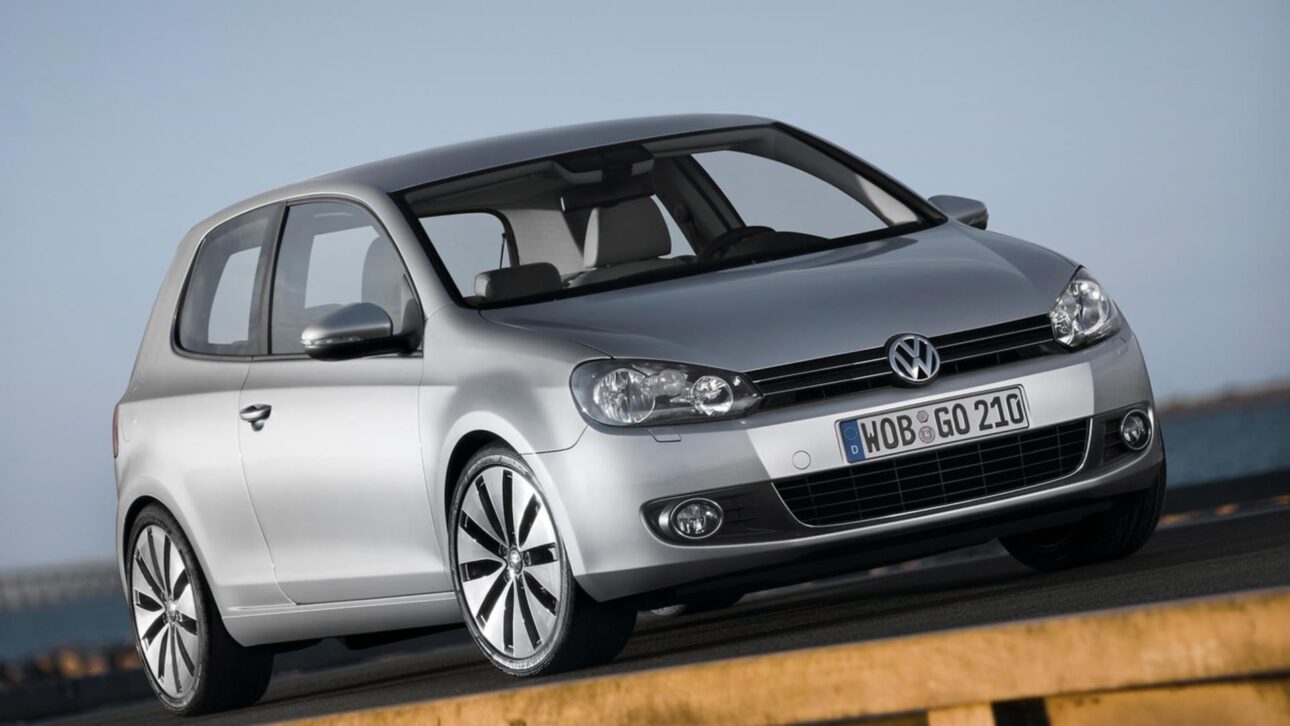
The DSG DQ200, a dry dual-clutch transmission with seven gears, arrived surrounded by expectations for offering quick shifts and a sporty feel.
It equipped the Volkswagen Golf and appeared in other models from the brand, such as Tiguan, Passat, and Jetta, as well as being part of the lineup of vehicles from Audi, such as A1 and A3. The technical package impressed on paper and in driving under ideal conditions.
With everyday use, however, complaints about failures grew, and especially the perception that the repair cost was high for the segment’s standards.
Consumers began to associate the DQ200 with a budget risk, which affected the attractiveness of models equipped with this transmission.
The solution over time was to discontinue the setup in various versions, but the reputation damage had already impacted the sales history and liquidity of these cars in the used market.
Chevrolet Onix: Oil-Bathed Timing Belt and Late Maintenance
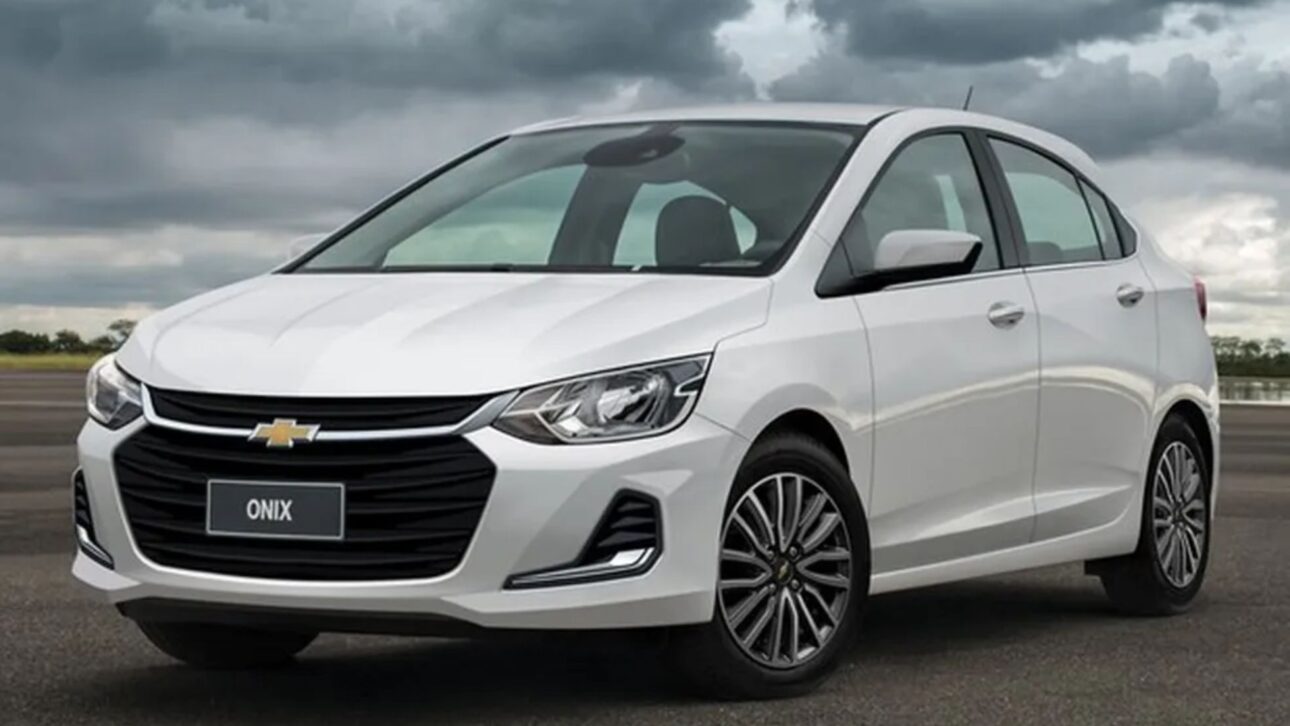
The generation launched in 2019 took the Chevrolet Onix to a new project level, with a three-cylinder Ecotec engine and oil-bathed timing belt system. The technical design promised efficiency and low noise, but practice demanded discipline.
Where there was oil change out of schedule or with incorrect specifications, problems associated with the setup multiplied.
This scenario affected the car’s image, even though the model remained among the best-selling.
General Motors reacted by extending the warranty to five years and initiating belt replacement campaigns, including for used vehicles, in an attempt to reduce customer exposure to risk and contain reputational damage.
The message that remained is straightforward: systems with greater sophistication depend on a rigorous maintenance routine to deliver what they promise.
Why Some Cars Lose Public Trust
There is a common thread among these cases.
Often, the problem does not originate in the consumer’s garage, but in maintenance intervals poorly tailored to Brazilian conditions, in components sensitive to severe use, or in workshop procedures that require adequate technique and tools.
When the cost of repairs becomes high and failures appear repeatedly, expert recommendations change, and sales respond.
Moreover, the lack of standardized information amplifies the sense of risk. Owners receive contradictory guidance, parts take time to arrive, and the budget skyrockets.
In this environment, mechanics’ opinions weigh heavily: with each repeated negative report, the car loses some market adherence, even when the technical foundation of the project has merits.
Still, it is possible to learn from history. Adhering to the correct oil specification, respecting revision deadlines, and seeking specialized workshops reduces the likelihood of failures and increases the chances of a more predictable post-sale experience.
Brands that identify problems early and offer support tend to mitigate damage and regain some of the lost trust.
Finally, the buying decision must consider more than just price and features. The reliability history, actual maintenance cost, and availability of technical assistance make a difference in the long run and can impact the cost for those who only look at the price tag.
Given this scenario, which factor weighs more for you when buying a used car that has gone through one of these episodes: the attractive price, the offered warranty, or the potential cost of a known failure?







Não vejo nada de errado no motor 3 cilindros do Onix, motor muito bom, econômico, desenvolve bem mesmo sendo 1000 aspirado, carro muito bom!!!!
O problema do Brasileiro é quando ver uma coisa dar certo como o Chevrolet Onix vendendo bem, querem derrubar….
A questão do motor ter correia imersa em óleo não é problema algum, desde que respeite o óleo recomendado pelo fabricante…
Basta o consumidor ler o manual do proprietário e seguir o plano de manutenção correto que terá motor por muito tempo…
A época dos motores de fusquinhas e opalas acabou !!!?