





 Português
  Inglês
  Espanhol
  3 min de leitura
  10 comentários


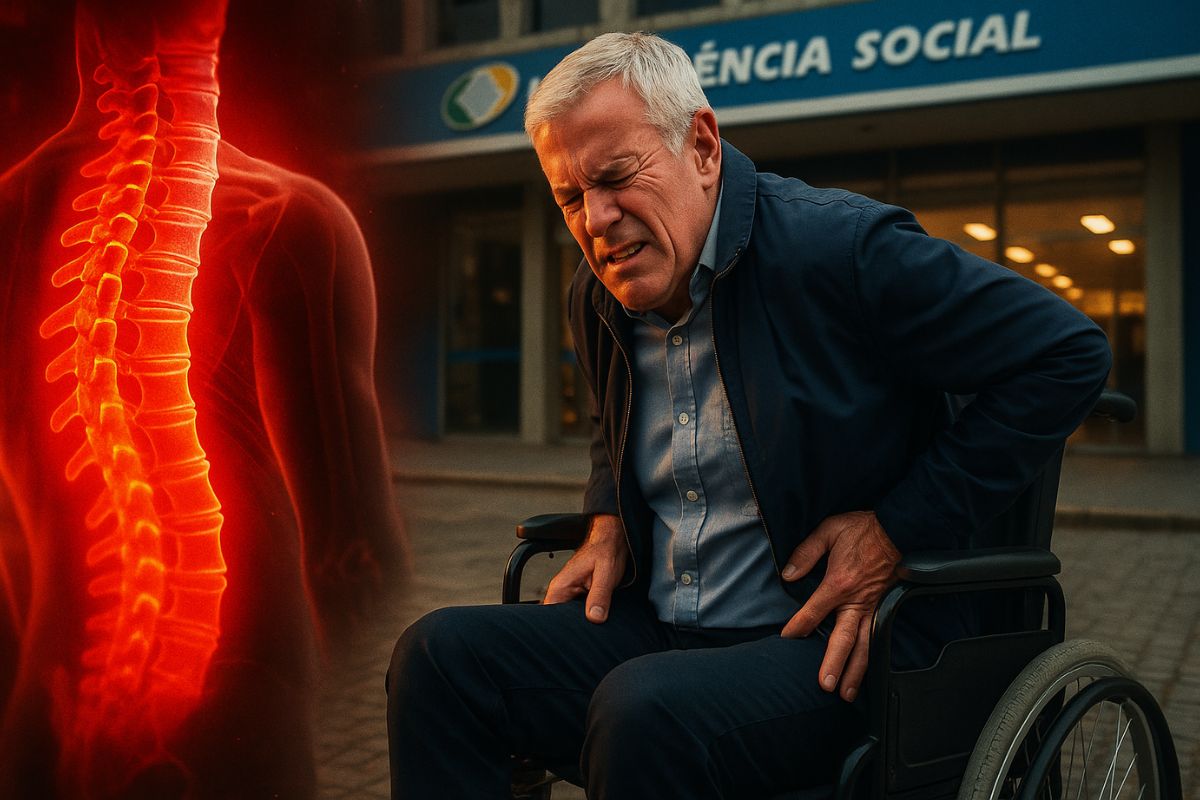


Some Severe Spinal Conditions Can Secure Disability Benefits, But You Must Undergo Examination and Follow Specific Rules
Spinal disease is one of the most common causes of absence from work in Brazil and can, in more severe cases, guarantee access to disability retirement. However, not every diagnosis automatically leads to benefits. The National Social Security Institute (INSS) conducts a thorough evaluation before granting any type of support.
Understanding the criteria, the types of accepted diseases, and the required procedures can be the key for those seeking to secure their rights. We explain which clinical conditions are recognized by the INSS, how the medical examination works, and what is necessary to request the benefit.
Which Spinal Diseases Entitle You to Retirement?
The INSS recognizes some spinal diseases as disabling, provided it is proven that they prevent the performance of any professional activity. Among the most common are:
-
In a silent race, Shopee signs a mega contract in Guarulhos and accelerates the e-commerce war with faster deliveries, pressured shipping, and a new threat to rivals in Brazil.

-
Oil surged to $115 a barrel due to the war in the Middle East, and diesel in Brazil has already risen to R$ 7.45 per liter, while the United States…

-
Brazilian city bets on the business environment to generate jobs and attract investments in the energy sector — secretary reveals strategy at Macaé Energy 2026.

-
50 viaducts, 4 tunnels, 28 bridges, and 40 kilometers of bike paths: BR-262 in Espírito Santo will receive 8.6 billion reais for the largest engineering project in the state’s history, inspired by the Immigrant Highway in São Paulo.


- Herniated Disc
- Severe Scoliosis
- Ankylosing Spondylitis
- Osteophytes
- Disc Protrusion
- Chronic Neck Pain
- Severe Lordosis with Functional Impact
For the spinal disease to be considered for retirement, it is necessary that the limitation is permanent or long-lasting, with no possibility of rehabilitation in another function. A simple diagnosis is not enough; functional incapacity must be proven.
How Does the INSS Evaluate These Cases?
The INSS analysis is conducted through a medical examination, which assesses both the medical report and the patient’s actual condition for work. The medical expert can authorize two types of benefits:
- Temporary Disability Benefit (previously sick leave): granted when there is a possibility of recovery.
- Permanent Disability Retirement: when recovery is deemed unfeasible.
In addition, the insured must meet minimum requirements:
- Have at least 12 contributions to the INSS.
- Prove incapacity through recent medical reports, exams, and assessments.
- Attend the scheduled examination in the Meu INSS system.
How to Request the Disability Benefit for Spinal Disease?
The process can be done entirely online through the Meu INSS portal or the official app. The step-by-step includes:
- Gather all medical documentation, such as reports, imaging tests (X-rays, magnetic resonance imaging, tomography), specialist reports, and hospital records.
- Access the Meu INSS website or app and schedule the medical examination.
- Track the analysis of the process through the system itself.
- Consider specialized legal support if the request is denied or there are doubts about the criteria.
In many cases, guidance from a social security attorney can increase the chances of success, especially when the limitation is not visible but directly affects professional performance.
What Causes Back Pain and When Should It Be Concerning?
Back pain can be caused by various factors, from poor posture to structural changes in the bones or spinal discs. The most common causes include:
- Repetitive physical strain
- Degeneration of intervertebral discs
- Herniated discs and pinched nerves
- Chronic inflammation (such as spondylitis)
- Congenital problems or trauma
Pain becomes concerning when it is persistent, severe, accompanied by numbness, loss of strength, or altered reflexes. In these cases, functional impairment may justify absence from work or even retirement.
Is It Worth Trying for Retirement in These Cases?
If the spinal disease prevents the exercise of any profession, it is indeed possible to seek disability retirement. However, the process is technical and depends on robust medical documentation. The insured must be aware that the INSS may propose professional rehabilitation before granting the definitive benefit.
In temporary cases, the most common outcome is the granting of the temporary disability benefit. Only in cases of permanent and irreversible disability, confirmed by expert report, does the INSS approve disability retirement.
Have you ever undergone an INSS examination for spinal problems? Do you find the criteria used to grant retirement in these cases fair? Share your experience in the comments and help others better understand how this right works.








Surgiu o primeiro problema a uns 5 anos deste então sofrendo muita dor ! Fiz exames ressonância magnética, tomografia raio x fui diagnosticada com hérnia disco bico de papagaio rompimento de ligamentos, tendões com tendinite, bursite , mesmo levando relatórios diagnóstico a perita que me atendeu não concedeu a mim nenhum benefício!!
Surgiu em mim há mais de 15 anos desgaste na coluna e outras coisas mais, mas há uns 5 o problema se agravou ,trava do nada a coluna, fiz ressonância, no laudo surgiu várias complicações, graças à Deus passei por uma perícia aí o perito que por vista muito super educado, me atendeu super bem e me concedeu 6 meses de benefício e ainda sugeriu que assim que terminar pra entrar com novo pedido e levar o laudo,pois nesse dia só levei resultado do exame, não havia levado o laudo pois não tinha pego ainda na clínica que fiz.
Já fiz mais de 5 perícias no INSS e nem uma foi deferida,tenho problema sério na coluna e estou impossibilitada ao trabalho