





 Portuguese
  English
  Spanish
  3 min of reading
  0 comments


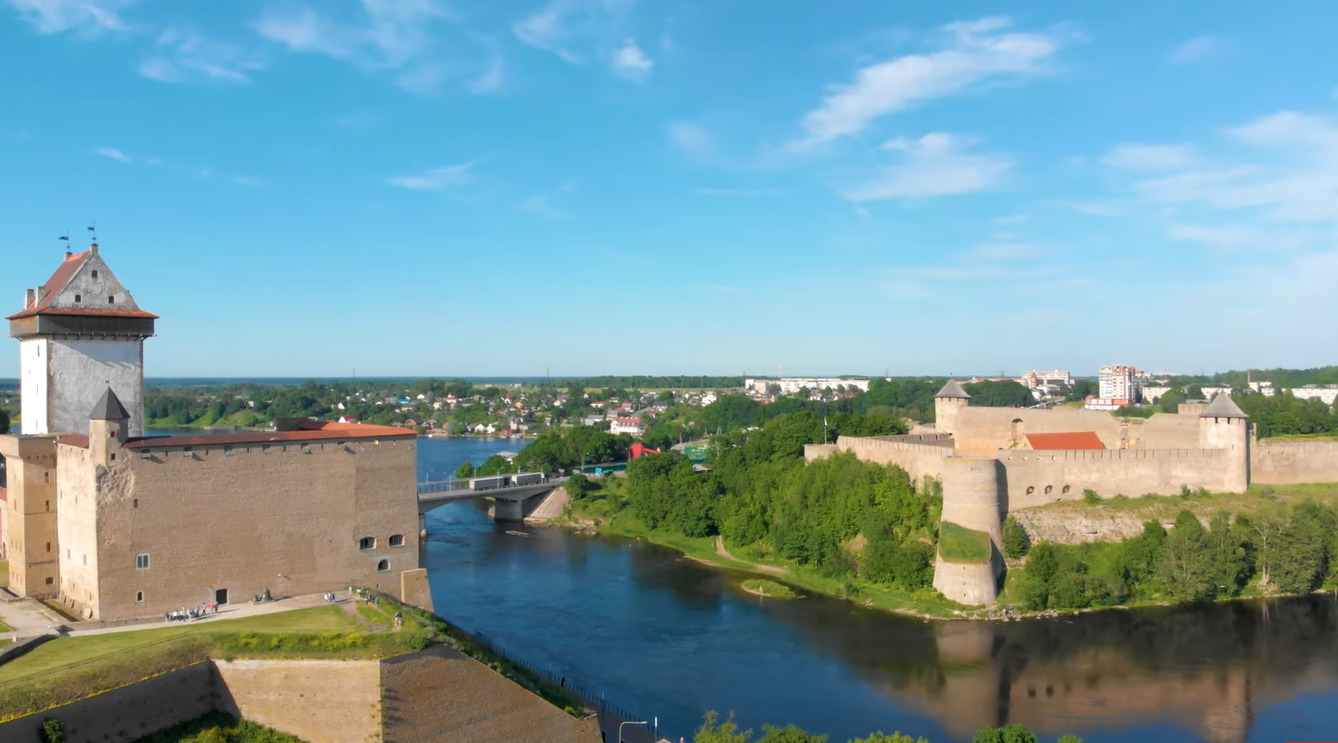
Estonian City of 50,000 Inhabitants Lives Under Political Tension, Identity Disputes, and Military Reinforcement, While Two Medieval Castles Symbolize One of the Most Sensitive Frontiers of Europe and the World
Separated by the Narva River, two medieval castles turned military fortresses face each other daily, creating a landscape that summarizes decades of disputes, historical memories, and political tensions. On one side is Narva, an Estonian city with 50,000 residents, seen by many as a living portrait of identity disputes in Eastern Europe. A large part of the local population speaks only Russian, holds citizenship of the neighboring country, and maintains cultural habits linked to the Soviet past, such as consuming Russian television and nostalgia for an era that no longer exists.
Internal Reforms and Increasing Social Pressure
In the name of national security, the Estonian government decided to remove the right to vote from Russians and stateless residents in local elections and began implementing Estonian language education in dozens of schools in Narva.
The measures occur in an already delicate scenario marked by high unemployment, rising energy bills, a collapse in relations with Russia, and fear of conflicts. This combination of factors has intensified social tensions in the border region.
-
USA and China compete for Brazil over resources that could be worth trillions — rare earths put the country at the center of a global dispute

-
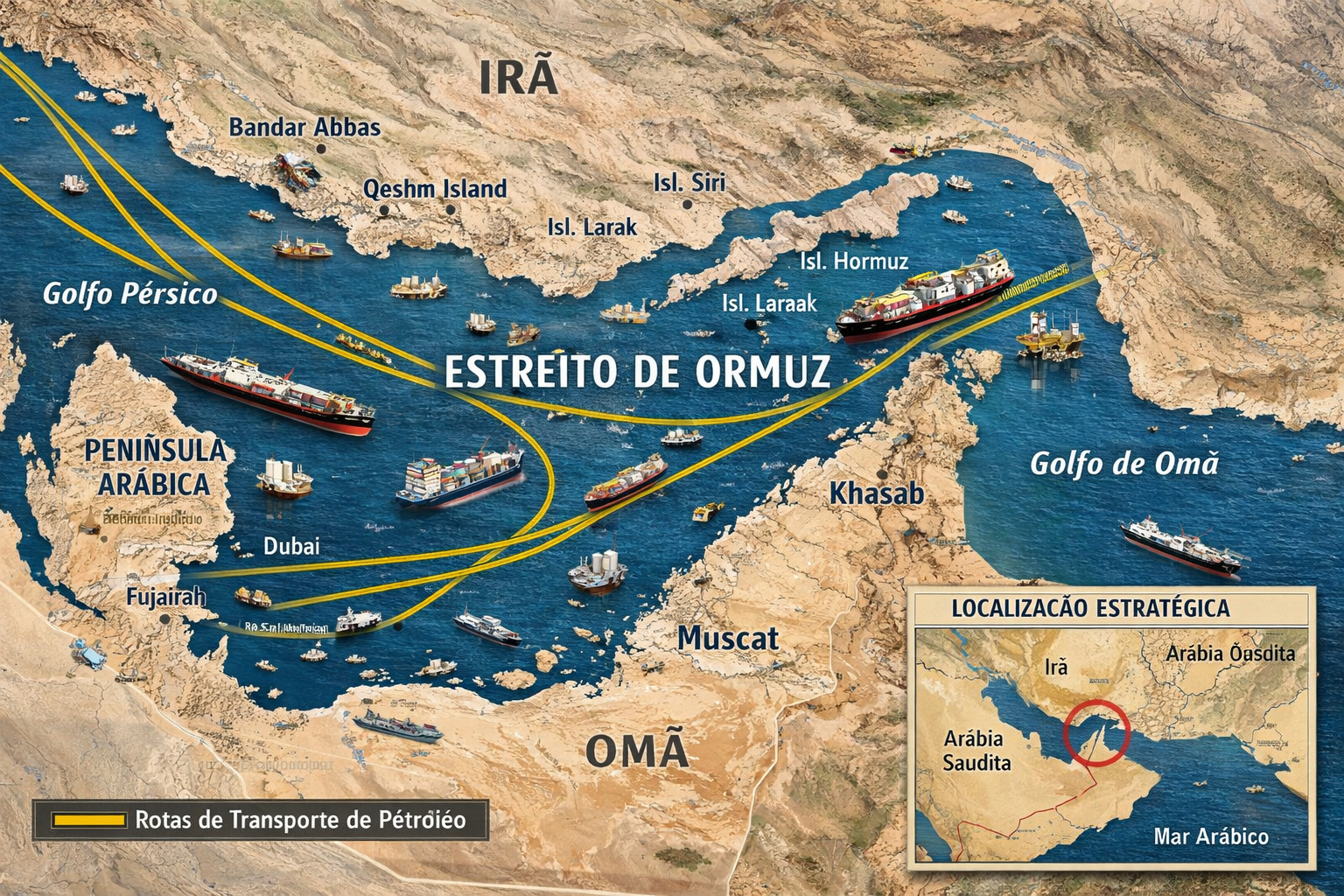
Global summit with over 40 countries pressures Iran for a blockade in the Strait of Hormuz and warns of direct impact on oil, food, and the global economy.
-
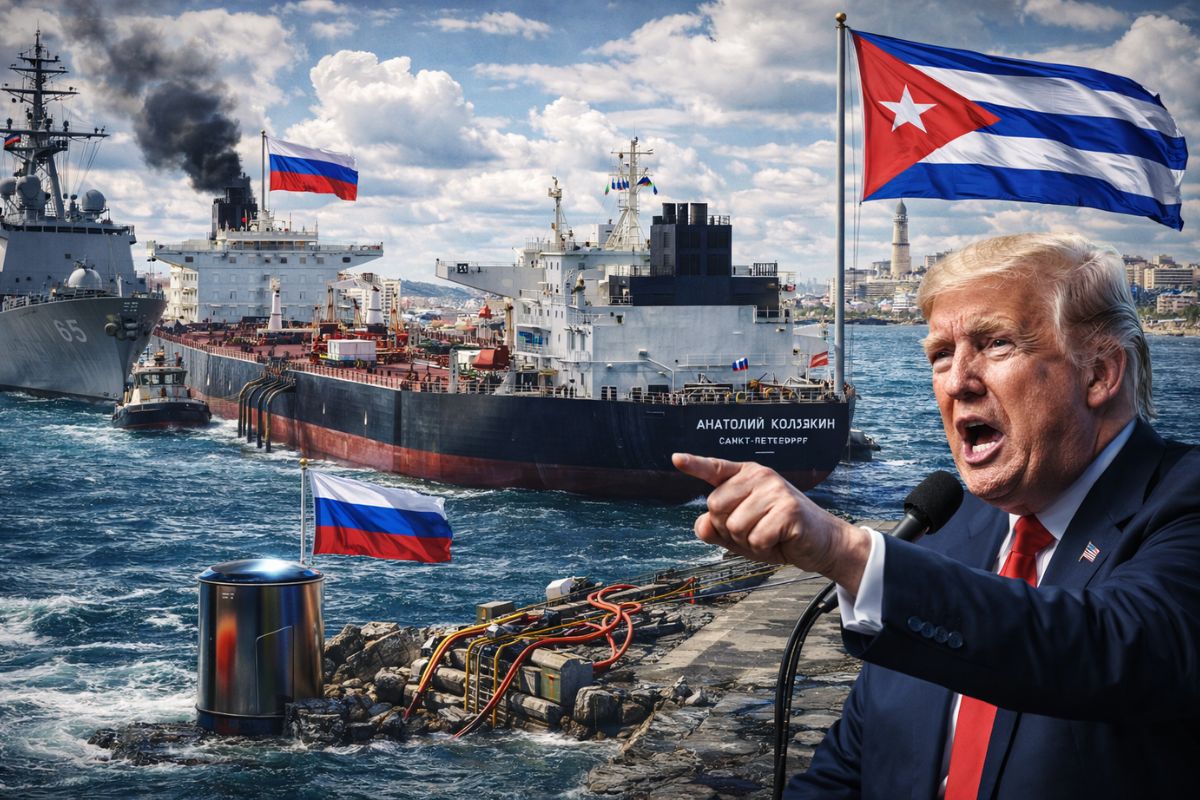
Russia has broken the U.S. maritime blockade to send oil to Cuba and is now loading a second ship while Trump says that “Cuba is next” in a possible military action against the island.
-
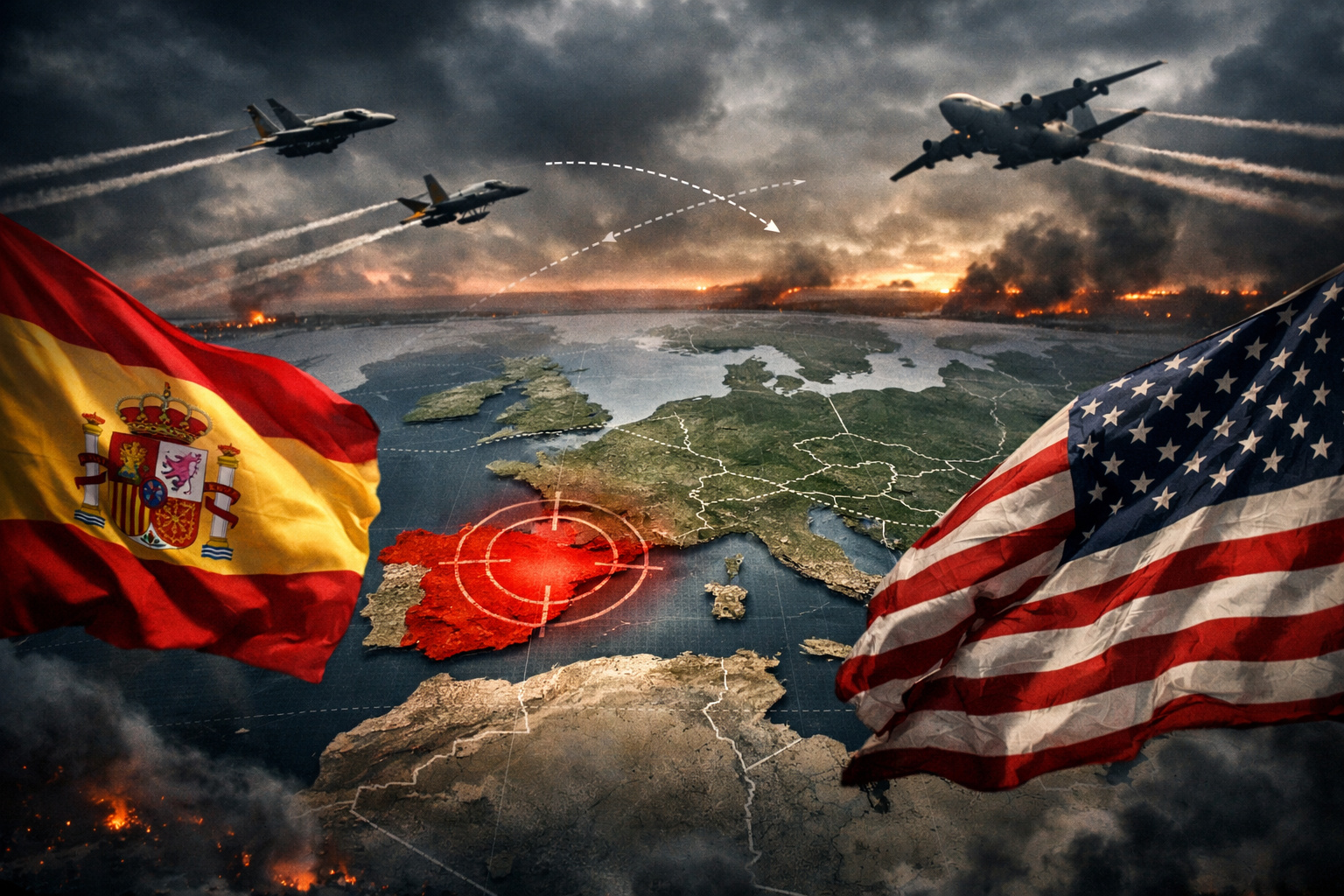
Spain challenges the USA and closes its airspace for operations against Iran, raising global tension and provoking the threat of a trade rupture.

“We, Russian speakers, are being discriminated against,” said a woman of about 55, speaking on condition of anonymity for fear of reprisals.
Meanwhile, Aleksandr Gruljov, a 59-year-old construction worker, said he is considering renouncing his Russian citizenship, emphasizing that, in his view, no one is being oppressed.
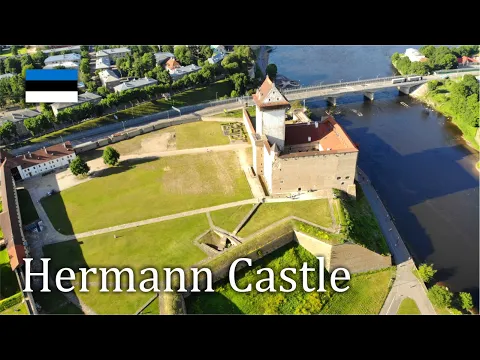

Castles and a City Between Two Worlds
Vladimir Aret, a 32-year-old hotel manager and member of the city council, stated that many residents feel trapped between two identities.
He defines himself as an Estonian patriot but admits there is confusion about the sense of belonging.
Thirty-five years after Estonia’s independence, Narva still debates who it is and what path it wants to take.
Most of the baroque Old Town was destroyed in World War II and replaced with Soviet-style residential blocks.
Under Moscow’s control in the post-war period, the region became predominantly Russian-speaking, a factor that, according to local analysts, may serve as political fuel for the Kremlin’s territorial ambitions.
Reinforced Border and Climate of Vigilance
Once a symbol of cooperation, the Friendship Bridge has been reinforced with barbed wire and anti-tank obstacles in the shape of dragon teeth on the Estonian side.
“The name is somewhat ironic,” said Eerik Purgel, head of the regional border, to the France Presse agency. Previously, residents crossed the river by car for shopping and family visits. Today, the crossing happens on foot, with luggage in hand.
Since the Russian invasion of Ukraine in 2022, Estonia, along with Latvia and Lithuania, has reinforced its defenses. The Ministry of Defense states that fewer than 44,000 combatants can be mobilized, in addition to about 2,000 NATO allied soldiers.
For Mayor Katri Raik, living on the periphery of Europe means dealing daily with a sense of constant alert.
With information from Extra.globo.







-

Uma pessoa reagiu a isso.