





 Portuguese
  English
  Spanish
  4 min of reading
  0 comments



The Financial Market Begins 2025 with Surprises: Dollar at Historic High, Followed by Drop, and Ibovespa Fluctuating in a Challenging Scenario. Inflation and Fiscal Deficit in Brazil Bring Uncertainties for the Year, While Investors Closely Monitor Central Bank Policies and Global Impacts. Discover What to Expect!
The Brazilian financial market started 2025 with surprising movements that challenged the expectations of investors and analysts.
In the first trading session of the year, the dollar reached a historic peak of R$ 6.22, causing apprehension among economic agents.
However, throughout the day, the US currency reversed the trend and closed down by 0.4%, priced at R$ 6.1593.
-
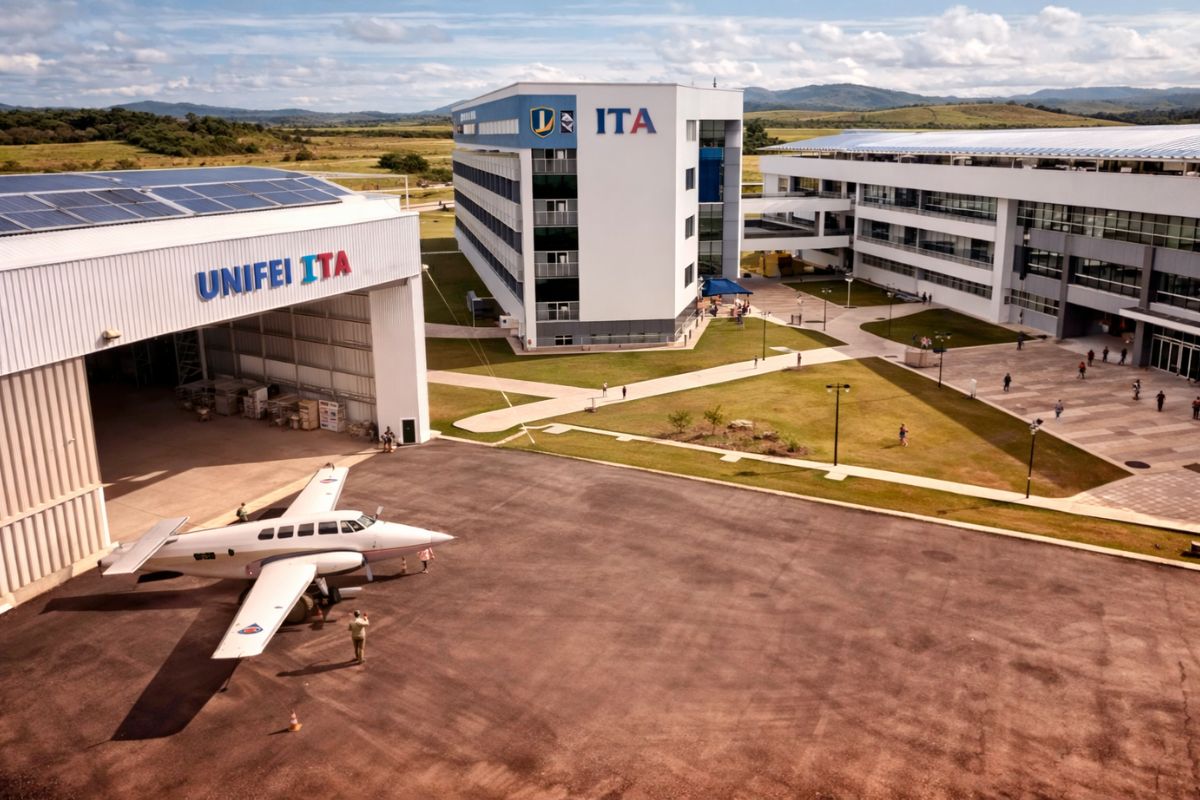
The institute that trained the greatest aerospace engineers in Brazil has just opened its first campus outside São Paulo after 75 years: ITA Ceará will have R$ 445 million, new courses in energy and systems, and classes are expected to start in 2027.
-
Luciano Hang, owner of Havan, goes to Juiz de Fora after the tragedy in February, brings R$ 1 million, hands out R$ 2,000 cards, and donates up to R$ 15,000 to victims in the region.

-
The Brazilian passport allows legal residence in dozens of countries without the need for a prior visa, and most Brazilians are unaware that they can apply for residency directly upon arriving in nations in South America, Africa, and even Europe.

-
Petrobras sends a message to Brazilian truck drivers after fuel collapse and reveals plan to have 100% domestic diesel.


Meanwhile, Ibovespa, the main index of the Brazilian stock market, showed significant fluctuations, ending the day with a slight retraction of 0.06%, at 120,205 points.
These movements reflect the low liquidity typical of the holiday period and uncertainties regarding the Brazilian fiscal scenario and global economic outlook.
Brazilian Economic Scenario: Challenges and Projections for 2025
Brazil faces a complex economic scenario, marked by fiscal challenges, persistent inflation, and moderate economic growth.
According to the Focus Bulletin, released by the Central Bank, the projected growth of Gross Domestic Product (GDP) for 2025 has been revised to 1.8%, indicating a slowdown compared to previous years.
Additionally, inflation measured by the Broad Consumer Price Index (IPCA) is estimated at 4.96% for the next year, above the target established by the National Monetary Council.
Monetary and Fiscal Policy: Measures to Contain Inflation and Stabilize the Economy
In response to inflationary pressures and the depreciation of the real, the Central Bank has adopted a stricter stance on monetary policy.
The Selic rate, currently at 12.25% per year, is expected to be raised to 14.75% in 2025, according to market projections.
This strategy aims to contain inflation and stabilize the national currency. However, higher interest rates may negatively impact economic growth by increasing the cost of credit and reducing investments.
In the fiscal realm, the Brazilian government faces the challenge of balancing public accounts in a context of high fiscal deficit and rising public debt. In 2024, the fiscal deficit reached 9.42% of GDP, while gross debt reached 78.20%.
For 2025, the government projects GDP growth of 2.6% and inflation of 3.3%, according to the budget proposal sent to Congress.
However, financial market analysts estimate more modest growth, around 2.01%, below the global average.
External Sector: Impact of International Policies on the Brazilian Economy
In the international scenario, the global economy is expected to grow around 2.6% in 2025, according to World Bank projections.
The slowdown of the Chinese economy imposes competitive pressure on companies located in Brazil due to excess production capacity in the Asian country.
Additionally, Donald Trump’s return to the presidency of the United States adds an element of unpredictability, with expectations of protectionist policies and possible trade wars, especially with China.
Currency Market: Volatility and Central Bank Interventions
Volatility in the currency market has been a constant in recent months. In 2024, the Brazilian real recorded a depreciation of 21.82%, being the worst currency among emerging economies for the year.
To contain the depreciation of the real, the Central Bank of Brazil has been intervening in the currency market, including traditional currency swap auctions.
At the beginning of 2025, the monetary authority announced the offer of up to 15,000 currency swap contracts for maturity rollovers, aiming to provide liquidity to the market and contain currency volatility.
Oil Sector: Positive Performance and Outlook for 2025
The oil sector has stood out positively in the Brazilian financial market. Stocks of companies connected to oil recorded positive performance, boosted by the rise in international Brent crude prices.
The expectation of increased global demand for oil contributed to the appreciation of these shares, reflecting optimism regarding the global economic recovery.
Outlook for the Brazilian Financial Market in 2025
The beginning of 2025 shows a Brazilian financial market marked by volatility and uncertainties. Investors should remain cautious and attentive to fiscal and monetary policies, both domestically and internationally, which will directly influence the behavior of the dollar and Ibovespa throughout the year.
The Brazilian economy faces significant challenges, including high inflation, moderate economic growth, and a challenging fiscal scenario.
However, sectors such as oil may present opportunities for investors, depending on global market conditions.
Do you believe that the Brazilian economy will be able to overcome global challenges and achieve sustainable growth in 2025?









-

Uma pessoa reagiu a isso.