





 Português
  Inglês
  Espanhol
  4 min de leitura
  0 comentários


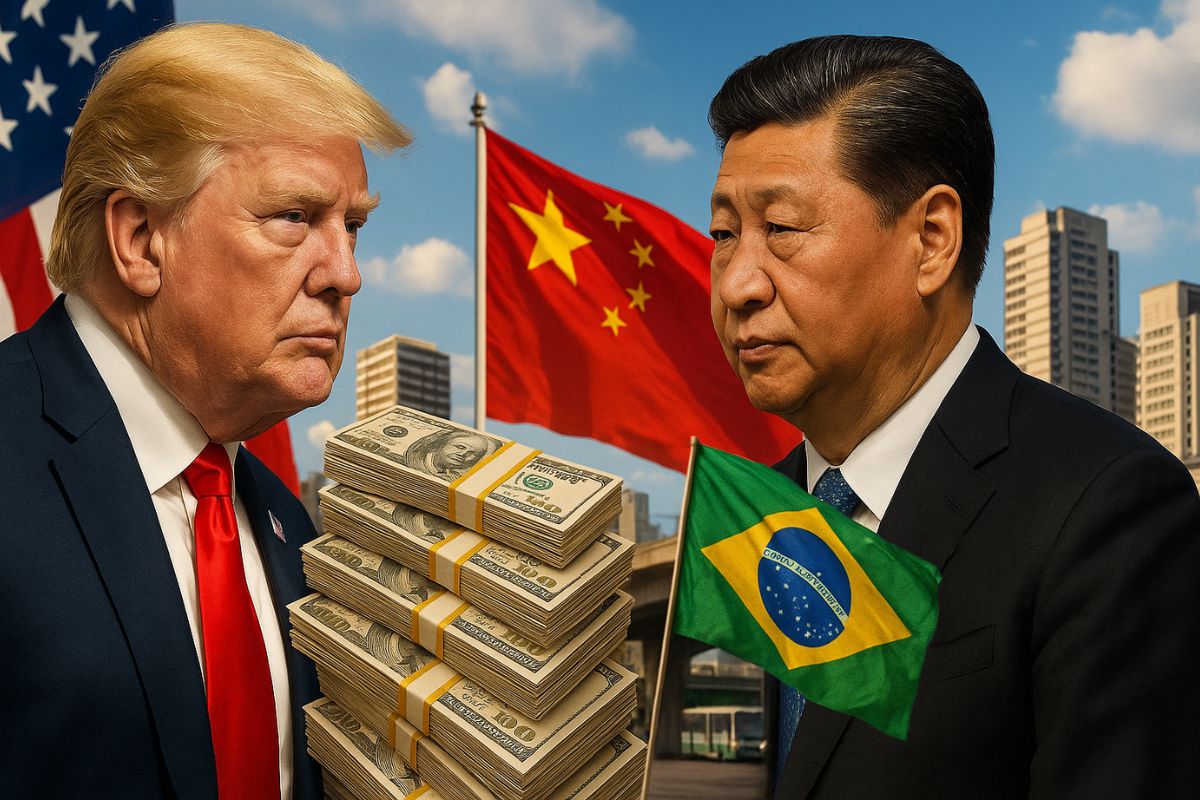
The New Import Tariffs Announced by Donald Trump Favor China, Reduce Entry Cost of Asian Products to the USA and Put Brazil at a Disadvantage in Bilateral Trade Negotiations.
The import tariffs have returned to the center of global debate after Donald Trump announced on Thursday (30) a reduction in rates on products from China, decreasing the rates applied to exports from the Asian country from 57% to 47%. The measure was defined after a meeting with Chinese President Xi Jinping and marks a turning point in trade relations between the two largest powers on the planet.
According to the G1 portal, the decision directly benefits the Chinese economy, which now pays less than Brazil and India to sell to the American market. As a result, Brazilian products continue to face tariffs of up to 50%, while the USA reposition themselves to reduce tensions with Beijing and secure access to strategic raw materials.
USA and China Reopen Dialogue After New Tariff Reduction
The meeting between Donald Trump and Xi Jinping took place in South Korea and lasted about two hours. At the meeting, the two countries reached an agreement that includes resuming the purchase of American soybeans, increasing cooperation in combating fentanyl trafficking, and maintaining the flow of exports of so-called rare earths, which are fundamental for the technological industry of the USA.
-
In a silent race, Shopee signs a mega contract in Guarulhos and accelerates the e-commerce war with faster deliveries, pressured shipping, and a new threat to rivals in Brazil.

-
Oil surged to $115 a barrel due to the war in the Middle East, and diesel in Brazil has already risen to R$ 7.45 per liter, while the United States…

-
Brazilian city bets on the business environment to generate jobs and attract investments in the energy sector — secretary reveals strategy at Macaé Energy 2026.

-
50 viaducts, 4 tunnels, 28 bridges, and 40 kilometers of bike paths: BR-262 in Espírito Santo will receive 8.6 billion reais for the largest engineering project in the state’s history, inspired by the Immigrant Highway in São Paulo.


In addition to the drop in import tariffs, the American government cut taxes on products linked to fentanyl from 20% to 10%, which is considered the most lethal opioid in the United States.
For analysts, the move indicates an economic and diplomatic realignment, with a direct impact on supply chains and industrial production in both countries.
The Direct Impact on Brazil and Bilateral Relations
While China gains trade advantages, Brazil continues to face tariff barriers that reach 50% in some sectors. According to diplomatic sources, this difference reduces Brazilian competitiveness and reinforces Asia’s position as the main supplier of manufactured products to the USA.
Last Sunday, Donald Trump and President Luiz Inácio Lula da Silva met in Malaysia to discuss new bases for economic cooperation.
The 45-minute meeting resulted in the creation of a bilateral group, with representatives from both countries, to evaluate adjustments to import tariffs and balancing measures in international trade. Despite the dialogue, there is no set timeline for concrete changes.
American Strategy and Control Over Critical Inputs
By reducing import tariffs on Chinese products, the USA seeks to ensure access to strategic materials used in the production of electric cars, semiconductors, and electronic equipment.
The measure also aims to limit Russia’s influence and strengthen trade ties with Beijing at a time of global economic slowdown.
The United States heavily relies on imports of industrial and chemical components. China, in turn, holds more than 60% of the known reserves of rare earths, which are 17 essential elements for manufacturing high-tech devices.
The agreement signed suspends, for one year, the Chinese restrictions on the export of these inputs, alleviating pressure on the American tech sector.
Diplomatic Tensions and Impacts on Brazilian Exports
For Brazil, Donald Trump’s decision represents a diplomatic challenge. The Brazilian government seeks to restore balance in trade relations with the USA, but faces a scenario where China is gaining preferential access to the American market. Itamaraty and the Ministry of Development are working on new sectoral reports to measure the impact of the change on agricultural and industrial products.
The difference in import tariffs could directly affect sectors such as agribusiness, the chemical industry, and aluminum, areas where Brazil competed under more balanced conditions.
Economists assess that if there is no rapid renegotiation, the country will lose ground in strategic markets and see the trade balance tilt even more in favor of Asia.
The Future of Negotiations Between Trump, China, and Brazil
The new cycle of dialogue between USA and China is likely to influence American trade policy in the coming months.
Analysts state that Trump adopts a pragmatic stance, seeking to curb domestic inflation and ensure supply for industry, even if that means granting advantages to a historic rival.
Brazil, on the other hand, is trying to use the diplomatic resumption as an opportunity to revise import tariffs and improve its position in bilateral trade with the United States.
The Brazilian mission is working to schedule new meetings by the end of the year, but experts assess that negotiations will be slow and highly political.
In your opinion, will Donald Trump’s decision to reduce import tariffs for China benefit the USA or further harm countries like Brazil?










Seja o primeiro a reagir!