





 Portuguese
  English
  Spanish
  3 min of reading
  0 comments


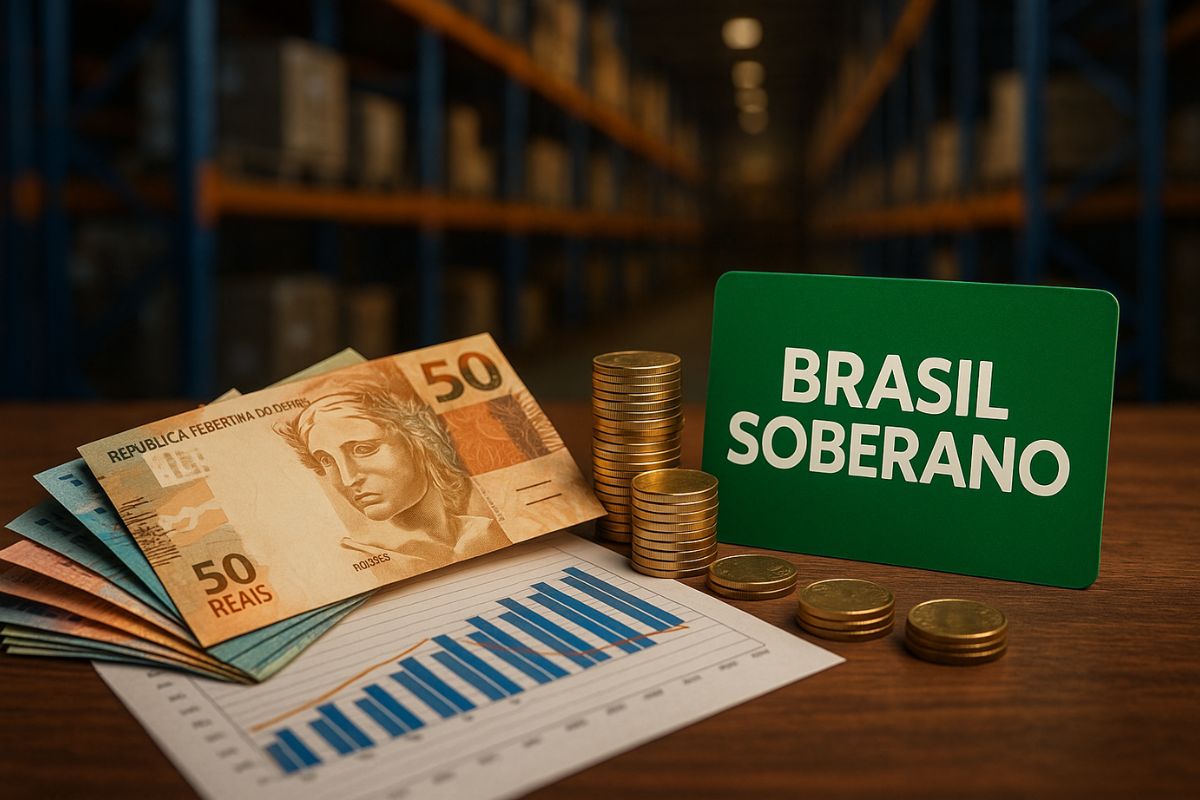
The Government Announced That Practically The Entire List of Priority Products of Brazil Soberano Will Be Covered With Emergency Credit of Up to R$ 30 Billion in Response to The Surcharges Imposed By The United States.
The Brazil Soberano, launched in August 2025, is already beginning to show its practical dimension: of the 9,777 products listed as priorities, 9,075 will have automatic access to emergency credit with reduced interest rates, without the need for additional proof of losses. Only 702 items will depend on self-declaration from companies, which will need to demonstrate direct losses due to the tariffs imposed by Washington.
The measure covers 92% of the official list of the Common Nomenclature of Mercosur (NCM) and represents one of the most comprehensive responses ever adopted by the government in defense of export competitiveness.
Emergency Credit as a Shield Against Surcharges
According to the Ministry of Development, Industry, Commerce and Services (MDIC), Brazil Soberano was created as an emergency measure to mitigate the impact of the surcharges announced by the United States on July 30, 2025.
-
BRICS is building its own payment system that could be operational by 2030, and experts say it could increase trade between the countries by up to 10% per year and add 3% to the GDP of each member of the bloc.
-
Government suspends over 3 million traffic fines in Brazil and drivers breathe a sigh of relief.

-
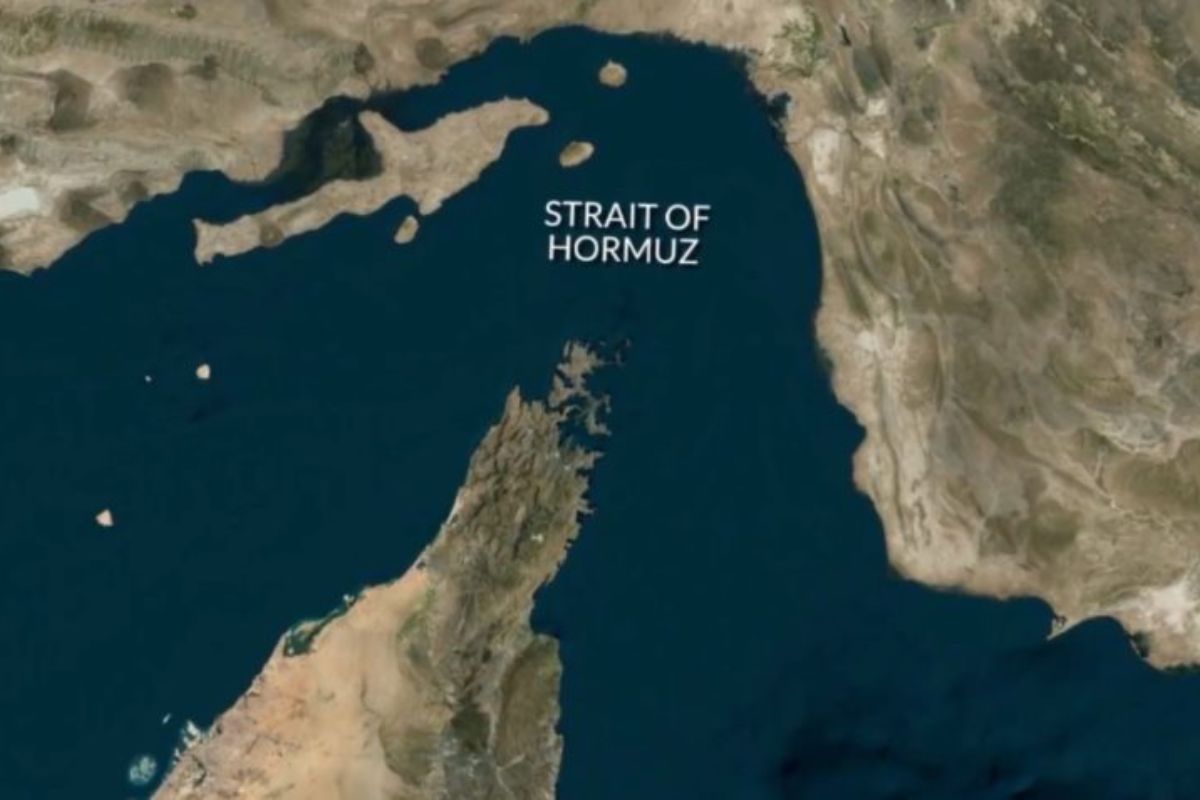
Iran has just approved toll charges for ships in the Strait of Hormuz and has completely prohibited the passage of vessels from the United States and Israel in the world’s most important maritime route for the global energy market.
-
Government cancels R$ 25 million “celebration” for Brasília’s anniversary and allocates funds to health.


The Export Guarantee Fund (FGE) is the main source of funding, with R$ 30 billion available for companies that can prove at least 5% of their revenue affected by the new trade barriers.
In addition to the FGE, the BNDES will make an additional R$ 10 billion available in complementary lines, expanding the financial protection network.
Terms range from 5 to 10 years, with a grace period of 12 to 24 months, conditions that are more favorable than those practiced in the market.
The credit may be used for working capital, technological innovation, productive adaptation, and the purchase of capital goods, reinforcing the resilience of value chains.
Strategic Sectors Directly Benefited
The impact of the surcharges has fallen on agribusiness, base industry, and semi-manufactured goods, sectors that concentrate a significant portion of Brazilian exports.
With the inclusion of nearly 10,000 products, the government seeks to cover practically the entire national export spectrum, preventing strategic sectors from being uncovered and losing international competitiveness.
The official list of benefited products is already available on the MDIC portal.
To access the funds, companies will need to prove tax compliance with the Federal Revenue and the National Treasury Attorney General’s Office (PGFN), a requirement aimed at ensuring transparency and security in the process.
Experts Warn of The Limits of The Plan
According to economist André Galhardo from Análise Econômica São Paulo, Brazil Soberano is an essential short-term instrument but does not resolve structural challenges.
“Emergency credit preserves jobs and cash flow, but does not replace a long-term industrial strategy. If there is no market diversification, we will remain vulnerable to external trade disputes,” he stated.
Other experts emphasize that the plan, while protecting the export sector, exposes Brazil’s dependence on external policies.
The American protectionist escalation reinforces the need to expand partnerships with the European Union, Asia, and Africa, as well as strengthen internal production chains.
Brazil Soberano: Immediate Response and Sign of The Future
More than just an emergency response, Brazil Soberano was designed as a program for innovation and productive restructuring.
By offering credit with reduced interest and broad coverage, the government signals to the market that it intends to provide immediate support while also opening up space for investments in productivity and technology.
The challenge will be to transform this emergency relief into a long-term policy, capable of reducing vulnerabilities and strengthening Brazil’s position in the global economy.
The reach of 9,075 benefited products demonstrates the initiative’s ambition, but sustainability will depend on structural reforms and the ability to diversify the export base.
And you, do you believe that Brazil Soberano can really strengthen the national industry or will it just be a temporary relief in the face of pressure from the United States? Share your opinion in the comments — we want to hear from those who live this reality every day.










-

-

3 pessoas reagiram a isso.