Portuguese
  Spanish


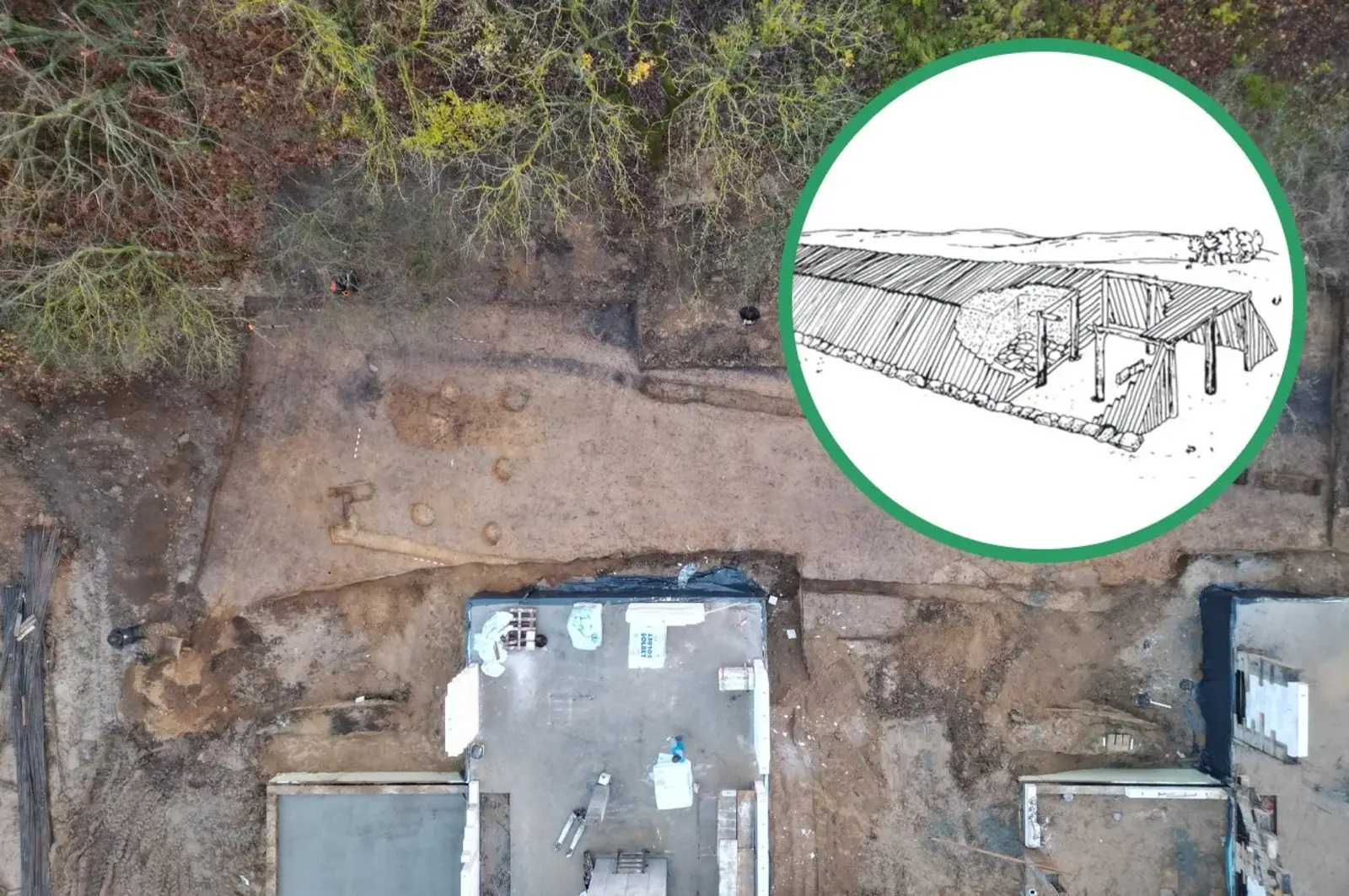

Salvage excavations in eastern Poland identified a 42-meter Neolithic tomb linked to the Funnelbeaker culture, with a side ditch, absence of bones, and evidence that reinforces decades of similar archaeological finds in the region
Excavations in eastern Poland revealed a Neolithic megalithic tomb behind a housing complex, linked to the Funnelbeaker culture, a society that expanded throughout the region and marked changes with agriculture, livestock, and pottery.
Discovery in eastern Poland
The structure was identified during archaeological work and reinforces the presence of the Funnelbeaker culture, or FBC, between the 4th and early 3rd millennium BC in Western Europe.
This community spread rapidly through southern Scandinavia and Poland in an organized colonization. The Neolithic tomb is part of this process and helps to gauge the presence of these groups.
-
Iraq floats and sinks under an arm of the Euphrates 10 giant concrete boxes of 46,000 tons and 125 meters each to assemble a 2.4 km submerged tunnel and open a new land route between Asia and Europe.

-
Scientists use more than 20,000 artificial birds and solar speakers to “trick” seabirds, reactivate nesting routes, and revive a colony on an island that seemed abandoned.

-
She spent 73 years breathing inside an iron lung, survived the aftereffects of polio, and became the last woman in the United States dependent on the equipment before dying at 78 years old.
-
Brazilian students created a $1 filter using pine bark, cotton, and 3D-printed parts to clean cassava wastewater, reduce the toxicity of a hazardous waste, and transform contaminated water into biofertilizer.




What the structure was like
Megaliths were funerary structures made of stone, earth, or wood. In northern Europe, glacial blocks were common.
In southern regions, such as Lublin, the lack of this material led to the adoption of wooden structures called megadendrons. They had posts driven into the ground and an elongated mound of earth covering the construction.
Measurements and evidence
Over time, the wood decayed, leaving dark circular marks on the ground. The earth used in the mound was taken from side ditches, forming long depressions beside the tomb.
The Neolithic tomb was about 42 meters long, 5.2 meters wide on the east side, and 3.30 meters on the west side. On the south side, there was a ditch nearly 30 meters long and between 2 and 2.5 meters wide.
Absence of bones and found objects
No bones were found, suggesting that the tomb may have been a cenotaph, a symbolic burial without remains.
The archaeologists recovered fragments of pottery, flint tools, and partially worked flint from Sieciechów and chocolate-colored flint.
Excavations on Willowa Street, started in the 1960s, had already identified at least 3 or 4 similar tombs.
With information from Heritagedaily.