





 Portuguese
  English
  Spanish
  3 min of reading
  0 comments


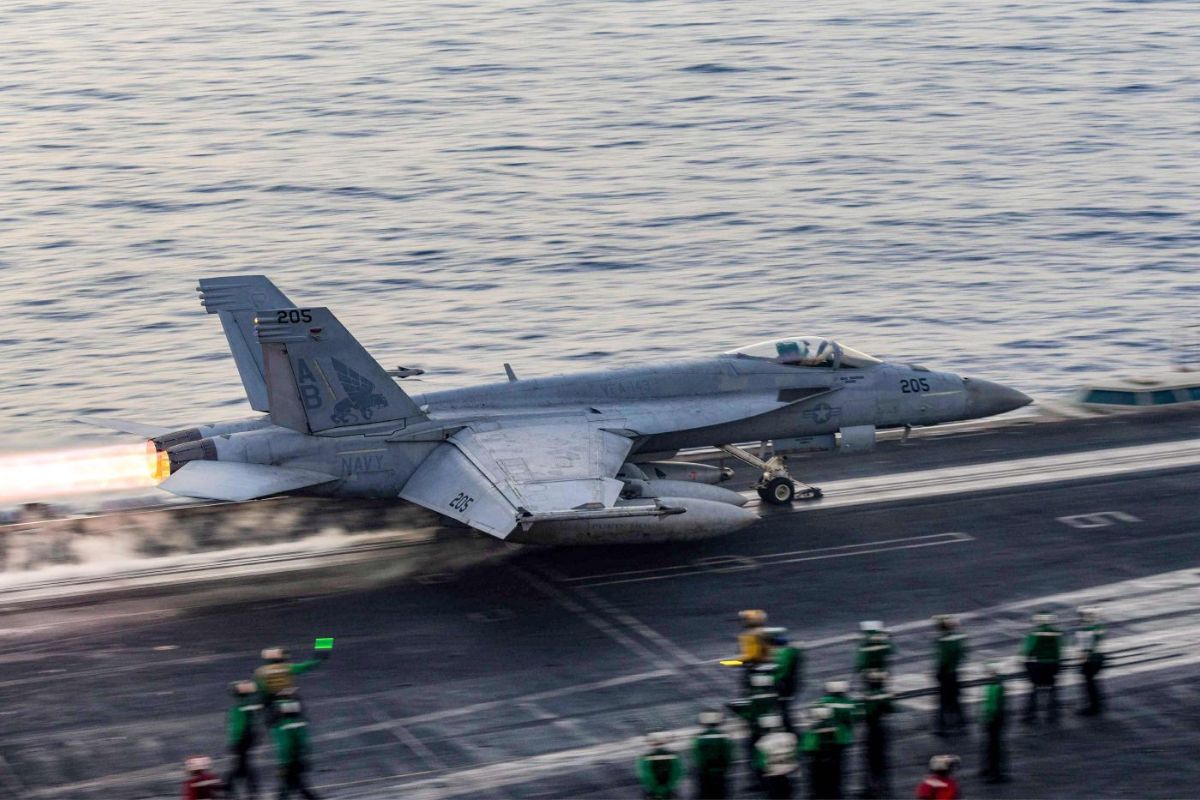
Consecutive Accidents Involving an MH-60R Sea Hawk and an F/A-18 Super Hornet in the South China Sea Raise Questions About Operational Safety and Amplify the Climate of Rivalry Between Washington and Beijing
In less than thirty minutes, two U.S. Navy aircraft crashed into the South China Sea during routine operations from the USS Nimitz aircraft carrier. The MH-60R Sea Hawk helicopter and the F/A-18 Super Hornet fighter jet had accidents in disputed waters, reigniting concerns about the safety of U.S. operations in the region.
Although all five crew members were rescued alive, the incidents increased the level of geopolitical tension and called into question the technical and operational protocols of the fleet, precisely at a moment when the USS Nimitz is preparing to conclude its activities after nearly five decades of service.
Sequential Accidents Expose Operational Vulnerability
The first accident involved the MH-60R Sea Hawk from the “Battle Cats” squadron, which crashed around 2:45 PM (local time).
-
The oceans are darkening all over the planet – what is happening?

-
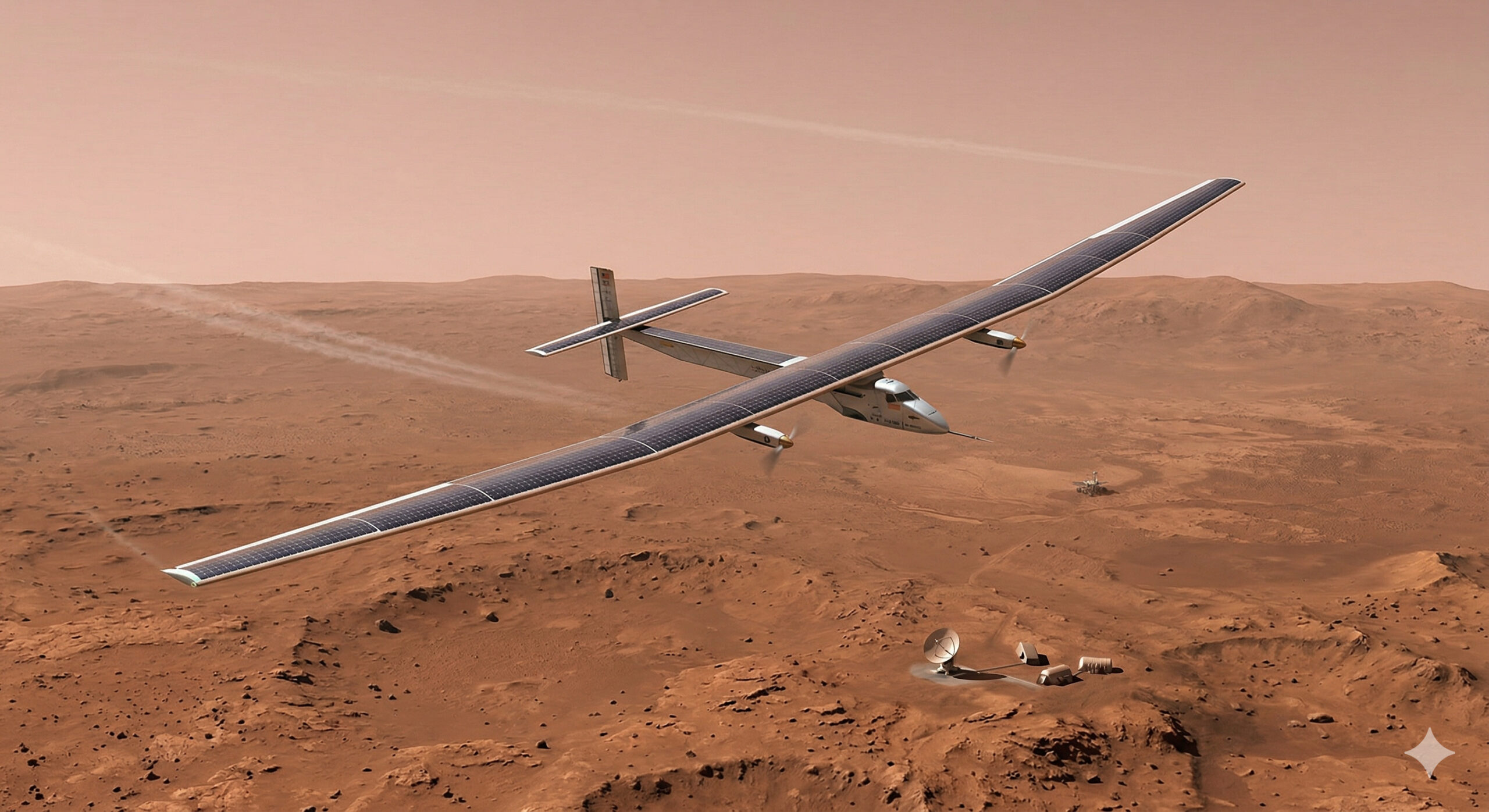
An engineer designs a solar plane to fly on Mars at an altitude of 1,000 meters and a speed of 300 km/h, covering 16,000 kilometers in a Martian year, 900 times the distance traveled by the Ingenuity helicopter in three years on the planet before experiencing a rotor failure, and NASA is already funding the feasibility study.
-
A new phenomenon of contactless magnetic friction intrigues scientists and questions a theory that has been valid since the 17th century.

-
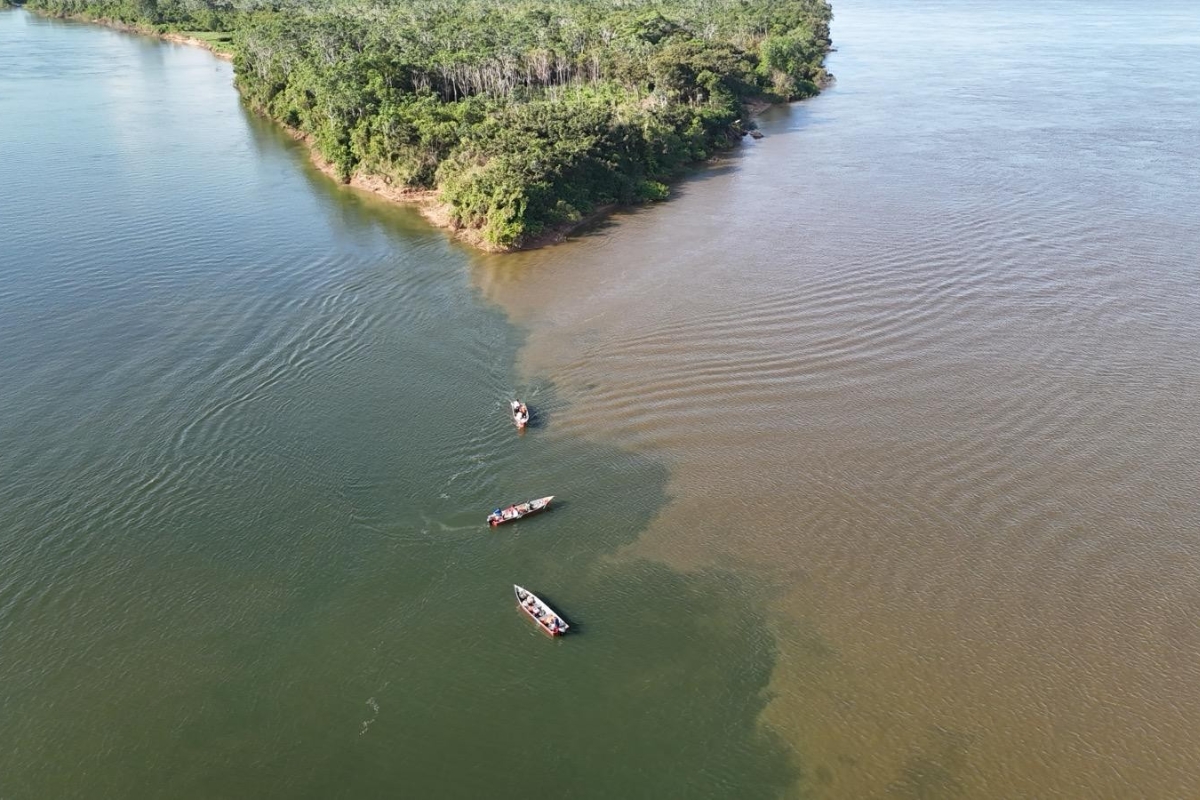
An impressive phenomenon in Northern Brazil causes rivers of different colors to flow side by side, revealing secrets about sediments, currents, and biodiversity.
Less than half an hour later, at 3:15 PM, the F/A-18 Super Hornet from the “Fighting Redcocks” squadron also had an accident during onboard flight procedures.
According to the U.S. Pacific Fleet, all crew members were located and are doing well.
The U.S. Navy has opened an investigation to identify the causes of the incidents, which may include failures, fuel problems, or human factors.
The two sequential accidents involving different aircraft under similar conditions raise questions about maintenance and training.
Constant Tension in the South China Sea
The U.S. Navy aircraft were operating in one of the world’s most sensitive maritime zones.
The South China Sea is the stage for territorial disputes between Beijing and various Southeast Asian nations, and any military movement by the United States is closely monitored by the Chinese government.
The spokesperson for China’s Foreign Ministry, Guo Jiakun, criticized the American military presence, stating that such operations “increase risks to navigation and undermine regional stability.”
Beijing also indicated a willingness to cooperate in search and rescue efforts if requested, in a rare display of diplomacy amid a relationship marked by mutual distrust.
USS Nimitz Concludes Historical Cycle Under Pressure
The USS Nimitz (CVN-68), the oldest aircraft carrier in the American fleet, was returning to its base in Kitsap, Washington, after a mission in the Middle East.
Commissioned in 1975, the ship is on its final mission before decommissioning scheduled for 2026.
Measuring over 333 meters in length and powered by nuclear propulsion, the Nimitz represents a symbol of U.S. naval supremacy but also carries the burden of decades of structural and technological wear.
The occurrence of these accidents during the ship’s transition phase reignites the debate over the limits of using veteran equipment in high-risk missions.
Analysts point out that the fleet of F/A-18 Super Hornet fighters and Sea Hawk helicopters has been struggling with increasing maintenance costs and operational fatigue.
Political Reaction and Strategic Repercussions
During transit between Malaysia and Japan, former President Donald Trump described the incidents as “very unusual” and mentioned the possibility of fuel contamination.
Although this hypothesis is still under investigation, the statement reignited discussions about logistical vulnerability and the safety of U.S. operations in contested zones.
The two accidents bring the total number of F/A-18 Super Hornets lost by the U.S. Navy this year to four, a figure that reinforces the perception of technical wear and the urgent need for a review of safety protocols.
Experts emphasize that, in a scenario of increasing rivalry with China, each operational failure becomes an element of symbolic and strategic dispute.
The crashes of the U.S. Navy aircraft within such a short timeframe highlight not only technical risks but also the geopolitical complexity of the American presence in the South China Sea.
With the USS Nimitz set to retire and tensions with Beijing high, the incidents serve as a reminder of the fragility behind military strength.
Do you believe these incidents could influence future U.S. operations in the region or are they merely operational coincidences?







Seja o primeiro a reagir!