





 Portuguese
  English
  Spanish
  4 min of reading
  0 comments



With US Tariffs in Place, Brazil Bets on Accelerated Growth of Chinese Consumption to Diversify Exports and Maintain Coffee Strength
Coffee, second only to water as the most consumed beverage in the world, is vital for millions of consumers and producers. In recent months, the sector has faced a series of challenges that have directly affected supply and prices.
The most important factor is that climate events, such as storms and droughts, have reduced production. Additionally, logistical issues have complicated transportation and distribution.
On top of that, came a political-commercial blow: the imposition of tariffs by the United States. As reported by Reuters, a 50% tariff on certain Brazilian products came into effect on August 6.
-
The Federal Revenue Service now automatically cross-references everything you declare with data from banks, credit cards, brokerage firms, and insurance companies, and any discrepancy between your income and your expenses triggers an alert in seconds.

-
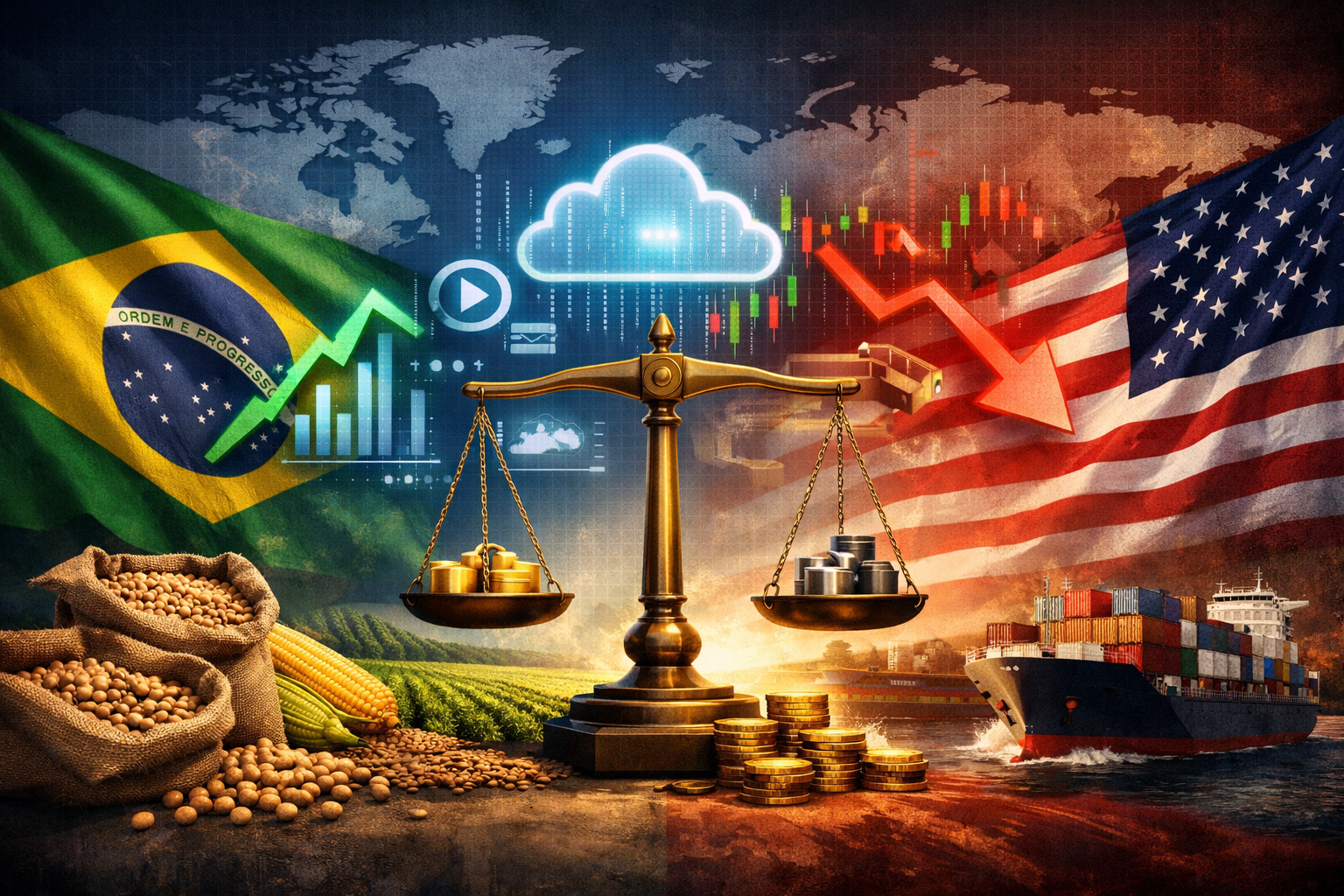
Amid global tensions, Brazil blocks the United States’ proposal at the WTO and paves the way for a trade crisis and possible retaliations.
-
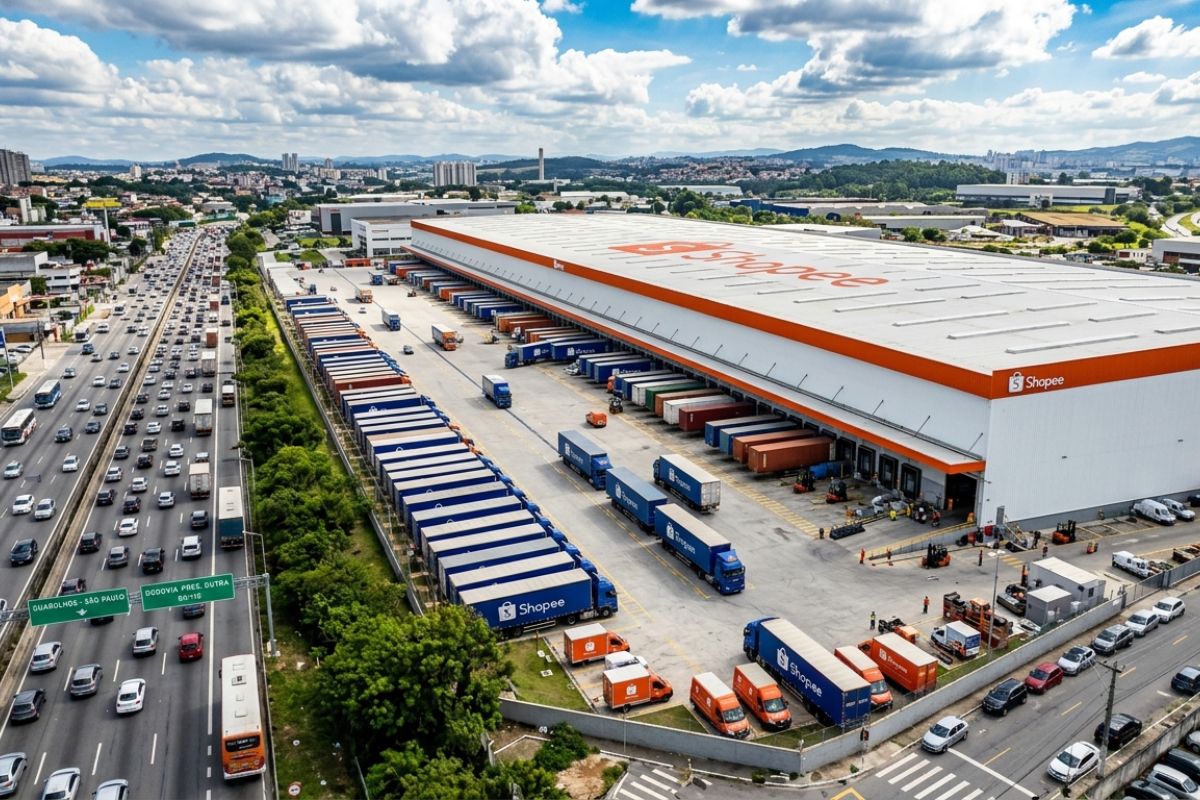
Shopee opens the largest logistics warehouse in Brazil in Guarulhos: 220,000 m² on Dutra, contract signed before construction, pays R$ 45/m² and accelerates deliveries at scale, putting pressure on Mercado Livre and Amazon.
-
After mistakenly transferring R$ 50,000 via Pix, a man will receive the amount back along with R$ 10,000 for moral damages from the recipient.


Among them is coffee. Currently, Brazil exports around eight million bags per year to the American market, a volume that represents one-third of the annual demand in the US. This trade amounts to approximately US$ 4.4 billion.
With the tariffs in place, the main question now is how the American market will react. Buying Brazilian coffee will become more expensive, which may reduce orders and create space for changes in Brazil’s trade routes.
Approach to China
Brazil does not export only coffee to the United States. Among the products shipped are orange juice and large volumes of beef.
However, China has already established itself as Brazil’s largest trading partner, with a broad relationship that involves soybeans, iron ore, oil, beef, cellulose, sugar, wood, and cotton.
When comparing coffee volume, the difference is still significant. In June, 440,034 bags were sent to the US, compared to only 56,000 to China.
But this scenario is beginning to change. Reuters confirmed that China has authorized the entry of 183 new Brazilian coffee companies into its market.
Expanding Chinese Market
This decision is strategic for Brazil, but it also accompanies an internal phenomenon in China. Since 2010, coffee consumption in the country has been growing at double-digit rates, far surpassing the global average of 2% per year. The average annual growth is over 20%.
In 2023, Chinese consumption reached 5.8 million bags. Projections indicate that by 2025, the number will rise to 6.3 million, double that recorded in 2019.
Although the amount consumed per person is still lower than in other countries, around 400 million Chinese people already drink coffee regularly. And the trend is for growth.
Profile of the New Consumer
A large part of this increase comes from young adults, aged 25 to 44. They live in major urban centers, have high education levels and good income. Another decisive factor is the significant increase in the number of coffee shops.
The sector has recorded growth of over 50% in the number of stores in just two years. Shanghai, for example, is now the city with the most coffee shops in the world, totaling around 9,500 establishments.
This scenario drives a market that jumped from US$ 38 billion in 2023 to US$ 43 billion in 2024.
Cultural and Taste Changes
The advancement of urbanization, the consolidation of the middle class, and Western influence — with brands like Starbucks and national chains like Luckin Coffee — have helped to transform coffee into a trend.
Today, instant coffee still leads consumption, often combined with other beverages. However, the segment of specialty coffees and drinks made with freshly ground beans now represents more than 40% of the Chinese market.
This change shows that, in addition to growing in volume, consumption is becoming more sophisticated. More discerning consumers interested in quality create new opportunities for producers seeking to sell differentiated coffees.
Outlook for Brazil
For the Brazilian producer, expanding access to the Chinese market may compensate, at least in part, for losses in the US.
Diversifying destinations is a way to reduce dependence on a single buyer, especially in a context of commercial instability.
The most important thing is that Chinese demand continues to expand and has the potential to absorb more product, especially of superior quality.
This scenario places Brazil in a strategic position, both as a supplier of volume and as an exporter of specialty coffees.
Challenges on the Horizon
Even with this positive outlook, the coffee market remains vulnerable to climatic and logistical factors.
Global supply still suffers from extreme events that affect production and raise transportation costs.
Therefore, although China appears to be a viable and promising alternative, the Brazilian coffee industry needs to remain attentive to price fluctuations and the competition from other producers.
In the short term, the pressure on American consumers, who are already complaining about the price of a cup, may redirect global trade.
In the end, China’s “thirst for coffee” emerges as a concrete opportunity for Brazil in a turbulent international scenario.
With information from Xataka.








-

-

-

-

-

-

58 pessoas reagiram a isso.