





 Portuguese
  English
  Spanish
  3 min of reading
  0 comments


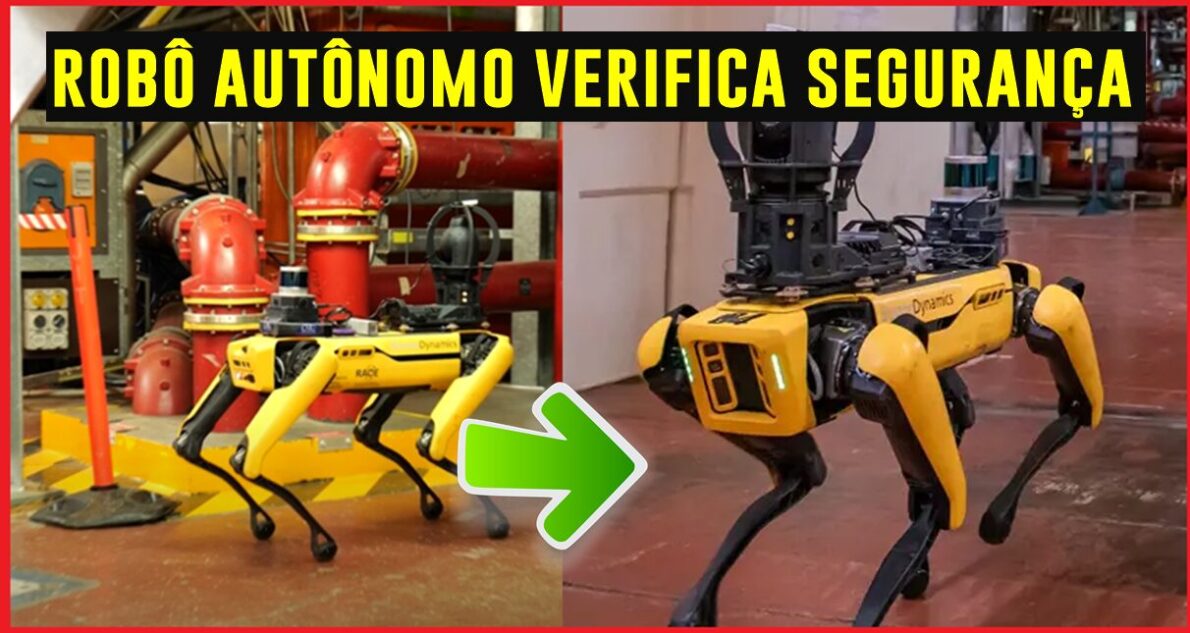
The First Autonomous Robot In The World Capable Of Verifying The Safety Of Nuclear Power Plants Fully Autonomously Was Launched
A milestone has been reached in the field of nuclear energy. For the first time, an autonomous robot has been deployed to conduct a complete and internal inspection of a nuclear facility.
This breakthrough, carried out by the Oxford Robotics Institute (ORI) at the University of Oxford in partnership with the United Kingdom Atomic Energy Authority (UKAEA), demonstrates the transformative potential of autonomous robotics in highly challenging industrial environments, such as fusion power plants.
The First Autonomous Mission In A Fusion Plant
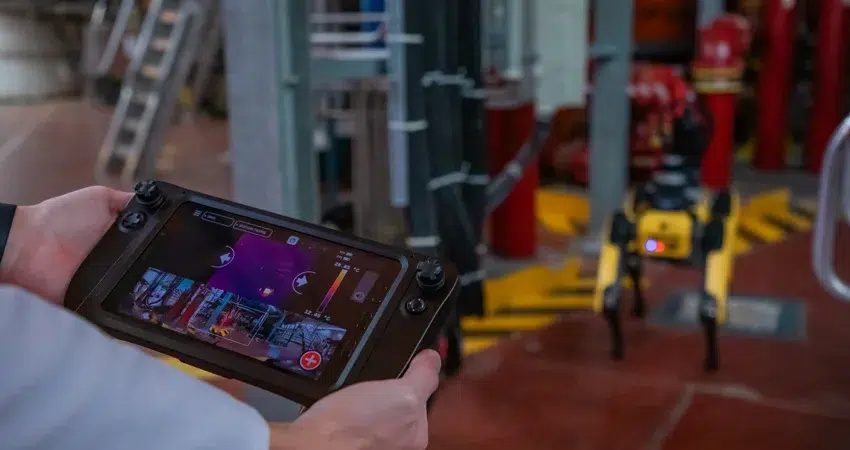
Over 35 days, the Boston Dynamics quadruped robot Spot, operated by ORI’s “AutoInspect” platform, conducted a series of autonomous inspections at the Joint European Torus (JET), one of the largest fusion research facilities.
-
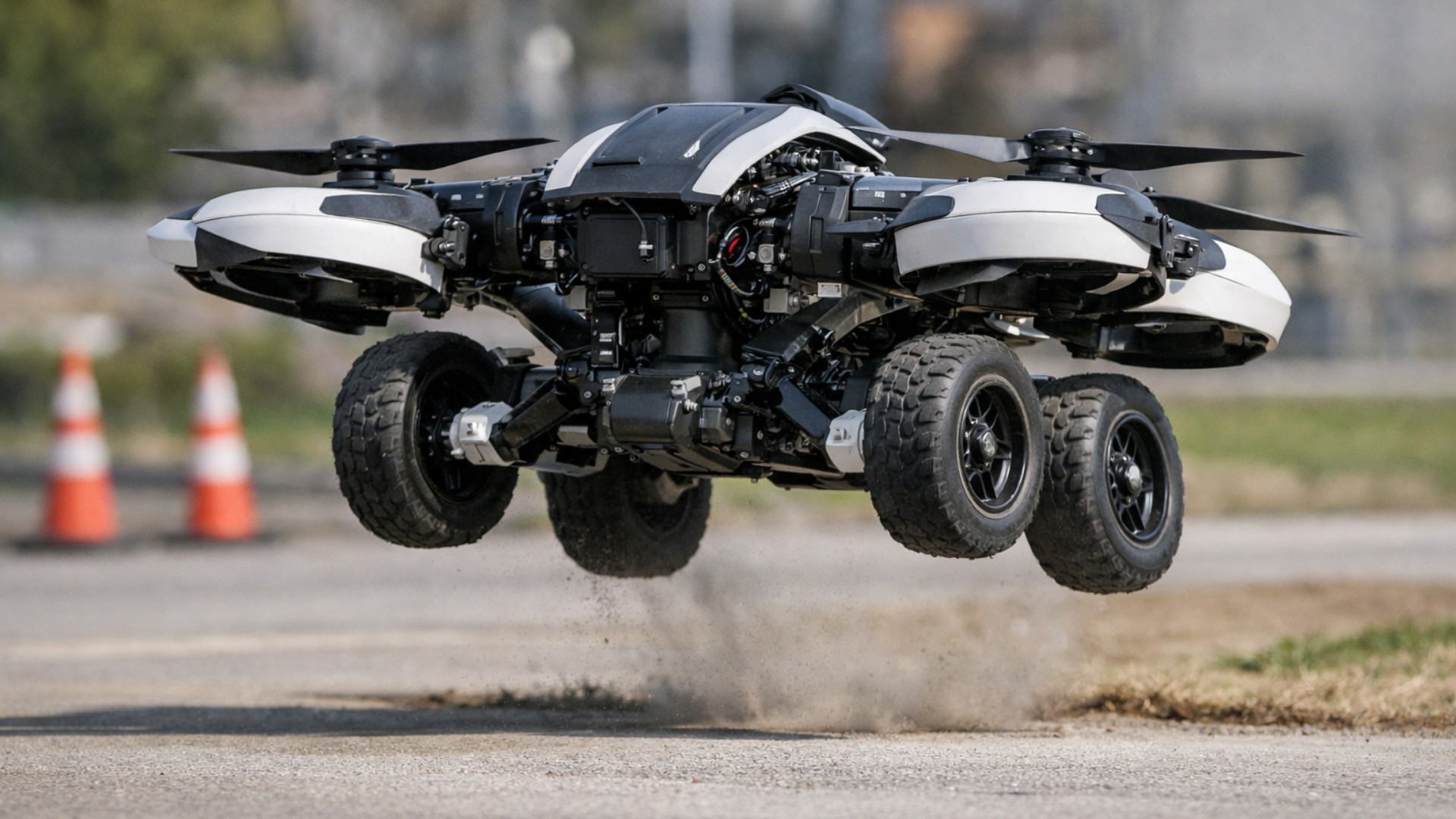
Researchers in the U.S. have created a flying robot that transforms into a land vehicle while still in the air. The technology, based on aerodynamic transition, converts landing into a scene worthy of Transformers and redefines mobility between sky and ground.
-
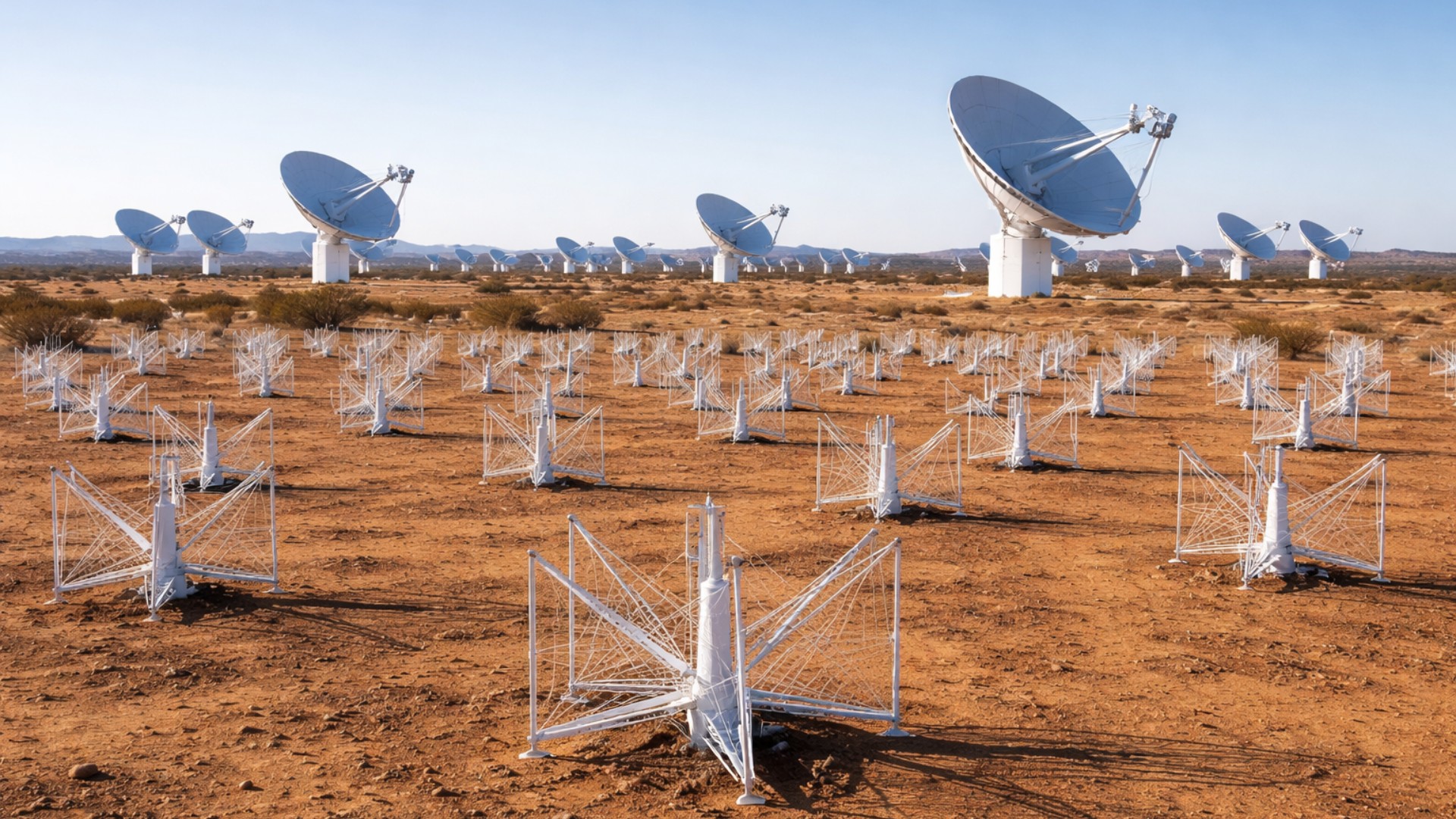
Spread across two continents, with 197 parabolic antennas in South Africa, 131,000 2-meter antennas in Australia, and a range of up to 150 km, the SKA begins to “listen” to the Universe on an unprecedented scale and accelerates the search for black holes, primitive galaxies, and nearly invisible radio signals.
-
Goodbye batteries: a new sensor created by Japanese scientists uses sweat as an energy source and points to a promising path for more sustainable devices, with greater autonomy and less need for frequent recharging.

-
The Brazilian Army inaugurated the assembly line for the Guaicurus armored vehicle with a contract for 420 units by 2033, and the same vehicle has already been tested in combat in Afghanistan and Lebanon by European armies.


This pioneering experiment was essential to prove that robots can operate autonomously in hostile environments, such as those with intense radiation, extreme temperatures, and vacuum pressures, where human presence is unfeasible.
Throughout the mission, the robot performed tasks such as mapping the environment, collecting sensor data, and navigating around obstacles and personnel independently, twice a day.
The success of this mission points to a new era where robotics can replace the human presence in safety inspections, maintenance, and eventually, in the decommissioning of fusion plants.
Pioneering In Autonomous Maintenance
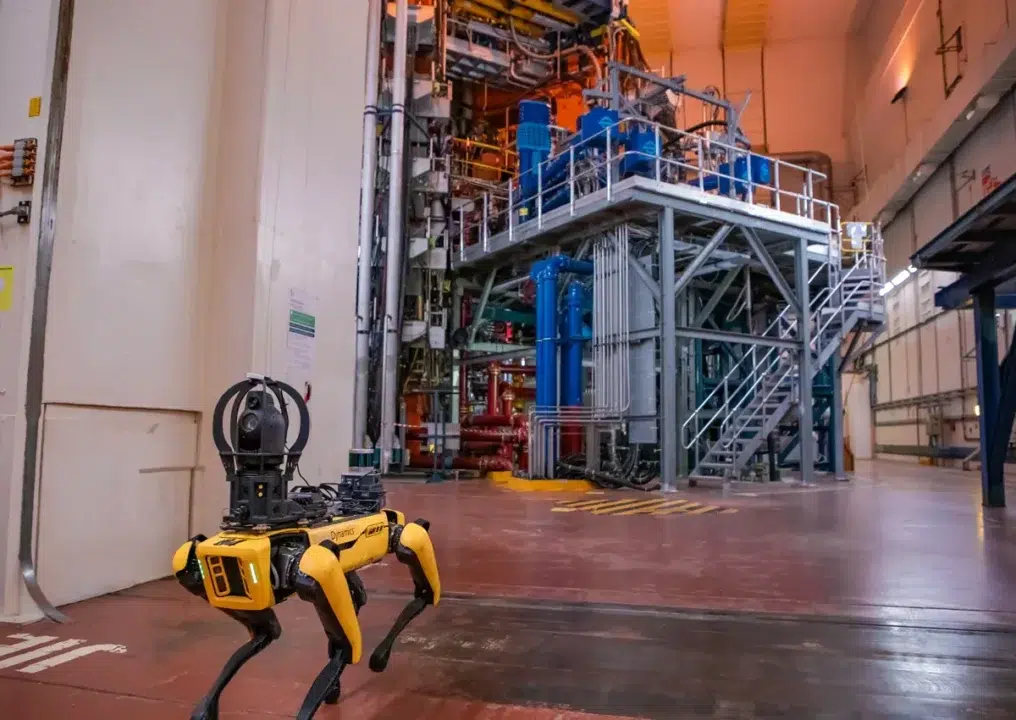
Fusion power plants are seen as the energy solution of the future, but they require constant maintenance due to the extreme conditions in which they operate.
Historically, these tasks have been performed by human-controlled robots, but the test at JET demonstrated that autonomous robots can carry out these inspections independently, with greater safety and efficiency.
“The project’s goal was to validate the reliability of autonomous robotic technology and instill confidence in its use for safe and efficient inspections in fusion facilities over long periods,” explained Dr. Robert Skilton, head of research at UKAEA.
The ability of a robot to operate without direct human intervention in a fusion environment paves the way for a safer and more cost-effective alternative for future nuclear plants.


Is The Autonomous Robot The Future In Nuclear Plants?
In addition to applications in fusion plants, the success of this project has broader implications for other industries. Dr. Skilton stated that “autonomous robots can enhance safety and cut costs” across a variety of sectors, including nuclear decommissioning, environmental cleanup, and disaster relief.
By allowing robots like Boston Dynamics’ Spot to collect data independently and navigate challenging environments, ORI and UKAEA have opened doors to the development of more advanced robotic solutions applicable to various fields.
Professor Nick Hawes from the University of Oxford also highlighted the importance of this project for the advancement of artificial intelligence and robotics, stating that “projects like this demonstrate the value of autonomous robots – robots that can do things on their own without direct human control“.
This advancement not only allows for the replacement of humans in hazardous environments but also underpins new AI and robotics algorithms in real-world usage scenarios.
The successful testing of the autonomous robot at the JET facility is just the beginning of a future where robotics can play a crucial role in the maintenance and safety of hazardous industrial facilities.
With this demonstration, nuclear fusion plants, which promise to be one of the cleanest and most efficient energy sources of the future, will be able to rely on advanced robotic systems to ensure their operation and sustainability.








Seja o primeiro a reagir!