Portuguese
  Spanish


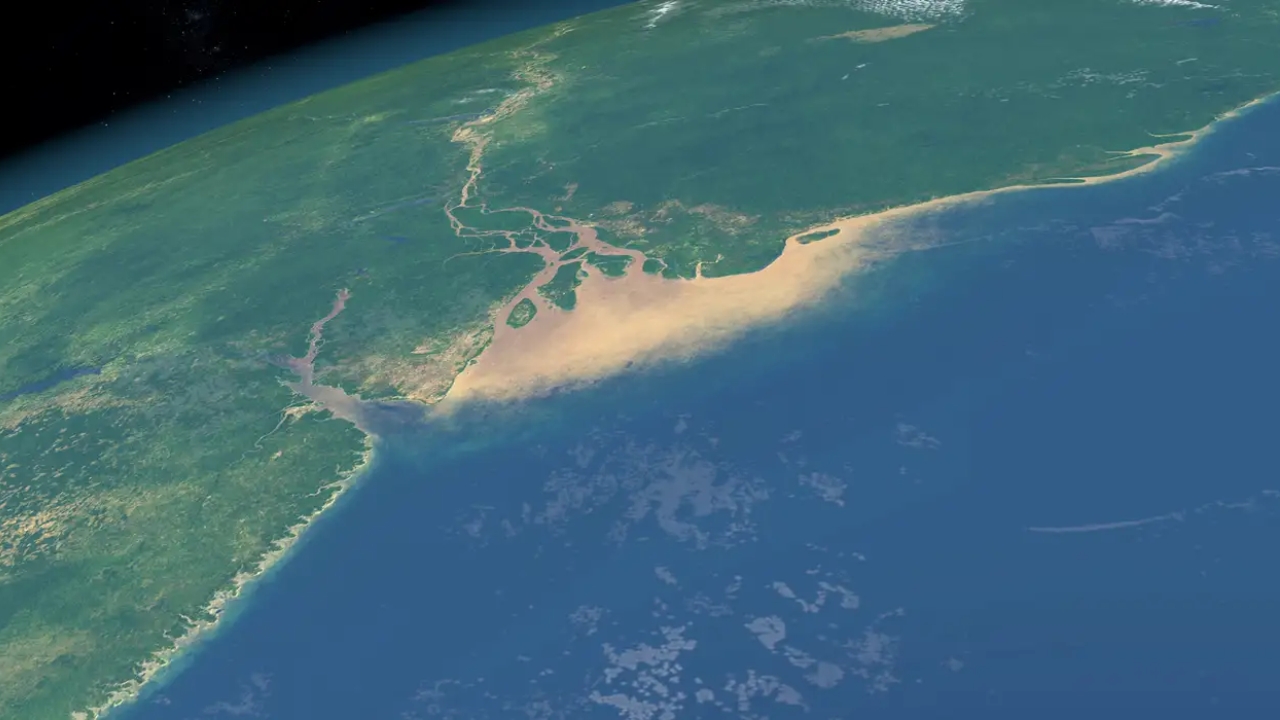

INPE Study Proves That the Amazon River, at 6,992 km, Surpasses the Nile and Becomes the New Longest River in the World. The Discovery Redefines Maps and Highlights Brazil as a Global Environmental Power
Amidst the green expanse of the Amazon rainforest, a debate that spans centuries has gained strength once again: after all, which is the longest river on the planet? For generations, the title belonged to the Nile, pride of Egypt and icon of ancient civilization.
But new measurements conducted by Brazilian and Peruvian scientists have placed the Amazon River at the top of this dispute, based on cutting-edge technology, satellite images, and precise geographic calculations that changed the history of modern maps.
A Scientific Turnaround from the Amazon
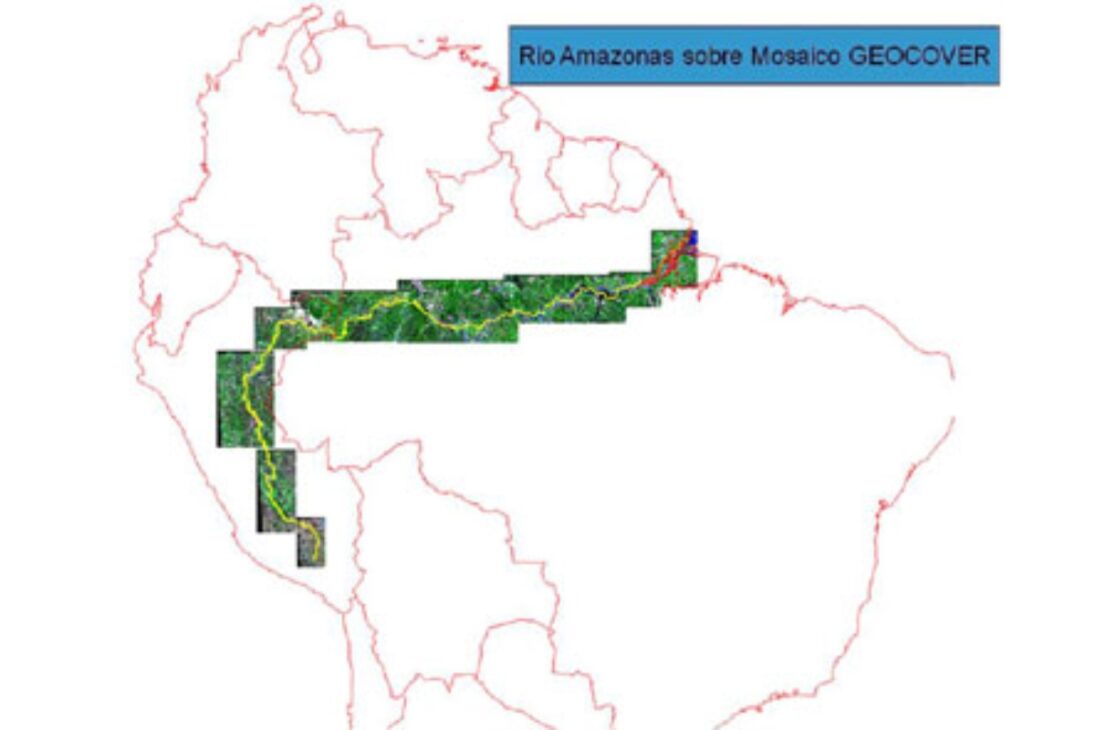
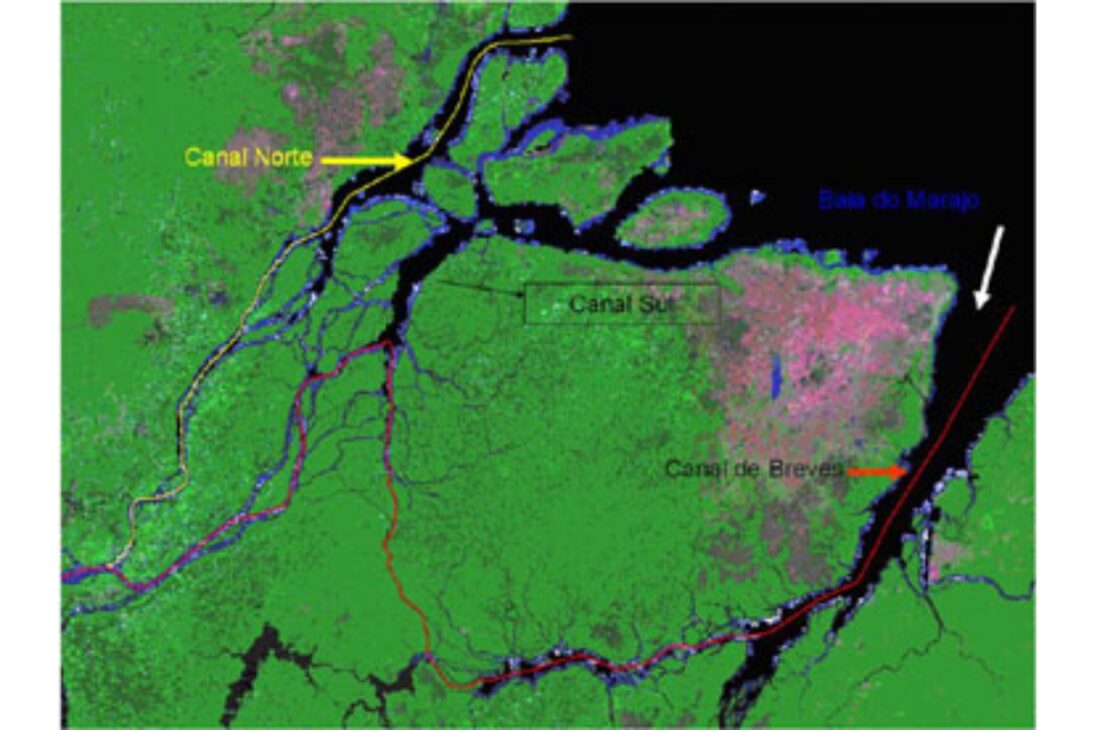
Researchers from the National Institute for Space Research (INPE), in partnership with the Military Geographic Institute of Peru, the National Water Agency (ANA), and IBGE, conducted a study that redesigned the official course of the river. The work identified more distant sources in the Peruvian Andes that were previously not counted as part of the main course of the Amazon.
-
4,000-Year-Old Child’s Skull Unveils Ancient Burial in 7,500-Year-Old Norwegian Rock Shelter, Impressing Archaeologists

-
Norway Defeats Brazil in World Cup but Invests Billions to Preserve the Amazon, Strengthens Amazon Fund, and Joins Brazil in Leading Global Effort Against Tropical Deforestation

-
Denmark Constructs Its Largest Breakwater with 175 Concrete Blocks and World’s Largest Excavator to Combat 8-Meter Waves, at a Cost of $156 Million

-
Swedish Company Develops Offshore Wind Turbine That Eliminates the Need for Cranes and Simplifies Maintenance



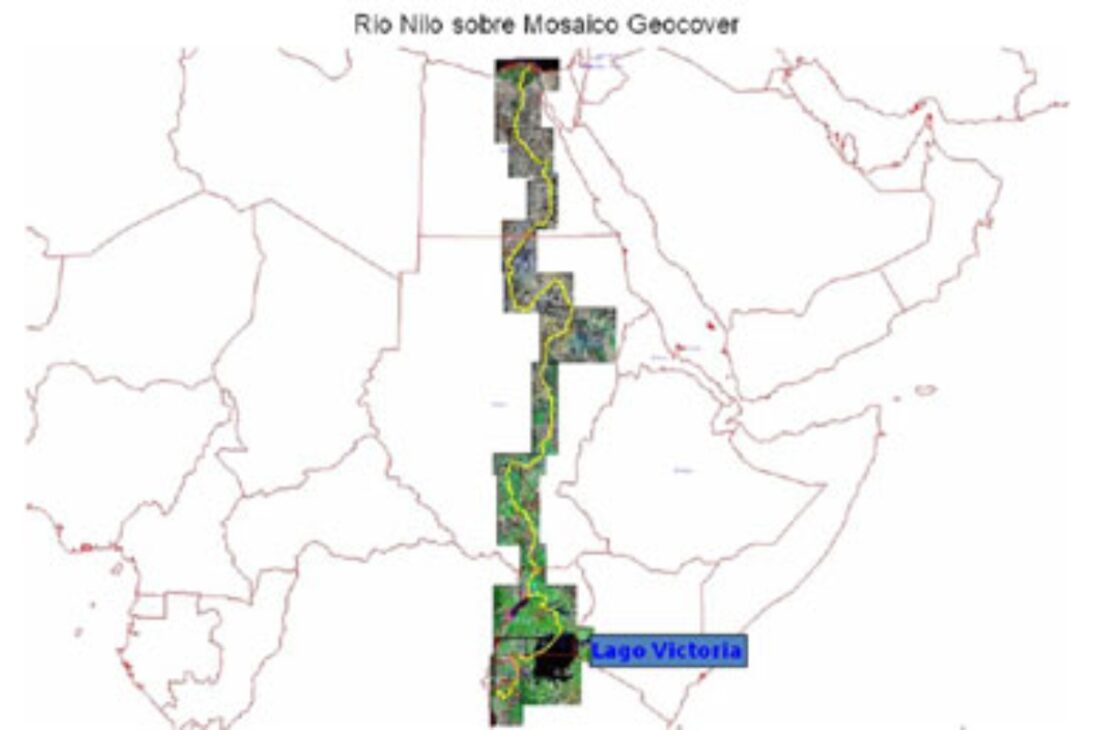
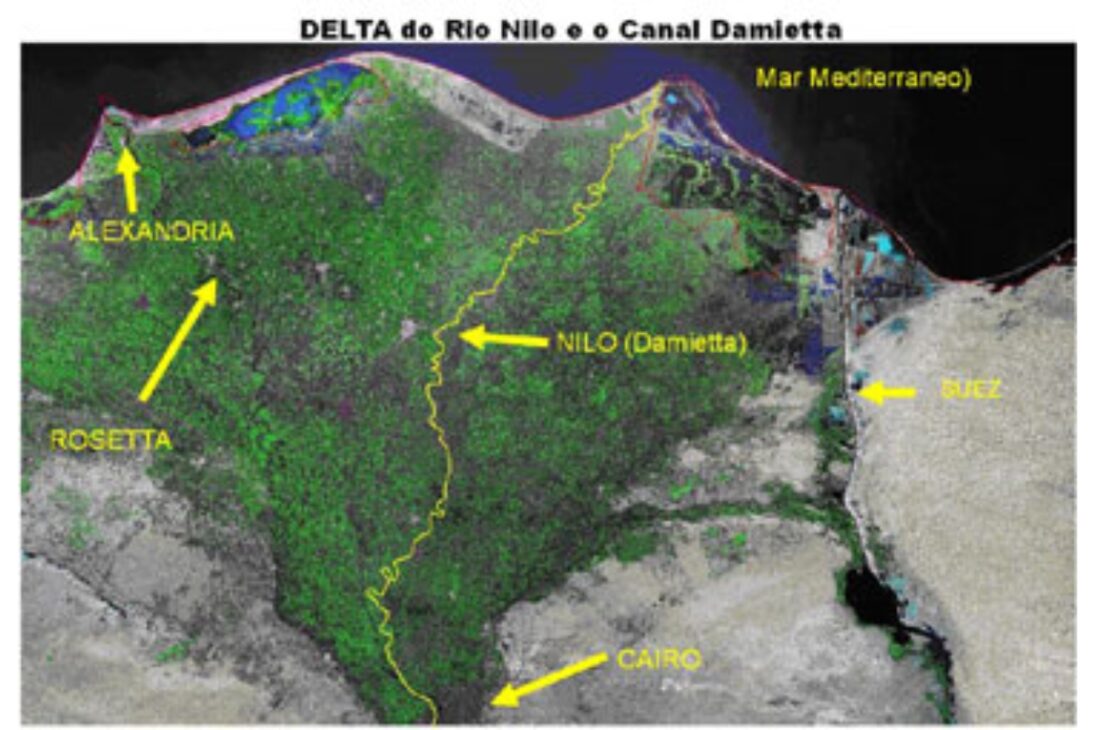
According to the new measurements, the river has 6,992.06 kilometers in length, while the Nile, traditionally considered the longest, measures 6,852.15 kilometers.
“Using remote sensing and geoprocessing techniques, we proved that the Amazon hydrographic system is more extensive than previously imagined,” explained researcher Paulo Roberto Martini, who is responsible for the study at INPE.
The Giant of Waters
Even before this confirmation, the Amazon already reigned as the river with the largest water volume on the planet. Its average flow exceeds 200,000 cubic meters per second, which is equivalent to dozens of times the total flow of all rivers in Europe. In flood periods, it can reach almost 500 kilometers in width, creating an impressive landscape and turning entire regions of the Amazon into true inland seas.
Beyond its physical dimensions, the river is also a symbol of ecological balance. Its basin covers about 40% of South America, spread across eight countries, and represents approximately 20% of all freshwater that drains into the planet’s oceans. Not surprisingly, UNESCO classifies it as one of the greatest natural wonders of the world, a title that reinforces its global importance for climate and biodiversity.
The International Controversy
Despite the scientific backing of the Brazilian measurements, Guinness World Records still recognizes the Nile River as the longest in the world. This is because, for the international community, the exact definition of the source point is still a subject of debate. In the case of the Amazon, there are at least three tributaries vying for the main source, located in different regions of the Peruvian Andes.
National Geographic Brazil acknowledges that INPE’s methodology is consistent and based on modern technical criteria but points out that “the lack of consensus on the exact starting point makes a definitive decision difficult”.
In contrast, Brazilian scientists argue that measurements based on high-resolution geospatial data provide a more reliable result than historical estimates made from land expeditions.
The Pride of a Country and the Strength of a Biome
More than a dispute of numbers, the result reinforces the natural grandeur of Brazil. The Amazon River is, above all, the heart of an ecosystem that influences the planet’s climate, harbors thousands of species, and sustains entire communities along its banks.
Whether the longest or just the most voluminous, the river symbolizes the environmental power of the Amazon and Brazil’s scientific capacity to reveal new ways of understanding nature to the world.
Based on increasingly solid evidence, the debate over which is the longest river on the planet seems to be tipping in favor of South America. And in this case, Brazil — along with Peru — has good reasons to celebrate: the true giant of waters may indeed be born in the Andes and flow into the Atlantic.