





 Portuguese
  English
  Spanish
  4 min of reading
  0 comments


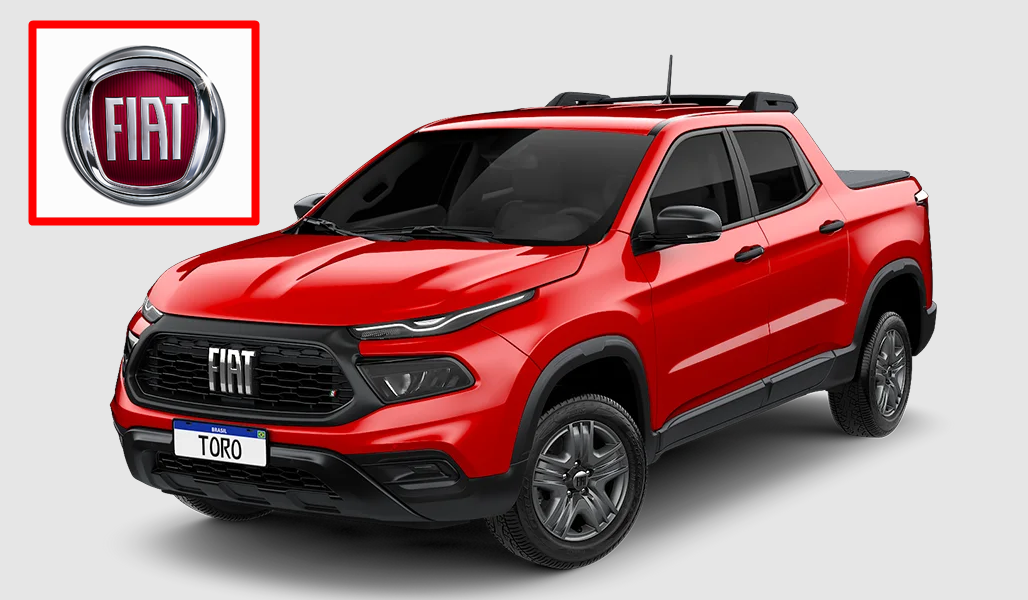
Fiat Is One of the Most Beloved Car Manufacturers by Brazilians, Conquering the Local Market and Surpassing Its Own Sales in Italy.
Fiat is so successful in Brazil that it has even surpassed its performance in its homeland, Italy. This phenomenon draws attention and sparks curiosity about the reasons behind this success in our country.
The Italian brand, which over more than 48 years in the country has secured a leading position in the market, is an example of adapting to the needs of the Brazilian market.


Impressive Numbers
Fiat continues to consolidate its leadership in the Brazilian market in 2024. By December 17, the brand achieved 500,697 registered vehicles, surpassing the total of 475,500 units sold in 2023.
-
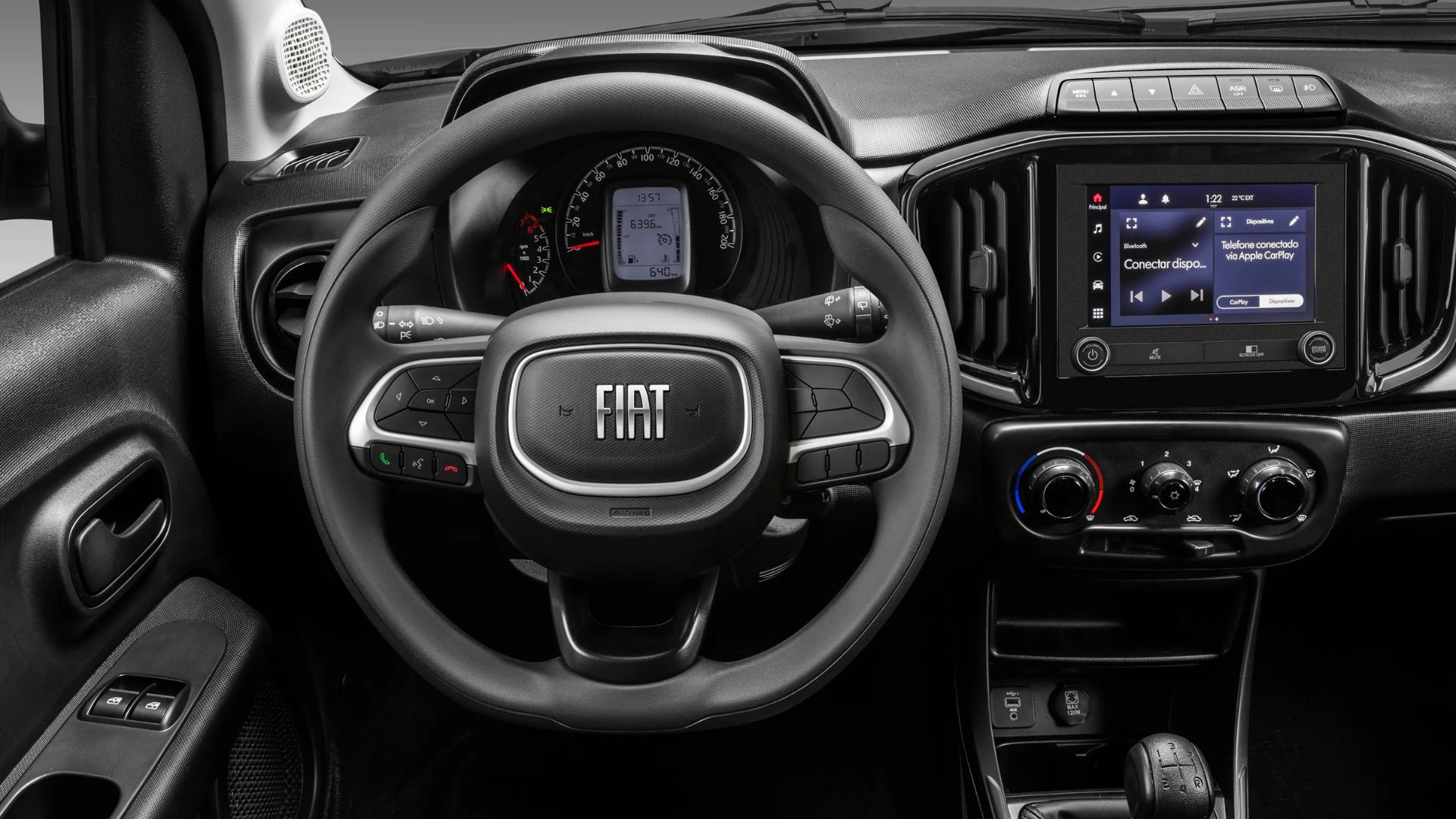
With a 1.0 engine producing 75 hp and costing less than R$ 70,000, Fiat’s car returns to the podium as the cheapest in the country; a temporary promotion for the 2026 Like version reduces the price of the Fiat Mobi.
-
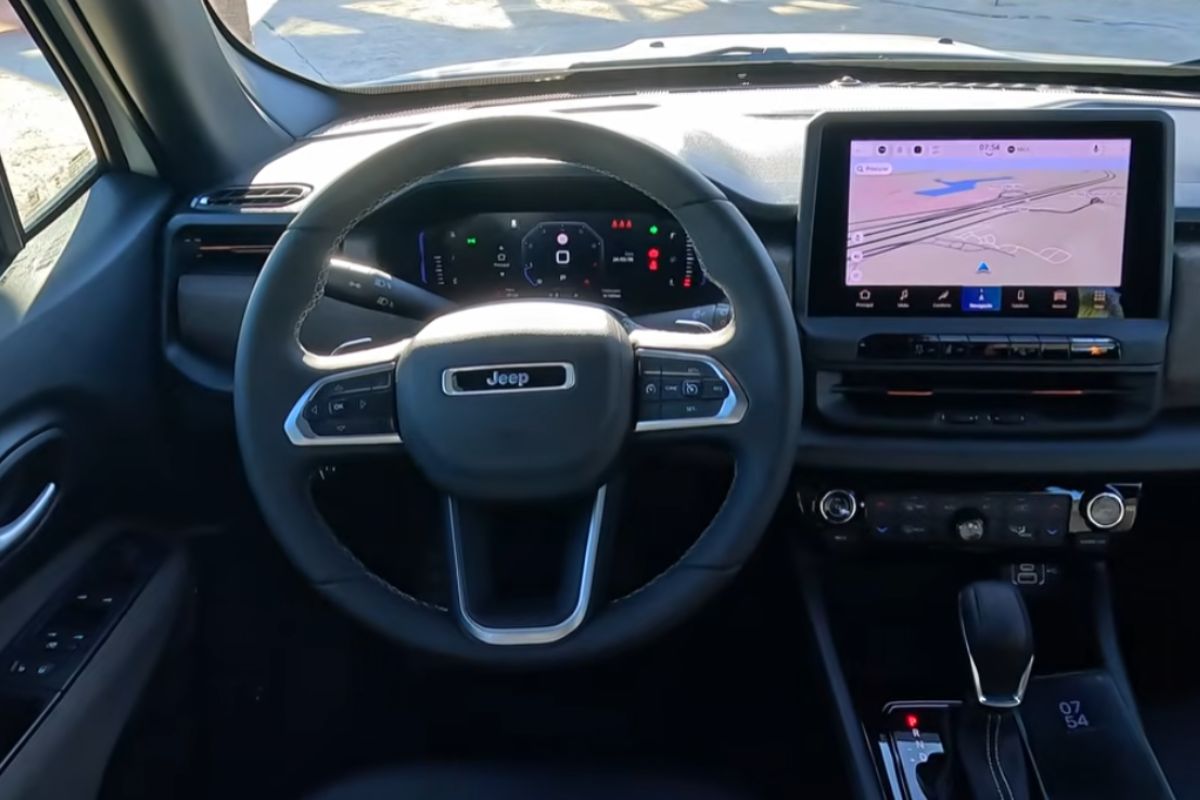
With a mild hybrid system of 48 V, 176 hp and a price of R$ 175,990 in the Sahara version, the new Jeep Renegade changes mostly on the inside, improves slightly in fuel consumption, and remains almost the same car.
-
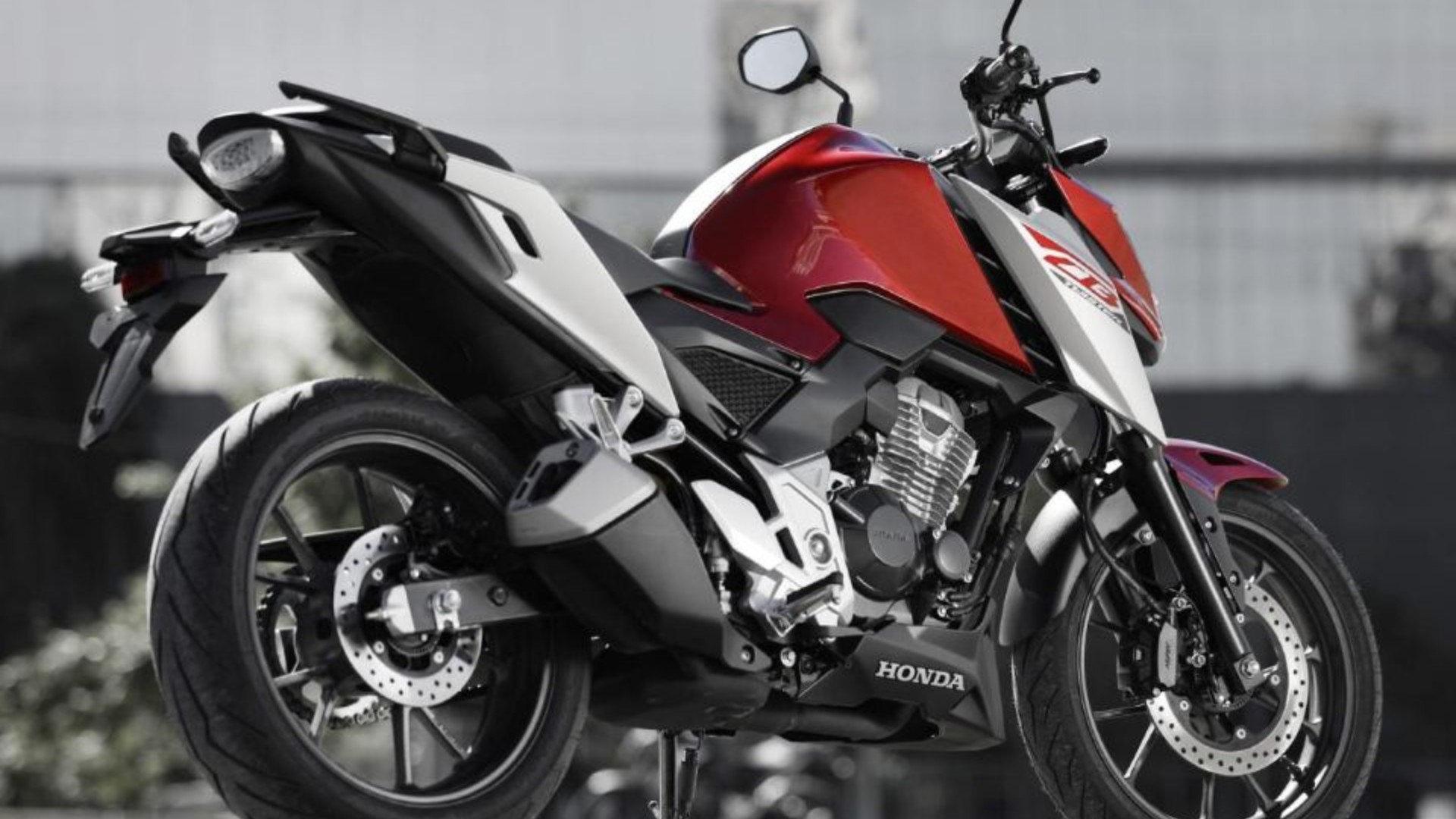
With a 293.5 cm³ engine and a range of up to 400 km with a 14.1-liter tank, the Honda CB 300F Twister 2026 has up to 24.7 hp, an initial price of R$ 25,150, and already exceeds R$ 29,000 in the Fipe Table.
-
With a 1.3 engine, nearly 700 km of range, and Turbo 200, the Fiat model surpasses Polo, Tera HB20, and Onix, becoming the best-selling car in March; see the numbers for the Fiat Strada and others.
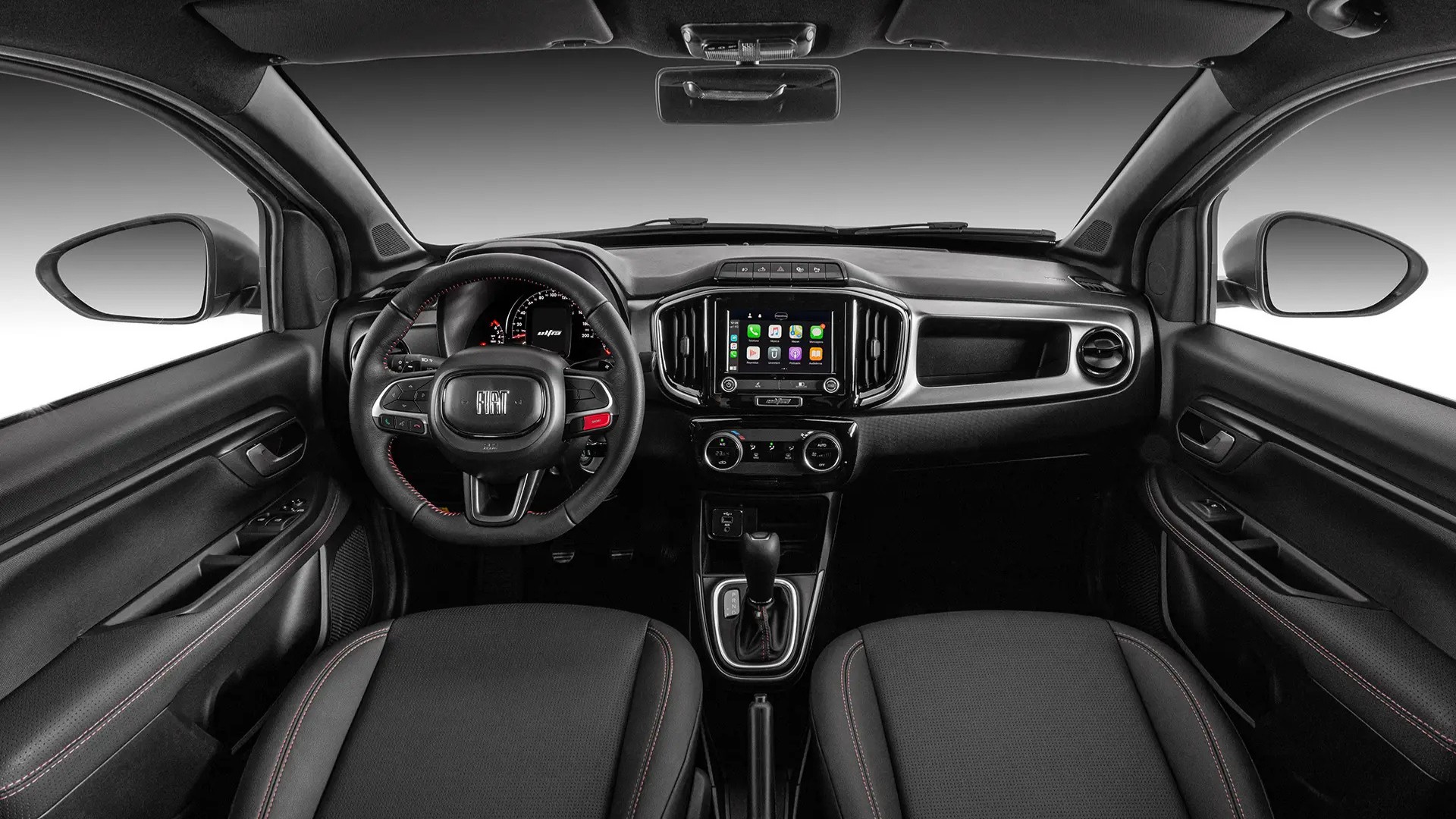

For the year-to-date, Fiat maintains a market share of 20.9%, with the Strada pickup standing out as the sales leader with over 128 thousand units sold.
In November, Fiat recorded 12,360 units sold of the Strada, keeping it among the best-selling vehicles of the month.
Furthermore, the brand has been making a mark in the electrified vehicle segment. With the launch of its line of mild hybrids, Fiat recorded an increase of over 500% in sales in this segment, reaching a 13% share of electrified vehicle sales in Brazil.
Adaptation to the Local Market
Since arriving in Brazil in 1976, with the inauguration of the factory in Betim (MG), Fiat has demonstrated a unique ability to understand the needs of the Brazilian market.
The Fiat 147, for example, was not only the first car produced by the brand in the country, but also brought innovative solutions such as sedan, station wagon, van, and pickup versions. These models inaugurated segments that previously did not even exist here.
In the 1980s, the national Fiat Uno, launched in 1984, solidified the concept of “small on the outside and big on the inside.” Additionally, the model introduced variants that addressed different needs, such as the Prêmio sedan, the Elba station wagon, and the Fiorino pickup.
Notable Innovations
Fiat also stood out by bringing numerous innovations to the Brazilian market. It was a pioneer in launching the first car with a onboard computer (Fiat Prêmio), the first with a factory turbo engine in Brazil (Uno Turbo), and the first equipped with airbags (Fiat Tipo).
These initiatives helped the brand consolidate itself as a leader in technology and safety.
In the 1990s, the launch of the Uno Mille, an affordable and economical version, became a sales phenomenon. With low maintenance costs and efficient fuel consumption, the model won over Brazilian consumers.
Palio Family: Absolute Success
In 1996, the Fiat Palio hit the market with the proposal of being a global model developed for emerging markets. Quickly, the car became a success, generating a family of vehicles that included the Palio Weekend station wagon, the Siena sedan, and the Strada pickup.
The latter stood out over the years as the leader in its category and is now a three-time national sales champion.
The Fiat Toro, launched in 2016, was another milestone. With modern design and aspirational appeal, the model reinforced the brand’s presence in the pickup segment.
More recently, the Fiat Titano joined the portfolio, bringing a new option to complete the brand’s trio of trucks.
Market Strategy and Local Production
Local manufacturing has always been a differentiator for Fiat. Producing vehicles on Brazilian soil since the beginning of its operations, the brand was able to reduce costs and offer cars with excellent cost-benefit.
Additionally, the extensive network of over 500 dealerships spread across the country ensures efficient service and reinforces consumer confidence.
In recent years, Fiat has emphasized its “Italianity” in the design and details of its models, repositioning itself as a brand of accessible cars with aspirational appeal and added value. This has helped attract new consumers and maintain its relevance in the Brazilian market.
Reasons for Fiat’s Success in Brazil
Several factors explain why Fiat has gained such a foothold in the hearts of Brazilians:
- Adaptation to the local market: Robust models with low maintenance costs were key to attracting consumers.
- National production: Manufacturing in Betim reduced costs and brought the brand closer to the public.
- Constant innovation: Technologies like turbo engines, airbags, and online sales demonstrated the brand’s pioneering spirit.
- Competitive cost-benefit: Fiat has always maintained a balance between price, quality, and economy.
- Dealership network: A broad and efficient network facilitated post-sale access and service.
- Effective marketing: Creative advertising campaigns and sports sponsorships strengthened the connection with Brazilians.
With so many favorable elements, Fiat has established itself as one of the most beloved automotive brands and a leader in Brazil.







-

-

-

16 pessoas reagiram a isso.