





 Portuguese
  English
  Spanish
  3 min of reading
  0 comments


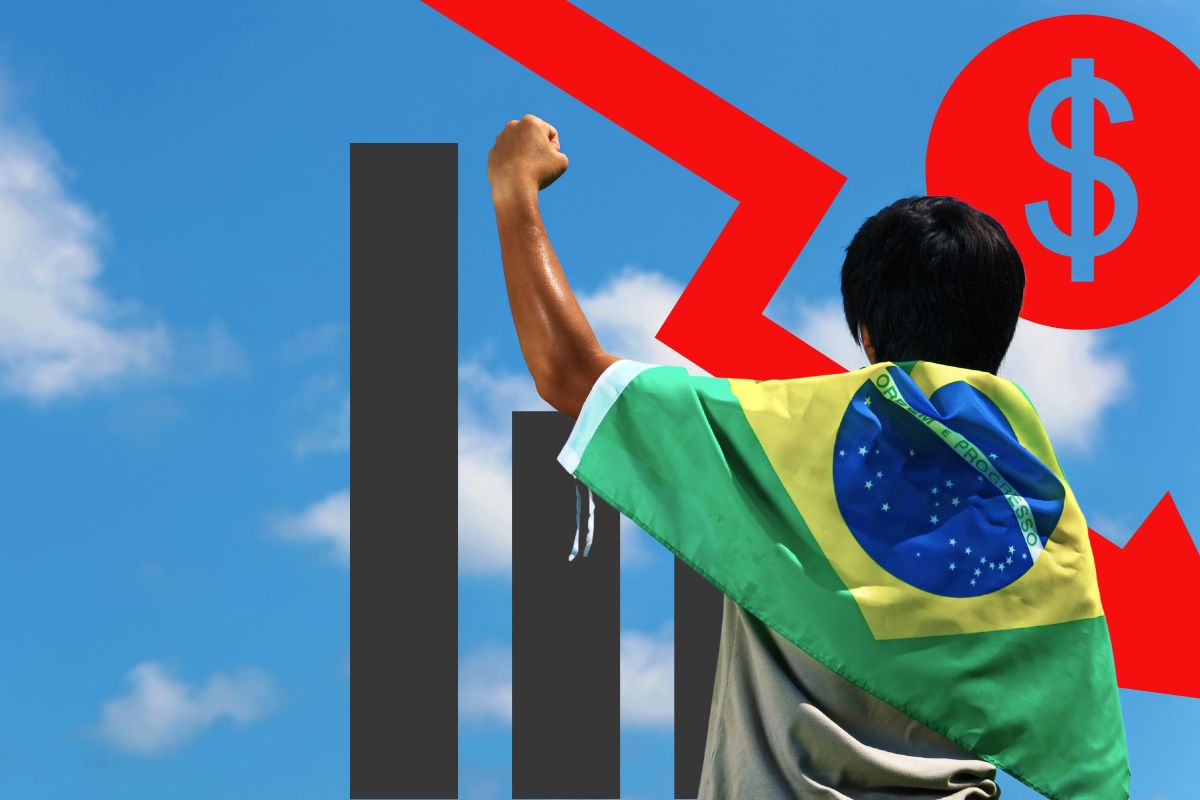
Preliminary Data From June Indicates One of the Worst Retail Contractions in Recent Times, Impacting Both Physical and Digital Stores. The Result Deepens Concerns About the Direction of the Brazilian Economy, Pressured by High Interest Rates and Household Indebtedness.
The alarm signal for the Brazilian economy was triggered forcefully in June 2025. Preliminary data from the retail sector indicate a significant drop in sales, a movement that goes beyond seasonal fluctuations and suggests a deeper cooling of consumption. The contraction was felt widely, from supermarkets to furniture and appliance stores, affecting both street commerce and e-commerce, which had been seen as the growth engine of the sector.
This scenario of emptier stores and fewer sales directly reflects the difficulties faced by Brazilian families. With high levels of indebtedness and credit becoming more expensive due to high interest rates, purchasing power has diminished. Consumer caution has increased, and the decision to postpone purchases, even of essential goods, has become a reality, impacting the entire production chain and generating uncertainties about the country’s performance in the second half.
The Numbers of Retail Contraction
Market reports, such as the Stone Retail Index, published by portals like Poder360, provide a worrying outlook. According to the survey, Brazilian retail recorded a 4.2% decline in June compared to May. Even more alarming is the year-over-year comparison: sales fell 4.6% compared to June 2024, indicating that the problem is not just temporary.
-
Labor shortages are prompting Portugal, Spain, Germany, and Canada to open up opportunities for foreigners in 2026, with salaries ranging from 920 euros in Portugal to 50,700 euros per year in Germany.

-
The government is considering a temporary subsidy for cooking gas following the spike in oil prices due to the war in Iran and warns about the impact of 20% of imports on the prices paid by families.

-
The lack of truck drivers in the country is already halting shipments and threatening deadlines: 88% of transport companies are unable to hire, with an average of eight trucks idle, and the port complex of Itajaí is now feeling the impact.
-
Petrobras is about to transform a forgotten city in the far north of Brazil into the capital of oil: Oiapoque is already feeling the effects even before the first drop of oil comes out from the seabed.

Contrary to the belief that physical retail is merely migrating to digital, the numbers show that the decline is widespread:
- Digital Commerce (E-commerce): Suffered the largest hit, with a 10.6% drop in sales in the annual comparison.
- Physical Stores: Also recorded a decline, with a 4% decrease during the same period.
The slowdown has affected all sectors analyzed. The most impacted were those that depend on credit and require more financial planning from consumers.
- Furniture and Appliances: Decline of 6.4%.
- Construction Materials: Decline of 6.3%.
- Supermarkets, Food, and Beverages: Decrease of 3.7%, a noteworthy figure as it concerns essential items.
Interest Rates, Debt, and Declining Confidence
Experts point to a combination of factors that explain the slowdown in consumption, a fundamental pillar of the Brazilian economy. The main factor is the high level of household indebtedness, which limits the capacity for new purchases.
In addition, the benchmark interest rate (Selic) at a high level makes credit more expensive and restrictive. Buying in installments, a common habit among Brazilians, becomes more challenging and burdensome on the pocket, discouraging the purchase of higher-value goods. Another indicator, the Retail Performance Index (IPV), supports this scenario, showing a 11% decline in foot traffic in shopping malls and a 10% decrease in street commerce.
Impact on Overall Economic Activity


The weakness in retail is a symptom that reverberates throughout the Brazilian economy. If stores aren’t selling, industry produces less, and consequently, the services sector is also impacted. This negative cycle is already evident in broader indicators.
The preliminary Gross Domestic Product (GDP), calculated by the Central Bank (IBC-Br), had already reported a 0.7% decline in economic activity in May, even before the weaker figures from June. The drop was mainly driven by agriculture and industry, sectors directly linked to consumption and exports, which also face a more challenging external environment with new trade barriers.
How have you perceived the movement in retail in your city? Do you believe that the Brazilian economy will recover in the second half? Share your opinion in the comments.








Seja o primeiro a reagir!