





 Portuguese
  English
  Spanish
  3 min of reading



During the Year 2021, India Had Its GDP Growth at 8.9%. However, the Data Is Being Affected by the Weakening of Mining, Construction, and Retail.
Amid rising price demands in the country and the impacts suffered from the war occurring between Russia and Ukraine, India experienced a sharp economic slowdown during this quarter. The results were revealed this week by the portal The Daily Star. Inflation and GDP are concerning.
As a consequence, the Reserve Bank of India has been tasked with the complex mission of controlling the rising inflation levels the country is facing. The decision was made to increase the key interest rate. In other words, they are taking the same approach that Brazil decided in 2021, to make the key interest rates rise exponentially. Between October and December, the country’s growth was around 5.4%. However, between July and September, it was even more significant, reaching 8.4%. Currently, India is a fully developing country that exports on a global scale.
High Inflation Is Impacting Consumers in the Indian Economy
One of the aspects impacting consumers’ wallets in the Indian economy has been the inflated inflation in the retail sector, which reportedly reached over 8% in just one month (April). This was one of the highest figures in the last eight years.
-
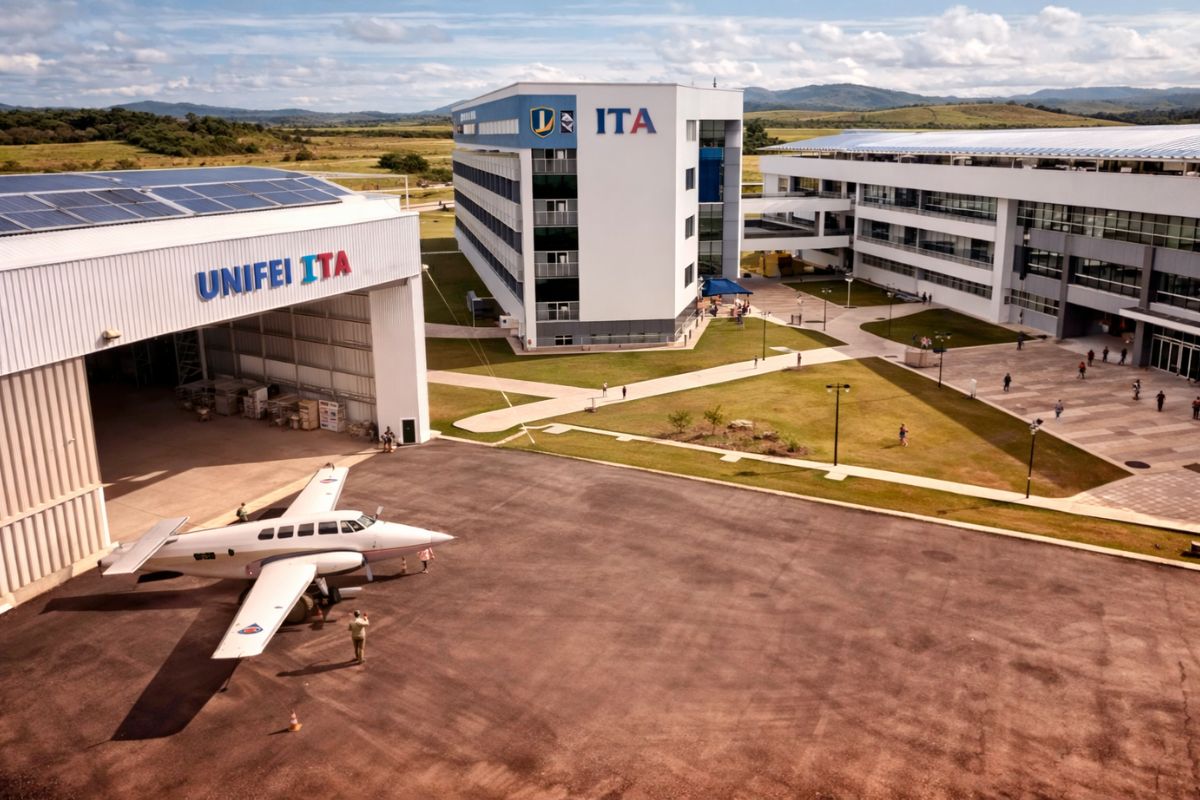
The institute that trained the greatest aerospace engineers in Brazil has just opened its first campus outside São Paulo after 75 years: ITA Ceará will have R$ 445 million, new courses in energy and systems, and classes are expected to start in 2027.
-
Luciano Hang, owner of Havan, goes to Juiz de Fora after the tragedy in February, brings R$ 1 million, hands out R$ 2,000 cards, and donates up to R$ 15,000 to victims in the region.

-
The Brazilian passport allows legal residence in dozens of countries without the need for a prior visa, and most Brazilians are unaware that they can apply for residency directly upon arriving in nations in South America, Africa, and even Europe.

-
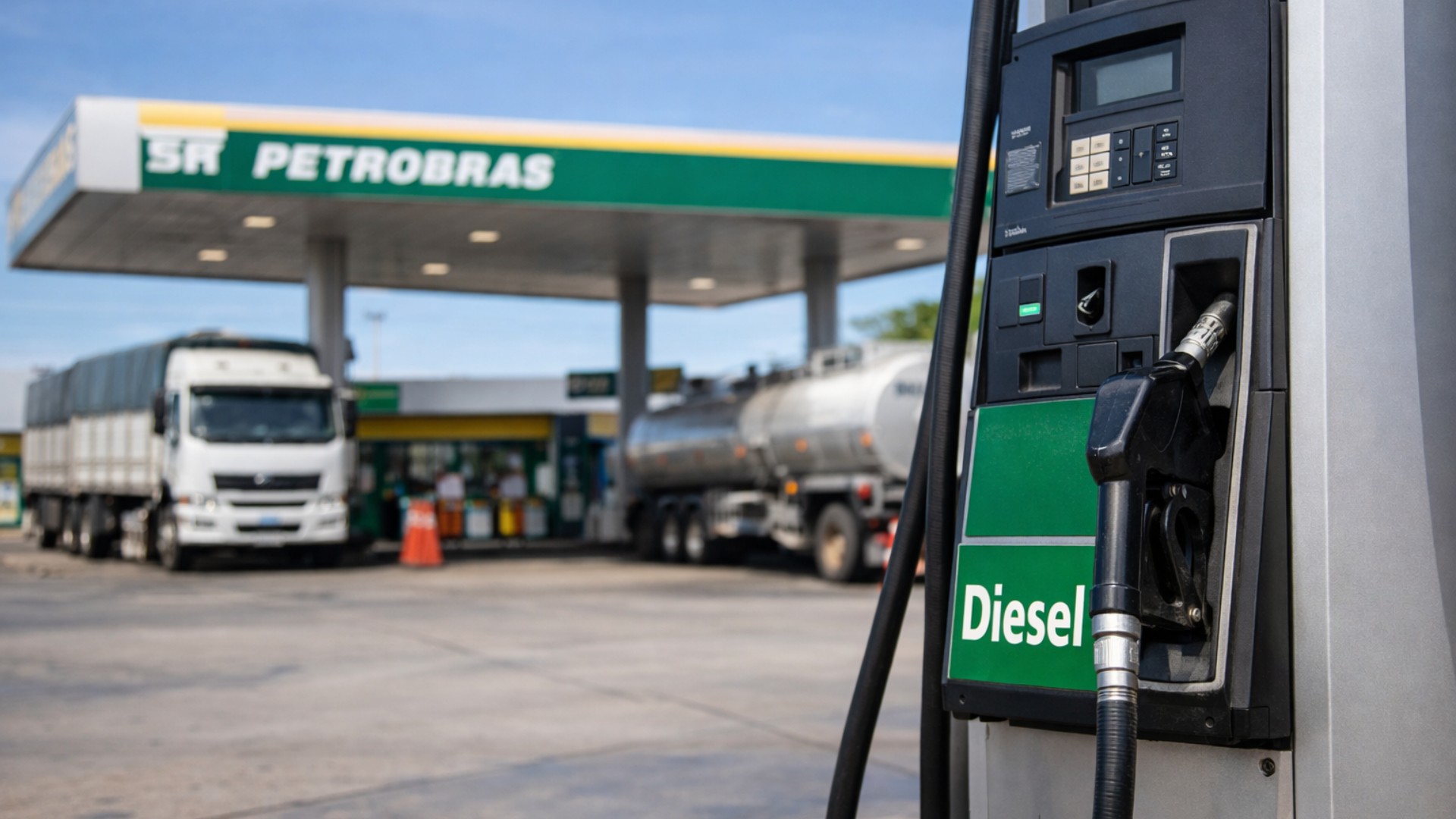
Petrobras sends a message to Brazilian truck drivers after fuel collapse and reveals plan to have 100% domestic diesel.

Inflation rises whenever there is a high amount of money in circulation or when prices in a certain area become excessive. For example, Brazil has been facing high inflation in the construction sector because some metals have seen price increases above 70% since the pandemic of Covid-19 began, which has already claimed more than half a million lives in just two years.
V. Anantha Nageswaran, Chief Economic Advisor to the Ministry of Finance, stated that inflation pressures in India are expected to continue for a significant time, which could trigger a risk of stagflation. In other words, slow growth while the population is harmed by soaring prices and the federal government struggles to control the situation.
Data revealed by the government on Tuesday shows that the food and energy sector had an accumulated increase of over 7% during the previous quarter.
Interest Rate Concerns
Garima Kapoor, an economist at Elara Capital, gave an interview and stated that the interest rate is one of the aspects most influencing the Indian economy and that this could adversely affect commodity prices.
The price of energy on an international scale is also exponentially affecting markets that are in full development, such as India. Its GDP growth revision is lower than it was in April, dropping from 7.8% per year to just 7.5%. The government also revised its expectations for the GDP, betting that it could remain at 8.7% per year, slightly below the initial forecast of around 8.9%.
The contraction of manufacturing activities is a concern for the Indian economy, and high-frequency indicators are already beginning to signal a new supply shortage in the country, especially for the mining and manufactured construction sectors. And this is happening even though states are spending more and providing more lines of credit to the entire population.








Seja o primeiro a reagir!