





 Portuguese
  English
  Spanish
  3 min of reading



According to the foreign portal QZ, despite the increase in lithium prices, the expected production increase for 2022 could lead to a more affordable price for electric vehicles in 2023.
The electric vehicle market is stagnated due to the cost being charged for lithium and other essential metals for its production. This has caused several companies operating in the sector to reduce the intensity of their operations and close shifts due to a lack of raw materials.
The mines responsible for the production of nickel and cobalt have ceased to expand as needed by the industry, causing delays in research development in the area. With prices skyrocketing, even traditional car batteries have become more expensive, and the same applies to laptops and other devices we have at home that contain lithium. Analysts from Bloomberg New Energy Finance argue that battery prices may continue to rise this year, unless commodities are controlled, but the situation can be reversed with the use of technologies.
Metals Are Expensive, but Lithium Prices May Be Controlled by 2023
Steel has an accumulated drop of 28% while iron has decreased at least 33% over the past 52 weeks. However, this price variation is not sufficient to control market volatility and the insecurity caused by the war between Russia and Ukraine.
-
Brazilian product exports to the U.S. plummet, accumulating 8 consecutive declines after Trump’s tariff hike, resulting in a deficit of $420 million, while China buys more and becomes the great savior of the Brazilian trade balance.

-
Boa Safra (SOJA3) targets Nigeria: $10 million JV brings corn technology to Africa and challenges expensive credit in 2026.

-
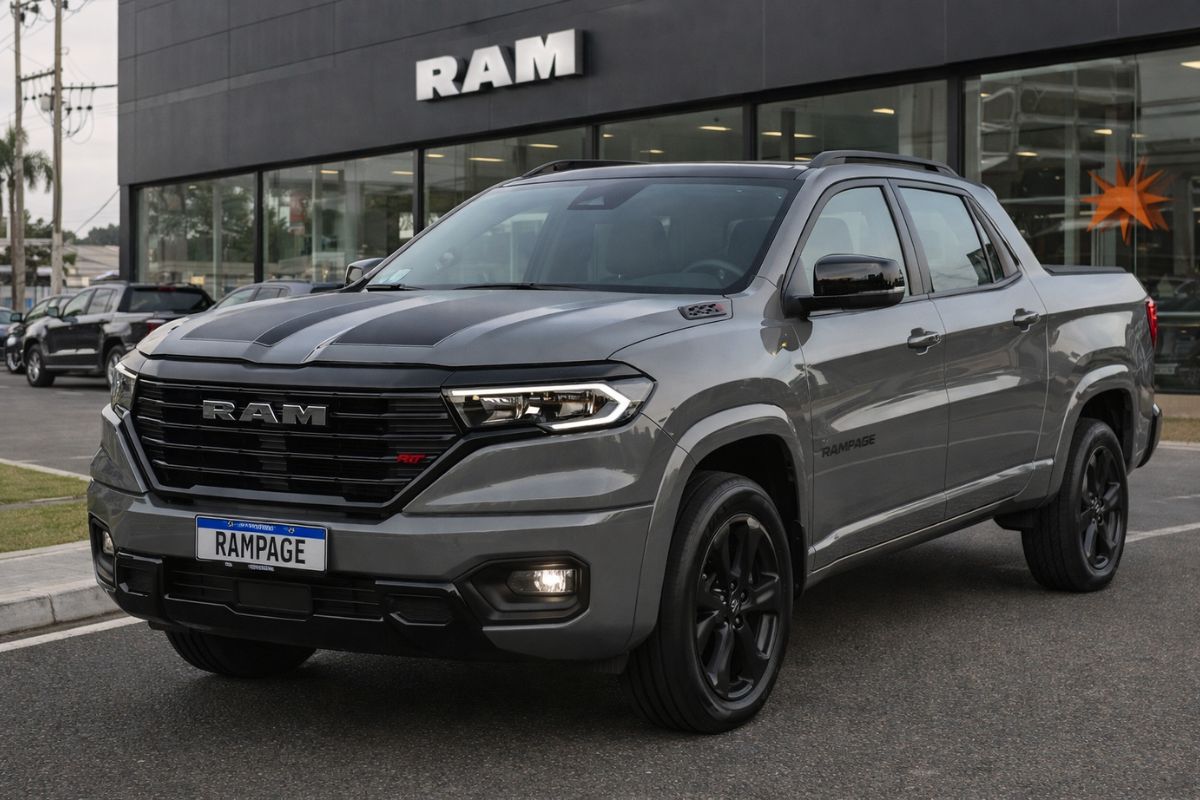
Ram had never made a flex engine in the brand’s history, but now the Rampage 2027 arrives in Brazil with 272 horsepower powered by gasoline or ethanol and is already available at dealerships.
-
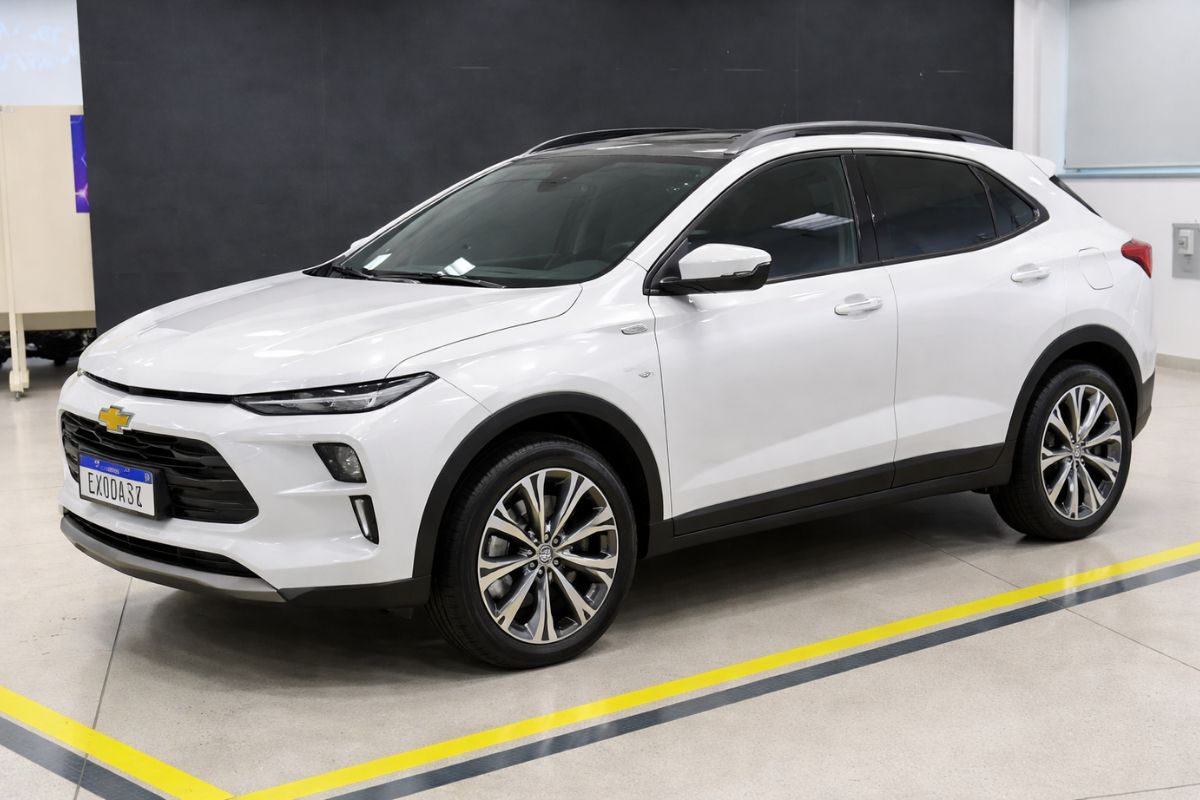
Chevrolet resurrected the Sonic name to create a coupe SUV that will arrive by June, costing R$ 900 million to develop, and was made to compete directly with Nivus and Fastback.
The high prices of materials may increase the final portion that the customer would have to pay for the electric vehicle by US$ 1,500 to US$ 3,000. In direct conversion, this addition would be over R$ 12,000 to the final price of the car. It is worth noting, however, that the current average cost of an electric vehicle is around US$ 66,000, or more than R$ 400,000 in Brazil – there are cheaper and more expensive alternatives available.

Note Published by Goldman Sachs Forecasts Improvements in the Metals Sector
According to a note issued by Goldman Sachs, on May 28, it is estimated that battery and electric vehicle prices will begin to fall over the next two years, and thus become more accessible.
The increase in the purchase of electric cars is also advantageous for the environment, given that there is a significant reduction in carbon dioxide in the environment in which humans live and a temperature control of up to two degrees Celsius when it comes to the greenhouse effect.
Due to current technological developments that the mining market is obtaining, it is estimated that the processes will be even more effective for extracting the necessary lithium quinate for the industry. This is because, during 2021, there was a production shortfall of 11% of the quantity of lithium that was needed. However, for the years 2023 to 2045, it is anticipated that production, due to the use of technology, will be 23% more than would be used by automakers and steel mills, making prices more affordable.
Goldman Sachs reveals, based on this data, that the price of batteries, which are crucial for electric cars, may drop significantly with increased production and excess inventory. Currently, the price per metric ton is US$ 54,000. However, by 2034, it may reach US$ 11,000, well under half of what it currently costs.









Seja o primeiro a reagir!