





 Portuguese
  English
  Spanish
  3 min of reading
  0 comments


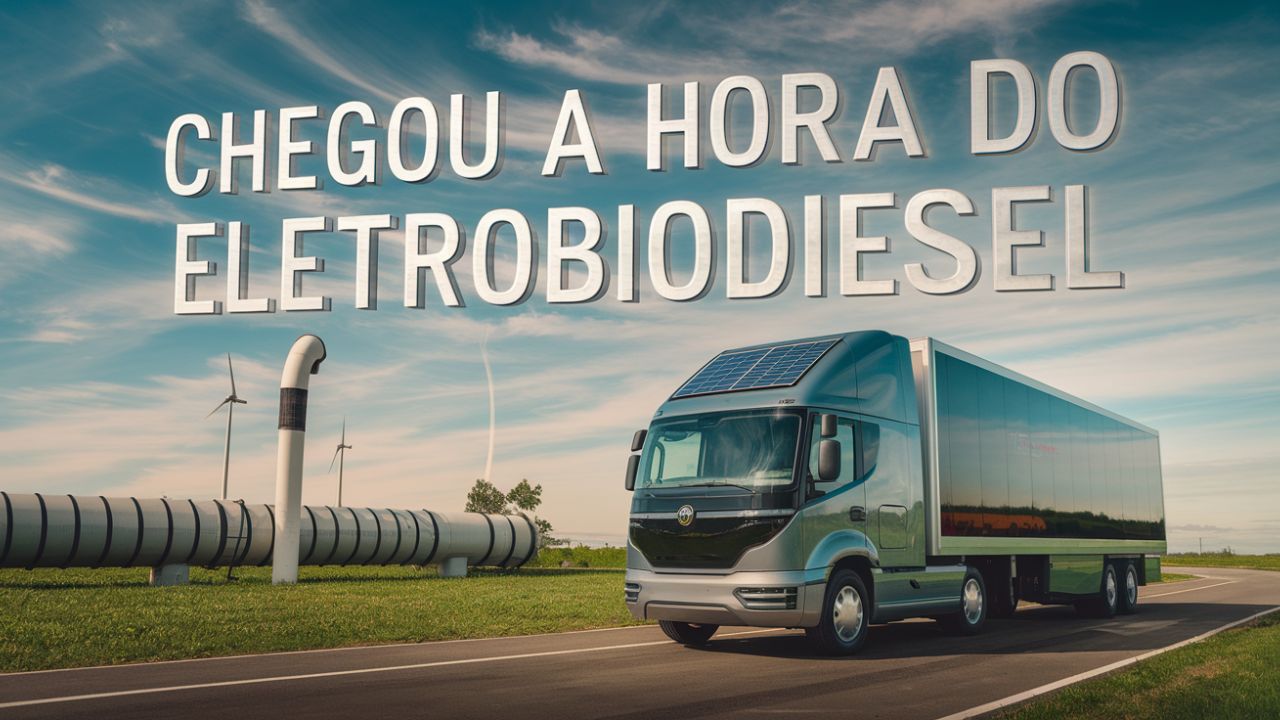
Produced with CO2 and Electricity, Eletrobiodiesel is 45 Times More Efficient Than Traditional Biodiesel, Reduces Carbon Emissions, and Promises to Transform the Fuel and Materials Industry.
Have you ever thought of a fuel that, besides being more efficient, also helps the environment? Eletrobiodiesel emerges as an innovative solution to revolutionize the fuel market. Developed by a team of American researchers, it promises not only to compete with traditional biodiesel but also to redefine what we understand as sustainable energy.
While trucks and other heavy vehicles still rely on fossil diesel, alternatives like eletrobiodiesel come to change the game, combining technology, science, and sustainability into one formula.
What is Eletrobiodiesel?

Eletrobiodiesel is a biofuel produced through a process that uses electricity to convert carbon dioxide (CO2) into chemical compounds. This technique is known as electrocatalysis and allows for the production of a fuel that is up to 45 times more efficient than traditional biodiesel.
-
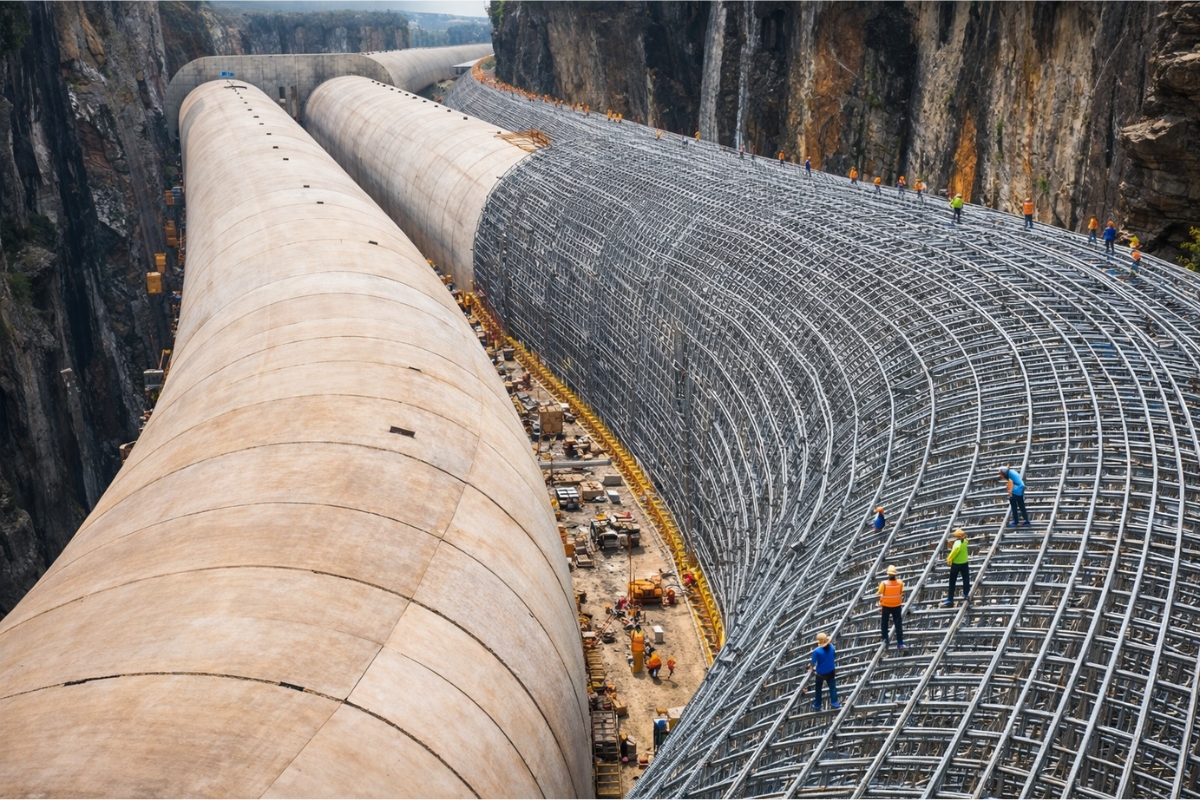
Switzerland invested over $2.3 billion and bet on water, altitude, and solid rock to create a battery in the Alps capable of powering more than 1 million homes.
-
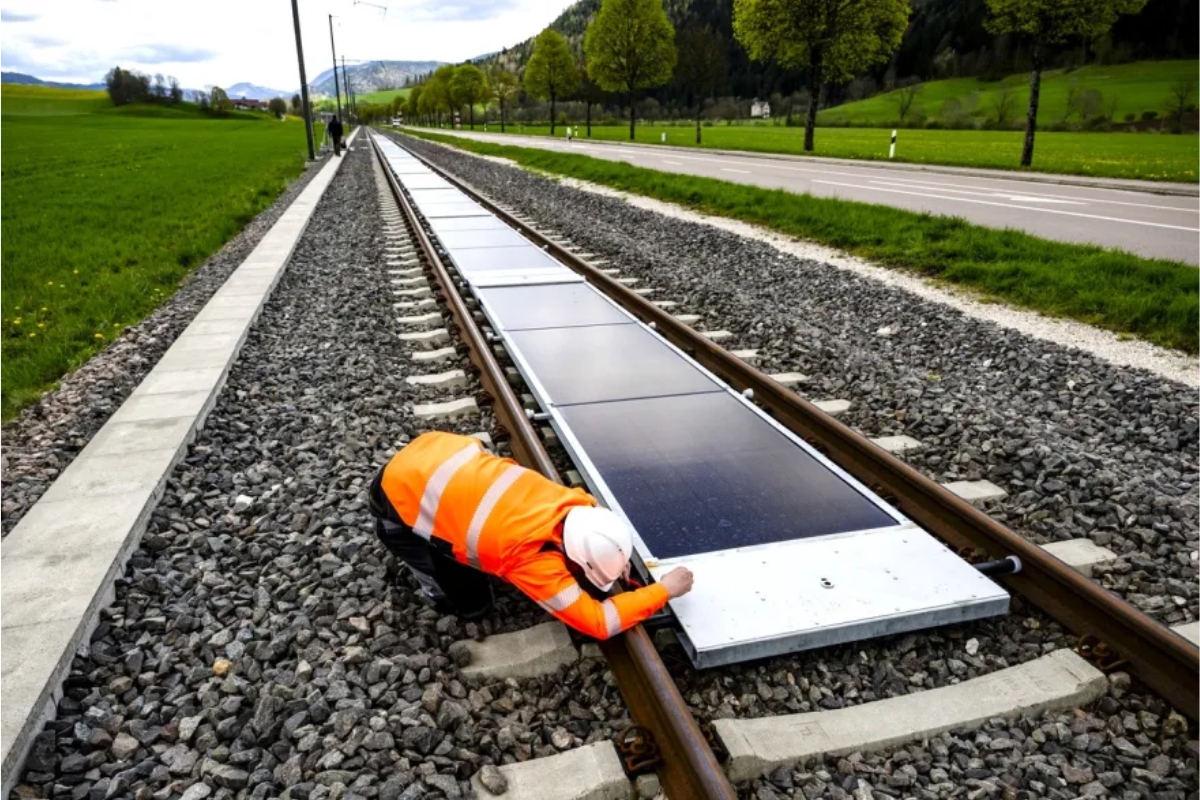
In Switzerland, tracks that previously only accommodated trains are beginning to generate electricity with removable solar panels installed on active railways, paving the way to transform the railway network into a new front for clean energy.
-
Brazil raises alarm to avoid blackout: the country may need 3 Itaipus and is already wasting up to 5,135 MW of energy on days of excess solar.

-
Renewable energy advances over protected areas in Brazil, and a survey by the Energy Transition Observatory reveals silent impacts that challenge environmental conservation and pressure sensitive traditional territories.


Conventional biodiesel is primarily produced from vegetable oils, such as soybean, while eletrobiodiesel uses CO2 as its main raw material. This difference significantly reduces the need for agricultural land, in addition to having a much lower environmental impact, making it a cleaner alternative.
How Eletrobiodiesel is Produced
The heart of the process lies in electrocatalysis, which uses catalysts to convert CO2 into intermediate compounds such as acetate and ethanol. These compounds are then converted into lipids, which serve as the base for the biofuel.
A bacterium called Rhodococcus jostii is genetically modified to optimize the conversion of these intermediates into lipids. This biotechnological detail enhances the efficiency of the process and reduces dependence on natural resources.
Superior Energy Efficiency
One of the greatest advantages of eletrobiodiesel is its efficiency. It can convert 4.5% of solar energy into lipids, which is much higher than natural photosynthesis, which does not reach 1%. This means more fuel produced with less energy.
The process not only uses CO2 but also reduces its presence in the atmosphere. As a result, eletrobiodiesel achieves negative carbon emissions, helping to combat climate change.
Each gram of eletrobiodiesel produced reduces about 1.57 grams of CO2 in the atmosphere. Compared to traditional biodiesel, which can emit up to 9.9 grams of CO2 per gram of lipids, the difference is striking.
Potential for Circular Economy
In addition to being a biofuel, the production process of eletrobiodiesel can be adapted to create other chemical products and materials. This opens doors to a more efficient and sustainable circular economy.
The technology behind eletrobiodiesel can be used to manufacture chemicals, materials, and even food ingredients. This broadens the range of applications and makes investment in its production even more attractive.
Challenges and Next Steps for Large-Scale Implementation
Despite its advantages, eletrobiodiesel still faces challenges, such as the need for infrastructure and high initial costs. However, with technological advancements and increasing demand for clean fuels, the trend is that these obstacles will be overcome.
Eletrobiodiesel is a promise of a sustainable future. With superior energy efficiency, reduced environmental impact, and diverse applications, it represents an important step towards independence from fossil fuels. And you, are you ready to embrace this energy revolution?










-

-

11 pessoas reagiram a isso.