





 Portuguese
  English
  Spanish
  3 min of reading
  0 comments


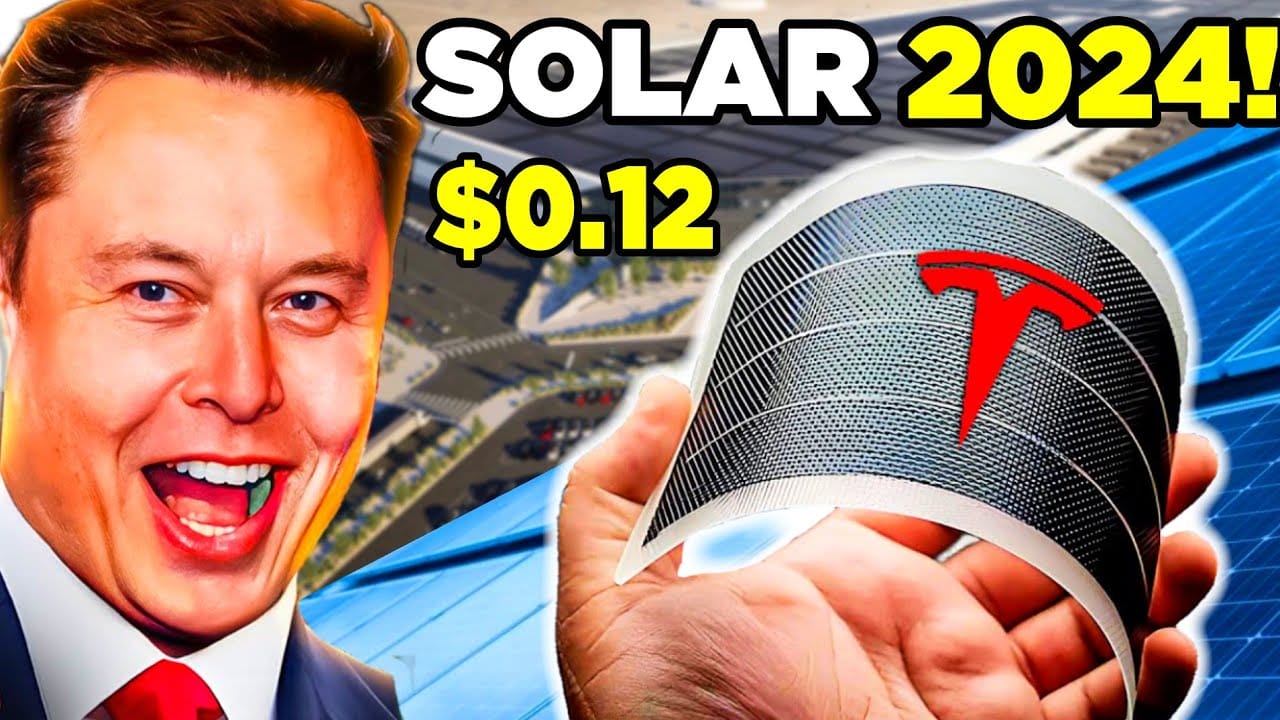
Elon Musk Reveals Innovation in Solar Energy Sector with the Development of a New Solar Panel. This Revolutionary Equipment, Which Does Not Depend on Silicon for Energy Generation, Promises to Be a More Economical Solution, Costing 10 Times Less Than Conventional Models.
Recently, billionaire Elon Musk shared an incredible piece of news for the world of clean energy. It is a new solar panel that is a true powerhouse never seen before. This solar energy technology is not only affordable but also generates an almost infinite amount of energy costing up to 10 times less than existing models on the market.
New Solar Panel by Elon Musk is 10 Times Cheaper Than Traditional Ones
The conventional silicon solar panels emerged in the U.S. in the 1950s, and currently, 90% of the world’s solar panels are made of crystalline silicon, with the industry growing about 30% per year.
Now, Elon Musk has announced a lighter, easier-to-manufacture, and cheaper material, an economical solution capable of producing an efficient solar energy panel, like those solar cells thin enough to power a house.
-
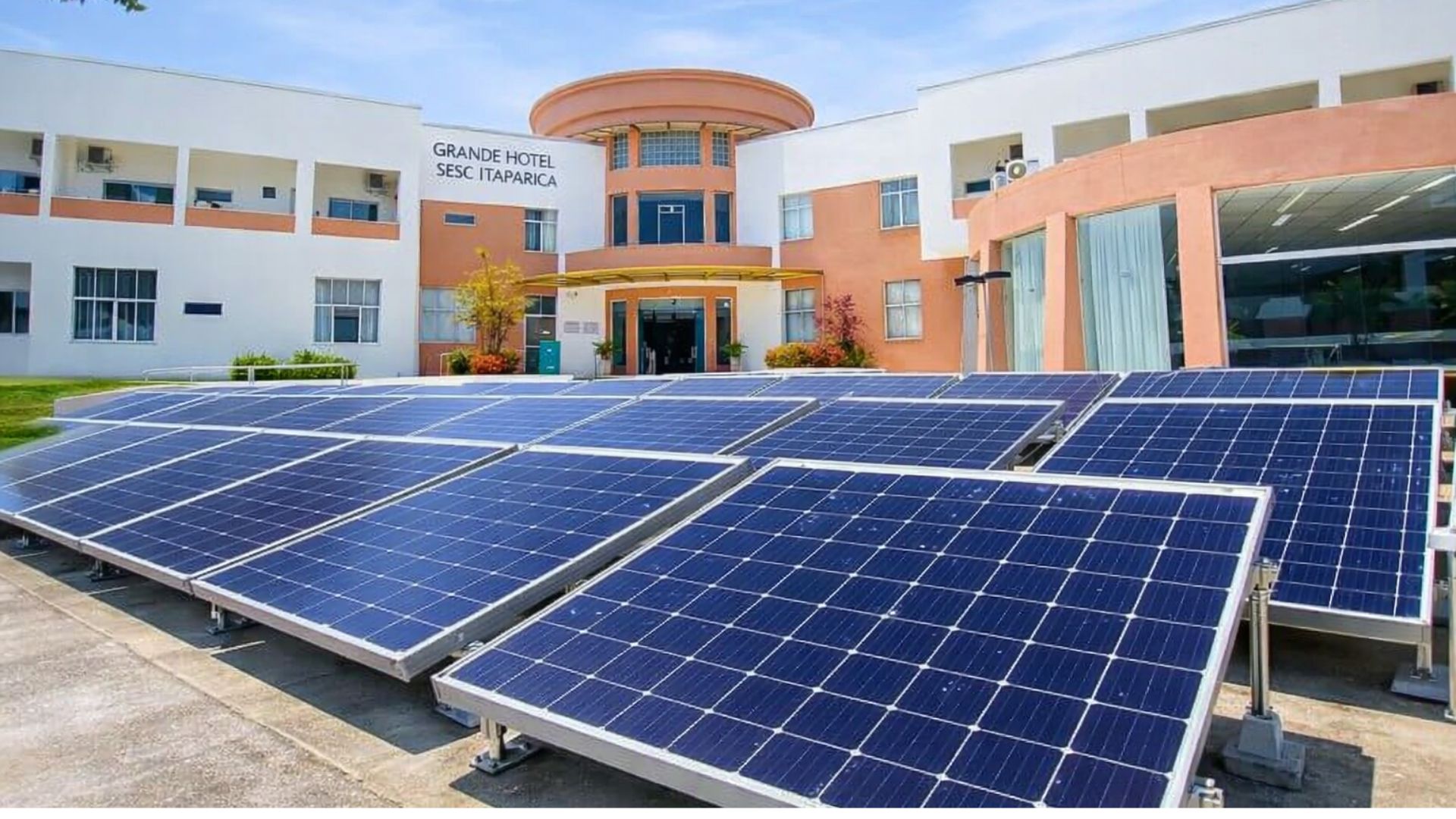
Sesc-BA bets on renewable energy with the support of EDP and drives the energy transition with a direct impact on cost reduction and the sustainability of its operations in Bahia.
-
Technology giant breaks global sustainability records: How Amazon’s leadership in renewable energy procurement transformed the global energy market in the past year.
-
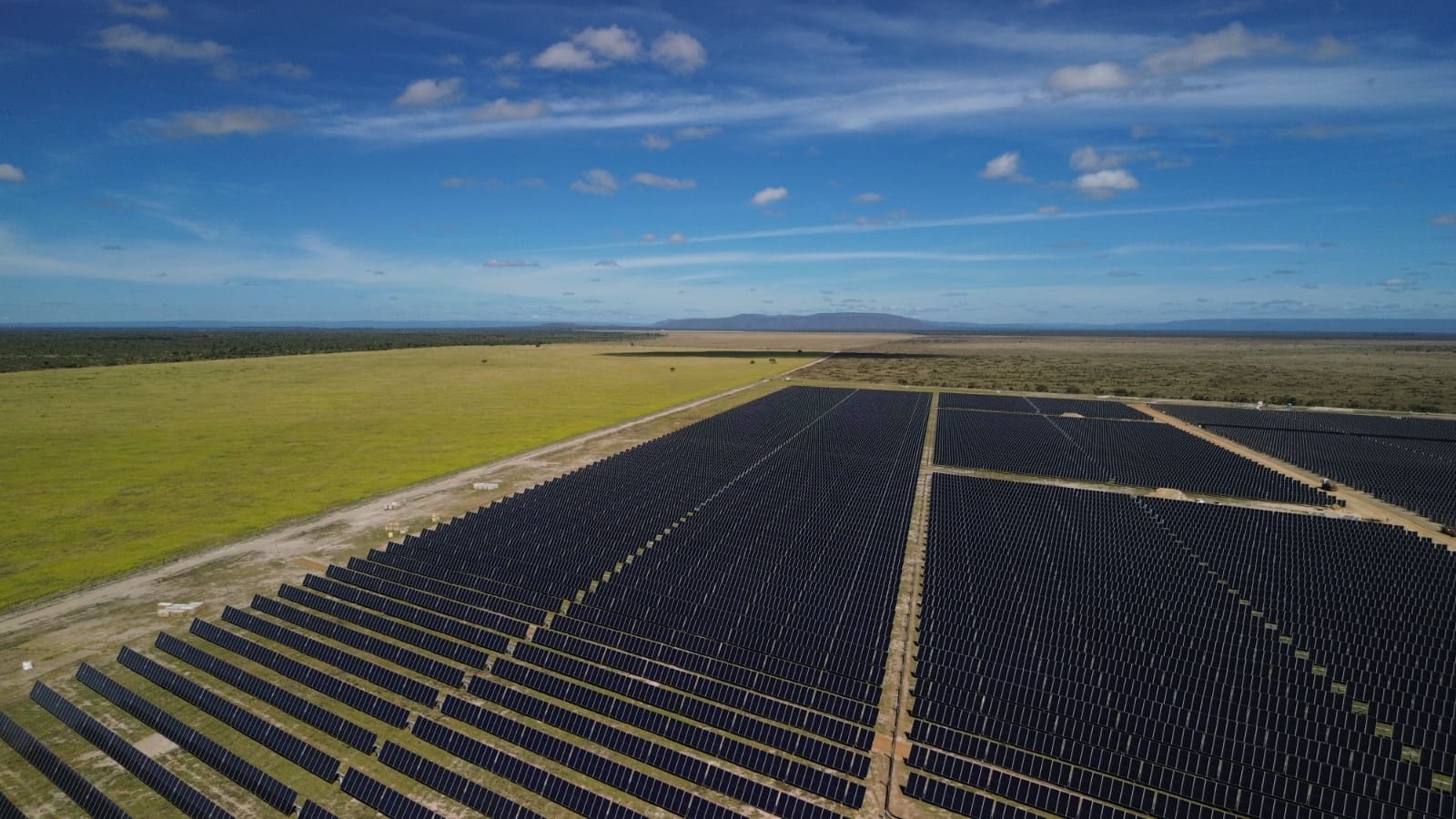
Alert in the electric sector: Atlas Renewable Energy confirms billion-dollar investment and Brazil risks losing a share of the new investment in Latin America to neighboring countries.
-
Minas Gerais reaches a historic record and surpasses the power of Itaipu, but network costs generate debate: Understand why solar energy in MG impacts the electricity bill of those without panels.

https://www.youtube.com/watch?v=gXNEn8zw8cc
The new technology is called ferroelectric crystal cell. With demand high and some complications in production, the price of key materials such as polysilicon has reached record highs, hitting US$ 40.62 per kg.
The ferroelectric crystals in the solar panel can generate an incredible amount of energy, due to a new approach involving thin layers of this new material. The big difference is that these cells do not require a PN junction to create the photovoltaic effect, eliminating the need for positively and negatively doped layers within the cell; researchers claim that this new solar energy technology will make the production of panels simpler.
By not using rare materials and not requiring investments in highly skilled labor, this material significantly reduces costs, creating the expectation that the new solar panel could cost up to 10 times less per watt than conventional solar panels.
Understand How the New Solar Energy Technology Works
The solar panels from Elon Musk’s company, which were already accessible at US$ 2.21 per watt before, now face competition from the new ferroelectric solar panel, which costs only US$ 0.20 per watt, representing a major turnaround for those seeking an economical solution.
The U.S. has already installed about 3.9 GW of solar capacity just in the first quarter of 2022, with solar energy representing 50% of the country’s generation capacity.
Elon Musk is confident that this new solar technology from Tesla could be a game-changer, capable of generating more energy. To further boost electrical capacity, scientists have developed crystalline layers of Barium Titanate, Strontium, and Calcium.
These layers, stacked on top of each other, separate negative and positive charges of the same photovoltaic device, generating a significant increase in the efficiency of the solar panel.
U.S. President Invests US$ 56 Billion in Solar Energy
Despite all these advantages, there are challenges to be overcome. The thin films common in this technology usually have their lifespan compromised at high temperatures.
Despite this, Elon Musk’s company is working on a thin film that can withstand these extreme temperatures. This research is part of a revolution in ferroelectric materials, with potential applications in computer memory, capacitors, and other computer devices.
U.S. President Biden is investing around US$ 56 billion to boost domestic production of solar panels. Solar technology is growing incredibly, and the future holds exciting discoveries in the next 10 years.
Musk claims that the new cell is a game-changer, and researchers have found that combining different materials in thin layers can significantly increase the yield of the solar panel.










Seja o primeiro a reagir!