





 Portuguese
  English
  Spanish
  2 min of reading
  0 comments


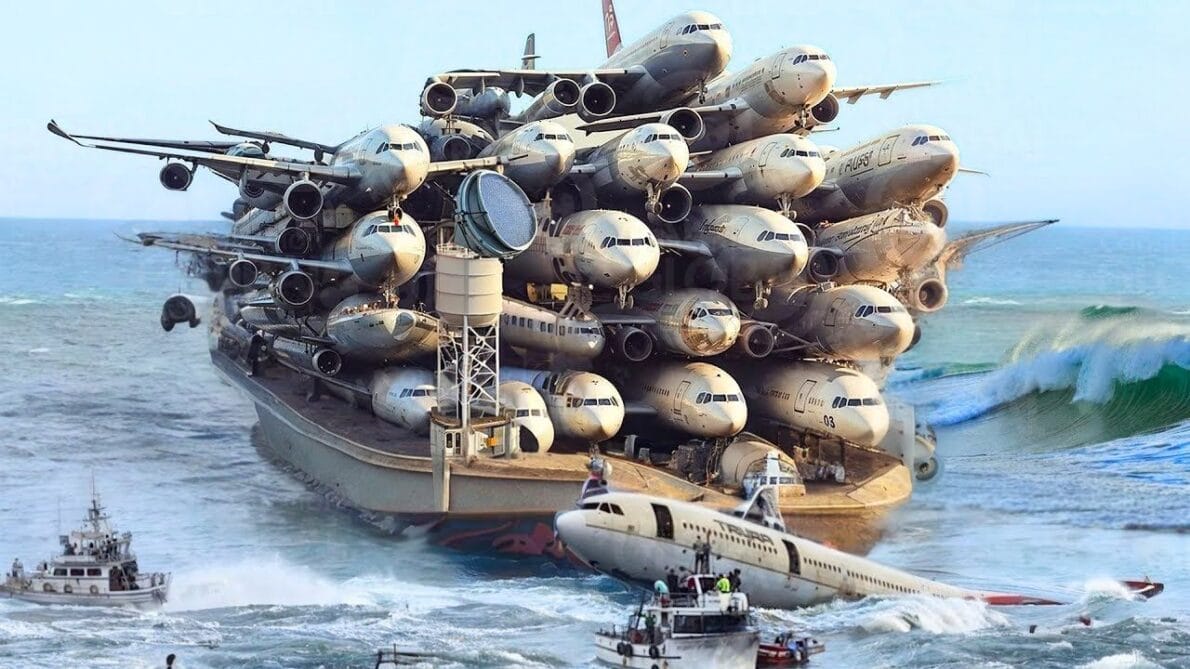
In 2015, Turkey Decided to Sink an AIRBUS A330 in the Ocean. Contrary to What Many Might Think, It Wasn’t an Accident. The Action Was Carefully Planned to Create an Artificial Reef, Promoting Marine Life and Revitalizing Local Tourism.
The project began with the disassembly of the AIRBUS plane into smaller parts, facilitating transportation and ensuring a controlled sinking. All contaminating materials, such as fuel, hydraulic oil, and batteries, were removed to protect the marine environment.
The parts of the AIRBUS A330 were transported to the coastal city of Kusadasi, where they were prepared for sinking. The location in the sea was carefully chosen, considering depth, currents, and proximity to the coast, to ensure the best conditions for the artificial reef.
The Sinking of the Plane Took About 2 and a Half Hours
The process was slow and controlled to avoid the formation of air pockets that could destabilize the descent. A floating barge and a crane were used to guide the plane to the seabed, with divers overseeing the entire procedure.
-
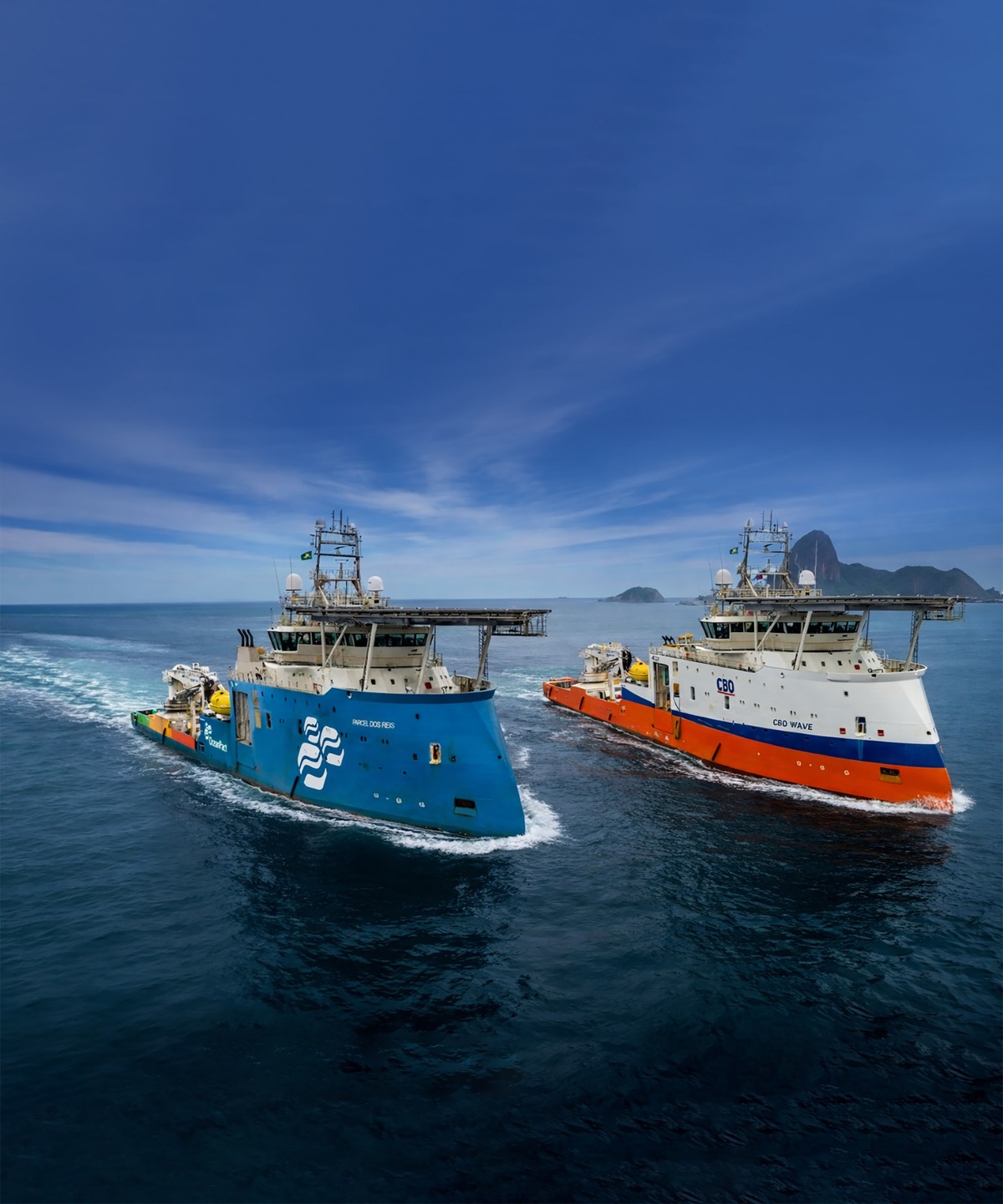
OceanPact Announces Acquisition of CBO and Creates One of Brazil’s Largest Maritime Support Structures with 73 Vessels, Annual Revenue Above R$ 4 Billion and R$ 14 Billion Backlog
-
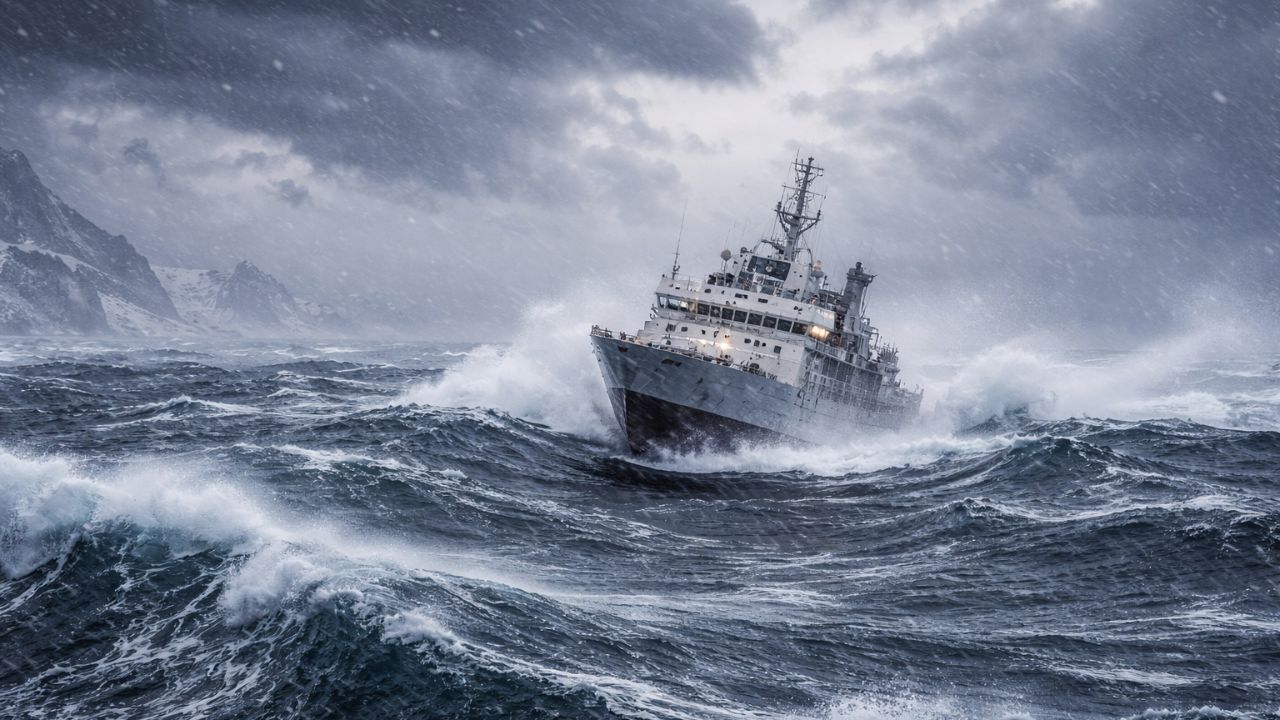
With Extreme Winds, Giant Waves, and Unrestricted Currents, Drake Passage Is Considered the Most Violent Stretch of the Oceans
-
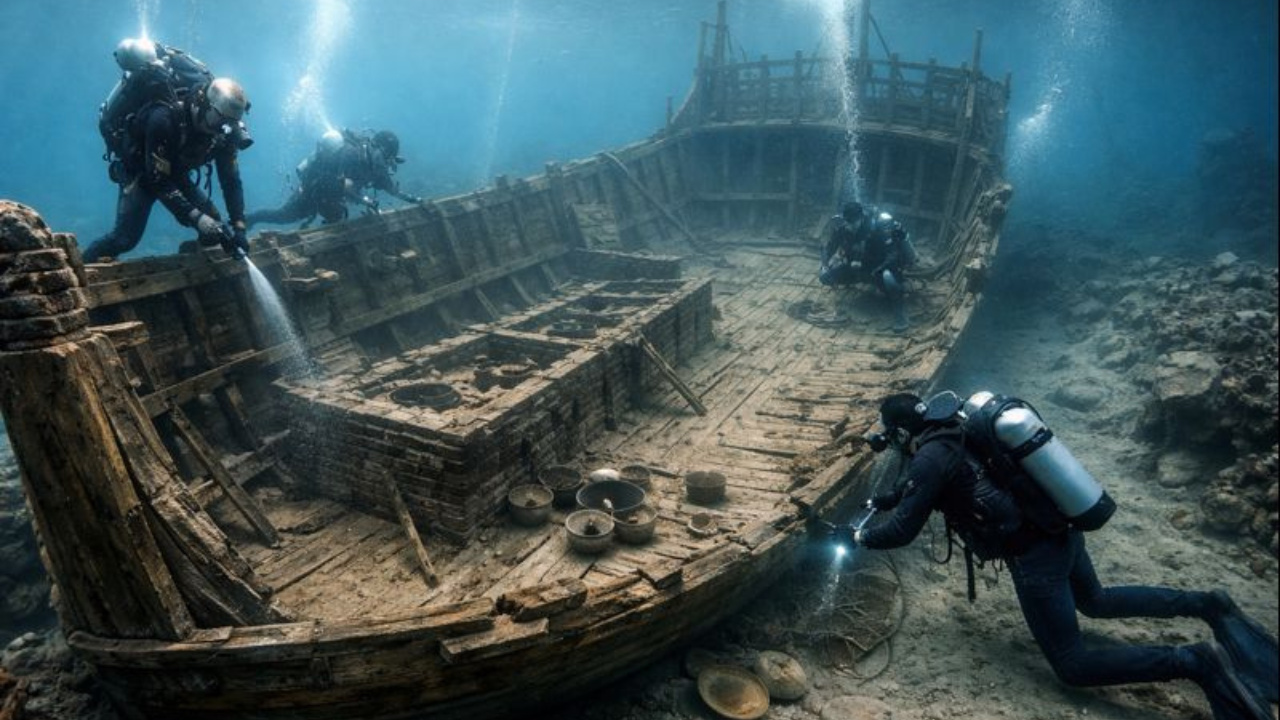
15th Century Merchant Ship Surprises Archaeologists
-
Odfjell Inaugurates First Operational Green Corridor Between Brazil and Europe Using Sustainable B24 on Maritime Routes and Reinforces Decarbonization Strategy

Before sinking the AIRBUS A330, Turkey was facing a difficult time, with a suicide attack negatively impacting tourism. Creating the artificial reef was a strategy to attract visitors and boost the local economy.
Today, the Artificial Reef of the AIRBUS A330 Is a Great Success
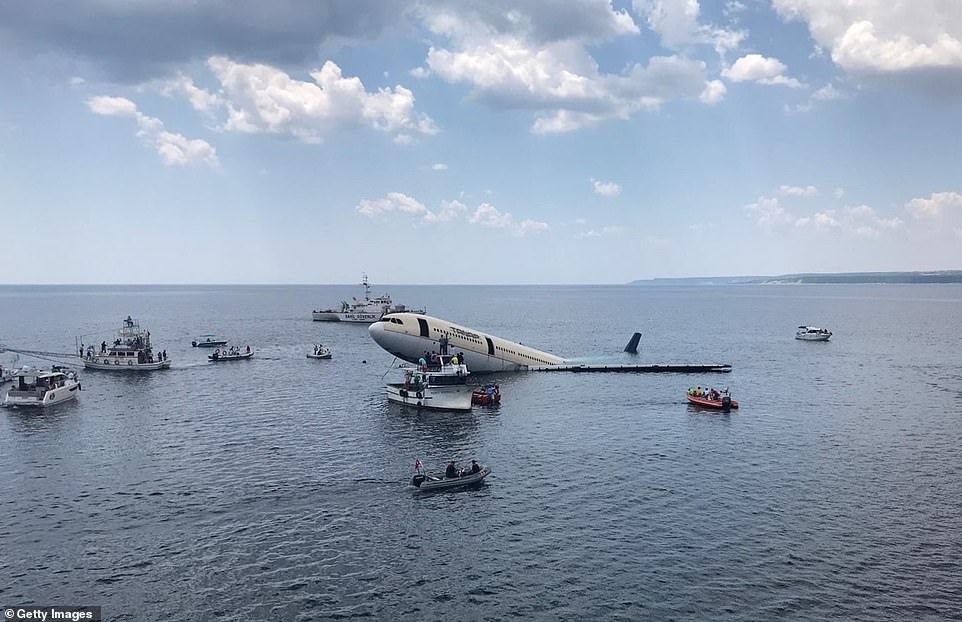
It has become a habitat for various marine species and a popular diving destination. Tourists from all over the world visit the area to explore the reef, helping to revitalize local tourism and the economy.
Turkey is not the only country to use this technique. Other places, such as the United States and Bahrain, have also sunk vehicles and planes to create artificial reefs, promoting marine biodiversity and attracting tourists.
In summary, the sinking of the AIRBUS A330 by Turkey was an innovative action that transformed a large airplane into a vibrant artificial reef, benefiting both the environment and the economy. The success of the project demonstrates how creative ideas can bring significant benefits to marine conservation and sustainable tourism.






Seja o primeiro a reagir!