





 Portuguese
  English
  Spanish
  3 min of reading
  0 comments


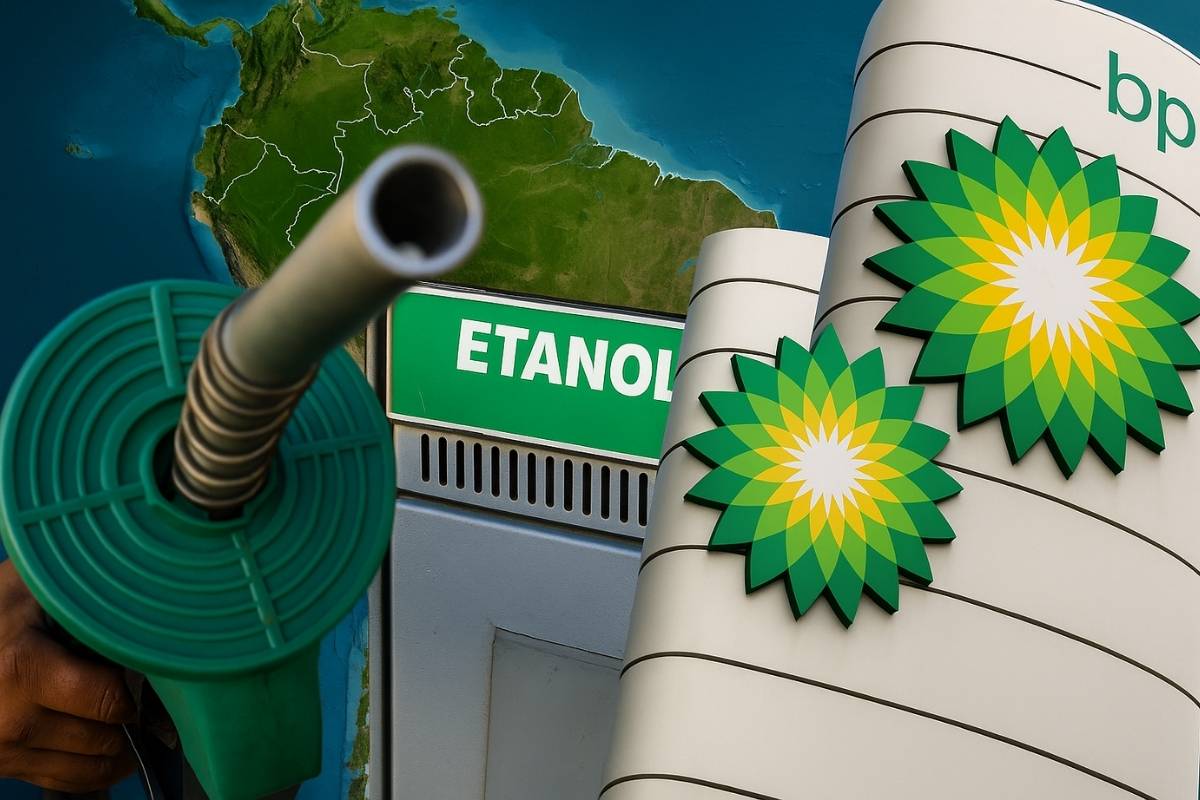
Understand the Business by Bunge That Gave the British Giant Control of One of the Largest Ethanol Producers in Brazil and How This Connects to the Future of Aviation Fuel
In a strategic transaction that redefines the renewable energy landscape in Brazil, British giant BP has taken full control of Bunge Bioenergia. The deal, announced in June 2024, involved the purchase of the 50% stake owned by its partner, agricultural powerhouse Bunge, for approximately US$ 1.4 billion. This operation consolidates BP as one of the largest producers of ethanol and sugar in the world.
The acquisition is a key step in BP’s strategy to lead the energy transition, with a special focus on the growing Sustainable Aviation Fuel (SAF) market. However, the company inherits not only 11 plants but also a history of controversies, including a recent slavery-like labor scandal that places its sustainability agenda under intense scrutiny.
How the 2019 Partnership Led to the Full Purchase
The full acquisition is the final chapter of a partnership that began on December 2, 2019. On that date, BP and Bunge combined their bioenergy assets in Brazil to create the joint venture BP Bunge Bioenergia. The company was born as the second largest operator in the sector in terms of sugarcane crushing capacity, with a robust portfolio of 11 plants spread across five states.
-
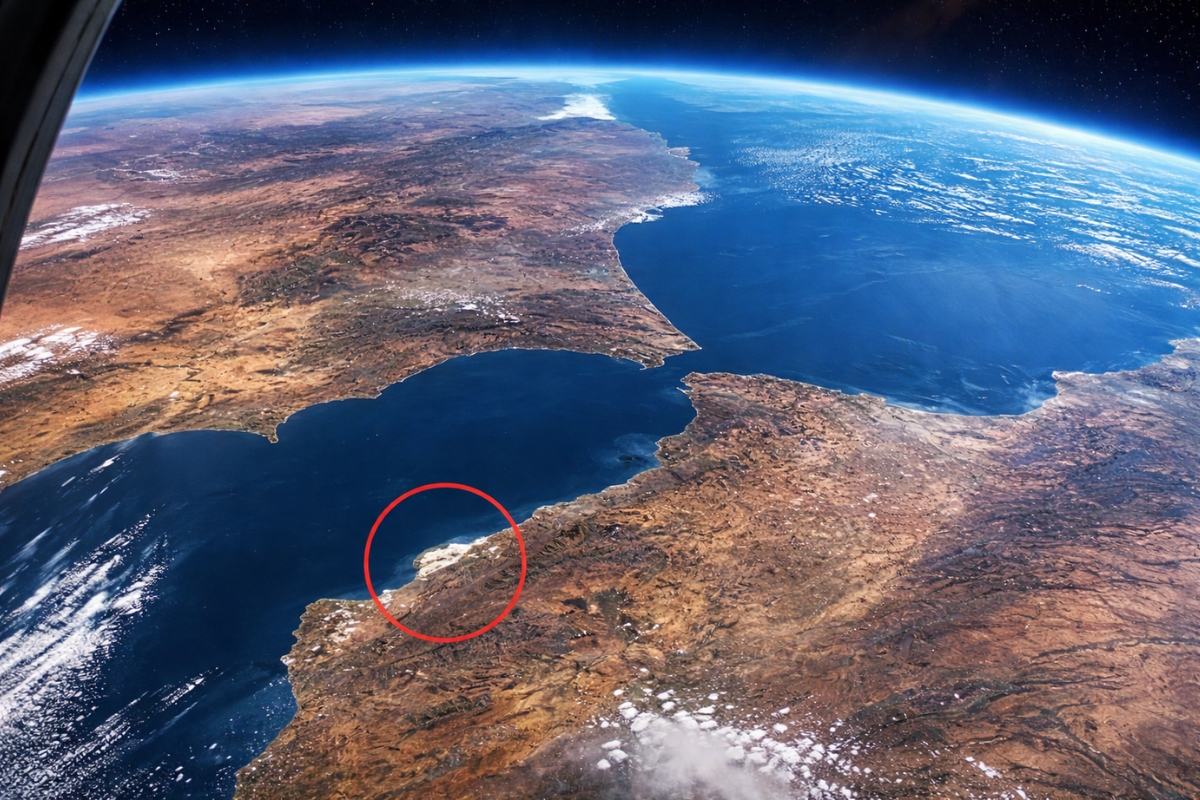
According to an analysis by NASA, only one human-made structure is visible from space, and it is not the Great Wall of China or the Pyramids of Egypt.
-
After 377 years of history, the Brazilian Army will have its first female general: Colonel Claudia Cacho has been promoted to brigadier general by Lula and will receive the sword and command baton this Wednesday in Brasília.

-
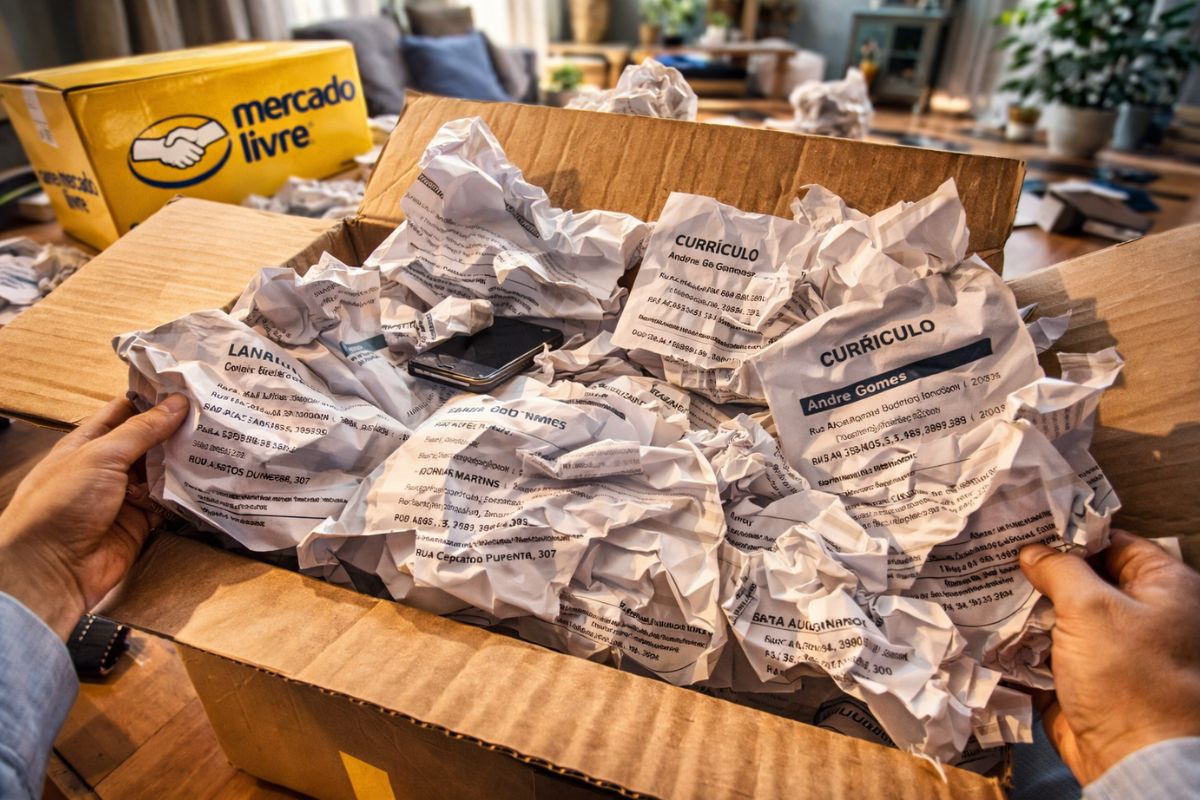
A Mercado Livre customer opened their package and found 32 resumes of people looking for jobs crumpled as protective paper inside the box, exposing names, addresses, documents, and phone numbers of dozens of candidates.
-
Iceberg A23a, one of the largest in the world, is undergoing accelerated collapse and may disappear: what explains the end of the ice giant?


From the beginning, the structure of the deal signaled the different interests. Bunge received US$ 775 million at the formation of the partnership, a move that already indicated its intention to reduce exposure to the sugar milling sector and focus on its core businesses. The JV effectively operated as a joint operational period before BP decided to fully consolidate the asset.
The Deal’s Engineering: Why Did BP Take Control?
BP’s full purchase is a strategic bet on the future of biofuels. The main goal is to have a scaled integrated platform for the development of second-generation ethanol and, crucially, Sustainable Aviation Fuel (SAF). Sugarcane ethanol is the essential raw material for producing SAF, and BP secured control of a massive volume of this input.
While consolidating control of Bunge Bioenergia, BP announced the suspension of plans for biofuels projects at refineries in the U.S. and Germany. This decision reflects a focused capital allocation, prioritizing the Brazilian asset for its scale, efficiency, and existing infrastructure. For Bunge, the sale allowed it to focus on its core oilseeds and grain processing businesses, a move aligned with its merger with Viterra.
What Did BP Buy? The Size of the Former BP Bunge Bioenergia
BP is now the owner of a true sugar-energy empire in Brazil. The asset package of the former BP Bunge Bioenergia includes:
11 plants located in the states of São Paulo, Minas Gerais, Goiás, Mato Grosso do Sul, and Tocantins.
Sugarcane crushing capacity of 32 million tons per year.
Production capacity of ethanol equivalent to 50,000 barrels per day.
Production capacity of 1.1 million tons of sugar per year.
Export capacity of 1,200 GWh of bioelectricity to the national grid, generated from burning sugarcane bagasse.
The Risk Behind the “Green” Business, the Controversies, and the Future
The acquisition places BP at the center of a significant sustainability and reputation challenge. In March 2023, a labor ministry inspection rescued 212 workers in conditions analogous to slavery on sugarcane plantations supplying the then BP Bunge Bioenergia. This was the largest rescue of its kind in Brazil that year.
What makes the situation even more complex is the “Certification Paradox.” Just seven months after the scandal, in October 2023, the company obtained the rigorous ISCC CORSIA Plus sustainability certification, a prerequisite for its ethanol to be used in SAF production. The apparent contradiction raises serious questions about the effectiveness of certification audits. BP’s ability to manage this ESG risk and prove the integrity of its supply chain will be crucial for the success of its billion-dollar bet on Brazilian biofuels.








-

Uma pessoa reagiu a isso.