





 Portuguese
  English
  Spanish
  2 min of reading
  0 comments


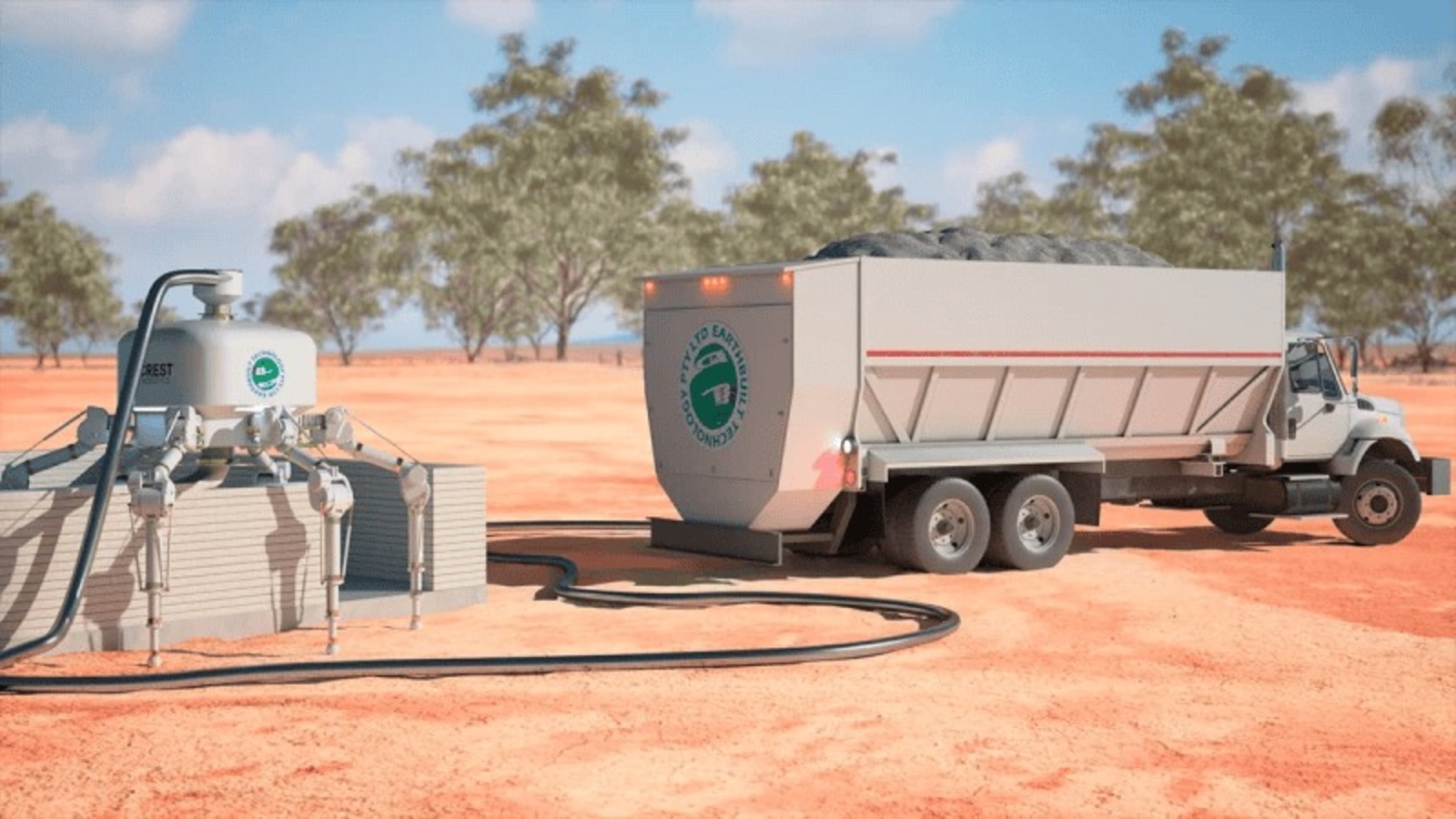
Australian Startup Launches the Charlotte Robot, Capable of Printing a 200 m² House in Just One Day. The Technology Uses Sustainable Material of Sand, Recycled Glass, and Crushed Bricks, Promising to Reduce Costs and Environmental Impact in Construction
The Australian startup Crest Robotics, in partnership with Earthbuilt Technology, unveiled the Charlotte robot, capable of printing a 200 m² house in just 24 hours. The equipment achieves productivity equivalent to the work of about 100 masons, representing a significant leap in automated construction.
The system uses a sustainable material created by Earthbuilt, composed of sand, recycled glass, and crushed bricks.
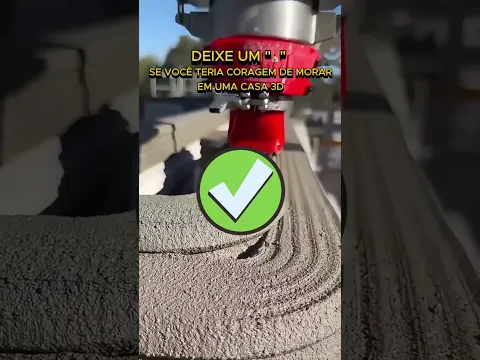
This composite is applied layer by layer through extrusion, allowing the entire structure to be erected in a continuous flow, without the need for forms or manual frameworks.
-
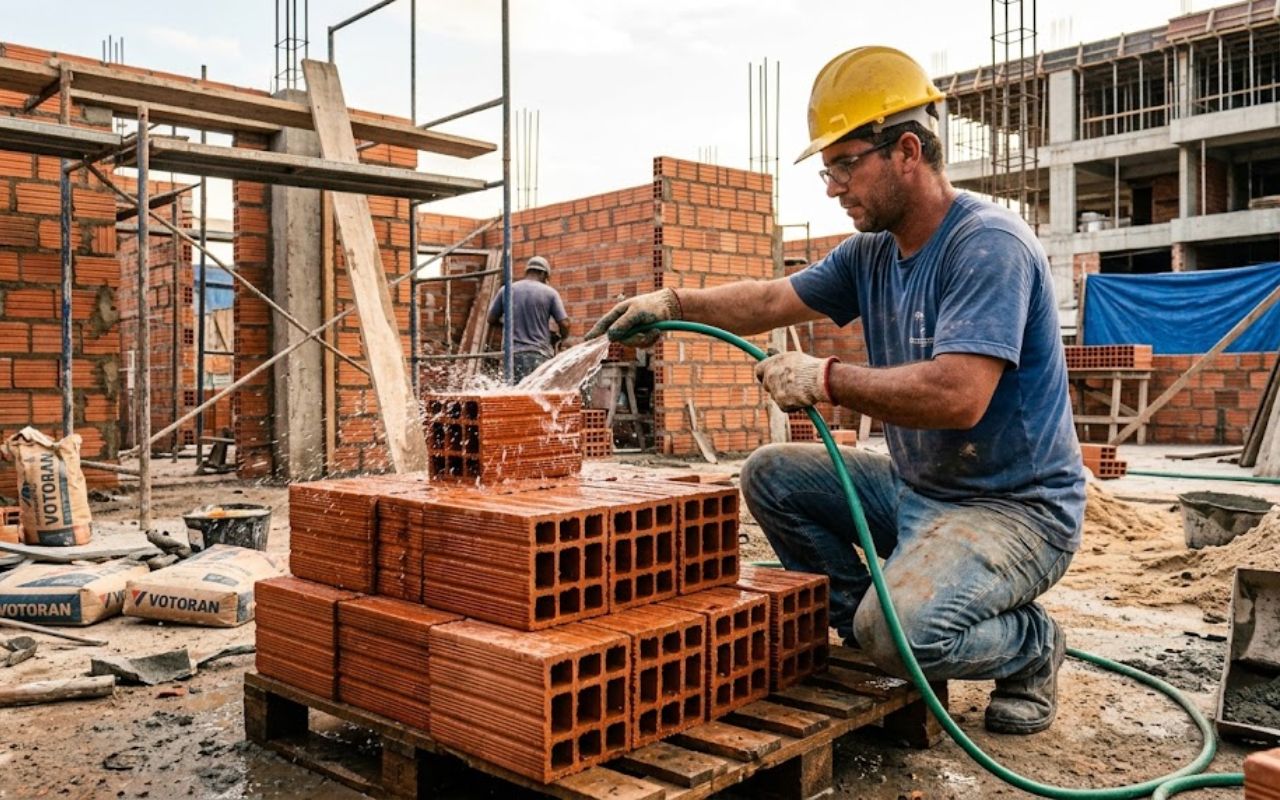
A simple technique of wetting the brick before laying it prevents cracks, improves the adhesion of the mortar, reduces fissures, and ensures stronger walls and more durable constructions.
-
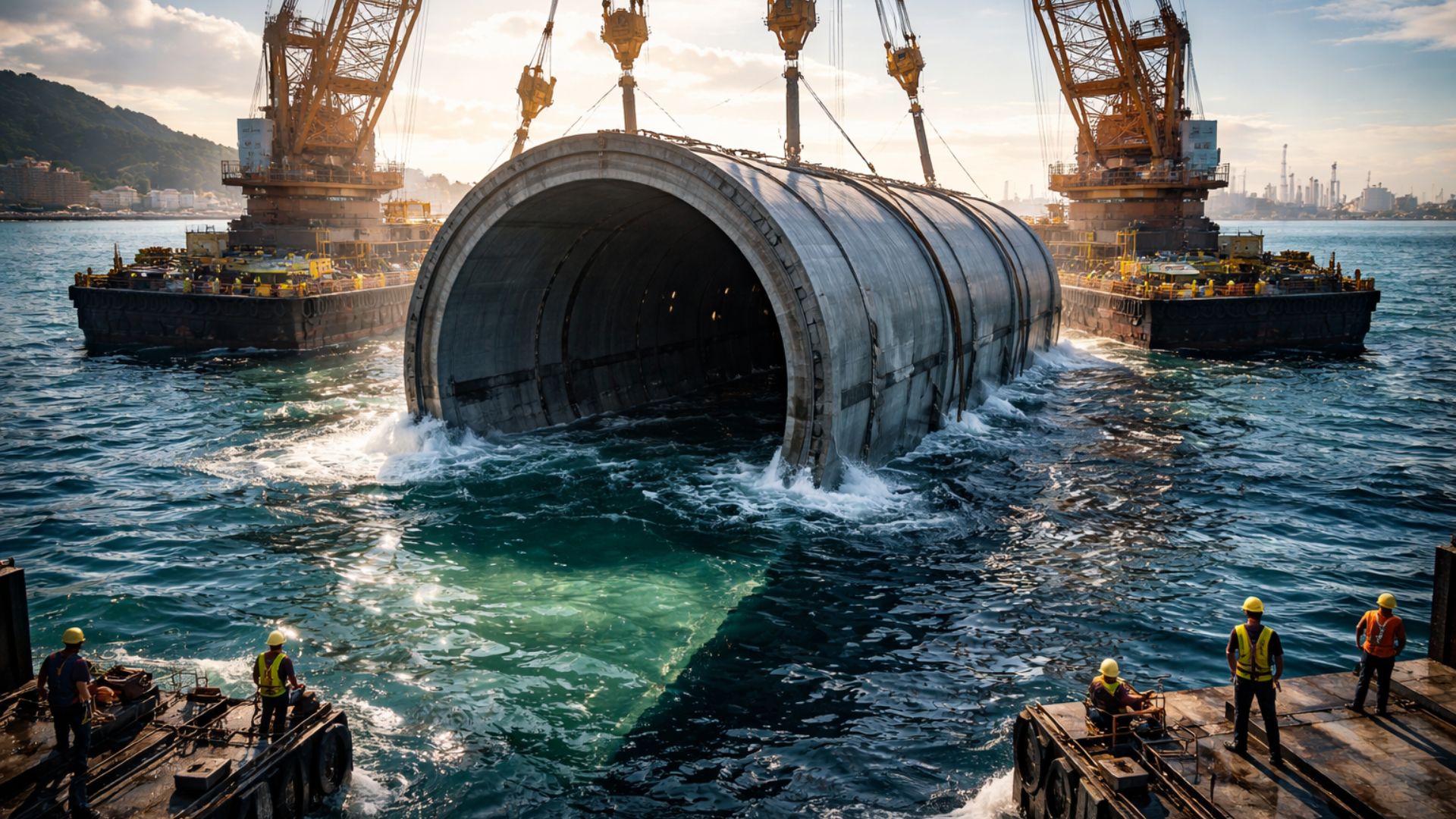
The government opens the vault and deposits R$ 2.6 billion for the construction of Brazil’s first underwater tunnel, with a length of 1.5 km, 870 m under the sea, a total project cost of R$ 6.8 billion, and a 30-year concession.
-
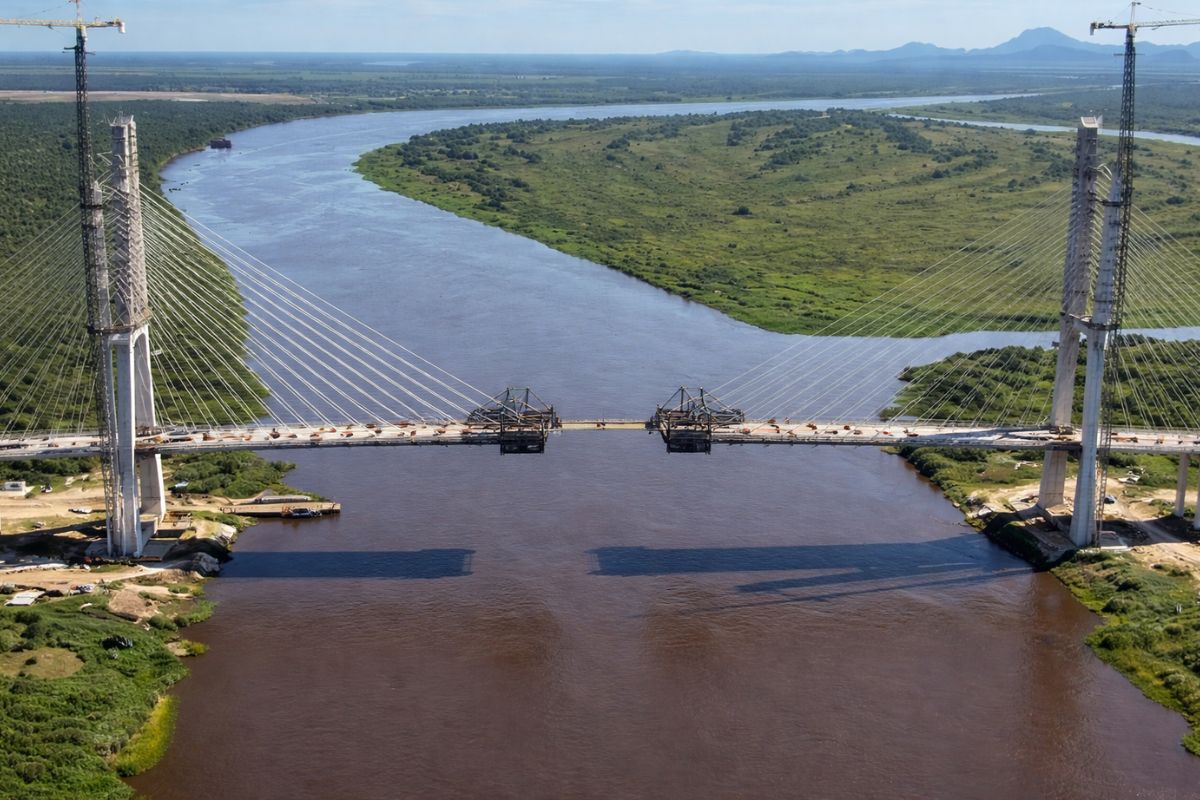
Only 46 meters remain for Brazil and Paraguay to connect via the Bioceanic Route bridge, the project that will link the Atlantic to the Pacific by land and change the logistical map of four countries in South America.
-
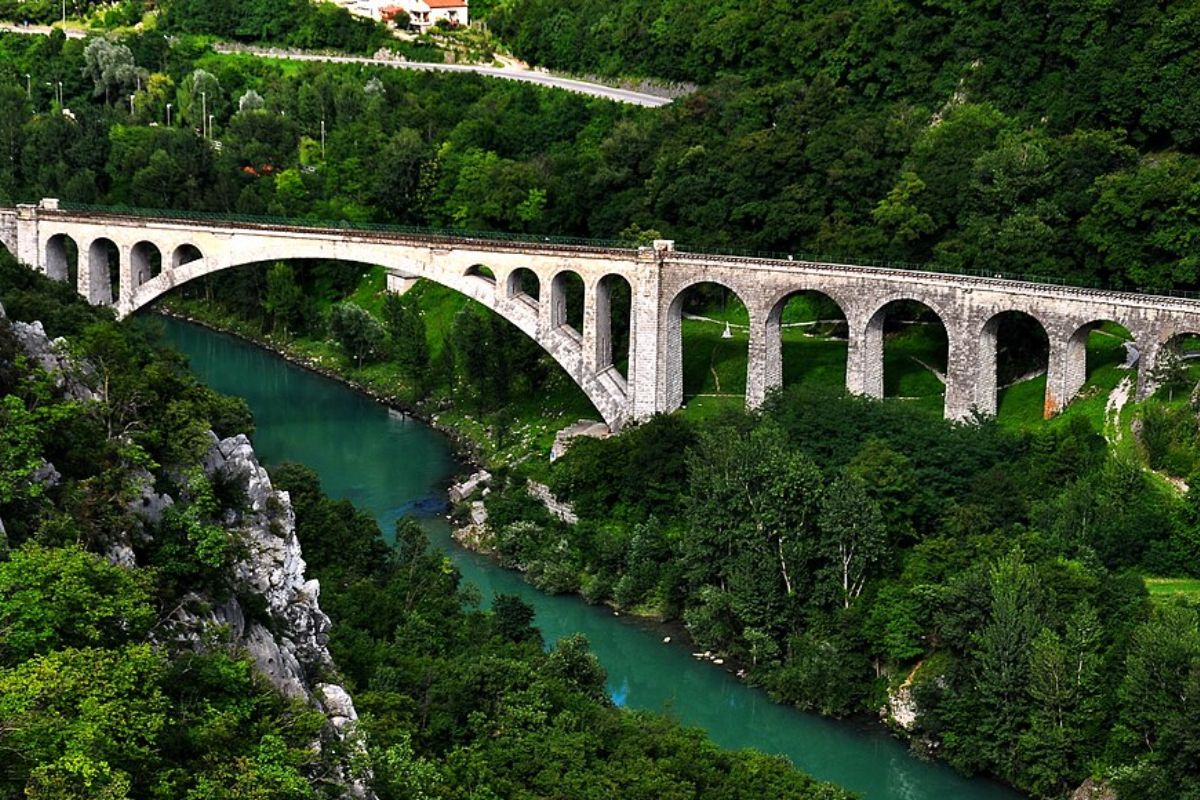
The bridge that holds the largest stone railway arch in the world: built over 100 years ago, destroyed in the war, and rebuilt to continue operating to this day, it still carries trains over the Soča River in Slovenia.


Sustainability and Application
Charlotte is still in the experimental phase but has already had a reduced model presented to the public.
The companies believe that the technology could, in a few years, help reduce the housing shortage in various countries and even be used in constructions outside of Earth, such as in future lunar bases.
The robot has a compact shape and a design inspired by biological structures, making it suitable for operating in challenging terrains or environments.
Advantages and Limitations
Printed houses have important benefits because they are erected quickly, cost less, and have superior resistance to floods and fires.
Additionally, if the material is produced locally, the process reduces the carbon footprint.
On the other hand, the system still faces technical and climatic challenges, being suitable only for simple projects.
Nevertheless, Charlotte emerges as a promising alternative in light of the labor shortage and frequent delays in global construction.
With information from Olhar Digital.







-

Uma pessoa reagiu a isso.