





 Portuguese
  English
  Spanish
 4 min of reading
  1 comment





Cotribá Confirms Cost Cuts, Asset Sales, and Creation of a Restructuring Committee. New CEO, Luis Felipe Maldaner, Takes Over with the Mission of Regaining Credibility and Cash.
Cotribá, a cooperative founded in 1911 in Ibirubá, in northern Rio Grande do Sul, is experiencing one of the most delicate moments in its century-long history. Amid payment delays to associates and suppliers and the need to strengthen its cash flow, the organization has started selling assets and announced a shift in management.
On September 12, the hiring of Luis Felipe Maldaner as CEO was confirmed. Maldaner, who has held positions at Banco do Brasil and Badesul, will take command on Wednesday, September 17. According to the Jornal do Comércio, the short-term debt is estimated at R$ 100 million, which explains the urgency of remedial measures.
The crisis snapshot appeared in a series of communications and concrete actions. On July 29, the cooperative established a Restructuring Committee to oversee governance and financial actions. Days later, on July 31, it confirmed the sale of a storage unit in Pantano Grande to Cotriel, a transaction presented as a way to generate cash and reorganize liabilities.
-
He sold his share for R$ 4 thousand, saw the company become a giant worth R$ 19 trillion, and missed the opportunity of a lifetime.

-
Elon Musk’s Starship megafrocket puts $8 billion at risk, raises alarms in the market, and could affect technology, mining, and space internet startups in the coming years.

-
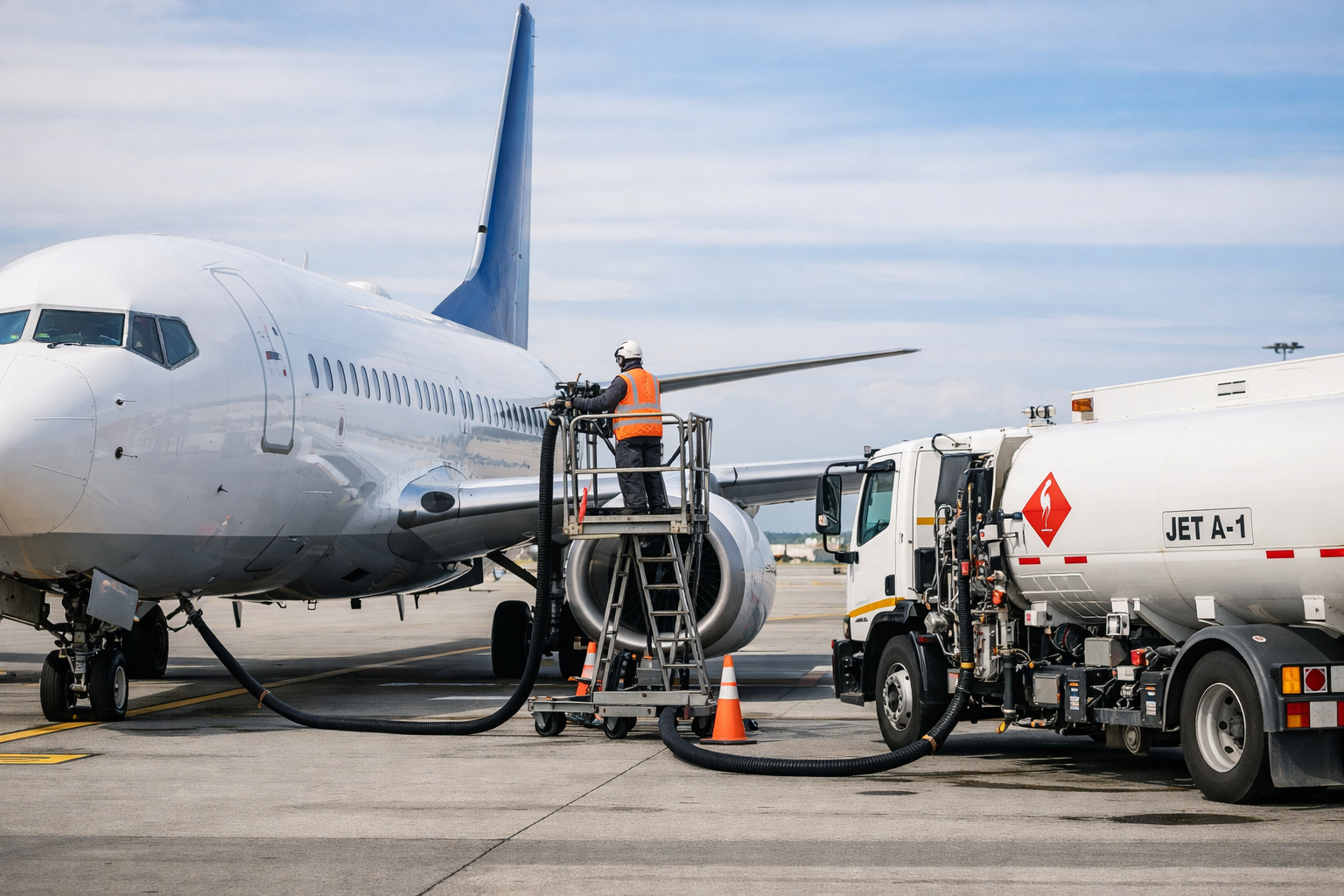
Airfare prices may rise with increasing fuel costs, and the government is considering urgent measures to avoid a direct impact on the wallets of Brazilians.
-
Chocolate prices soar nearly 15% and become a luxury item for Easter 2026, with increases surpassing inflation and changes in Brazilian consumption habits.


In August, two gas stations in Ibirubá were transferred to the Rede Santa Terezinha operation, an action that reinforced the divestment strategy.
Restructuring Underway: Committee, Cuts, and Sales to Alleviate Financial Pressure
The Restructuring Committee was created to “reinforce institutional solidity” and guide administrative decisions, directly responding to the worsening liquidity situation. The measure was made public on July 29 and marks the formal start of the rebalancing plan. The official communication emphasizes the preservation of cooperative principles but acknowledges the adverse scenario in the southern agricultural sector.
On the asset front, the sale of the Pantano Grande unit to Cotriel was reported on July 31. The structure has a capacity for 610 thousand sacks of grains, highlighting the size of the divested asset and the need for liquidity in the short term. Cotriel itself noted the operational integration of the unit and the efficiency gains from the acquisition.
By August, the restructuring advanced into the fuel retail market: two Cotribá gas stations in Ibirubá were transferred to Rede Santa Terezinha. The redesign of the business portfolio aims for operational focus and resource influx to meet commitments. Local content and regional publications recorded the change of operations and the arrival of the network in the city, reinforcing the emergency nature of the measures.
Change of Command: Who Is the CEO and What Is the Immediate Plan
Announced on September 12, Luis Felipe Maldaner debuts as the first CEO of Cotribá with a mandate to lead the financial and administrative restructuring, centralizing communication on the subject and signaling professionalization of governance.
In an interview with the Jornal do Comércio, Maldaner confirmed that he would only comment on numbers after an internal analysis, acknowledging the “delicate situation” that needs to be faced. The executive’s background includes experience in credit and public management, a valuable asset for negotiating with creditors and organizing cash flow.
The CEO’s arrival comes as associates report delays in grain settlements since May, with payments being made in installments as assets are sold. The Jornal do Comércio spoke with producers who mention “significant” debt with the social base, but without fear of default, rather concern about the pace of repayments. The newspaper also highlights indicators from the 2024 audited balance sheet, including a drop in net equity and auditor reservations regarding the classification of short-term debts.
Negotiation with Creditors and Transparency to Associates
On the financial side, the priority is to align the payment calendar with cash flow from asset sales and credit operations, in addition to reviewing processes and expenses. The cooperative’s own communication and sector reports indicate ongoing negotiations and a window of up to 90 days for new contributions, in the context of the committee. Success depends on governance, transparency, and dialogue with the base to preserve cooperation and economic activity in the municipalities served.
In this context, communicating deadlines and prioritization criteria will be crucial to regain trust. Assets with higher liquidity and lower strategic impact should remain on the radar for sale, while units essential to the operation are likely to be preserved. The Cotribá Supermarket in Ibirubá, a local symbol, does not appear among the first assets to be sold according to regional coverage, indicating caution with public perception and the maintenance of services to the community.
In your opinion, should Cotribá prioritize who gets paid first: producer associates, local suppliers, or banks? Do you know anyone affected by the restructuring or disagree with asset sales as a “quick fix”? Tell us in the comments.






Qual a causa da crise da Cotriba?