





 Portuguese
  English
  Spanish
  7 min of reading
  0 comments


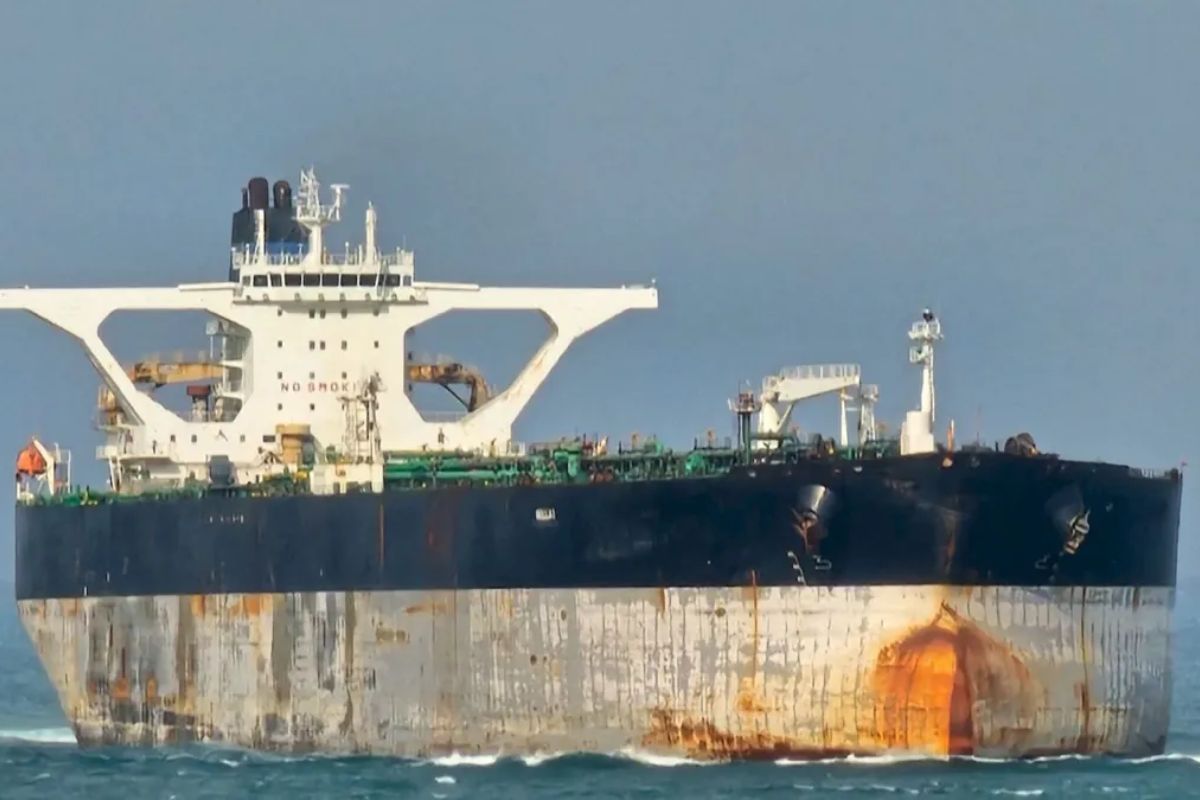
While The U.S. Navy Seizes Tanker Linked To Caracas, Moscow Protects The Russian Tanker, Cites International Maritime Law, And Turns The Route Between Venezuela And The United States Into An Open Crisis.
In A Few Days, the Seizure Of The Tanker Moved From Defense News To The Center Of International Diplomacy, With Russia Accusing The United States Of Violating Maritime Law And Describing The Action As Brazen Piracy. In The Middle Of This Chessboard Are The Oil Routes Crossing The Caribbean, The North Atlantic, And The Political Calculations Of Three Governments That Do Not Want To Appear Weak Before Their Own Domestic Audiences.
How The Operation Around Venezuela Started
The Case That Ended With The U.S. Navy Announcing The Seizure Of A Tanker Under Russian Custody Started Much Further South, In The Caribbean Region Near Venezuela. According To Reports Broadcast On The Radio, the United States Monitored The Passage Of Tankers In The Area And Planned An Approach At Sea, In An Area Traditionally Patrolled By Washington.
-
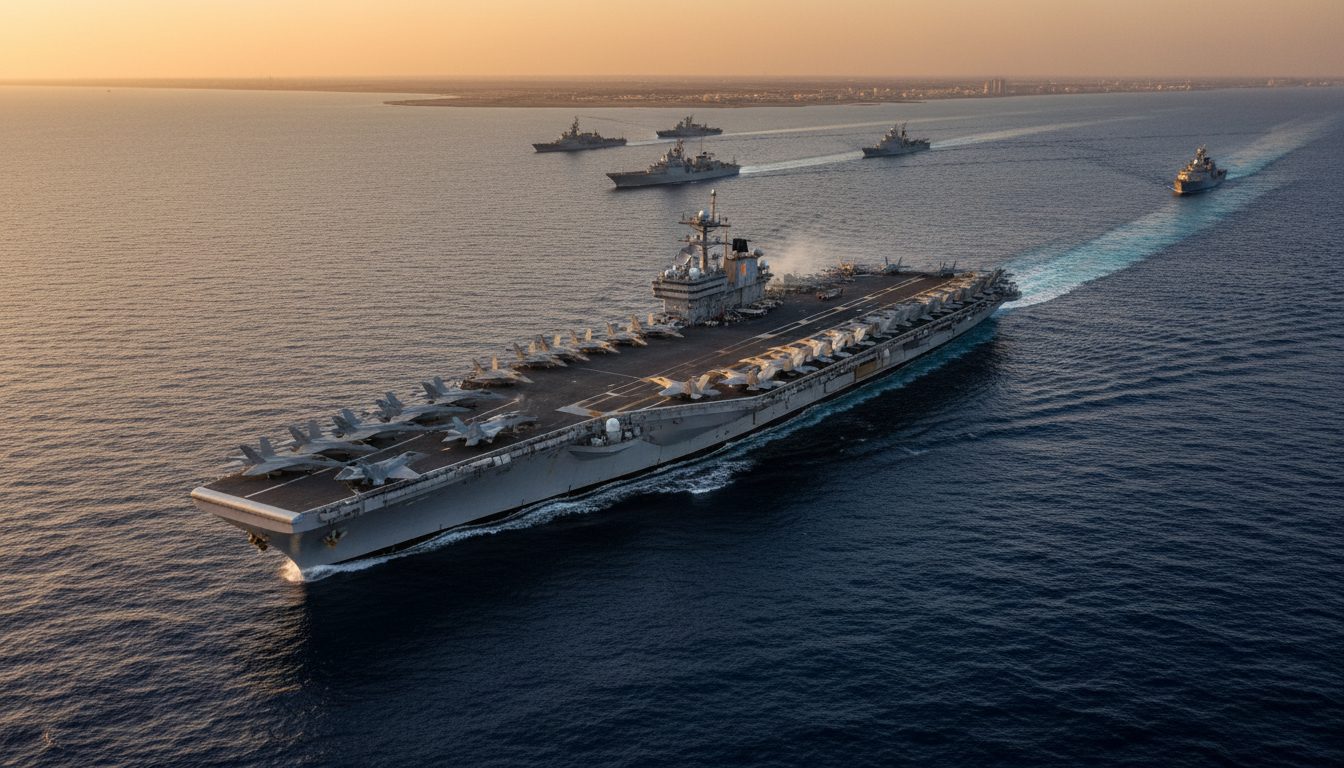
After a devastating fire that left 3 injured and 200 intoxicated by smoke in the Red Sea, the most expensive warship ever built — $13.3 billion — returns to the front in Iran after quick repairs in Croatia.
-
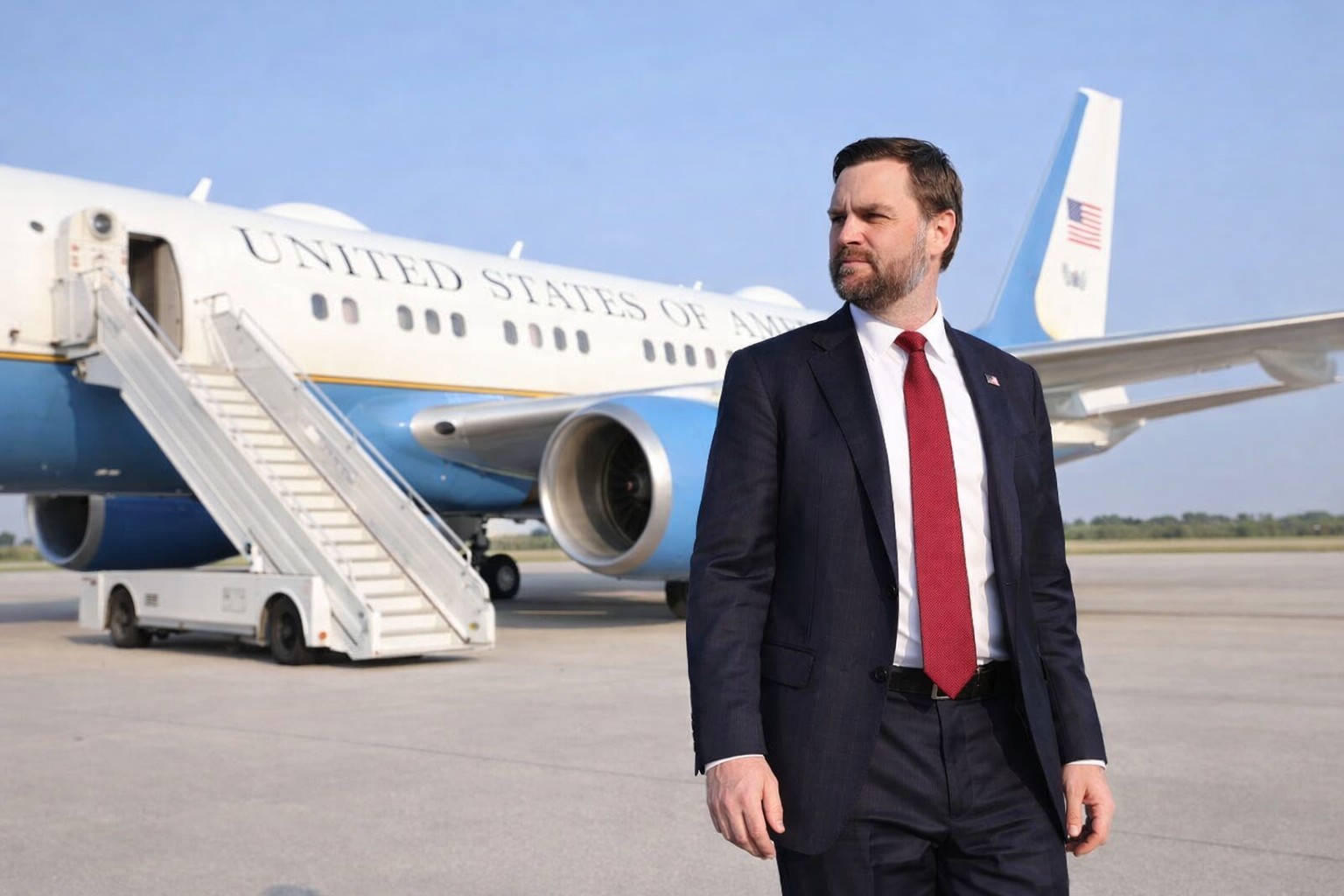
It fell apart! The US and Iran fail to reach an agreement and global tension explodes — Vance’s exit from Pakistan raises alarms about Hormuz and the nuclear program.
-
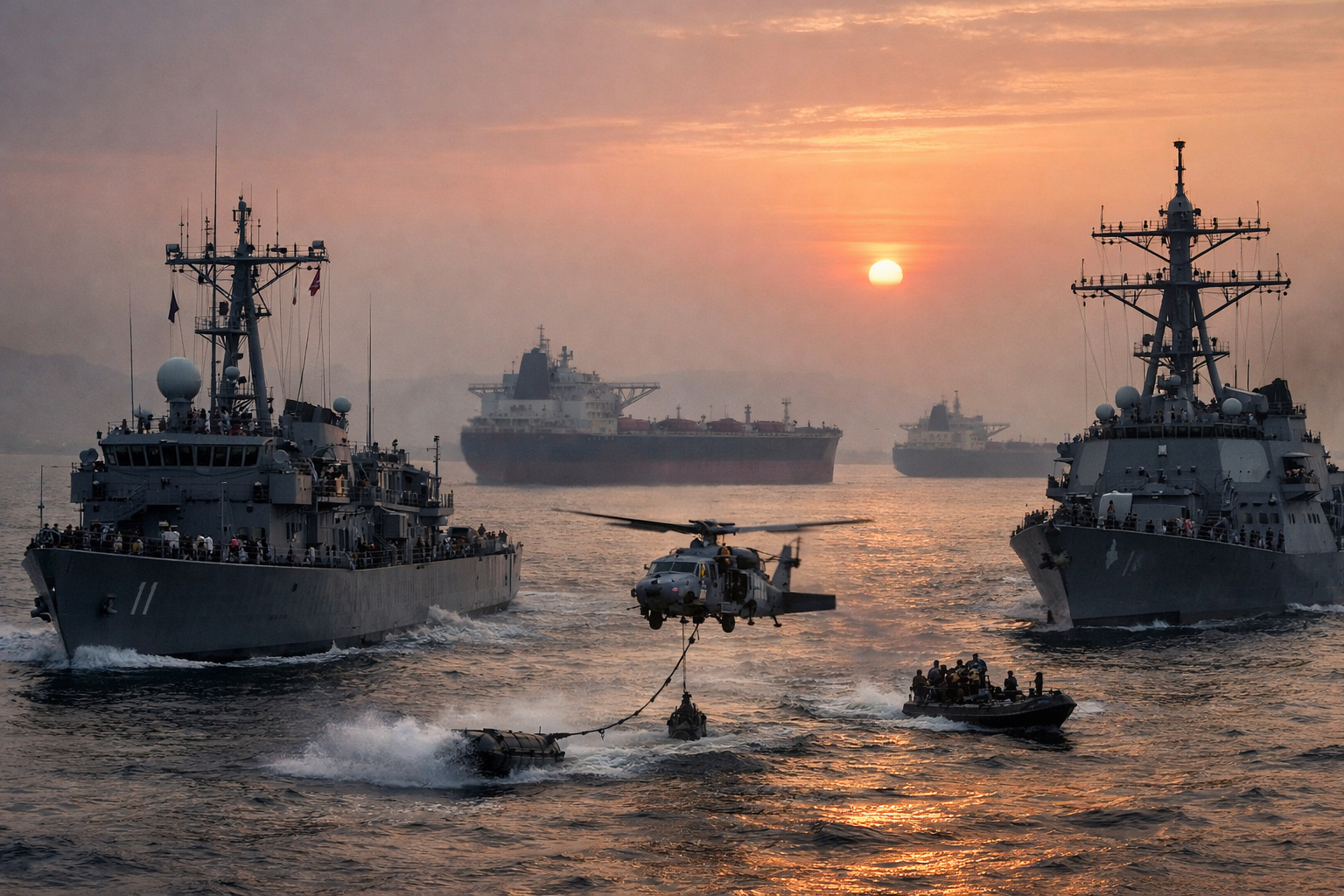
U.S. Armed Forces send warships to the Strait of Hormuz for mine removal from the channel as supertankers resume transit and global tensions pressure oil.
-
While $5.5 billion aircraft carriers dominate the seas with advanced technology, an $80 million submarine can simulate a devastating attack and expose strategic vulnerabilities that still challenge naval powers.
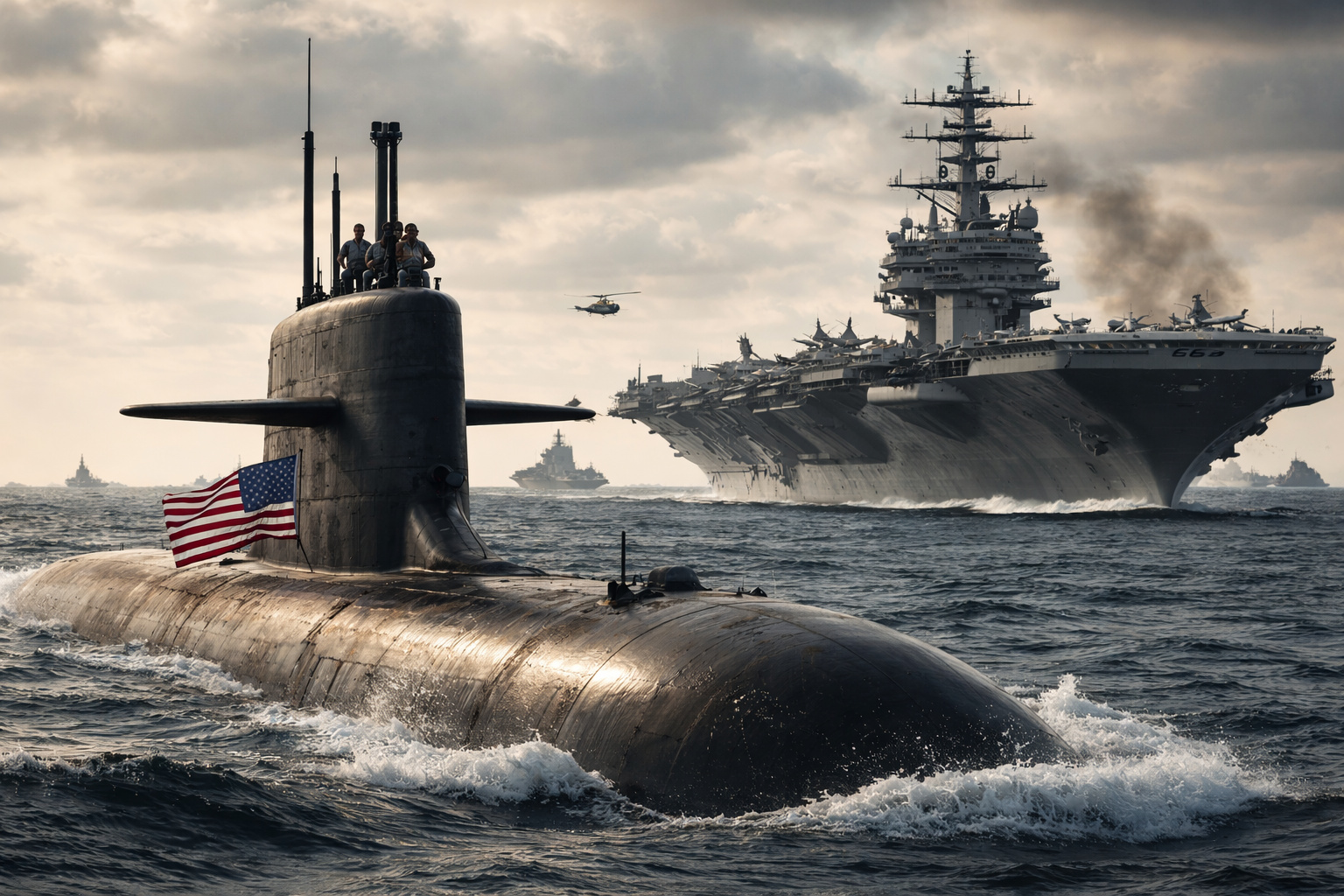
In This Context, The Tanker Marineira, Then Still Known By The Name Bela 1, Came Onto The Radar Of U.S. Forces.
The Vessel Had Already Escaped A Previous Attempt At Interception By The U.S. Coast Guard In The Caribbean, Opening A Game Of Cat And Mouse That Would Extend For Weeks Toward The North Atlantic.
False Flag, Renaming, And Escape To The North Atlantic
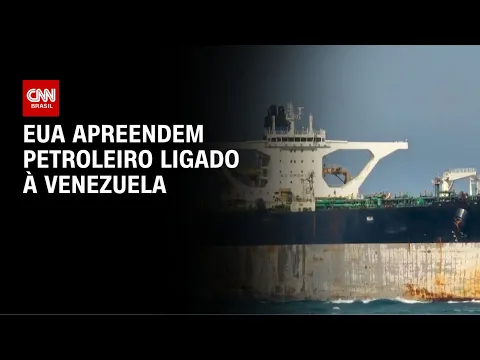

The Story Does Not Involve Just One Ship. The United States Announced The Seizure Of Two Tankers In Sequence.
One Of Them, Sofia, Was Sailing Under A False Flag Of Cameroon When It Was Captured In International Waters Near The Caribbean Region Of Venezuela. The Other Is The Marineira, Formerly Bela 1, Which Would Become The Center Of The Crisis.
After Escaping The First Attempt At Approach, the Crew Of The Marineira Renamed The Ship And Changed The Visual Identity Of The Vessel In The Open Sea, Painting A Russian Flag On The Hull. The Objective Was Clear: To Confuse Identification And Reinforce The Signal That The Tanker Was Now Under Russian Custody.
Even So, the Naval Forces Of The United States Followed The Vessel For Weeks, Until The Marineira Was Finally Reached In The North Atlantic, In An Area Between Scotland And Iceland, With The Support Of British Units.
There, The U.S. Navy Executed The Operation And Seized The Tanker That Had Been Monitored Since December, Completing An Uncommon International Pursuit Even By The Standards Of The Current Geopolitical Dispute.
The Russian Escort And The Military Message At Sea
As It Became Clear That The U.S. Navy Would Not Give Up, Moscow Decided To Raise Its Own Stakes.
In The Days Preceding The Capture, Russia Sent A Submarine And Other Military Ships To Escort The Marineira In The Atlantic, In A Demonstration Of Political Support And Direct Military Presence Along The Route Of A Ship Under Its Custody.
This Escort Had Two Messages. For Washington, It Showed That Moscow Was Willing To Associate Its Flag, Its Naval Forces, And Its Narrative With A Tanker That Had Been Pursued For Weeks. For Allies And The Russian Domestic Audience, It Reinforced The Image Of A Country That Does Not Abandon Its Citizens And Its Vessels.
Even So, Despite The Reinforcement Of The Escort, The Outcome Is What We Know Today: The U.S. Navy Seizes A Tanker At Sea, And The Case Immediately Migrates To The Legal And Diplomatic Field.
Moscow Reacts And Calls The Operation Piracy
Shortly After The Confirmation Of The Seizure Of The Tanker, The Russian Ministry Of Transport Released A Statement In A Stern Tone.
In The Text, Moscow References The 1982 United Nations Convention On The Law Of The Sea And Reiterates That the Freedom Of Navigation On The High Seas Must Be Preserved, Without The Use Of Force Against Vessels Registered Under The Jurisdiction Of Another State.
An Important Russian Lawmaker, From The Ruling United Russia Party, Also Spoke Out. According To Reports, He Classified The Seizure As An Act Of Brazen Piracy, Accusing The United States Of Violating Basic Rules Of International Navigation.
Moscow Has Also Demanded That Washington Ensure Humane And Dignified Treatment For The Russian Citizens Aboard The Ship.
At This Point, The Case Stops Being Just An Operation In Which One Country Seizes A Suspected Tanker And Is Framed As A Test Of Legal Limits Between Two Powers That Are Already Facing Each Other In Several Other Arenas Worldwide.
The American Argument And The Dispute Over The Law Of The Sea
On The Other Side, The Narrative Circulated Is That Of A Military Operation Led By The United States, With British Support, Against Tankers Considered Illegal Or Linked To Sensitive Routes, Including The Venezuela Region.
The Implicit Message Is That Washington Reserves The Right To Intercept And Seize A Tanker That, In Its View, Violates Sanctions Or International Norms, Even If This Occurs In International Waters.
This Difference In Interpretation Is The Heart Of The Conflict. For Moscow, The Convention Of The Sea Rigidly Protects Freedom Of Navigation And Restricts The Use Of Force.
For The United States, Interception Operations Can Be Justified By Security Reasons, Compliance With Sanctions, Or Specific Suspicions, Even If The Details Are Not Publicly Disclosed Immediately.
In Practice, Each Side Selects Which Part Of International Law It Emphasizes, Making The Episode A Precedent Watched Closely By Other Countries That Also Depend On The Security Of Oil Maritime Routes.
Venezuela In The Background Of The Crisis
Although The Most Visible Dispute Is Between The United States And Russia, the Initial Spark Of The Case Passes Through The Caribbean Region Near Venezuela, Which Appears Right At The Opening Of The Report.
By Addressing Oil Tankers Around This Axis, Washington Sends A Direct Message About The Control Of Oil Flows And The Monitoring Of Vessels Operating In This Strategic Corridor.
For Caracas, Episodes In Which The U.S. Navy Pursues Or Seizes Tankers On Routes Linked To The Region Reinforce The Perception Of Constant Pressure On Oil Trade.
For Moscow, Taking Custody Of A Vessel Like The Marineira Is Also A Way To Challenge This Pressure, Even Knowing That This Could Result In A High-Risk Operation Like The One That Occurred In The North Atlantic.
The Symbolic Weight Of Seizing A Tanker At Sea
From A Military Perspective, seizing A Tanker Under Escort And With A Flag Associated With Another State Is Always A Gesture Of High Impact.
From An Economic Perspective, It Is Directly Interfering In An Extremely Sensitive Value Chain, In Which Each Ship Represents Millions Of Dollars In Cargo And Contracts.
Moreover, Operations Of This Type Expose How Maritime Law, Often Seen As A Set Of Technical Rules, Is Also A Political Instrument.
When A Country Like The United States Decides To Seize A Tanker At Sea, The Decision Is Interpreted By Other Governments, By Shipowners, By Insurers, And By Investors, Who Recalculate Risks And Reassess Routes.
What This Case Reveals About The Future Of Oil Routes
The Episode Of The Marineira Joins A Long List Of Incidents Involving Oil Tankers In Tense Areas Of The Map, From The Caribbean To The North Atlantic.
Each Time A Country Seizes A Tanker Under Contested Circumstances, The Feeling Grows That Energy Routes Are Becoming Extensions Of Geopolitical Dispute, And Not Just Commercial Corridors.
For Those Who Follow Logistics, Oil, And Maritime Security, The Case Raises Some Open Questions. To What Extent Will Such Operations Become More Frequent?
What Kind Of Legal Guarantees Do Shipowners And Crews Really Have At Sea When The Interests Of Major Powers Clash?
And How Will Smaller Countries, Dependent On These Routes, Position Themselves In The Face Of Episodes Where Two Giants Dispute The Narrative About Who Is Right.
In The End, the Seizure Of A Single Ship In The Middle Of The Atlantic Exposes How Oil Flows Continue To Be One Of The Most Concrete Ways To Measure Power In The 21st Century.
And You, How Do You View This Operation In Which The U.S. Navy Seizes A Tanker Under Russian Custody At Sea: Legitimate Law Enforcement Or A Dangerous Step In The Escalation Of State Piracy That Could Become A Standard In The Future?








Seja o primeiro a reagir!