





 English
  Francês
  Alemão
  Italiano
  Japonês
  Norueguês
  Portuguese
  Spanish
  3 min of reading


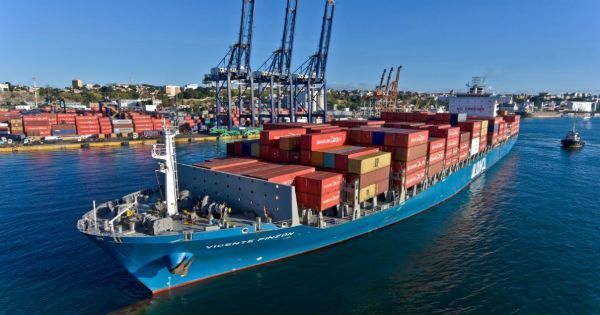
The Pandemic Did Not Affect The Sector, Which Handled 60.8 Million Tons During The Period; Data Comes From A Survey By The Ministry Of Infrastructure
The port sector in Brazil, especially in cabotage navigation, was not impacted by the coronavirus pandemic, recording an 11.3% increase in movement between January and April of this year compared to the same four-month period in 2019. Industry Confidence In Brazil Increases After Relaxation Of Quarantine Measures
Read Also
- Ministry Of Economy Uses Construction As A Model For Returning To Work
- Worker Falls From Wind Turbine He Was Working On And Dies In RN
- Amid The Pandemic, Spanish Group STI Norland Projects R$ 1 Billion Revenue In Brazil
The survey was conducted by the Ministry of Infrastructure, based on statistical data from the National Agency for Waterway Transportation (Antaq).
-
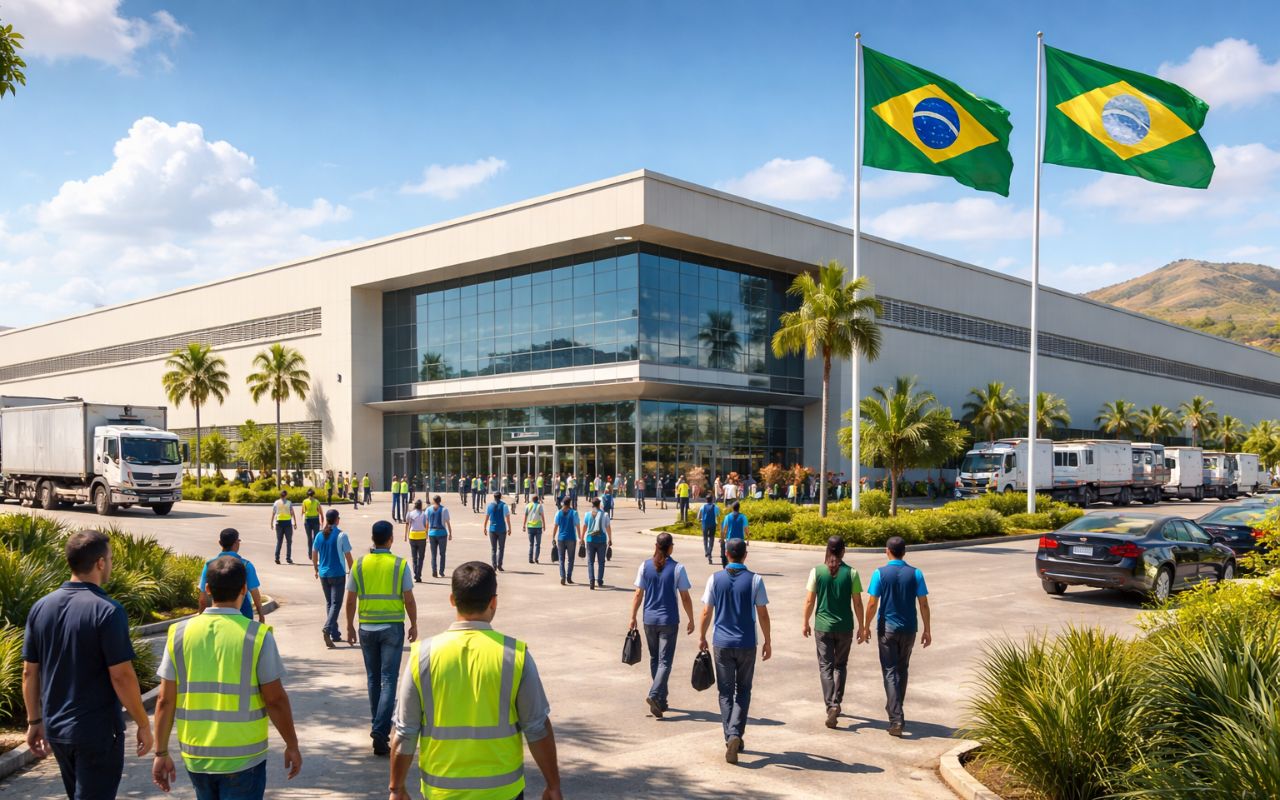
New shoe factory in Ceará is expected to create 400 jobs and strengthen the local economy.
-
No one imagined it, but a mixture of sawdust with a mineral that fights fires surprises scientists with a result that changes the course of fire-resistant construction.

-
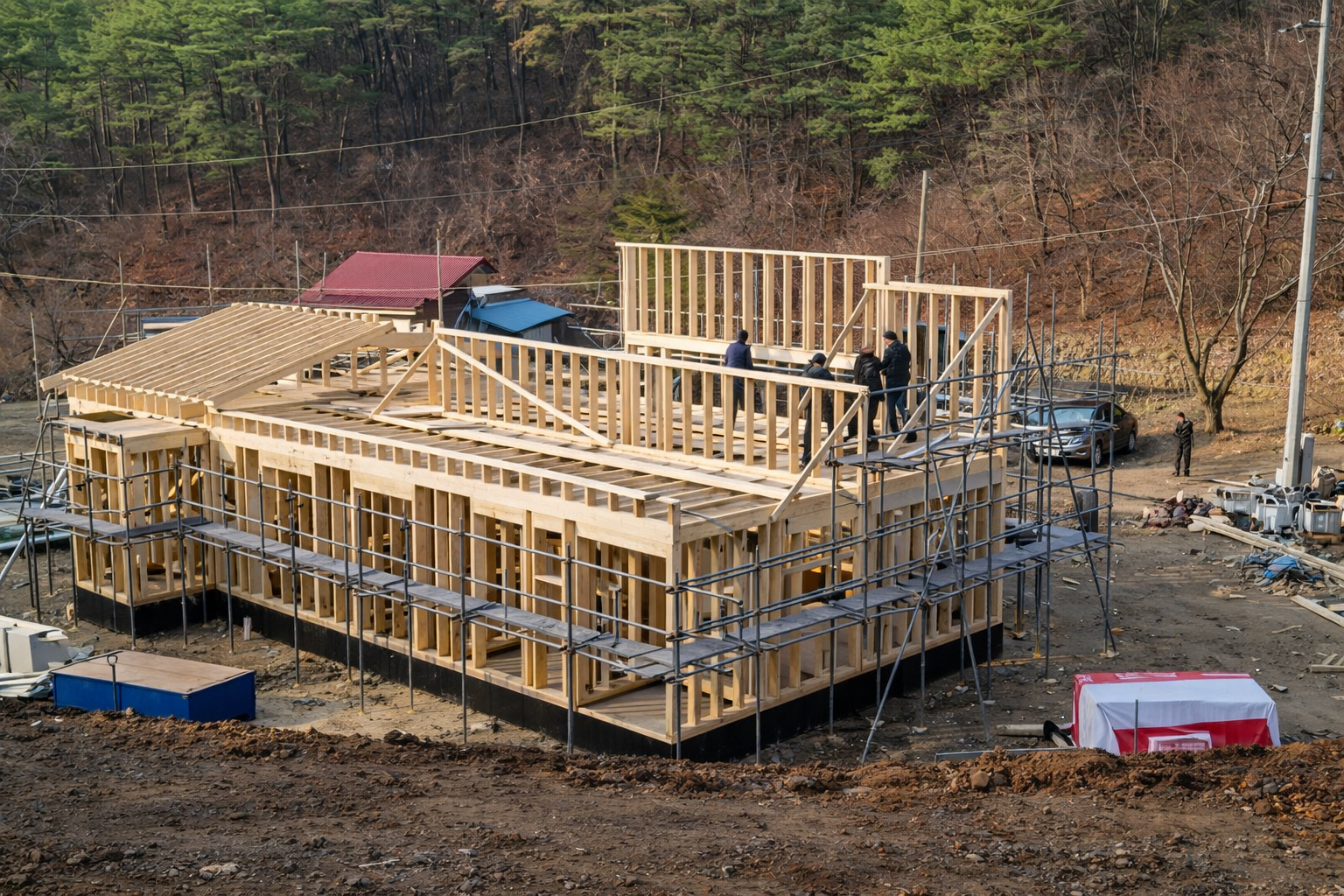
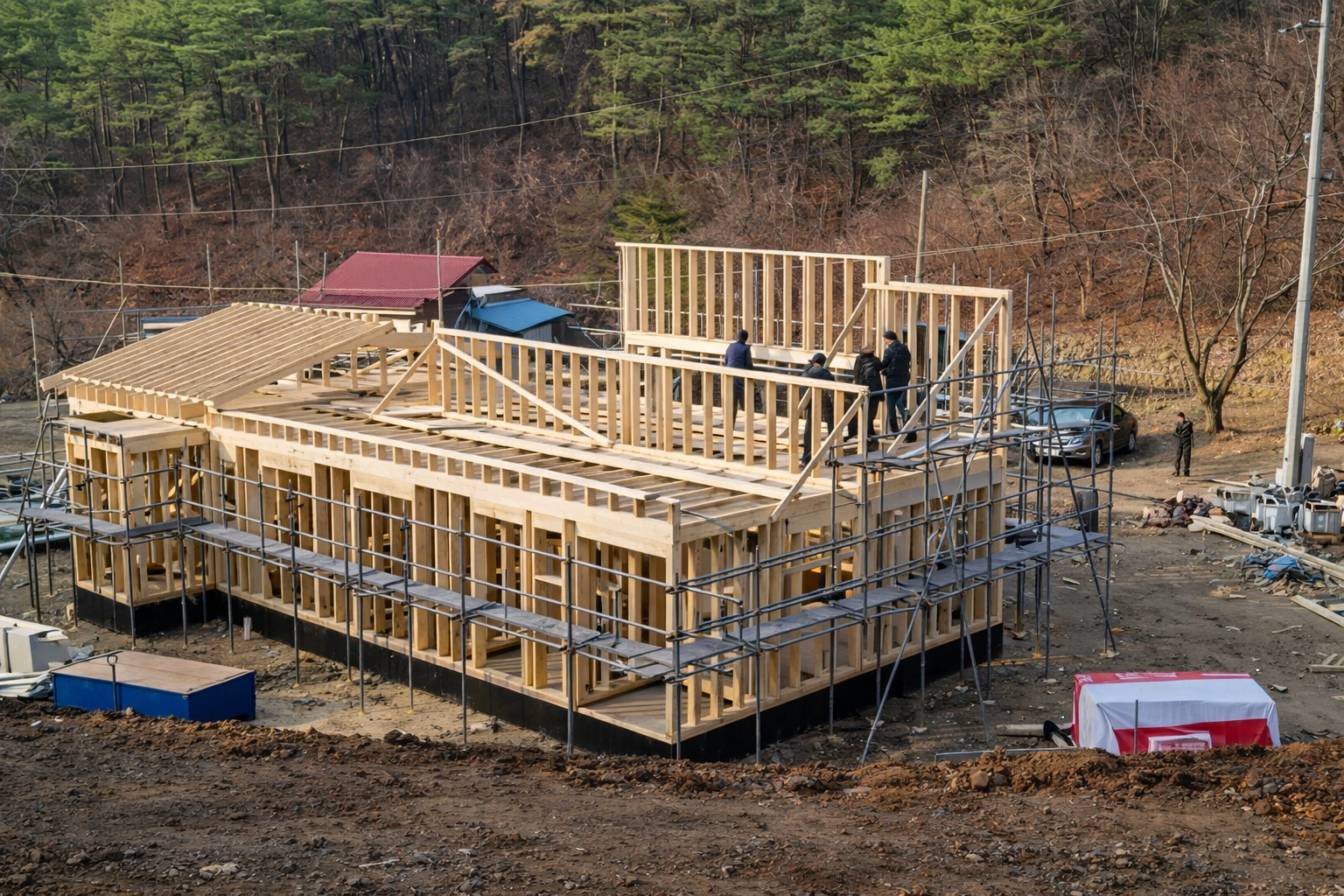
From empty land to a high-end house, wooden construction uses a lightweight system, metal structure for the foundation, ventilated ceramic cladding, and special windows to create an efficient and comfortable living space throughout the year.
-
From vacant land to a high-end house, wooden construction uses a lightweight system, a metal structure for support, ventilated ceramic cladding, and special windows to create an efficient and comfortable living space throughout the year.

In total, the sector transported 60.8 million tons during the period. The impact on cabotage movement is related to the growth in the transportation of liquid and gas bulk (10.1%) – especially in the oil and derivatives sector – as well as a 58.1% increase in the transportation of solid bulk in the first four months of the year.
“Although we have segments that were more affected during the pandemic, the port sector has shown resilience to the effects of the crisis, demonstrating significant growth in the closure of data for the first four months, particularly highlighting the increase in cabotage movements. This shows that we are on the right path with the BR do Mar program, which aims to further enhance this growth,” evaluates the Minister of Infrastructure, Tarcísio Gomes de Freitas.
The port sector also recorded a 3.7% increase during the period, with 65.2% of the cargo handled by private ports and 34.8% by public ports. In tons, the total volume transported was 340.4 million.
Even after January of this year recorded a 30% drop in the transportation of iron ore and soy, compared to 2019, the sector showed recovery in the following months, with iron ore maintaining the level of the previous year, and oil and soy contributing to the final positive result.
The Pará Dock Company (CDP) saw a 30% increase during the period compared to last year; for the Port of Suape (PE), there was a 21.1% increase; for the Ports of Paraná, which manage the ports of Paranaguá (PR) and Antonina (PR), there was a 20.5% increase; and for SPA, the port authority of the Port of Santos (SP), which recorded a 12% growth in the accumulated period.
The ports managed by the Espirito Santo Dock Company (CODESA), the Rio de Janeiro Dock Company (CDRJ), and the Bahia Dock Company (CODEBA) were the ones most impacted in terms of movement, with losses of 15.68%, 34.37%, and 6.27% respectively.
Although they are ports of significant movement, the survey shows that, to date, the overall downward trend in transportation is not a reality for the port sector.







Seja o primeiro a reagir!