






 Portuguese
  Spanish


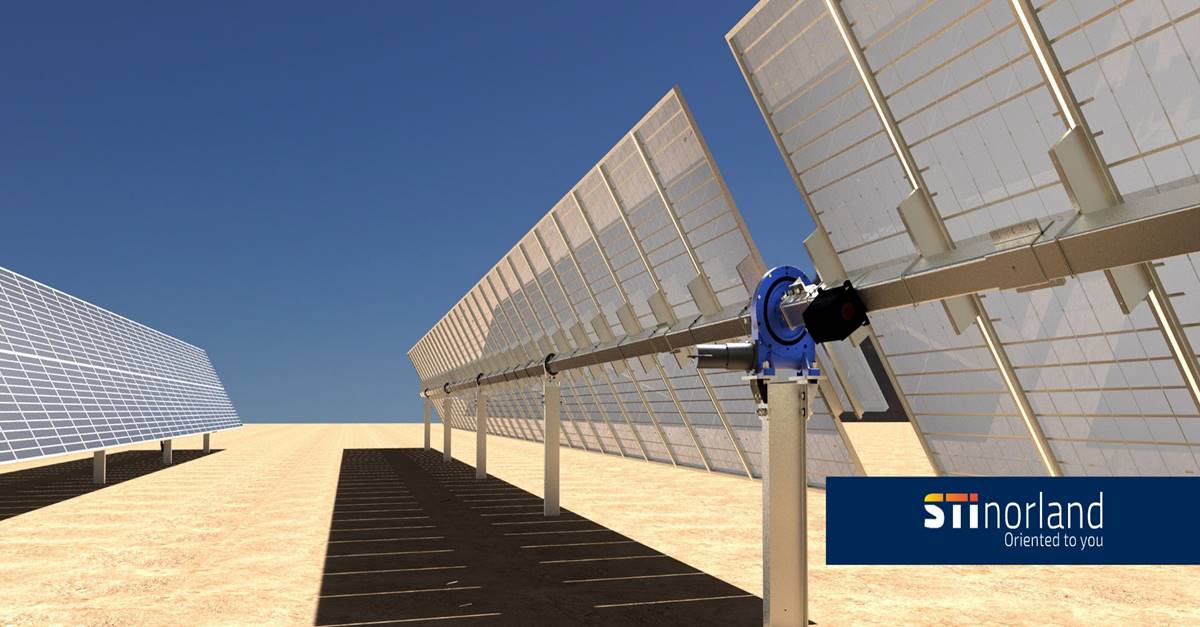

STI Norland Works in the Manufacturing and Supply of Trackers, Which Are Devices Used in Solar Photovoltaic Power Generation Plants
Despite the coronavirus pandemic, the Spanish group STI Norland, which ended 2019 with a 39% market share in Brazil, is optimistic about its business in Brazil this year. Industry Confidence in Brazil Rises After Easing of Quarantine Measures
Also Read
- Worker Falls from Wind Tower He Was Working On and Dies in RN
- Ministry of Economy Uses Construction as a Model for Returning to Work
- Oil and Gas Company Plans to Invest US$ 200 Million in Onshore Fields in Rio Grande do Norte
STI Norland manufactures and supplies trackers, which are devices used in solar photovoltaic power generation plants to alter the position of panels throughout the day, following the sun’s path.
-
World’s Largest Engie Solar Plant in Brazil Highlights Billion-Dollar Energy Waste Issue: Company Considers Batteries and Bitcoin Mining to Avoid Wasting Production

-
Air Products Cancels $2.9 Billion Clean Hydrogen Megaproject in Louisiana, Shuts Down Arizona Unit, Highlighting High Costs of U.S. Energy Transition
-
Over 60 Tractors Take to the Streets in Lopera as Solar Parks Compete with Olive Groves, Affecting 13,000 to 100,000 Trees According to Conflicting Reports

-
Green Hydrogen Projects in Northeastern Brazil Stalled for 18 Months Awaiting Government Decree, Delaying Billions in Investments


With a record of R$ 700 million in new orders in the first quarter, the company is optimistic and expects to finish the year with revenue of R$ 1 billion.
“To our surprise, all our clients continued to bet on the solar sector, even with the depreciation of the real,” said Javier Reclusa, CEO of STI Norland.
The executive adds, “I believe that starting in July, the solar market will be reactivated more than we expected. And this will be due to the improvement in the exchange rate and the resumption of commerce. For August and September, we imagine that everything will return to relative normalcy.”
According to data from Wood Mackenzie, STI Norland ended 2029 with a 39% market share in Brazil, making it the largest tracker company in Brazil. For the executive, the results were made possible, above all, by gaining the clients’ trust.
To the company’s surprise, all its clients continued to invest in the solar energy sector, despite the economic crisis caused by the pandemic, which depreciated the real against the dollar and the euro.
“All clients continued to place orders and we had a record number of orders in the first quarter, totaling over R$ 700 million, in both distributed and centralized generation. Some projects were postponed, but they are now being pre-activated again in the second half,” said Javier.
The expectation is that starting in July, the solar energy market will be reactivated beyond expectations. And this will be due to the improvement in the exchange rate and the resumption of commerce. By August and September, everything should return to relative normalcy.
Currently in Brazil, STI Norland has 60 employees at its headquarters in São Paulo, where all administrative, commercial, and financial operations are conducted.
The company’s factory is located in Camaçari (BA), where part of the component manufacturing takes place. The company has a distribution logistics center for both Brazil and abroad.
The location of the factory is strategic due to the port, as the company imports part of the material, and it is also the epicenter of most solar projects in Brazil.
With projects running at full steam, STI Norland expects to end 2020 with revenue of R$ 1 billion here in Brazil and multiply last year’s revenue by four. For next year, the expectation is to grow even more with the projects that are coming and those that are under negotiation.
Currently, the company is involved in about 40 projects. In terms of larger projects, the company is working on the Pereira Barreto project by EDP; as well as a 465 MW project from the Pátria group; in addition, the company is handling all projects from Canadian Solar here in Brazil.
-by petronoticias








