Portuguese
  Spanish


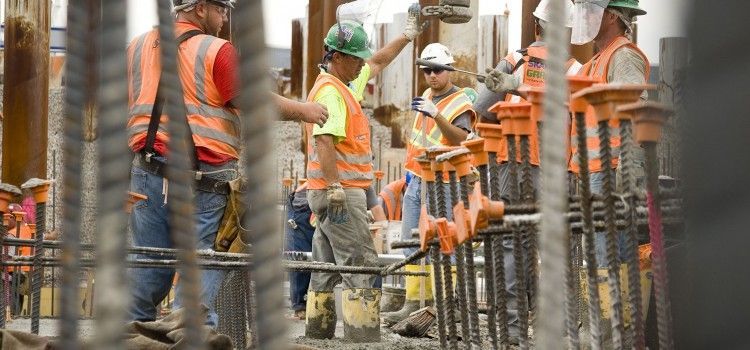

Amid The Pandemic, The Construction Sector Operates At Full Speed With 93% Of Production Capacity, Working With Protection, Testing, And Monitoring
The construction sector becomes an example of the resumption of productive activities in Brazil when the curve of contamination by Coronavirus decreases, informs the Minister of Economy, Paulo Guedes, along with other ministries of the federal government. Industry Confidence In Brazil Rises After Easing Quarantine Measures
Read Also
- Construction Sector Fears That Measures Will Reduce Investment Capacity In The Sector
- Historic Action On Oil Royalties Is Favorable To Santa Catarina And May Generate Compensation For The State
- Petrobras And Açú Petróleo Sign Contract That May Double The Flow At The Porto Do Açú
According to Guedes, the construction sector – an essential sector for the country’s economy that did not stop during the pandemic, is the model to be followed.
-
Two-Bedroom Home Built in a 40-Foot Shipping Container Delivered and Ready for Same-Day Living in São Paulo Countryside

-
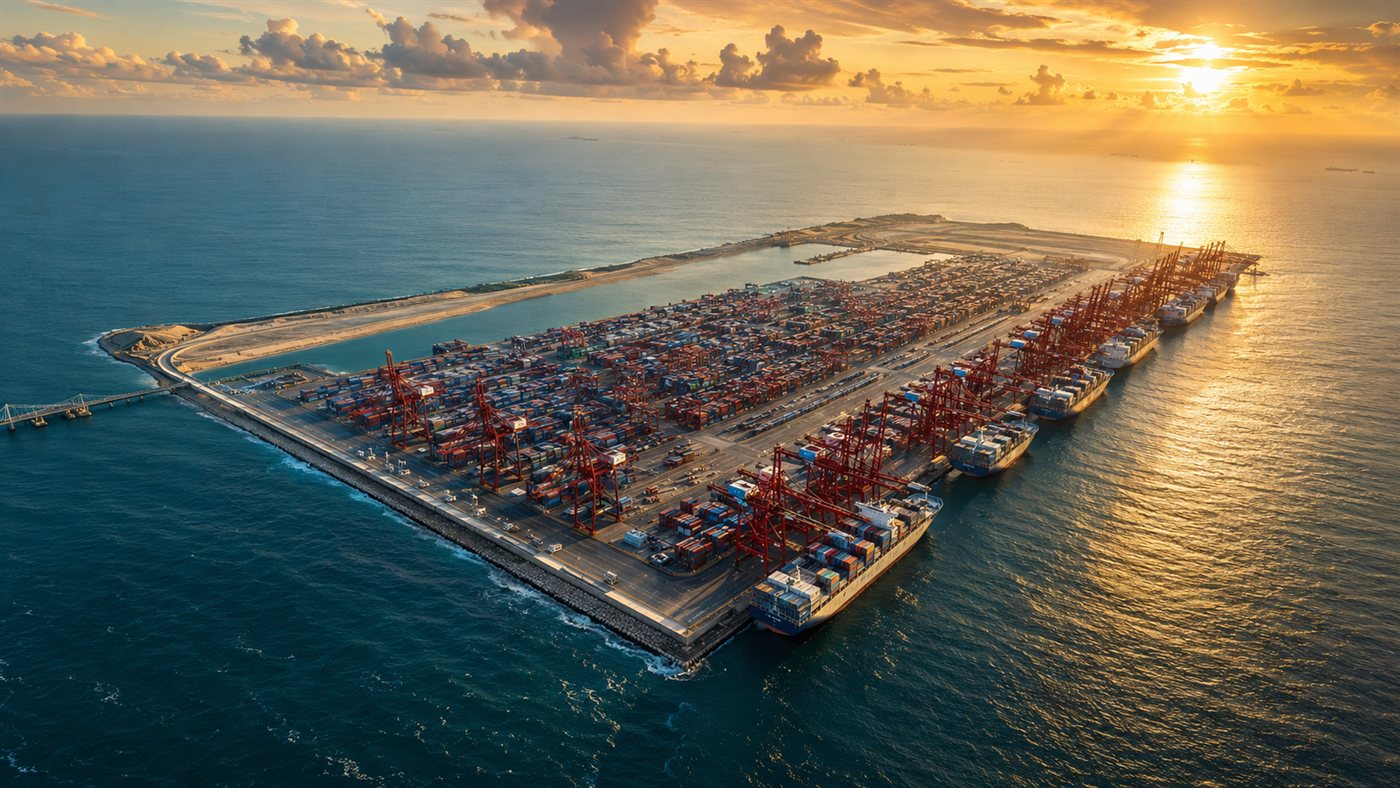
China Constructs Artificial Island 32 km Offshore for Yangshan Port, Connected to Shanghai by 32 km Bridge, Unloading 3,000 Containers in 20 Hours
-
China’s $70 Billion River Diversion Project, the World’s Largest, Moves 44.8 Billion Cubic Meters Annually, Crosses Under the Yellow River, and Displaced 330,000 People
-
Indian Driver Spends 14 Years Digging 10-Meter Tunnel Through Mountain to Connect Isolated Village to the World



He adds that, by controlling the pace of operations on construction sites, the construction sector had an extremely low contamination rate compared to the number of workers involved.
For the minister, the construction sector knew how to protect itself, citing that the sector operates at 93% of its production capacity. The data is from the Brazilian Chamber of the Construction Industry, CBIC. “The sector managed to protect, test, monitor, and treat, drastically reducing infections,” he states.
Since the beginning of the epidemic in Brazil, 10 construction workers have died as a result of COVID-19, out of a universe of 2 million people working with a formal contract, directly in the segment.
The survey shows that all construction projects in the states of the South, Southeast, and Central-West regions are ongoing, as well as in Amapá and Amazonas in the northern region.
In the northeast region, Paraíba is divided. The only states where construction works are completely halted are Piauí and Sergipe. In contrast, Alagoas, Rio Grande do Norte, and Maranhão are operating at 100% in construction, while Bahia and Ceará resumed activities at the beginning of June.
Safety At Work In The Construction Sector
Guedes advocates that the safe return to activities be segmented. “It will not be everyone at the same time. It will be by geographical units. In regions with higher population density, the risk of contagion is greater. So all of this will be examined, based on reports. When health allows, and signals that it is time to advance, we will advance,” says the minister.
Ana Cláudia Gomes, president of the social responsibility commission of the Brazilian Chamber of the Construction Industry (CBIC), reveals why the safety protocols of the construction sector have become a model for the federal government.
“Industry entities in the construction sector and companies are going beyond the protective and sanitary measures established. They also care about the worker on the way back home and with their family contacts,” she reveals.
It is worth mentioning that well before the pandemic hit Brazil, workplace safety was law within the construction sector. The presence of workers on site is only permitted with the proper use of personal protective equipment (PPE).
Therefore, items such as masks, gloves, safety goggles, and helmets are not new for those working on construction sites. This allows workers in the sector to stay ahead regarding protection against COVID-19.