





 Portuguese
  English
  Spanish
  3 min of reading
  0 comments


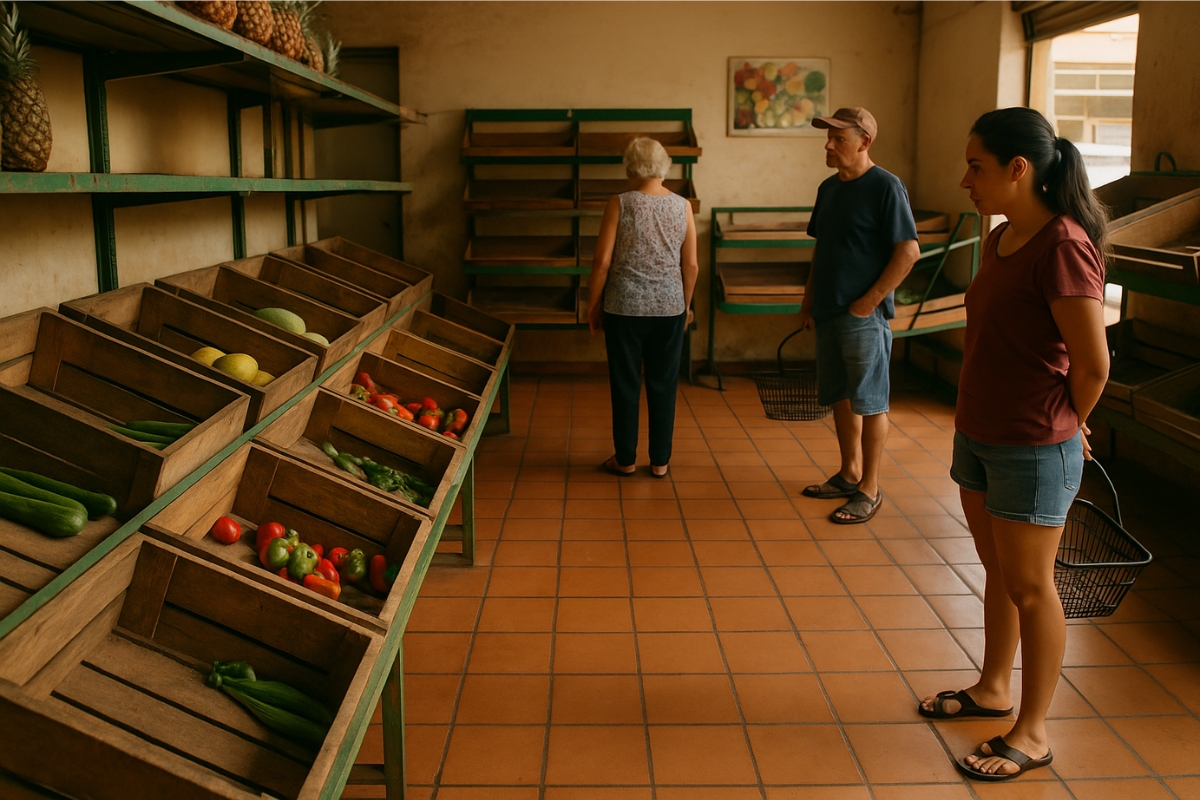
Mato Grosso Leads Agricultural Production, But Depends on Fruits and Vegetables Coming from Other States, and Residents Report Difficulty in Finding Quality Products
Mato Grosso, nationally known for its weight in the Brazilian agribusiness, is facing a contradiction that is hard to ignore. The state ranks at the top nationally in soybean production and also stands out in beef cattle farming, according to IBGE data. Nevertheless, it suffers from the scarcity of basic daily items: fruits, vegetables, and greens, which arrive on shelves with difficulties and often of inferior quality than desired.
In cities like Sinop, in northern Mato Grosso, the scenario is even more evident. The estimate from the state’s Economic Development Secretariat is that over 95% of the fruits and vegetables consumed in the region come from outside. This is confirmed by Secretary José Pedro Serafini, who explains how local consumption almost entirely depends on loads transported over long distances.
Why Does the Largest Agricultural Producer in the Country Not Produce Fruits and Vegetables?
The paradox has an explanation. A combination of economic and climatic factors pushes farmers towards more profitable and less risky crops. Among the main reasons are:
-
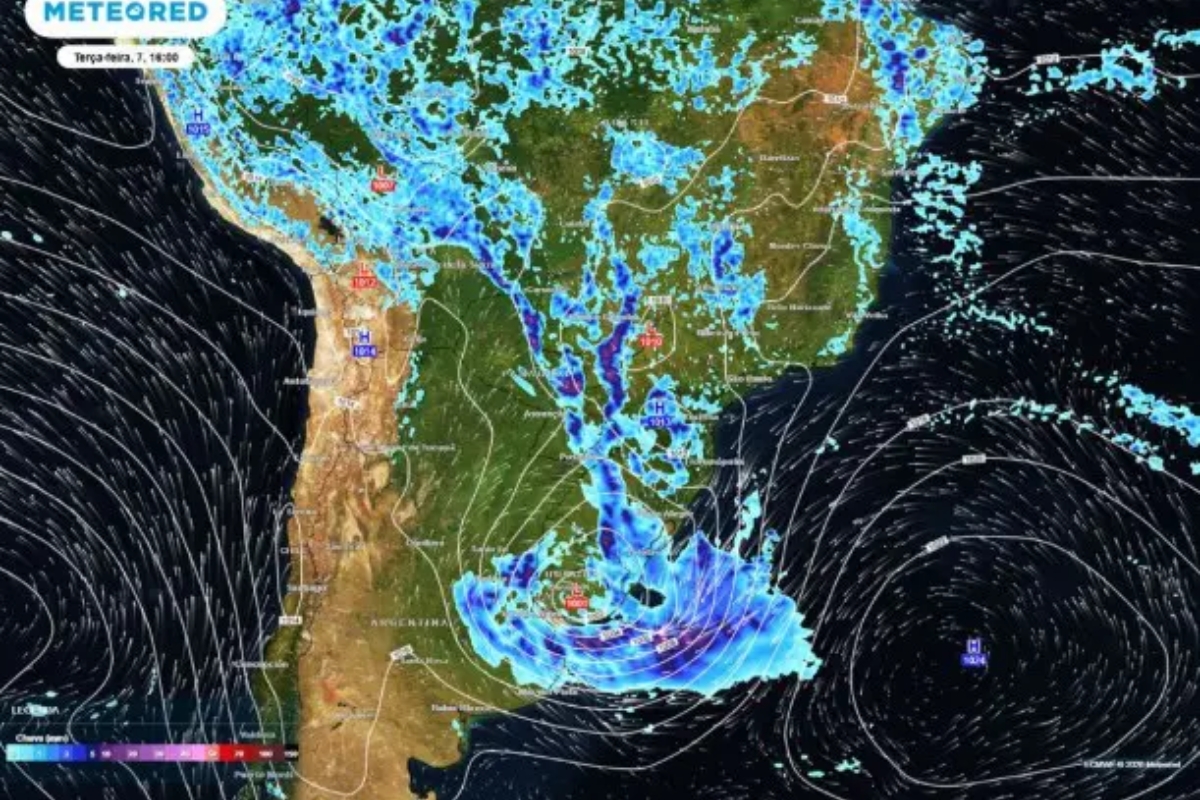
The Civil Defense issued a red alert amid the advance of the cold front in southern Brazil, where instability is increasing and the chance of problems is becoming more serious.
-
South Korea’s intelligence agency claims to have reliable information that Kim Jong-un’s teenage daughter has already been chosen as his successor and is being prepared to lead North Korea by driving tanks and shooting rifles.

-
At over 2,400 meters above sea level, Pico da Tripla Divisão is a rare mountain where a single drop of rain can take paths that lead to three different oceans.

-
With 75 mutations and confirmed circulation in 23 countries, a subvariant of Covid-19 challenges part of the protection against infection and reinforces the warning about the decline in vaccination.

Highly Valued Land
The state’s areas are extremely contested and valued for grain production. For many producers, dedicating hectares to fruits or vegetables simply does not pay off financially.
Complicated Logistics
Mato Grosso is vast, and internal distances are extensive. Since fruits and vegetables are perishable and require fast and careful transportation, logistical costs skyrocket, making the activity less appealing.
Extreme Dry Climate
The state faces about six consecutive months of drought, requiring robust irrigation systems. Not all farmers have tanks or infrastructure to maintain production during the most critical period.
The result is a market dependent on products coming from other states, often from regions like Minas Gerais, Goiás, and São Paulo, increasing the final cost for consumers.
When Scarcity Becomes a Business Opportunity
The scarcity of fruits and vegetables in Sinop opened up space for an entrepreneur from Minas Gerais. Vanessa Cristine de Souza reports that when she moved to the city, she immediately noticed the poor quality of the fruits found in supermarkets.
“It was very difficult here. I would go to the market, and it was a struggle to buy good fruit,” she recalls.
At the beginning of this year, Vanessa and her husband decided to turn the problem into an opportunity and opened a distributor of fruits, vegetables, and greens in the city. The demand grew so quickly that the space reserved for stock needed to be expanded and adapted. Today, it operates practically like a market, offering over 100 types of different products to serve residents and merchants in the region.
The business shows how the productive deficit in the state can open doors for those looking to invest in the sector. In the video of the original report, the audience follows the journey of goods until they reach the entrepreneur’s distributor, revealing a long, costly, and still little-explored chain in Mato Grosso.






-

2 pessoas reagiram a isso.