





 Portuguese
  English
  Spanish
  5 min of reading
  0 comments


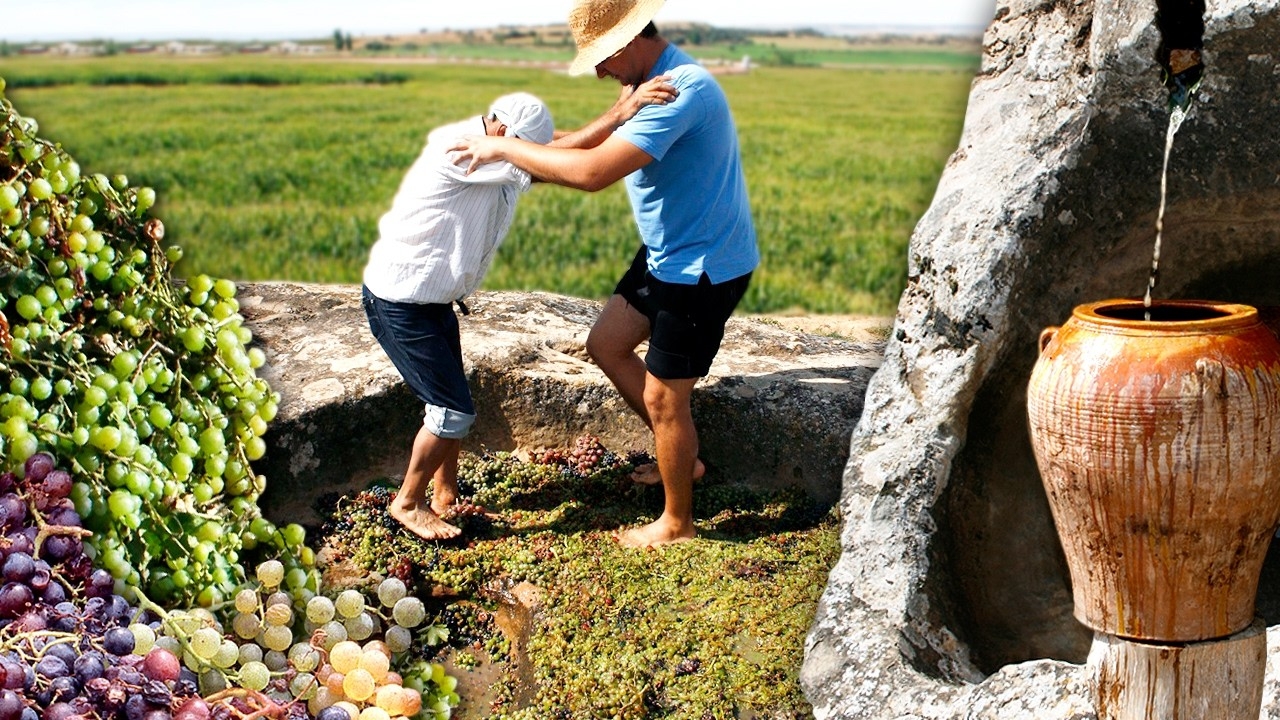
In Binaced, Small Village In Spain With An Ancient Wine Production Tradition, Residents Cleaned An Ancient Rock-Hewn Winery, Reconstructed The Grape Treading, And Showed How The Must Could Be Produced Near The Vines To Reduce Labor And Transportation
An ancient rock-hewn winery regained attention in Binaced, a small village in Spain with an ancient wine production tradition, after being cleaned by local residents. The space had been unused for decades and, over time, accumulated fertile soil and vegetation over the structure carved into the rock.
The cleaning paved the way for understanding how a traditional wine production system worked. The recreation practically demonstrated how grapes were treaded in the fields and how the must moved to the lower reservoir before being taken to the bodega.
How The Rock-Hewn Winery Was Formed
The winery consisted of two main containers. The first was the treading area, a wider and shallower space where grapes were crushed by foot to release the juice.
-
The narrowest house in the world is only 63 centimeters wide, but inside it can accommodate a bathroom, kitchen, bedroom, office, and even two staircases.

-
In the middle of the sea, these enormous concrete and steel structures, built by the British Navy to protect strategic maritime routes, look like they came straight out of a Star Wars movie.

-
For years, no one could cross a neighborhood in Tokyo because of the tracks, but an impressive solution changed mobility and completely transformed the local routine.
-
With 15 floors, an unusual building in Curitiba uses concrete, pilasters, and exposed roofs to create the effect of stacked houses.


The floor had a slight slope and a drainage system that could be blocked with plant material. This detail helped direct the must to the lower part of the structure with more control and less loss.
Below the treading area was the laco, a smaller and deeper reservoir, carved at a lower level. At its bottom, there was a small cuenco, used to retain solid residues and also facilitate the removal of the remaining liquid during cleaning.
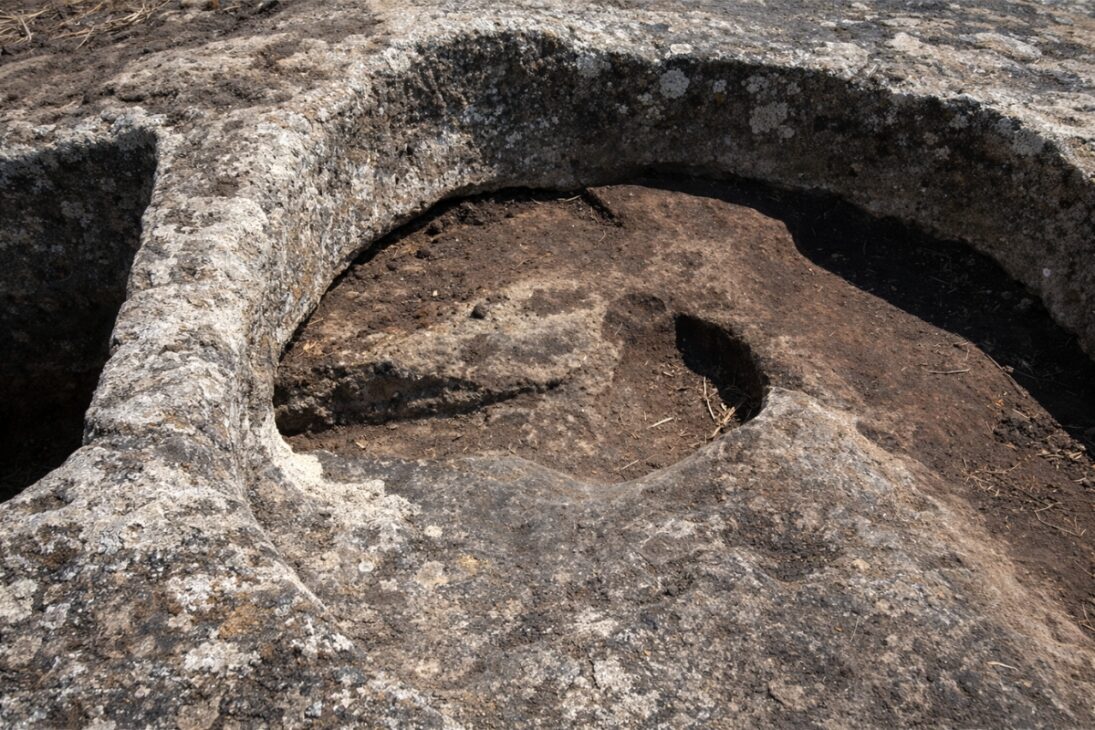
The Slope Detail Helped Utilize Even The Last Part Of The Must
The internal base of the reservoir was not flat. There was a slight incline that directed the liquid to the lower cuenco, allowing the collection of what remained after filling jars and containers.
This simple design made a difference in the yield. Even a small amount, like half a liter, could be recovered and added to the rest of the must channeled to the collection area.
Another important point was the side channel, through which the liquid flowed when the reservoir reached a certain level. This allowed maintaining the flow and avoiding waste during the extraction process.
The Recreation Gathered Residents And Resumed A Method That Could Be Over 400 Years Old

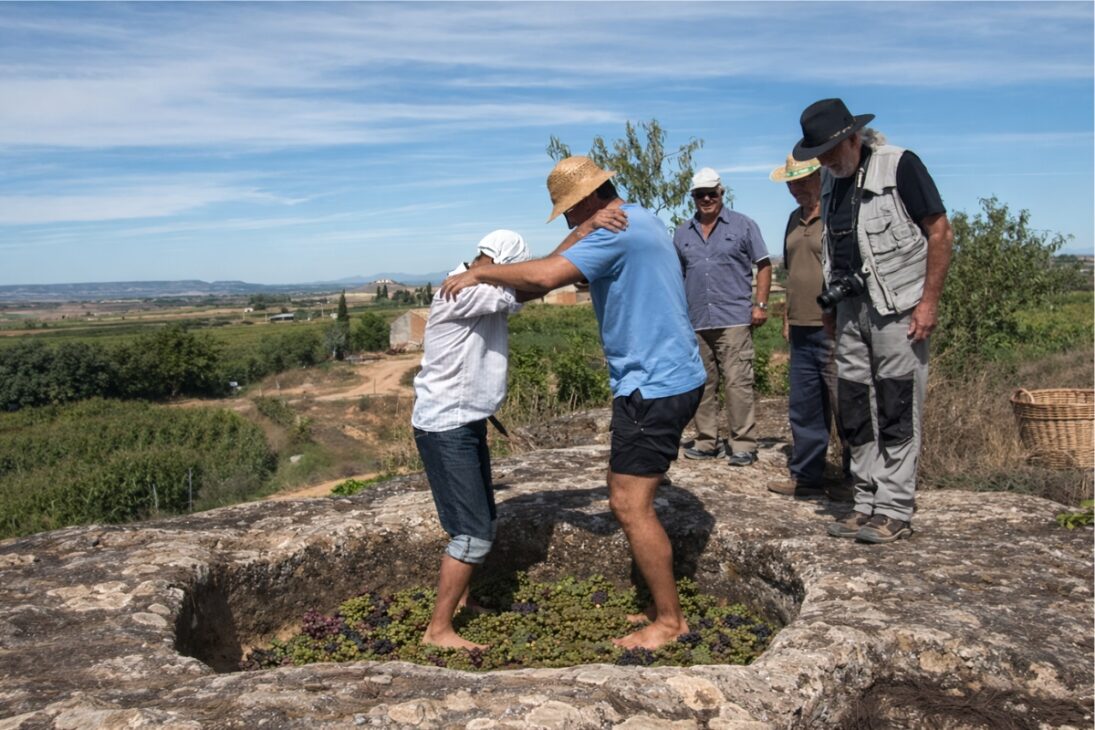
The residents decided to conduct a recreation of the grape treading using a small amount of grape bunches. As the site did not meet minimum hygiene conditions, the produced must would not be suitable for consumption.
According to Eugenio Monesma, a Spanish filmmaker and researcher of rural crafts and traditions, the proposal was to reproduce how wine could have been made in that space around 400 years or more ago, when vineyards dominated the surrounding landscape.
The work began with sealing the passage hole using plant material. After that, the participants entered the treading area to crush the grapes in a traditional manner, repeating a gesture that was part of the local agricultural routine.
Treading In Circles Increased Pressure And Helped Move The Grapes
The method of treading was not random. The circular movement made the body rotate on itself and around the reservoir, increasing the pressure of the heel, which bore most of the body’s weight.
The sole of the foot helped stir the mass, but it was the heel that crushed the grapes more efficiently. This constant movement also disturbed the must and favored the flow of liquid to the lower part of the system.
In the filter, each village used the available material. In Binaced, a small village in Spain with an ancient wine production tradition, cane leaves were used, but the green escobizo was also mentioned, considered tighter and more efficient to filter the juice with fewer residues.
Capacity Could Reach 2,000 Kilos Of Grapes And 1,400 Liters Of Must
Based on the size of the treading area, the estimate presented was around 2,000 kilos of grapes in a full load. From that volume, the yield could reach 1,400 liters of must.
The calculation was simple. About 70% turned into must and the remaining 30% remained as residue. This shows that the structure, despite being rustic, had enough scale to support a significant production in the rural environment.
The recollections of former residents reinforce the importance of viticulture in the area. There were reports of annual production of four or five thousand liters of wine, alongside large vats and smaller barrels within the bodega.
Producing Next To The Vine Reduced Labor, Animals, And Harvest Losses
Treading next to the vineyards had a very clear function. The system avoided transporting the grapes to the village before pressing and also reduced the return of the breeze to the field, saving human effort and animal transportation.
This was even more important because the harvest needed to be quick. Once ripe, the grapes became more vulnerable to early fermentation and to insect attacks attracted by the sugar present in the grains.
The must collected in the reservoir could be transferred to skin bags, tinajas, or other containers suitable for transport. The higher surplus, which flowed through the channel, could even offer a clearer liquid, improving the quality of what was collected.
The recovery of this winery shows how ancient solutions addressed practical field problems with intelligence and effort economy. The structure utilized gravity, reduced losses, and organized production close to the source.
More than a vestige of stone, the space reveals a productive logic that united speed, utilization, and adaptation to the terrain. When this type of technique is understood again, the reading of rural past also changes in scale.






Seja o primeiro a reagir!