





 Portuguese
  English
  Spanish
  4 min of reading
  0 comments


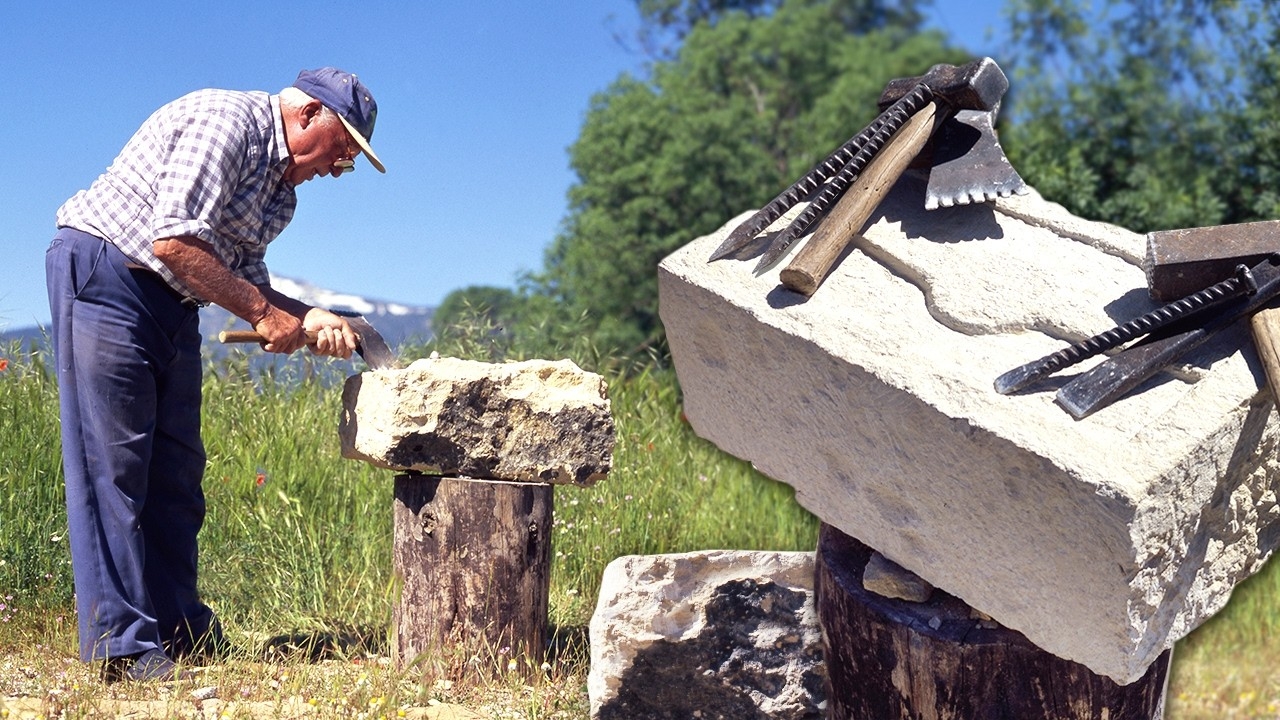
Before Becoming a Block of Stone, the Rock Needs to Be Understood from Within, Cut at the Exact Point, and Hand-Finished in a Slow Sequence of Strikes That Reveals How Ancient Stonework Still Impresses with Its Precision
In a time dominated by machines, industrial cuts, and accelerated construction, some ancient crafts still survive thanks to the strength, trained eye, and patience of those who know the raw material like few others. Among them is the work of the stonemason, capable of transforming a raw block of stone into a precise piece, ready to be used in construction.
In the Valle Alto del Lozoya, this knowledge remains alive in the hands of Julián. With a hammer, chisel, square, and ruler, he repeats a process that requires experience, reading the stone, and absolute control of the blows. The result does not come from haste, but from observation and mastery of a technique that has crossed generations.
Before Cutting, It Is Necessary to Understand the Stone
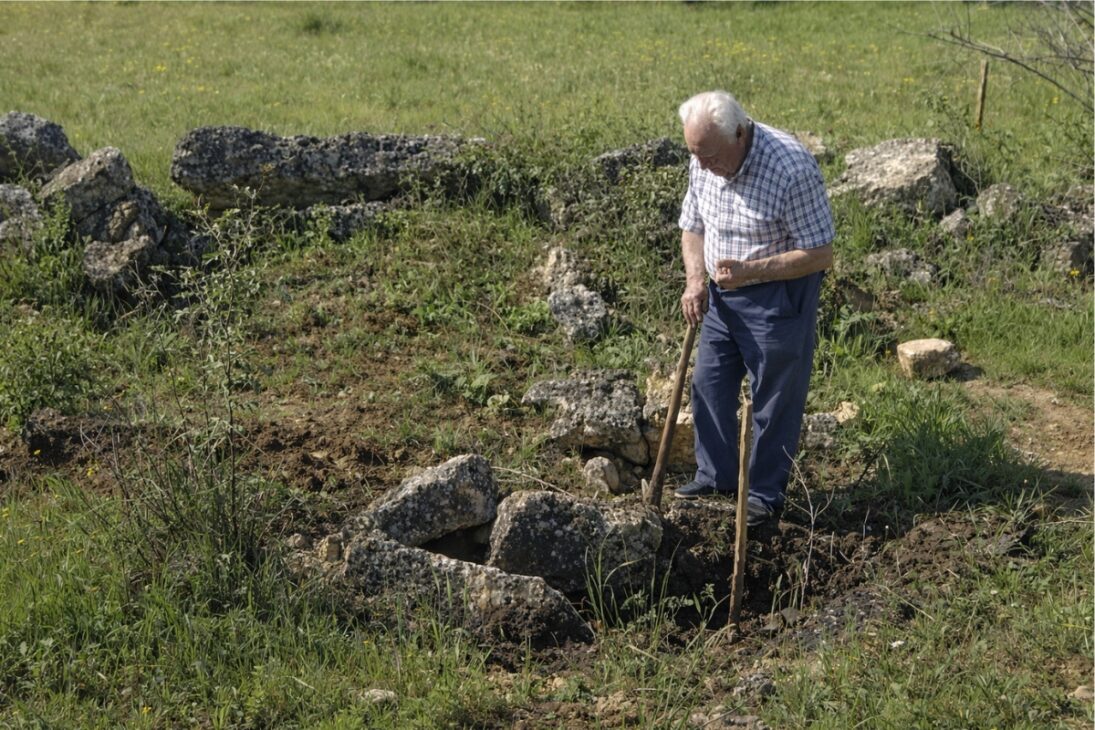
Nothing starts with brute force. The first step is to observe the internal structure of the rock, to see where it is firmer, where there are signs of wear, and through which point the cut can happen without causing fractures.
-
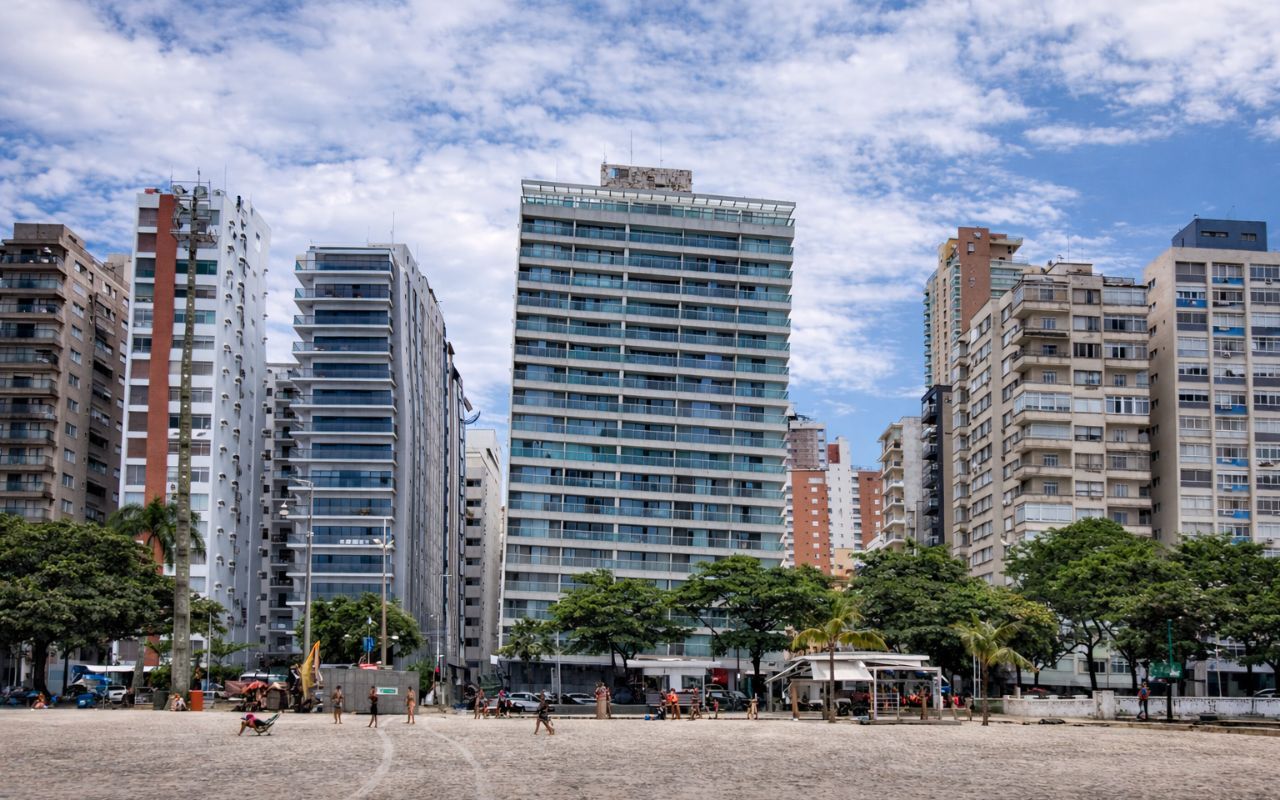
The Brazilian city has 319 crooked buildings built on sandy soil without proper deep foundations, houses the largest beach garden in the world, with over 5 km, and is still considered the birthplace of surfing — meet Santos, in São Paulo.
-
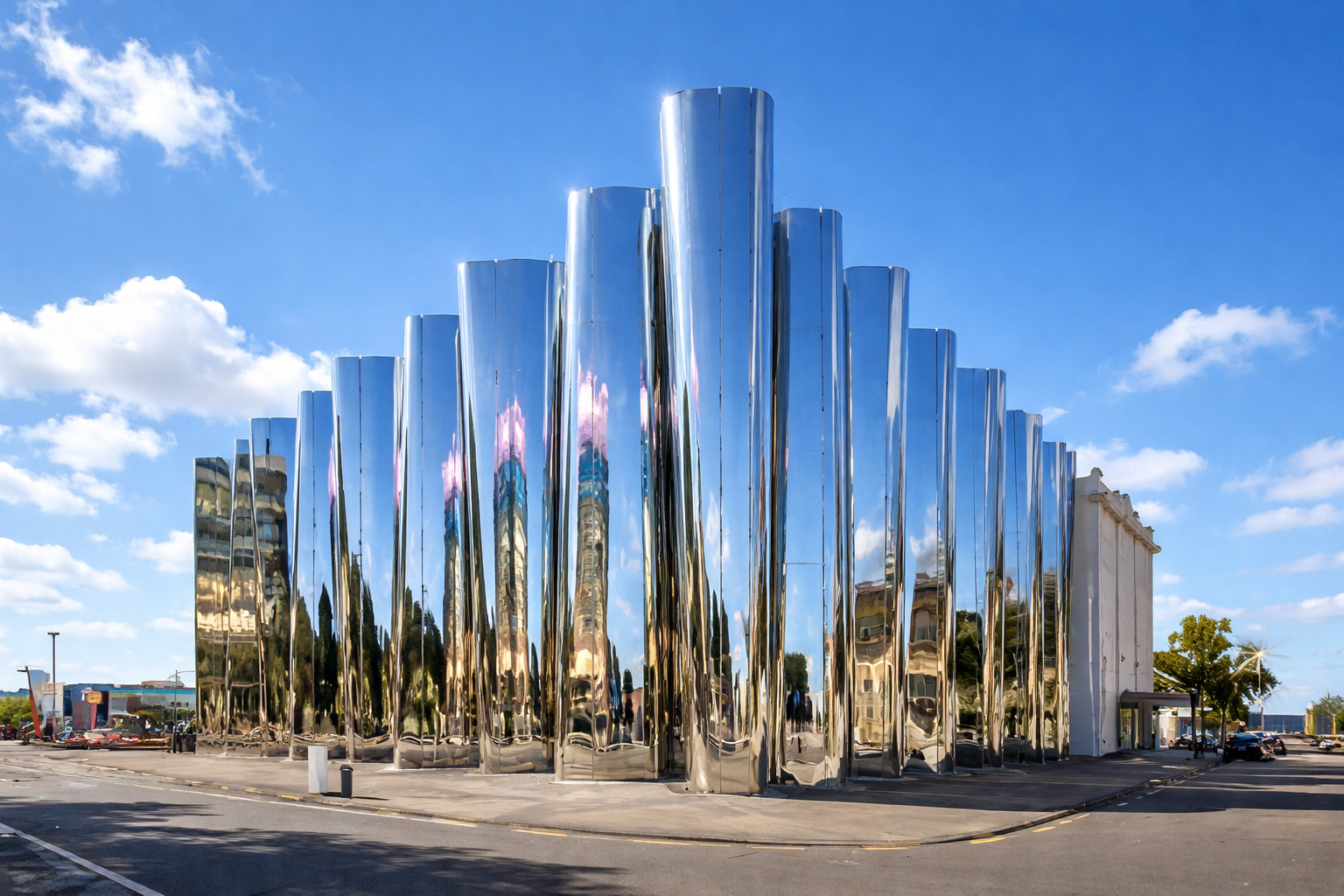
New Zealand builds a shimmering building that vibrates, featuring a 62-seat cinema, moving sculptures, and an environment where sound, light, and energy are felt in the body.
-
Two colored cubes of 2.5 m transform a public bathroom into a selfie spot in Western Australia, costing up to 75% less than traditional construction and helping to reduce vandalism in public spaces.
-
Santa Catarina produces up to 7 times more than it consumes in some sectors, and its century-old industries founded by grandparents and great-grandparents now compete on equal footing with Germany and the United States in the international market.

Not every stone is suitable. When the block is decomposed or reveals layers that compromise its resistance, it may be discarded. Julián identifies these differences early on and assesses the hardness of each part to decide whether it is worth continuing with the work or not.
Moisture Directly Interferes with the Result
Another detail completely changes the pace of the quarrying: the presence of water. When the stone is too wet, it does not respond well to cutting and makes manual work more difficult.
For this reason, dry stone is valued more in this process. It becomes harder, responds better to blows, and allows for a more secure finish. This detail, which may seem simple, influences the quality of the entire piece.
The Cuñeros Guide the Fracture of the Rock
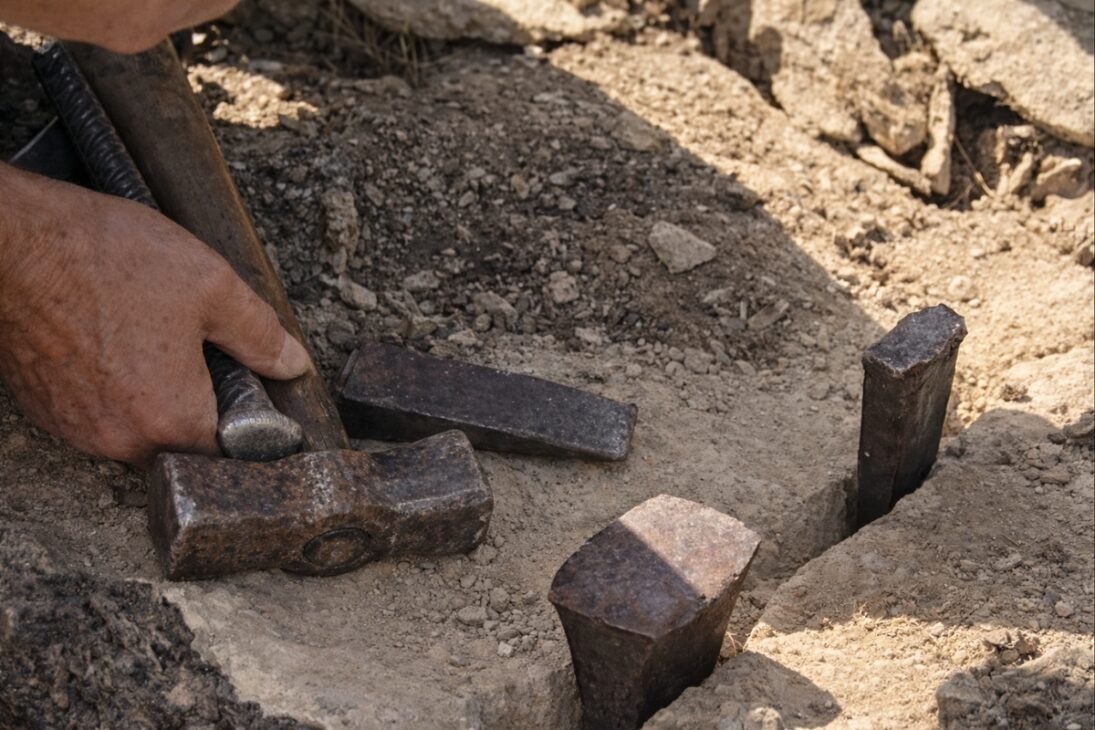
After choosing the ideal point, Julián begins to mark the surface of the stone with small lines. It is these marks that pave the way for the cuñeros, cavities made to receive the wedges that will guide the rupture of the block.
This moment requires precision. It is not just about breaking the stone, but about making it split exactly in the desired direction. When the rock is softer, the cut can veer off the intended line, forcing the stonemason to correct the process manually, with even more care.
The Piece Begins to Take Shape After Separation
When the stone finally breaks, the work is far from over. Julián then starts to remove the excess, eliminate protrusions, and reduce the volume of the block to make it lighter and easier to move.
According to Eugenio Monesma, director and producer of the documentary aired, when the stone remains wet, the ideal is to leave it outdoors for 1 day so that the sun and wind can eliminate the accumulated water. Only after that does the material achieve a better condition to be worked with more precision.
Ruler, Square, and Patience Transform the Block into Sillar
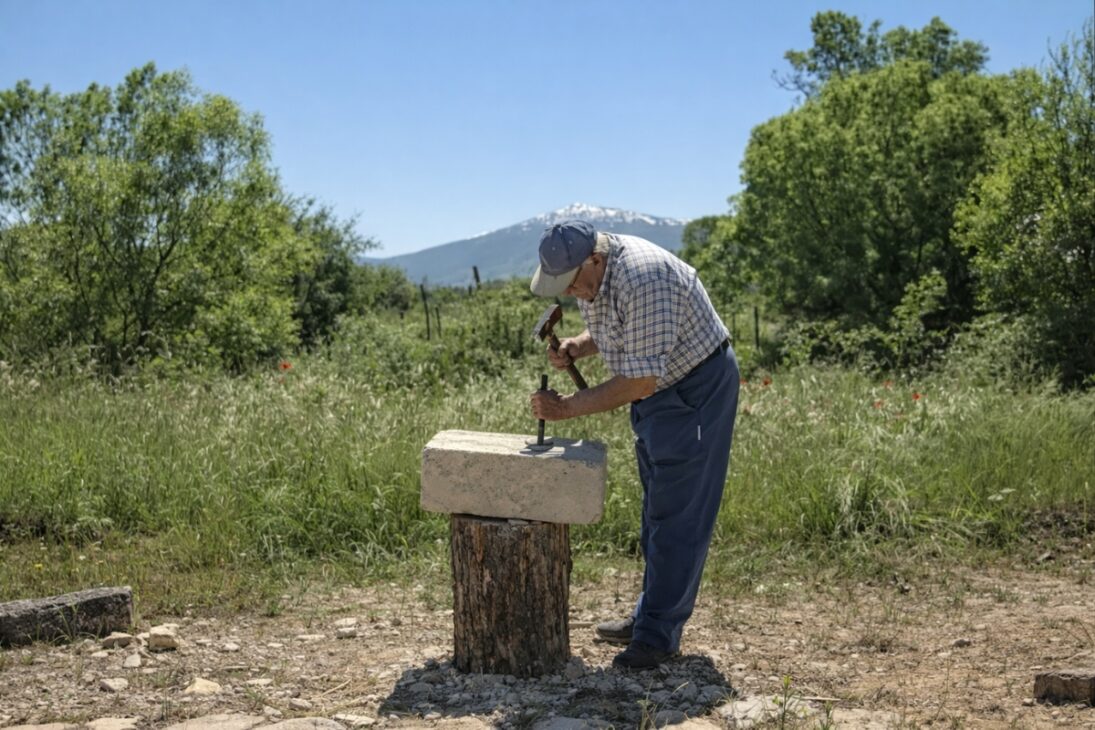
With the rougher parts already removed, the most delicate phase begins. Julián traces reference lines, levels the surfaces, and uses the ruler as a base to gradually correct the piece.
The goal is clear: to obtain a completely flat face and adjust the angles until the stone takes on the shape of a perfect rectangle. Every excess needs to be removed at the exact point. Every mistake can compromise the entire piece. It is a job that requires keen sight, steadiness, and accumulated experience.
The Final Finish Reveals the Artisan’s Skill
In the final stretch, Julián uses tools to crush small irregularities and smooth out the surface relief. The blows become more controlled because any unexpected vein can cause an undesirable break in a softer stone.
It is at this stage that the block ceases to be just rock and transforms into sillar, ready to be used in construction. The finish does not depend on speed, but on sensitivity. The artisan measures, observes, corrects, and only stops when the shape reaches the desired standard.

A Heavy Job That Also Required Manual Transport
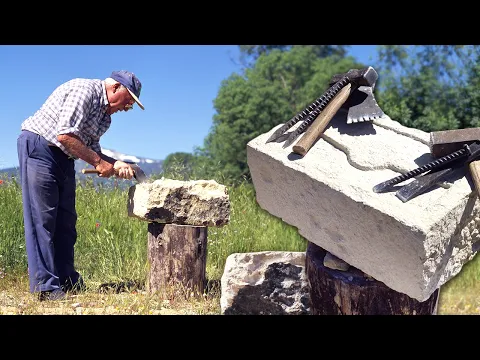
In the past, the effort did not end with extraction or shaping. The transport of these stones was a difficult task, done with wooden levers until the block reached the point where a team of oxen could take over the transport.
This detail helps to understand the real dimension of traditional stone masonry. It was not just a cutting craft. It was a complete activity that involved reading the material, physical endurance, planning, and mastery of each stage until the final application of the piece in construction.
The mark of this work remains visible in the constructions of the region, such as the church of Pinilla del Valle and Julián’s own house. More than blocks of stone, these sillar carry the permanence of knowledge that resists the passage of time.
Amid the rush of modern solutions, this type of work changes the way construction is perceived. It shows that technique, patience, and intimacy with the raw material can still produce results that impress with their precision and lasting quality.






-

-

2 pessoas reagiram a isso.